Artwork
Maurice of Nassau, Prince of Orange
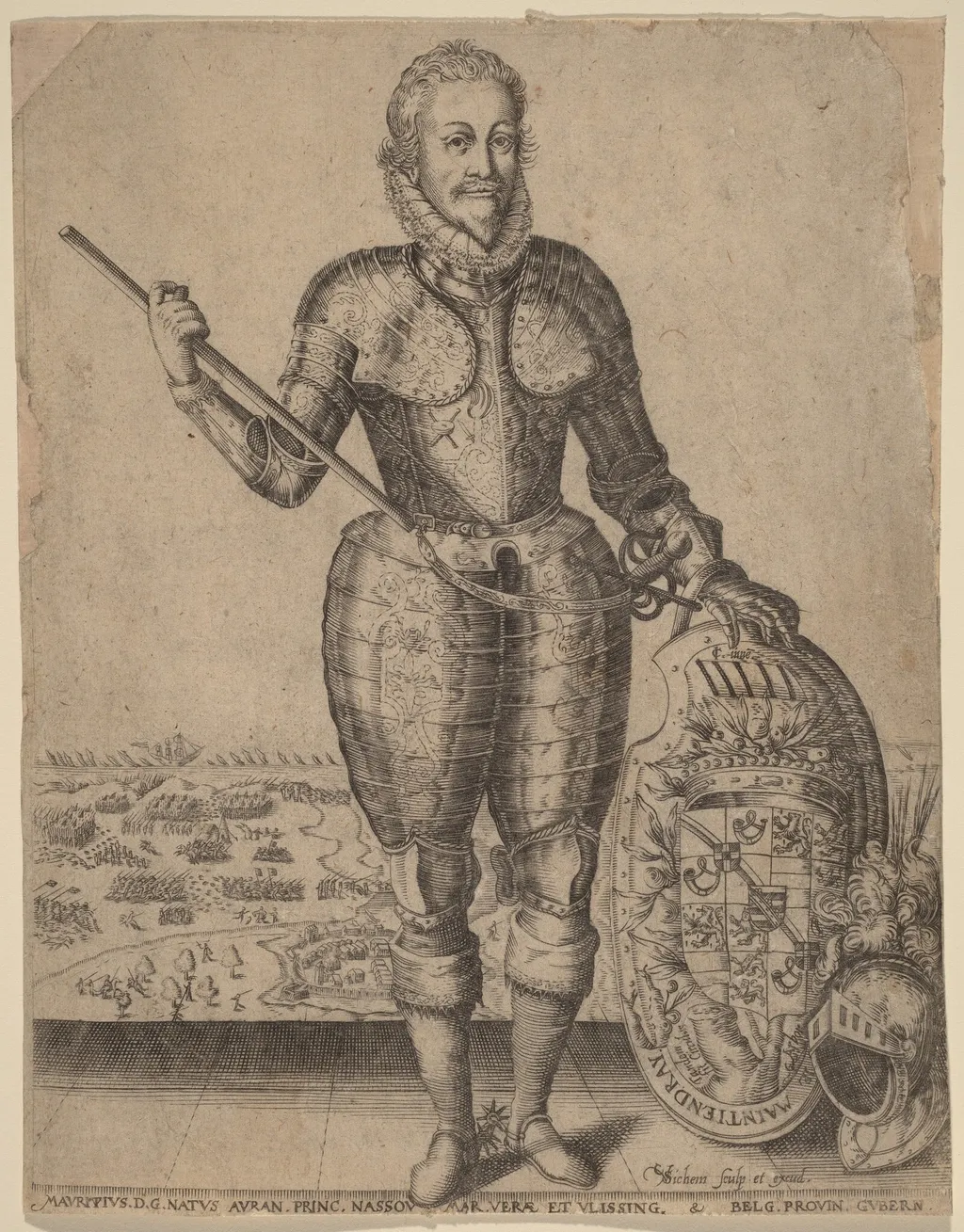
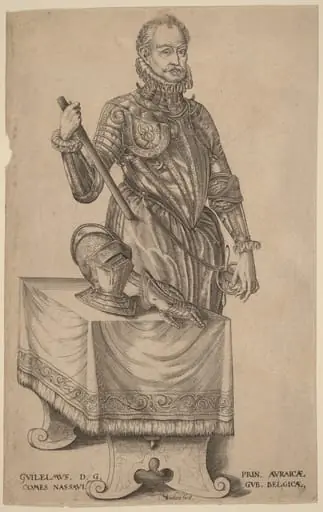
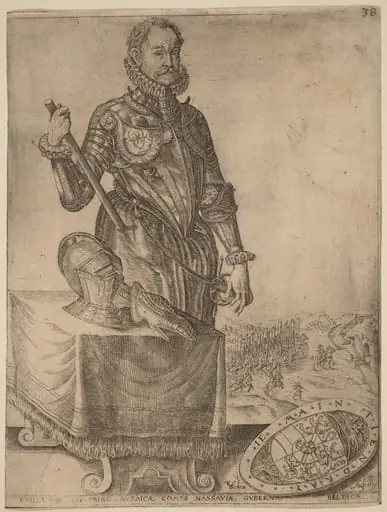
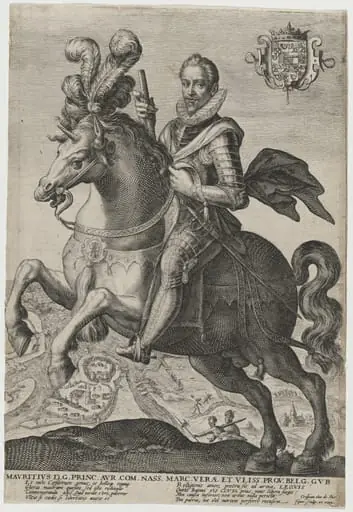
Maurice of Nassau, Prince of Orange is an ink print by the Renaissance artist Christoffel van Sichem I. It dates from 1585 and is held in the collection of the National Gallery of Art.
About this work
Overview
The composition is structured around the figure, with a subdued background that hints at his leadership role without overwhelming the central portrait.
This 1585 engraving by Christoffel van Sichem I depicts Maurice of Nassau, Prince of Orange, in formal military attire. Rendered in monochrome, the portrait emphasizes his status through intricate detailing of armor and accessories. The composition is structured around the figure, with a subdued background that hints at his leadership role without overwhelming the central portrait. The work belongs to the tradition of early modern printed portraiture, intended for dissemination among elite audiences.
Subject & Meaning
Maurice of Nassau, a key military and political leader in the Dutch Revolt, is portrayed as a composed commander. His grip on sword and helmet conveys readiness for action, while the ornate armor signals noble rank. The miniature scene behind him—ships, soldiers, and a fortified structure—references his role in naval campaigns and territorial defense. The inclusion of his full title reinforces his legitimacy and public identity during a turbulent period of Dutch independence.
Technique & Style
Executed in fine-line engraving, the image relies on precise incisions to render texture and form. The armor’s decorative patterns, buckled boots, and layered fabric are achieved through meticulous cross-hatching and stippling. The background elements are rendered with reduced detail, creating visual hierarchy. This technique was standard in Northern European printmaking of the period, allowing for reproducible, high-fidelity portraits that could be widely circulated.
History & Provenance
Created in 1585, the engraving emerged during a critical phase of the Eighty Years’ War, when Maurice was rising to prominence as stadtholder. It likely served political or commemorative purposes, reinforcing his image among supporters. The print was produced by Christoffel van Sichem I, a Dutch engraver known for portraits and religious subjects. Its survival suggests it was preserved in private or institutional collections, possibly within Dutch aristocratic circles.
Context
In late 16th-century the Netherlands, printed portraits of military leaders were tools of political messaging. As printing technology expanded, images like this helped shape public perception of figures like Maurice, who was instrumental in organizing the Dutch army and navy. The engraving reflects a broader trend of using visual media to legitimize authority during the transition from Habsburg rule to an independent republic.
Legacy
This engraving contributes to the visual record of Dutch leadership during the formative years of the Republic. While not widely reproduced today, it remains an example of how print culture supported political identity in early modern Europe. Its preservation in archives and museums underscores its value as a historical document, offering insight into the aesthetics and propaganda of the time.
Artist & collection