Artwork
A Turkish Coffee-House, Constantinople
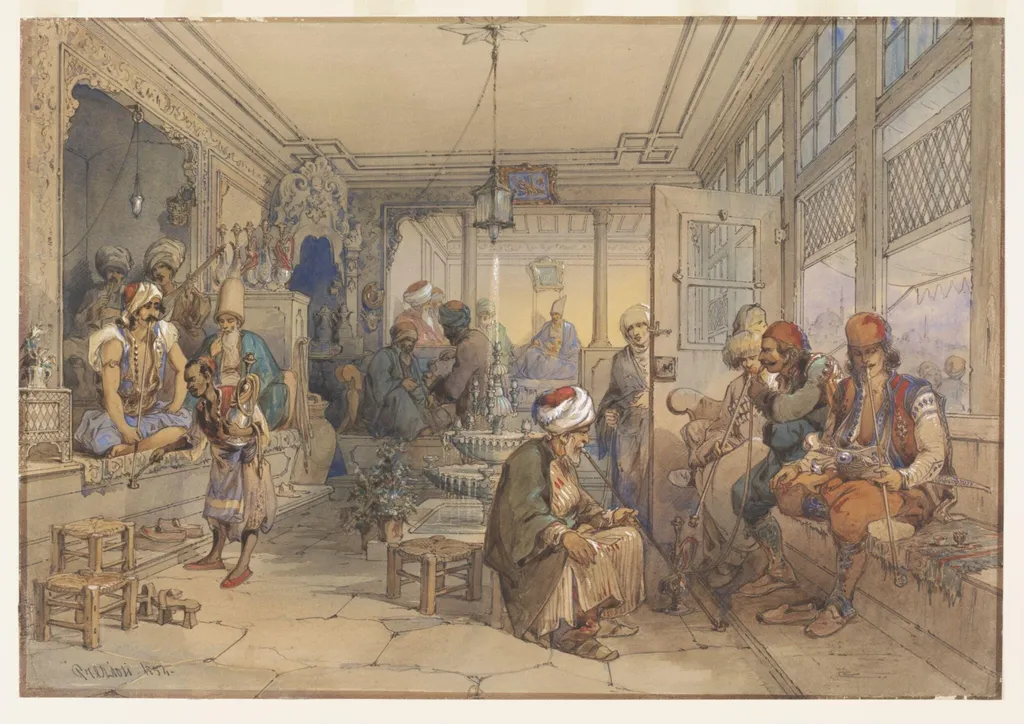
A Turkish Coffee-House, Constantinople is a watercolor work on paper by the Impressionist artist Aloysius Rosarius Amadeus Raymondus Andreas Preziosi. It dates from 1854 and is held in the collection of the Victoria and Albert Museum.
About this work
Overview
A Turkish Coffee-House, Constantinople is a watercolour painting by Preziosi, capturing a vibrant scene of everyday life in 19th-century Istanbul. The work showcases the artist's ability to observe and depict the diverse cultural landscape of the city.
Subject & Meaning
The painting portrays a bustling coffee house, inhabited by a diverse array of characters, including musicians, merchants, a whirling dervish, and individuals from various ethnic backgrounds (Greek, African, Persian, Circassian). This gathering highlights the cosmopolitan nature of Istanbul during the period.
Technique & Style
Preziosi's watercolour technique is characterized by rapid, expressive brushstrokes, balancing spontaneity with meticulous attention to detail. The accurately depicted attire, accessories, and activities of the figures reflect the artist's keen observational skills.
History & Provenance
Created during Preziosi's four-decade residence in Istanbul (1842-1882), this piece was likely produced for the Western market, catering to travellers seeking souvenirs of Ottoman life. Its popularity is evident from the 1858 Paris publication of Stamboul Recollections of Eastern Life, a series of lithographs based on his works.
Context
The painting reflects the cultural melting pot of 19th-century Constantinople, where different ethnic and religious groups coexisted. Preziosi's work satisfied the curiosity of Western travellers and collectors for Orientalist scenes of daily life in the Ottoman Empire.
Legacy
While Preziosi gained temporary fame in Western Europe through his works being taken back by travellers (including the Prince of Wales in 1869), his long-term legacy lies in the detailed, firsthand visual records he provided of Istanbul's diverse 19th-century society.
Own this work as a print
Artist & collection
Artist
Aloysius Rosarius Amadeus Raymondus Andreas Preziosi
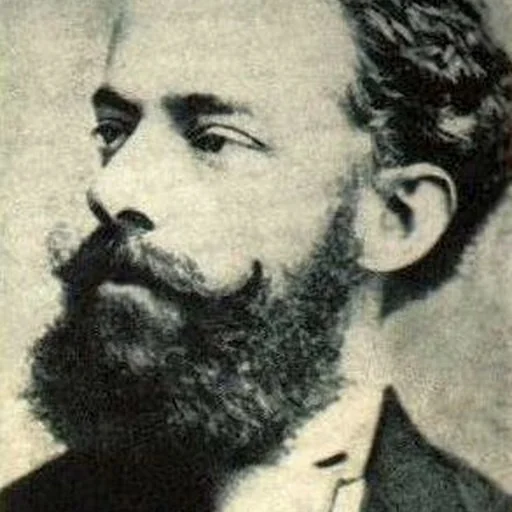
Amedeo Preziosi (2 December 1816 – 27 September 1882) was a Maltese painter and traveler known for his watercolours and prints of Constantinople, the Balkans, Ottoman Empire, and Romania.

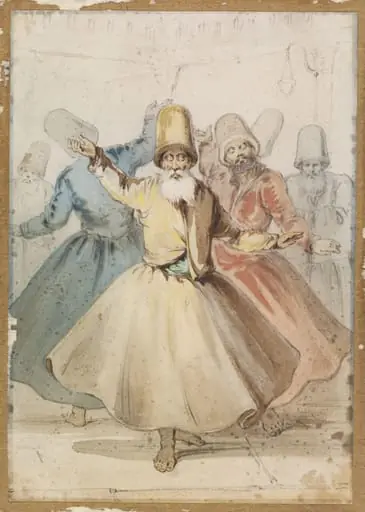
![Portrait of Trehem[?]Walid 'Abdullah, an Arab from Iraq, by Aloysius Rosarius Amadeus Raymondus Andreas Preziosi](https://artifactworldgallery.com/img/aloysius-rosarius-amadeus-raymondus-andreas-preziosi--portrait-of-trehem-walid-abdullah-an-arab-from-iraq--2476a3692d0929a5-w320.webp)
![A Seller of Milk-puddings [Mahallebi], by Aloysius Rosarius Amadeus Raymondus Andreas Preziosi](https://artifactworldgallery.com/img/aloysius-rosarius-amadeus-raymondus-andreas-preziosi--a-seller-of-milk-puddings-mahallebi--3da9fd2db017402d-w320.webp)
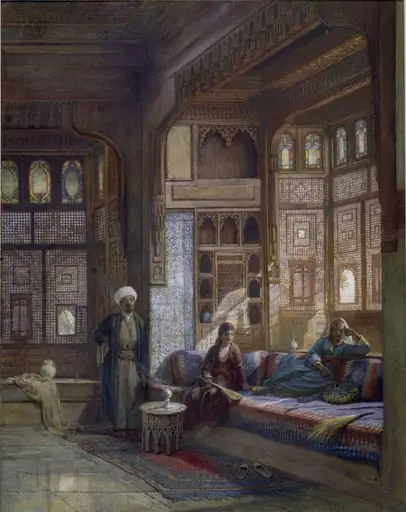 A room in the house of Shayk Sadat, Cairo
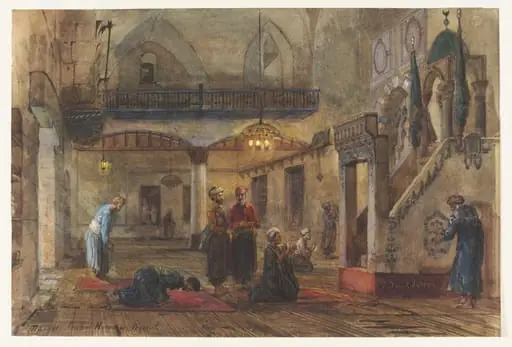 Mosque. Souk el Hommos. Byrout
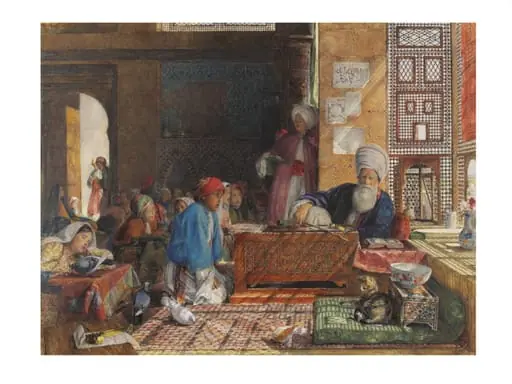 Interior of a school, Cairo
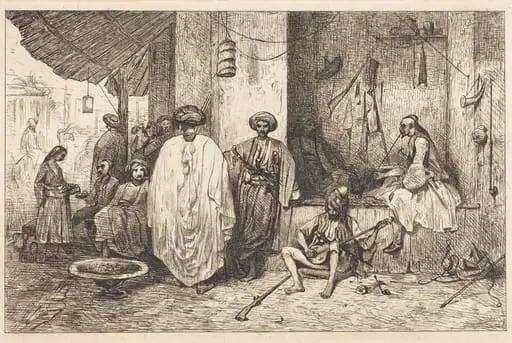 Le Corps de Garde
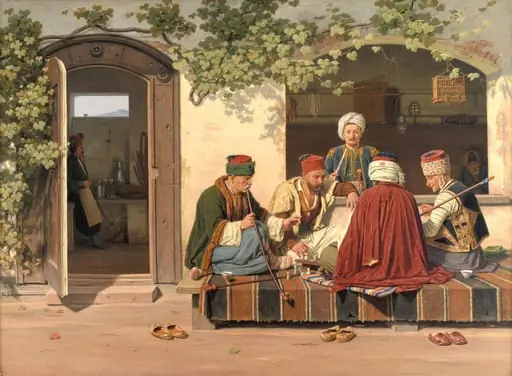 A party of chess players outside a Turkish coffeehouse and barbershop
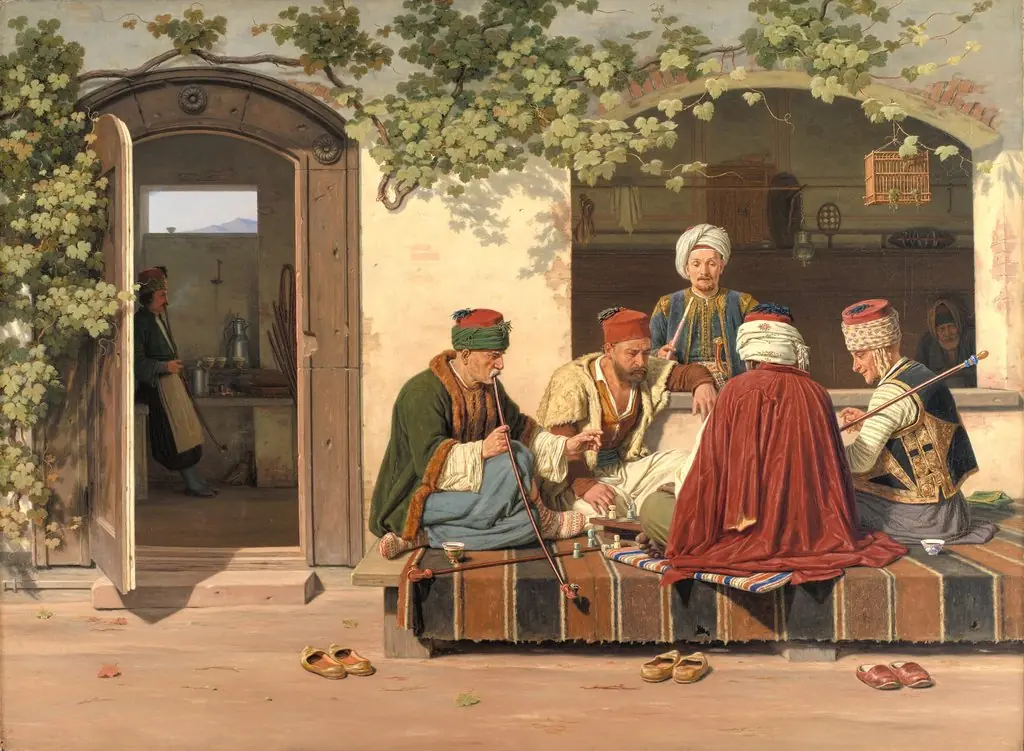 A party of chess players outside a Turkish coffeehouse and barbershop
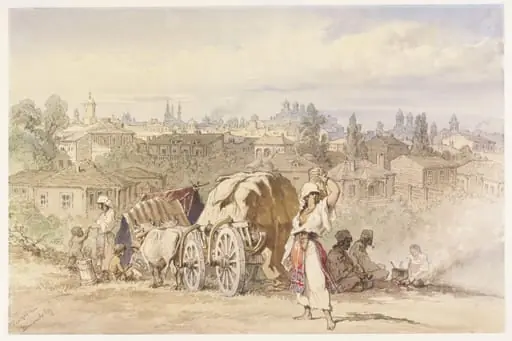
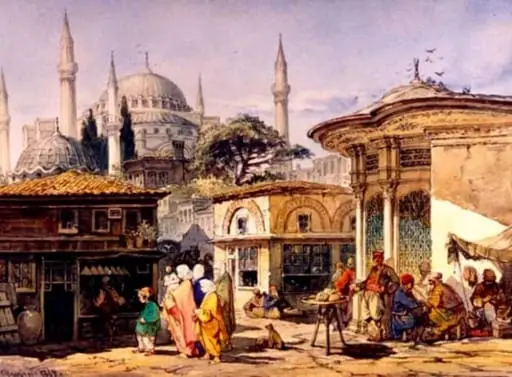 Stradă din Constantinopol
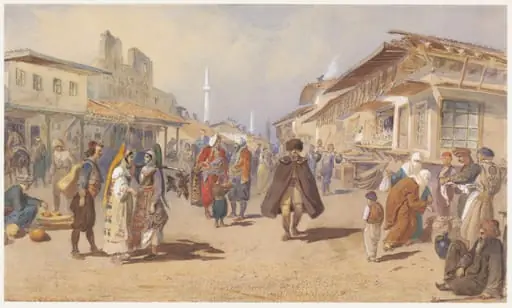 Vue de Belgrad la ruine du Prince Eugene