Artwork
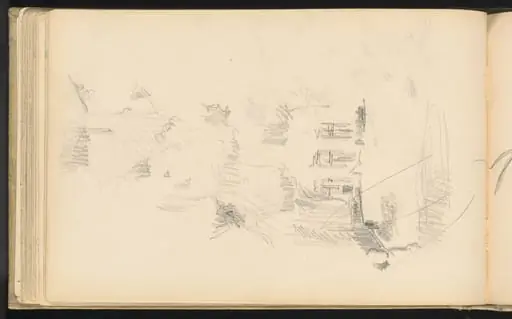
House in a Park
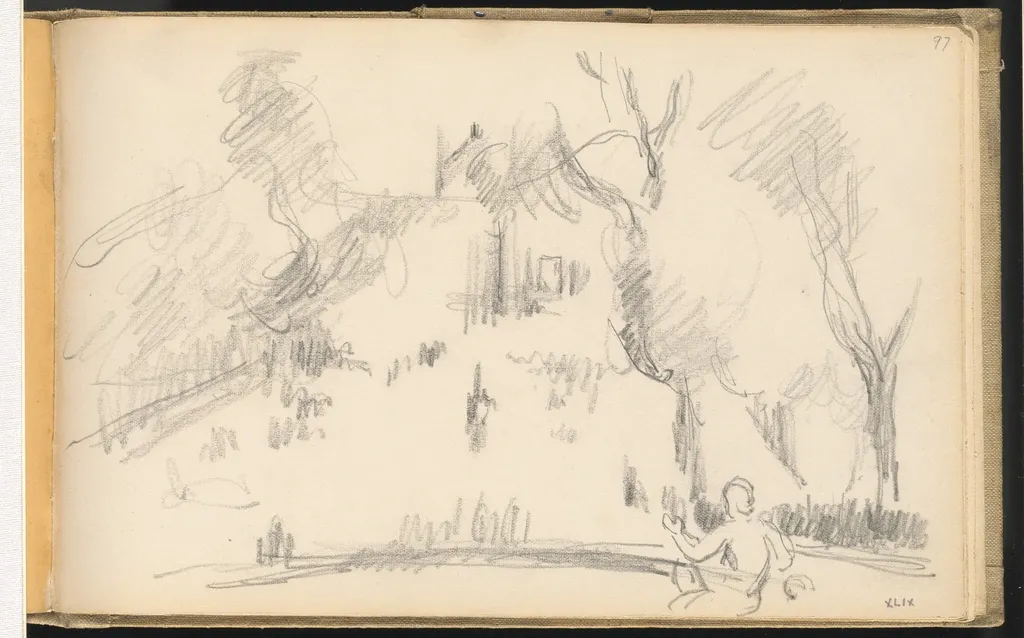
House in a Park is a graphite drawing by the Impressionist artist Paul Cezanne. It dates from 1884 and is held in the collection of the National Gallery of Art.
About this work
Overview
Paul Cézanne’s drawing titled House in a Park was executed in 1884. Rendered in graphite on wove paper, the work belongs to the artist’s early period of exploration of landscape and architectural forms. Though modest in scale, the piece reflects Cézanne’s interest in structuring natural scenery through careful line and tonal modulation.
Technique & Style
The drawing employs graphite to delineate the contours of a house set within a parkland, using a range of values to suggest depth and foliage. Cézanne’s handling of the medium demonstrates his gradual move away from purely representational drawing toward a more analytical approach, emphasizing underlying geometric shapes and the interplay of light and shadow.
Context
Created during the mid-1880s, House in a Park aligns with Cézanne’s broader investigations into the relationship between built environments and their surrounding nature. This period marks a transitional phase in his oeuvre, preceding his later, more abstracted canvases, and offers insight into the development of his compositional strategies that would later influence modernist painting.
Artist & collection
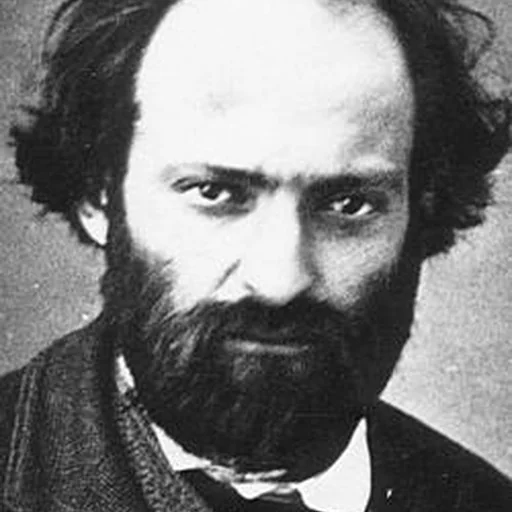
Artist
Paul Cézanne was born on January 19, 1839, in Aix-en-Provence, the son of a hatter turned wealthy banker.

 Harlequin
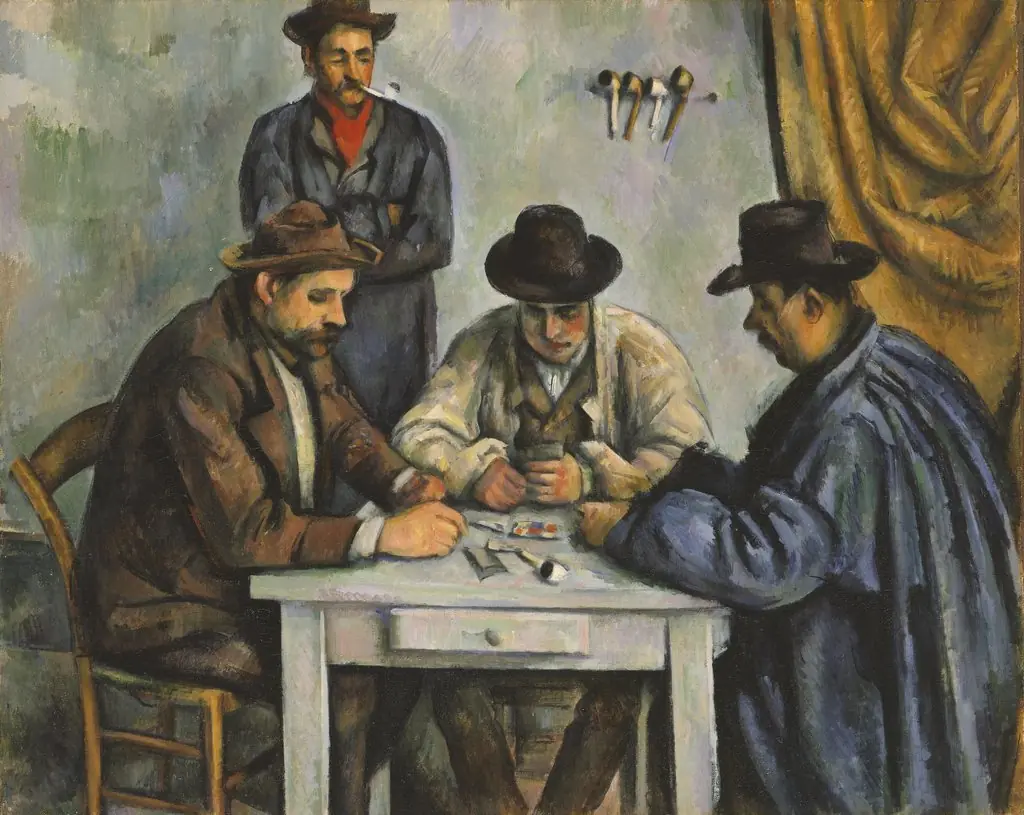 The Card Players
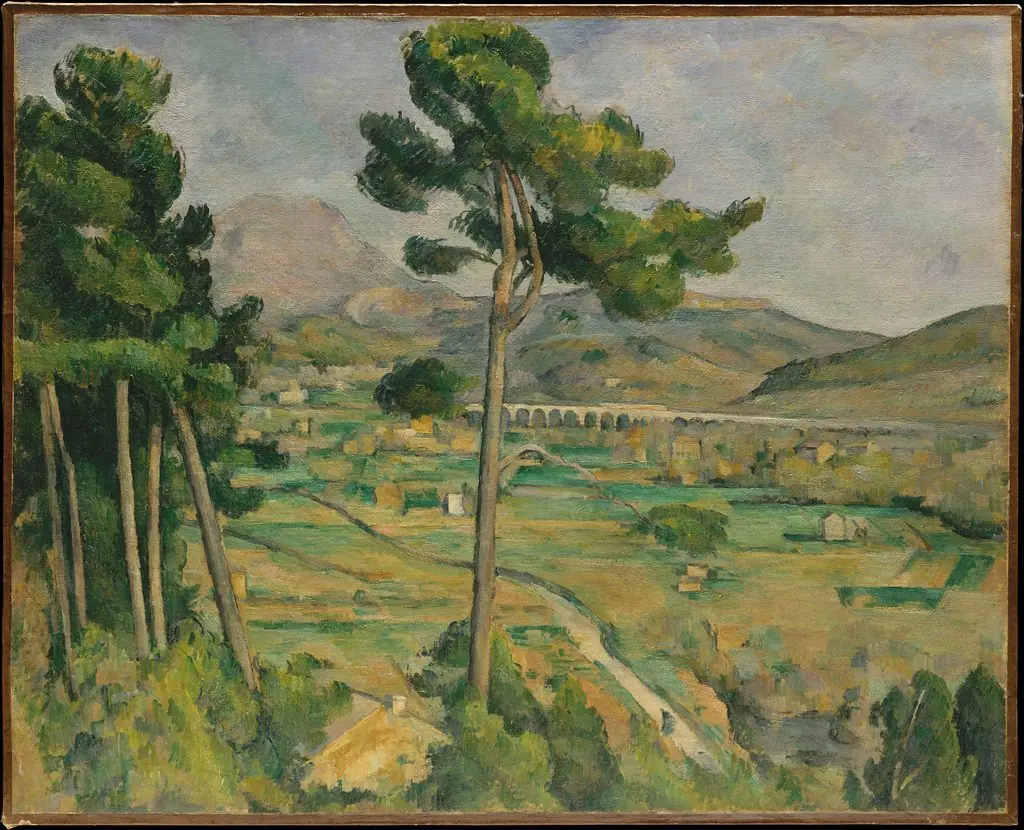 Mont Sainte-Victoire and the Viaduct of the Arc River Valley
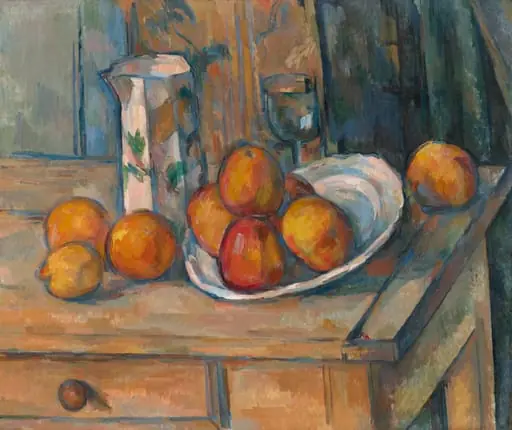 Still Life with Milk Jug and Fruit
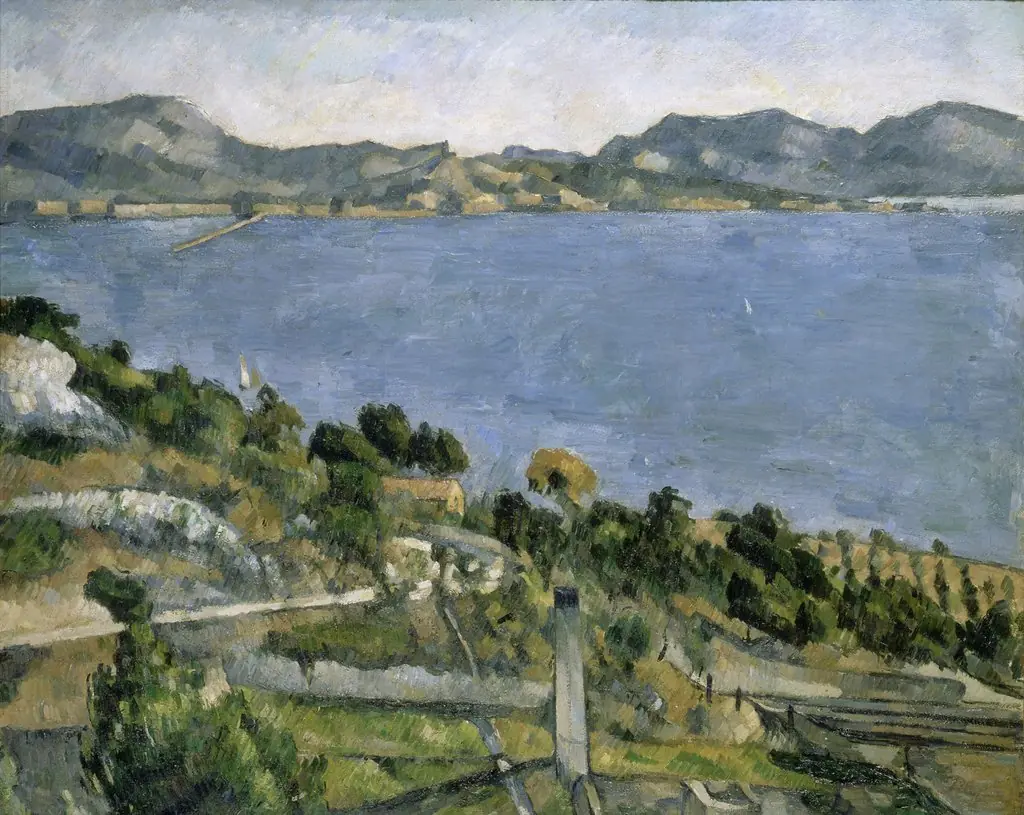 Le Golfe de Marseille vu de l'Estaque (The Gulf of Marseille Seen from L'Estaque)
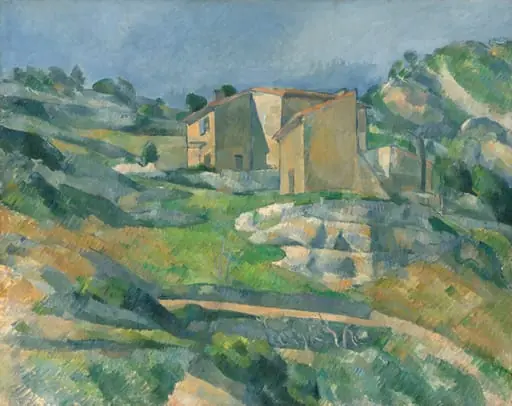 Houses in Provence: The Riaux Valley near L'Estaque
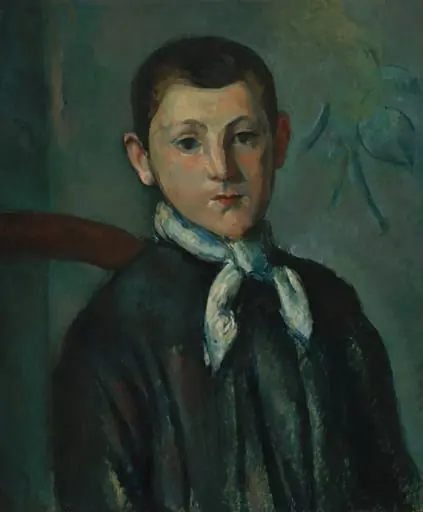 Louis Guillaume
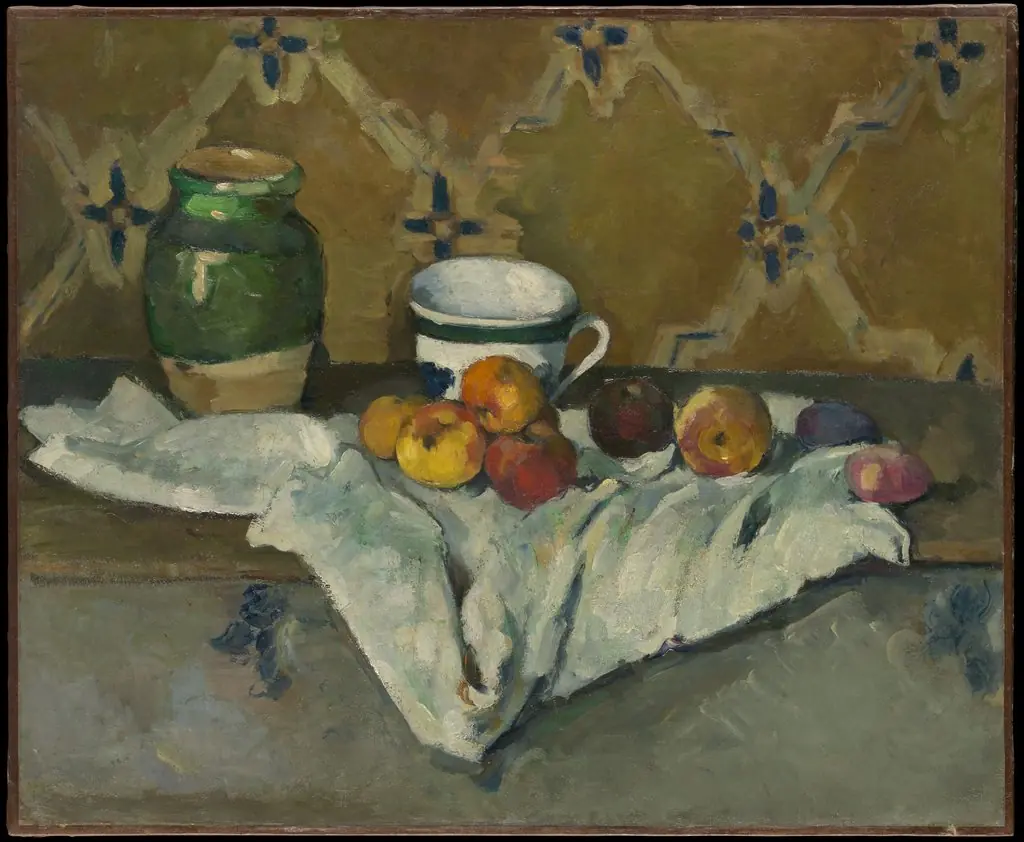 Still Life with Jar, Cup, and Apples
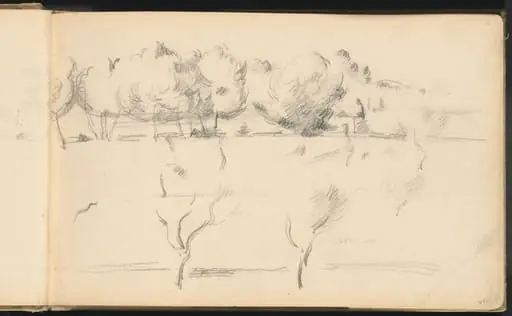 Landscape with Trees
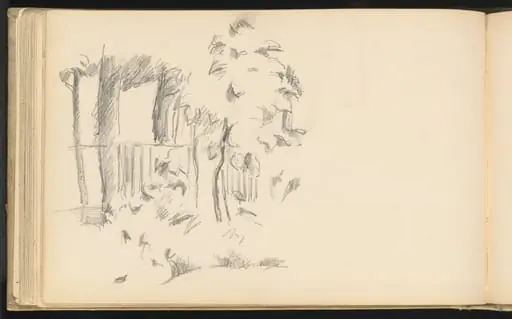 Near the Pool at Jas de Bouffan
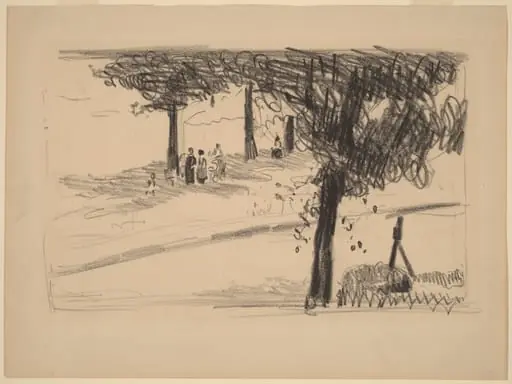 Under the Trees
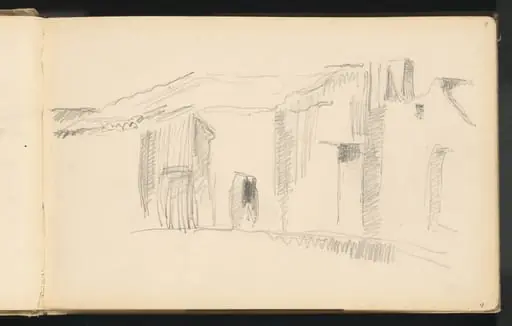 Study of Houses
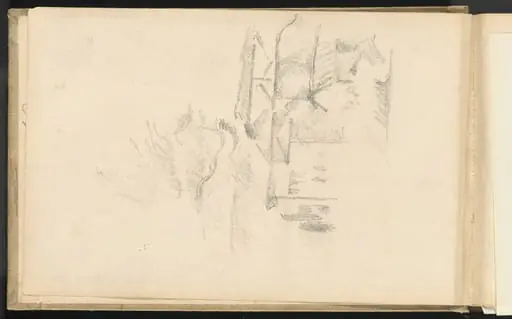 The Plaster Mill (La Moulin à plâtre)
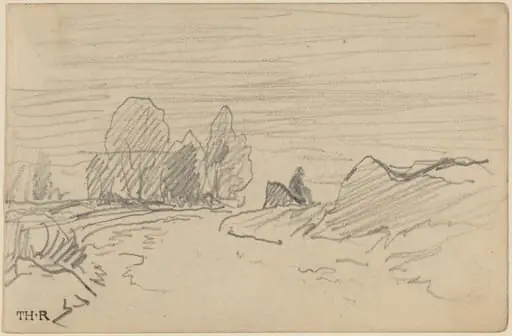 Landscape I
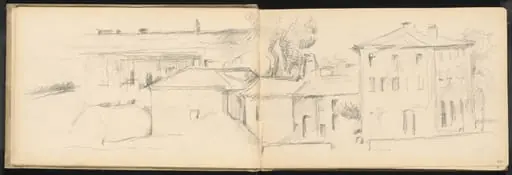 Landscape Near Aix-en-Provence
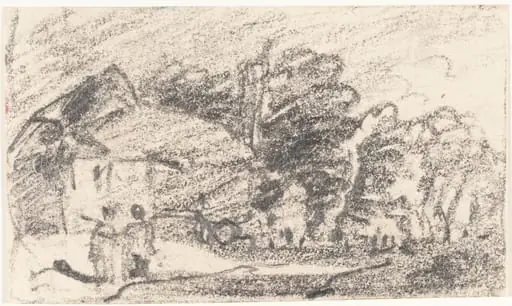 Two Figures on a Country Road
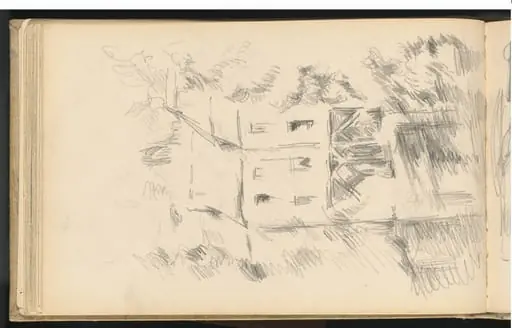 The Mill
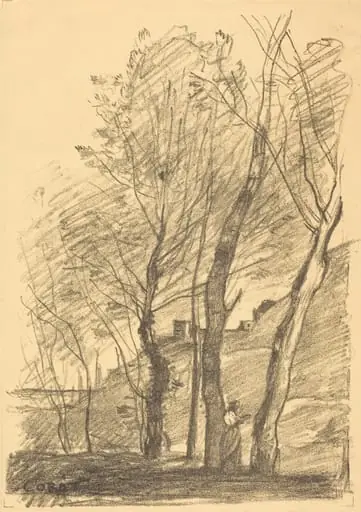 Reading Beneath the Trees (La Lecture sous les arbres)
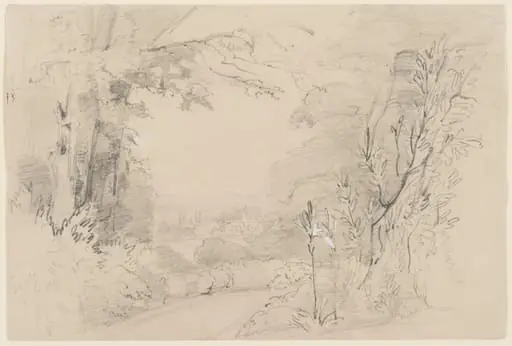 Sketch of landscape with trees
 House Surrounded by Vegetation