Artwork
The Mill
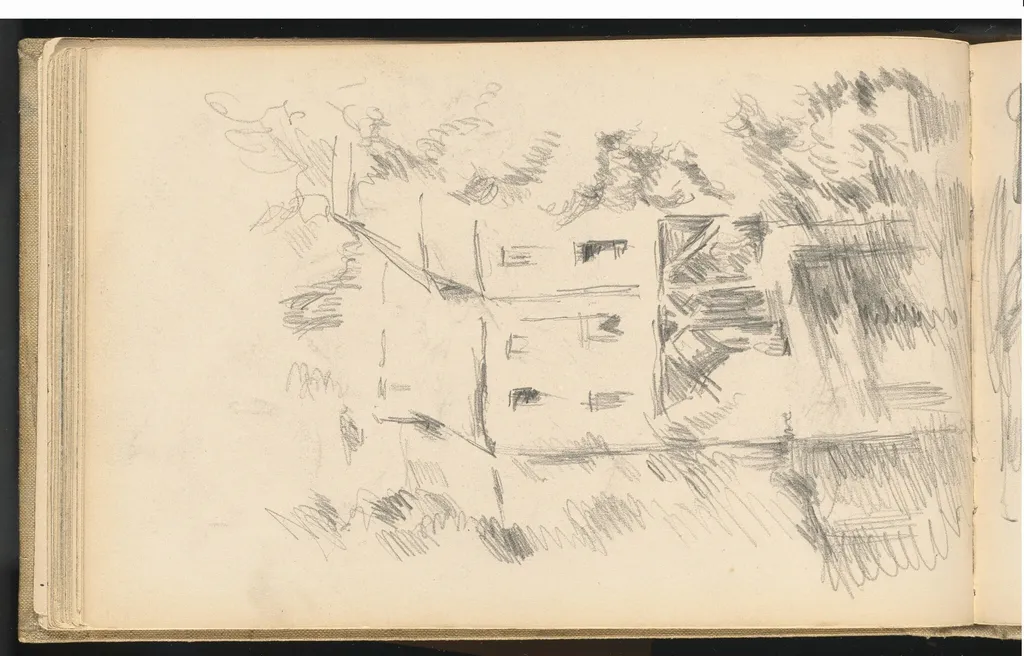
The Mill is a graphite drawing by the Impressionist artist Paul Cezanne. It dates from 1890 and is held in the collection of the National Gallery of Art.
About this work
Overview
Paul Cézanne’s drawing titled The Mill was executed in 1890. Rendered in graphite on wove paper, the work presents a compact study of an industrial structure, rendered with the artist’s characteristic attention to form and spatial arrangement. Though modest in scale, the piece reflects Cézanne’s ongoing exploration of landscape and architecture through drawing.
Technique & Style
The drawing employs graphite to delineate the mill’s mass and surrounding terrain, using varied line weight and shading to suggest volume and depth. Cézanne’s approach balances precise draftsmanship with a looser, gestural quality, illustrating his transition from strict academic drawing toward a more experimental handling of line and tone that would inform his later paintings.
Context
Created toward the end of the 1880s, The Mill belongs to a period when Cézanne was intensively studying the underlying geometry of natural and built forms. This work aligns with his broader investigations into how simple shapes combine to construct complex scenes, a preoccupation that would later influence the development of modernist abstraction.
Artist & collection
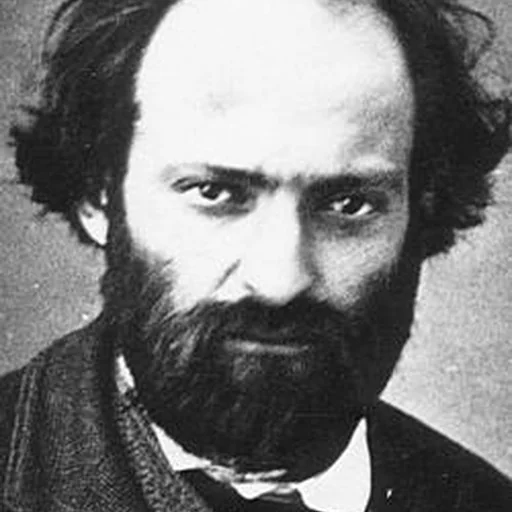
Artist
Paul Cézanne was born on January 19, 1839, in Aix-en-Provence, the son of a hatter turned wealthy banker.

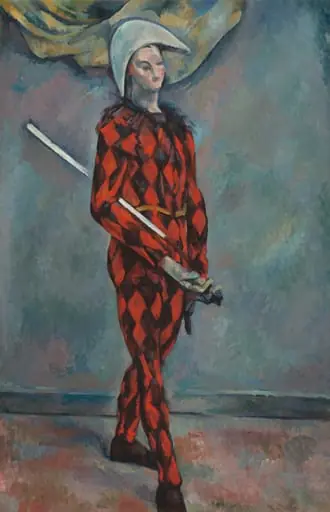 Harlequin
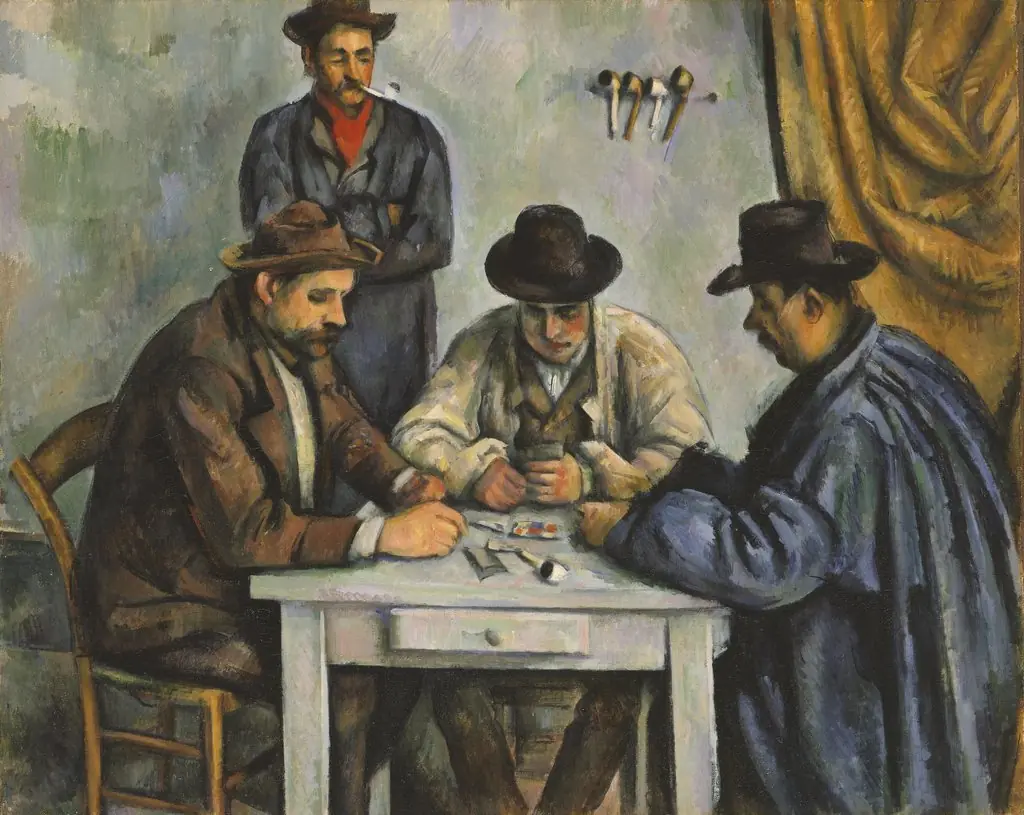 The Card Players
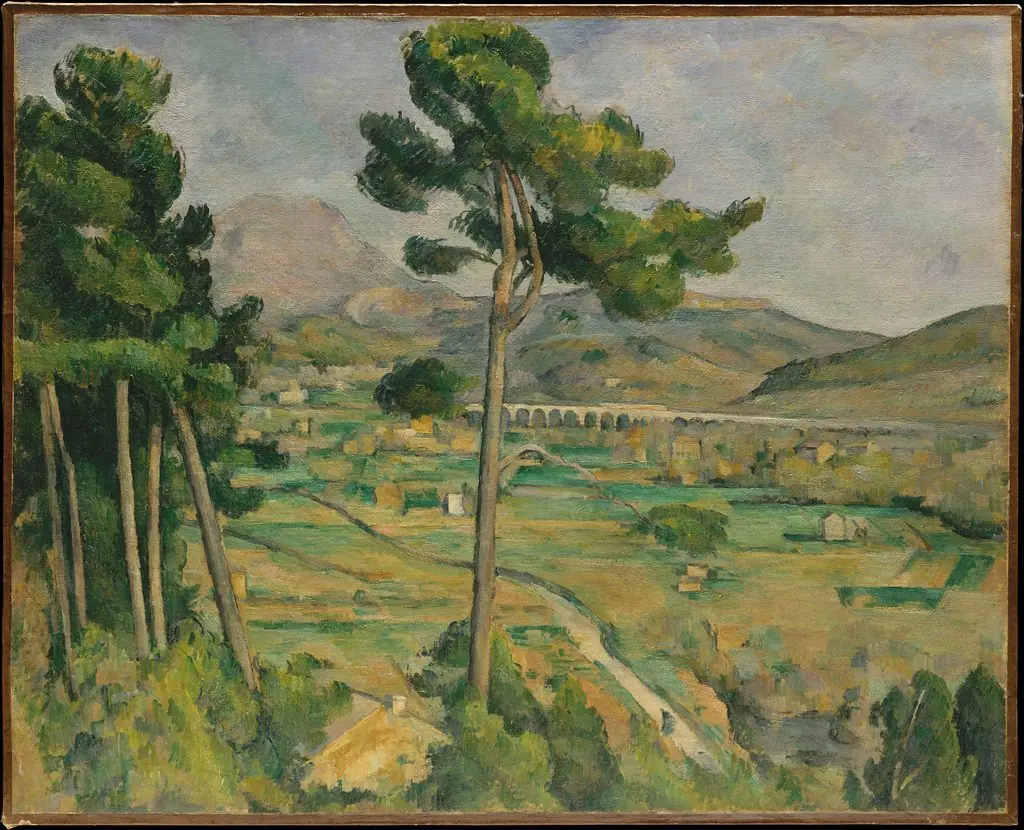 Mont Sainte-Victoire and the Viaduct of the Arc River Valley
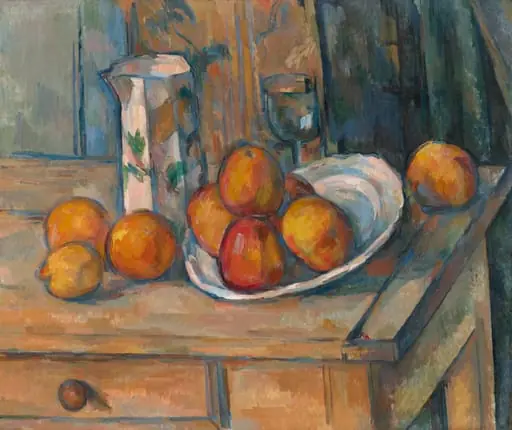 Still Life with Milk Jug and Fruit
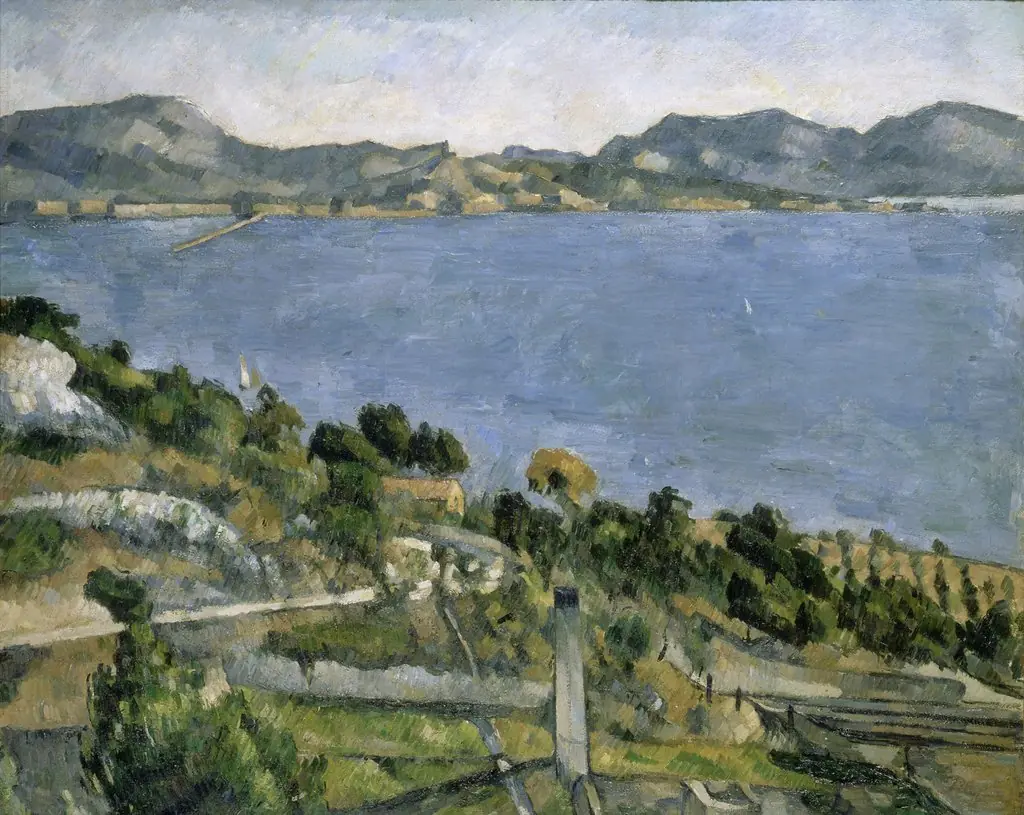 Le Golfe de Marseille vu de l'Estaque (The Gulf of Marseille Seen from L'Estaque)
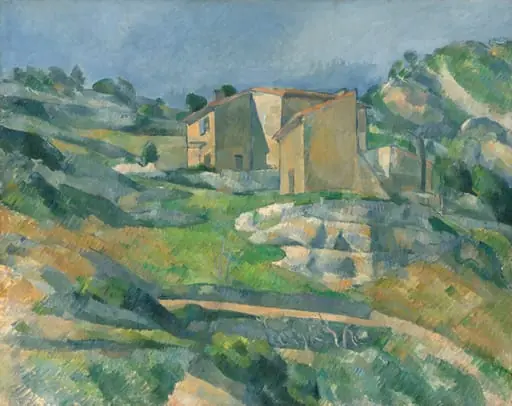 Houses in Provence: The Riaux Valley near L'Estaque
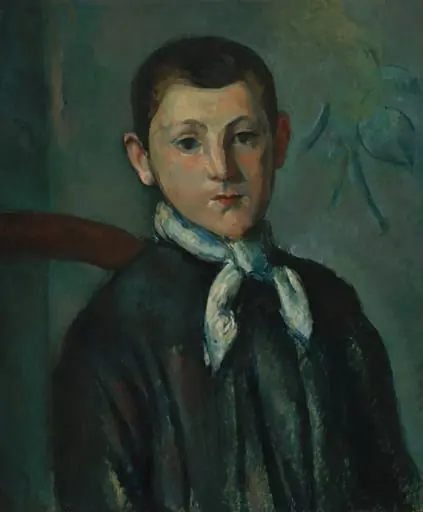 Louis Guillaume
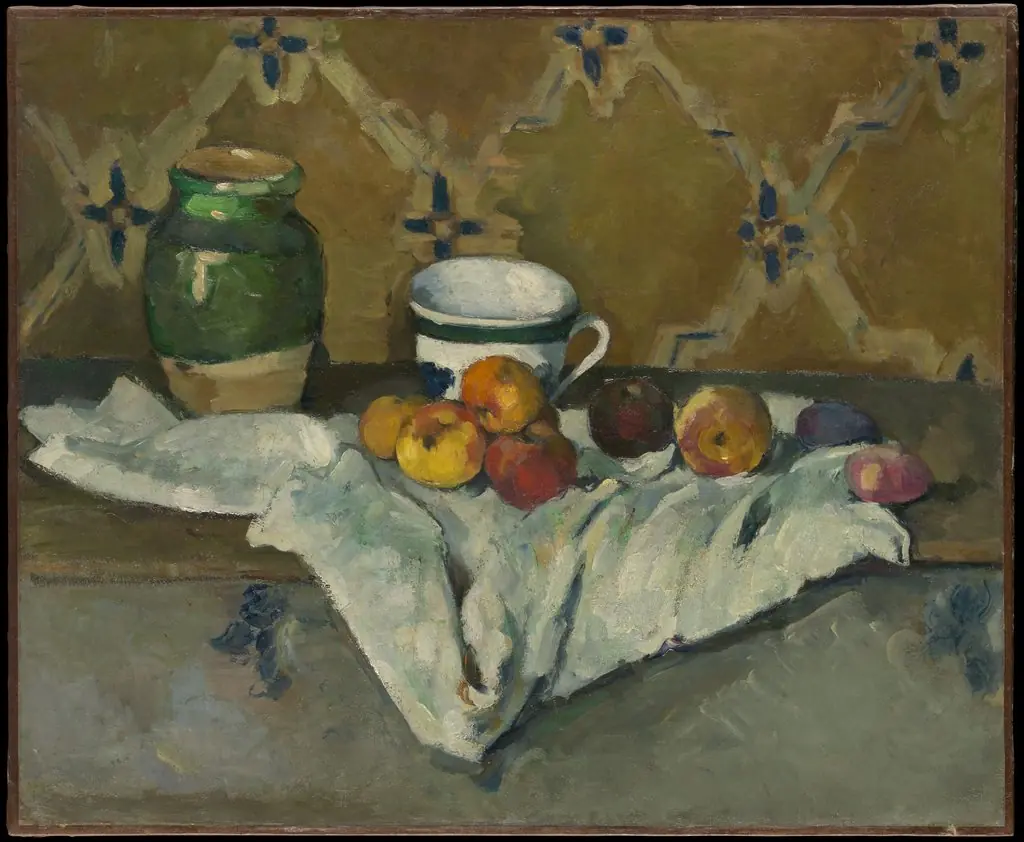 Still Life with Jar, Cup, and Apples
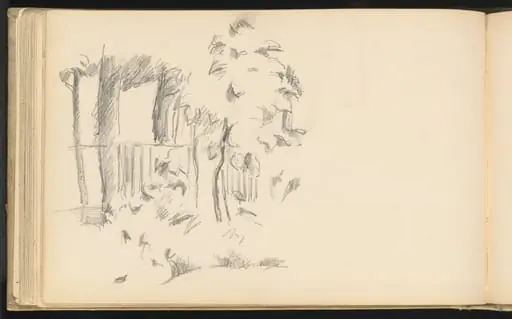 Near the Pool at Jas de Bouffan
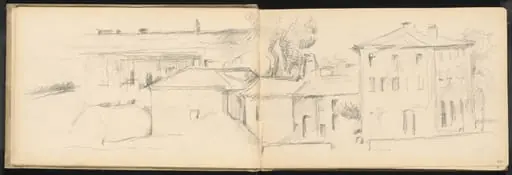 Landscape Near Aix-en-Provence
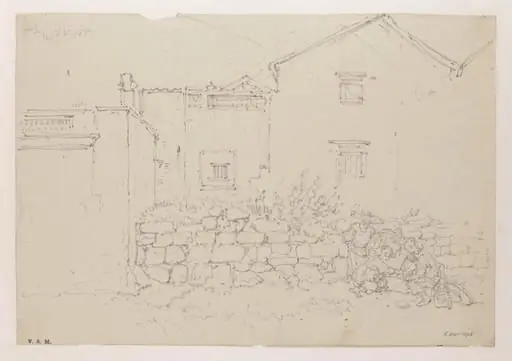 Figures by a stone wall with houses behind, Macau
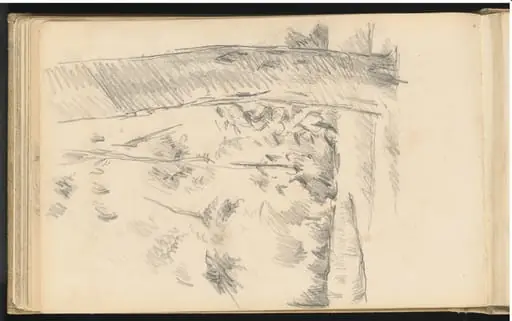 Trees and Shrubs
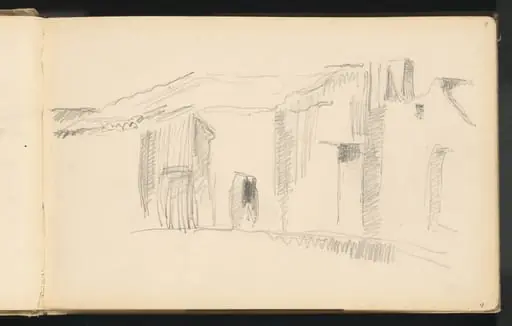 Study of Houses
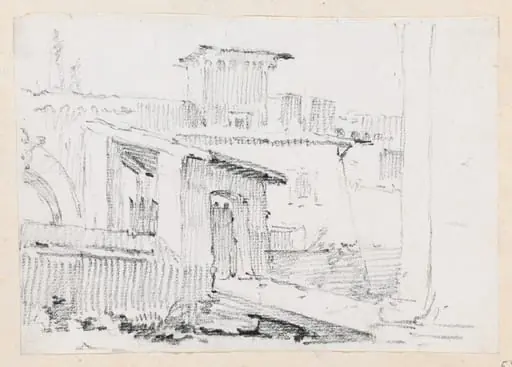 Roman Buildings with an Open Shed
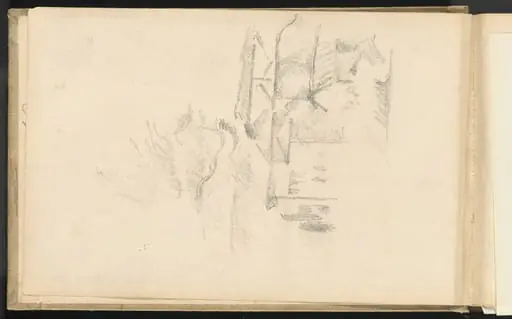 The Plaster Mill (La Moulin à plâtre)
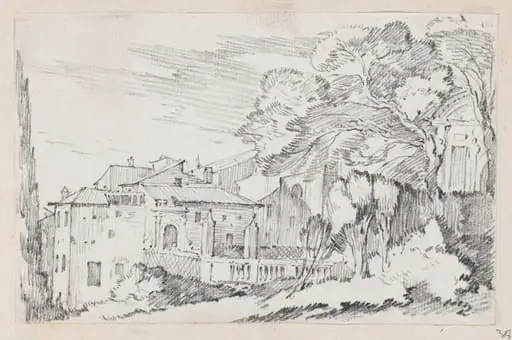 Houses and a Garden on a Hillside in Italy
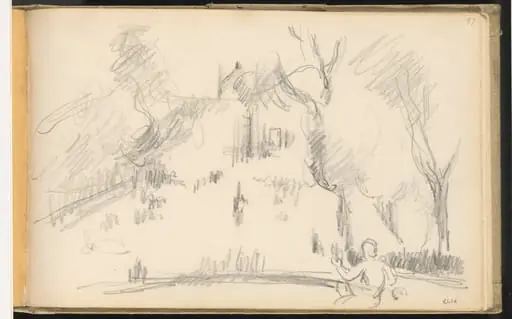 House in a Park
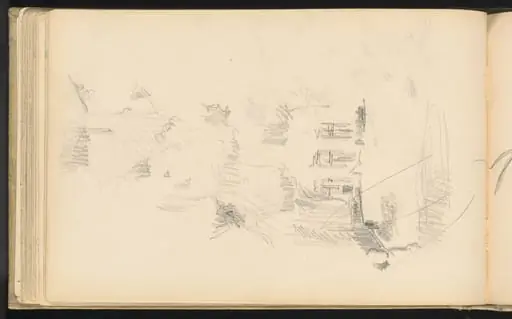 House Surrounded by Vegetation
 Italian City Scene
 Terrace by a River with a Villa and Trees Beyond