Artwork
Untitled
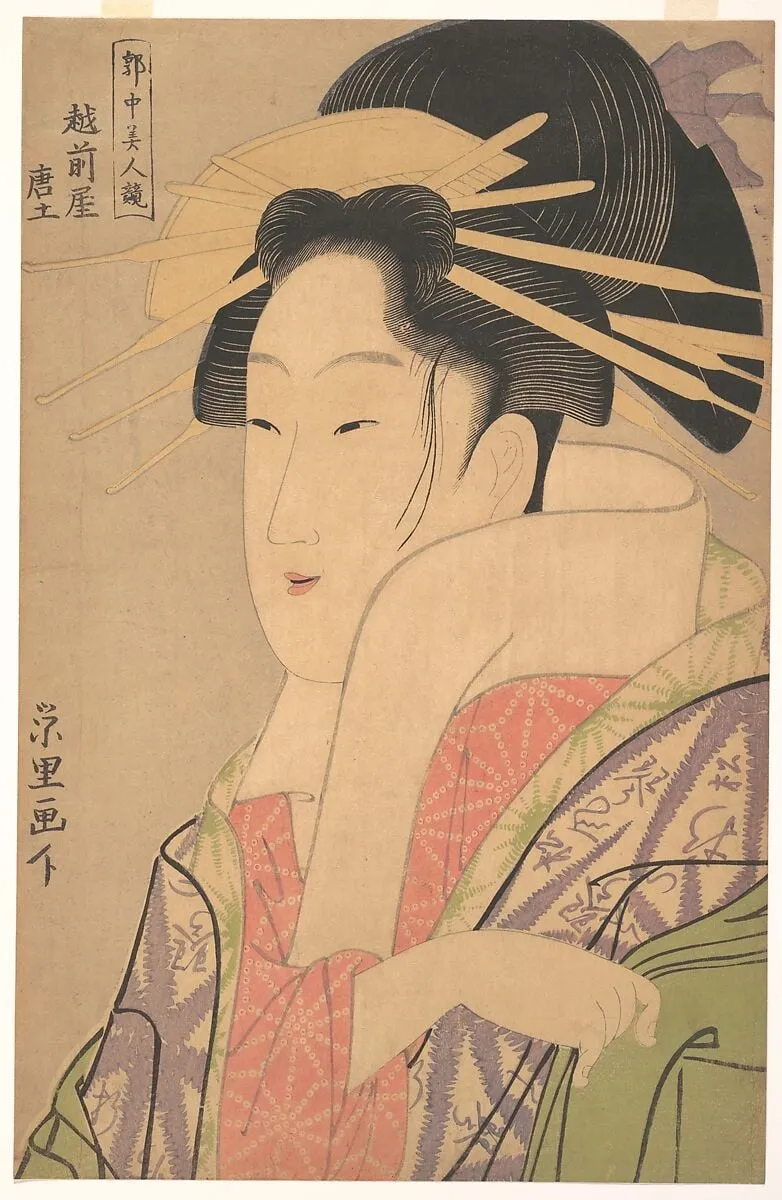
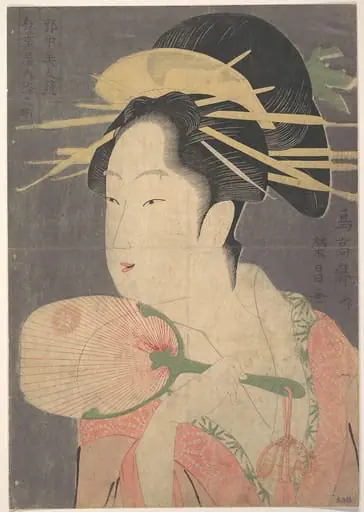
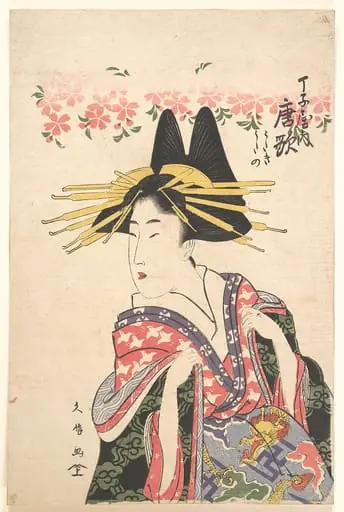
Untitled is an ink print by the Romanticist artist Chōkyōsai Eiri 鳥橋斎栄里. It dates from 1795 and is held in the collection of the Metropolitan Museum of Art. This woodblock print, dated around 1795, is attributed to Chōkyōsai Eiri, an artist active during the late Edo period.
About this work
Overview
This woodblock print, dated around 1795, is attributed to Chōkyōsai Eiri, an artist active during the late Edo period. Executed in ink and color on paper, it belongs to the ukiyo-e tradition of Japanese printmaking. The work is part of the collection at The Metropolitan Museum of Art, where it is cataloged as an untitled piece, reflecting its focus on quiet observation rather than narrative.
Subject & Meaning
The image depicts a woman in repose, her eyes closed and posture still, suggesting introspection or quiet contemplation. She wears a kimono with a subtle green and purple pattern, and holds a folded garment, possibly indicating a moment of transition or preparation. The absence of overt action or context invites interpretation as a study of inner calm, common in portraits of women from this era.
Technique & Style
The vertical inscription in the upper left, written in black ink, likely identifies the artist or publisher, adhering to standard print conventions of the time.
The print employs fine lines and layered color washes typical of ukiyo-e woodblock methods. The kimono’s pattern is rendered with delicate precision, while the background remains uniformly warm and unobtrusive, drawing attention to the figure. The vertical inscription in the upper left, written in black ink, likely identifies the artist or publisher, adhering to standard print conventions of the time.
History & Provenance
The print entered the collection of The Metropolitan Museum of Art through documented acquisition, though its earlier ownership history remains undocumented. As a work from the late 18th century, it reflects the commercial print culture of Edo, where such images were produced for a broad audience. Its survival in good condition suggests careful preservation, likely by collectors interested in Edo-period aesthetics.
Context
Created during the Kansei era, this print aligns with a period when ukiyo-e artists increasingly focused on intimate, everyday moments rather than dramatic scenes. Women’s portraits, especially those emphasizing stillness and adornment, were popular among urban audiences. The restrained palette and refined composition reflect evolving tastes toward subtlety and elegance in print design.
Legacy
Chōkyōsai Eiri’s output remains relatively obscure compared to contemporaries like Utamaro or Hokusai, and few signed works are definitively attributed. This print contributes to the understanding of lesser-known artists who contributed to the diversity of late Edo printmaking. Its presence in a major Western museum underscores its value as a quiet example of refined Japanese graphic art.
Artist & collection
Artist
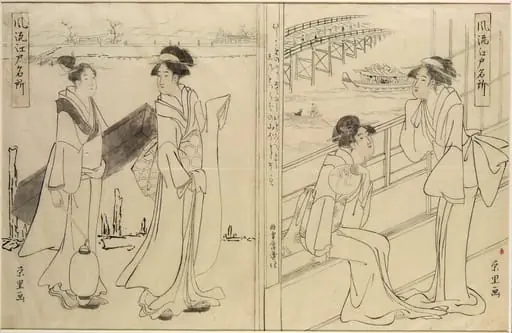
Chōkyōsai Eiri’s color woodblock prints and paintings show stylish women in everyday scenes—like the pair at a window and the one out for a stroll in *Two pairs of beauties* (1795–96).

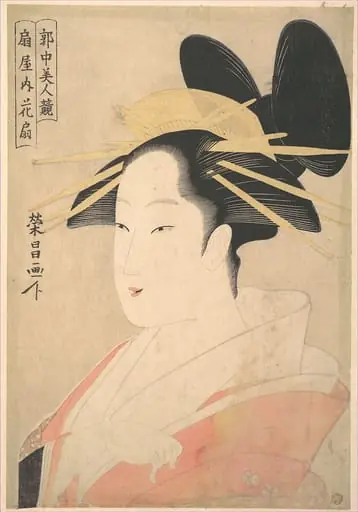 Untitled
 Untitled
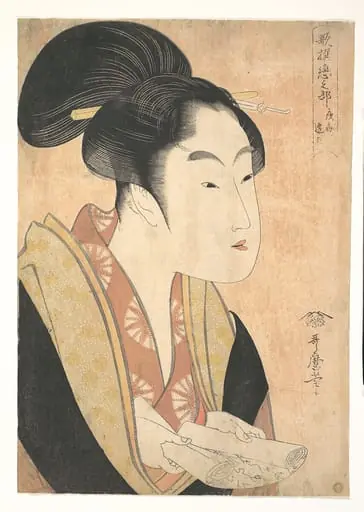 歌撰恋之部 夜毎に逢恋|A Young Woman Reading A Letter
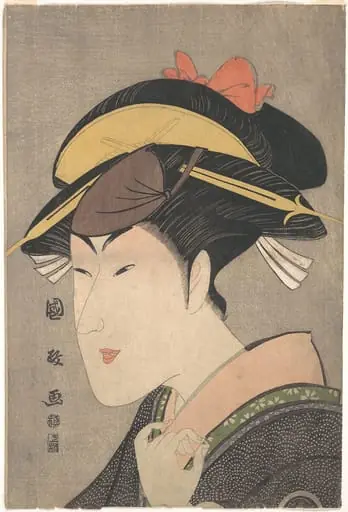 Untitled
 Untitled
 江戸の園花合 東屋の花|Azumaya no Hana
 Portrait of a Courtesan Holding a Pipe (from the series The Six Immortal Poets in Modern Dress)
 Untitled
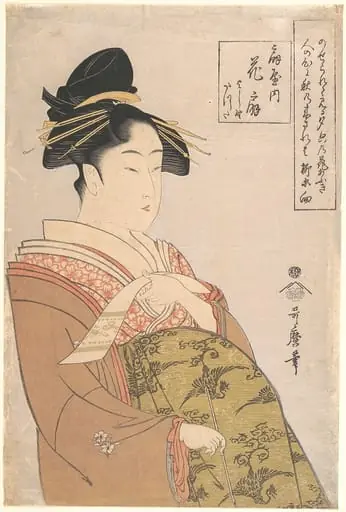 「扇屋内花扇図」|The Courtesan Hanaōgi of the Ōgiya Brothel in Yoshiwara (Ōgiya uchi Hanaōgi, Yoshino, Tatsuta)
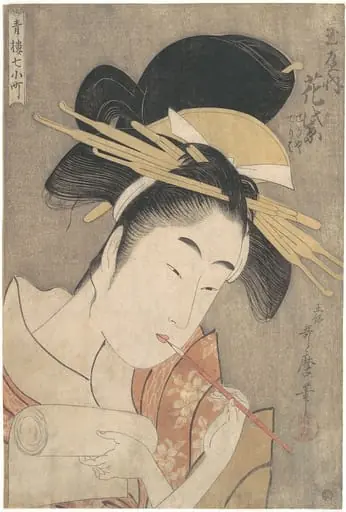 『青楼七小町』 「玉屋内花紫」|“Hanamurasaki of the Tamaya,” from the series Seven Komachi of the Pleasure Quarters (Seirō Nana Komachi)
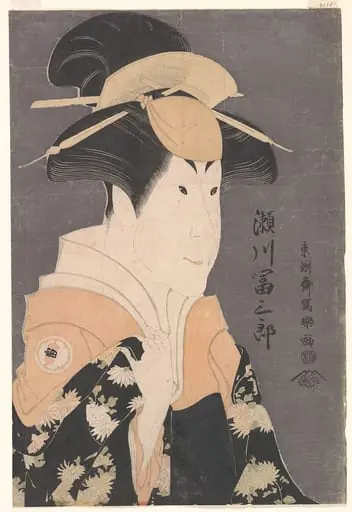 Untitled
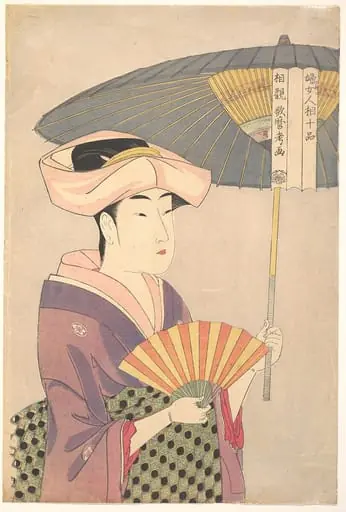 喜多川歌麿画 「婦女人相十品」 日傘を差す女|“Woman Holding Up a Parasol” from the series Ten Classes of Women’s Physiognomy (Fujo ninsō juppen: Higasa o sasu onna)