Artwork
Untitled
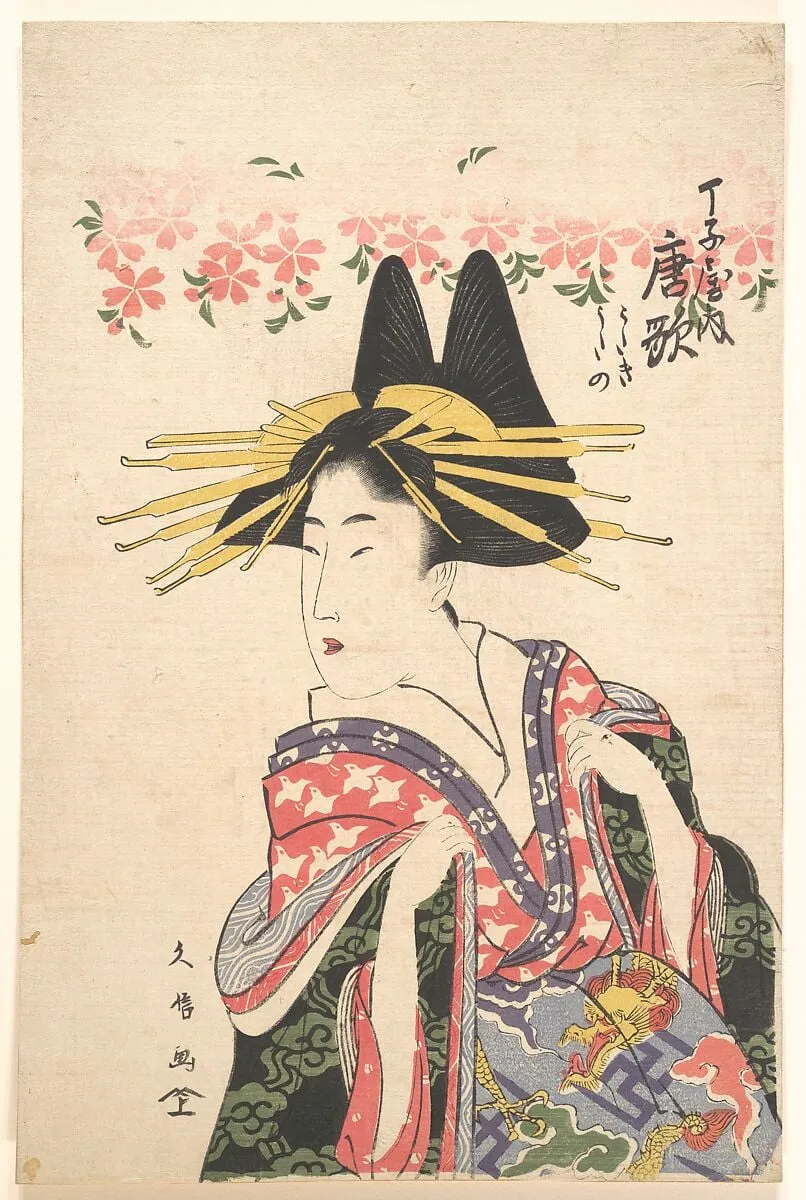
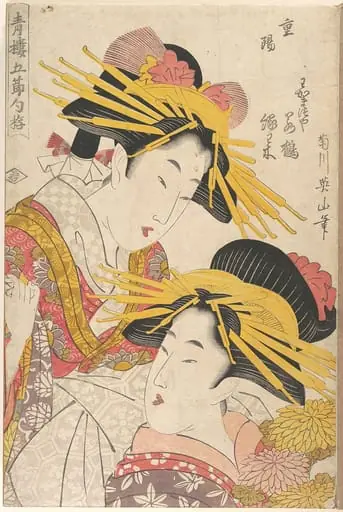
Untitled is an ink print by the Baroque artist Unknown. It dates from 1742 and is held in the collection of the Metropolitan Museum of Art. This work consists of three woodblock prints on paper, executed in ink and color.
About this work
Overview
Each panel presents a single figure—a woman dressed in an elaborate, formal robe—set against an unadorned background.
This work consists of three woodblock prints on paper, executed in ink and color. Each panel presents a single figure—a woman dressed in an elaborate, formal robe—set against an unadorned background. The composition emphasizes silhouette and color contrast, with minimal environmental detail. The prints are unified by their subject and stylistic approach, suggesting a series rather than isolated images.
Subject & Meaning
The central figure is depicted with serene expression and poised posture, suggesting ceremonial or ritual significance. Her tall black headdress, adorned with golden pins, and richly patterned robe imply high status or participation in a formal occasion. The floating pink flowers may symbolize transience or celebration, though their exact meaning remains ambiguous. The calm demeanor invites contemplation rather than narrative interpretation.
Technique & Style
The prints employ bold, clean lines and flat areas of vivid color—red, green, purple, and pink—creating strong visual contrast. Woodblock printing techniques allow for precise outlines and layered hues, while the absence of shading or perspective focuses attention on form and pattern. The stylized rendering of the figure and decorative elements reflects a deliberate departure from naturalism, favoring symbolic clarity.
History & Provenance
The work’s origin is not documented in the provided details, but its formal composition and medium align with 20th-century Japanese printmaking traditions. It lacks signatures or inscriptions typically used to trace artist or workshop attribution. The absence of contextual information limits precise dating or historical placement, though the aesthetic suggests postwar experimentation with traditional forms.
Context
While the Baroque period emphasized movement, drama, and chiaroscuro, this work operates within a different visual language—one rooted in East Asian print traditions that prioritize flatness, pattern, and symbolic restraint. The contrast between the two styles highlights divergent cultural priorities: emotional intensity versus meditative stillness. The piece belongs to a modern lineage reinterpreting classical techniques rather than engaging with Western baroque conventions.
Legacy
This series contributes to a broader modern practice of reimagining traditional woodblock techniques for contemporary expression. Its emphasis on formal elegance and symbolic color resonates with artists seeking to preserve craft while distancing from historical narratives. Though not widely recognized, it exemplifies how quiet, stylized imagery can carry cultural weight without overt commentary.
Artist & collection

 Domestic Scene
 Giacomo and Cardinal Marco, investing Andrea, Abbot of San Zeno, with his Benefice
 The Nymph of Fontainebleau
 Portrait of a Woman
 Madonna and Child with Saints in the Enclosed Garden
 Venus and Minerva
 Family Group of Four on Sofa
 Wall painting from Room H of the Villa of P. Fannius Synistor at Boscoreale
 Untitled
 The Courtesan Takigawa of Ogiya (from the series Seven Aspects of Komachi in the Green Houses)
 一楽亭栄水画 「扇屋内 花扇」|The Courtesan Hanaōgi of the Ōgiya Brothel (Ōgiya no uchi Hanaōgi)
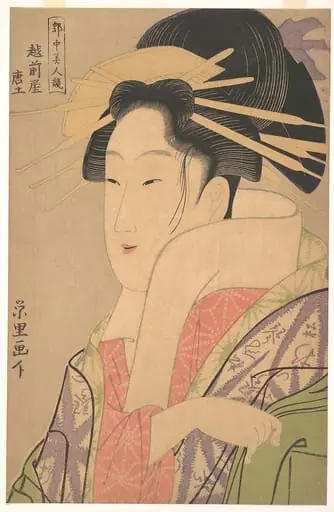 Untitled
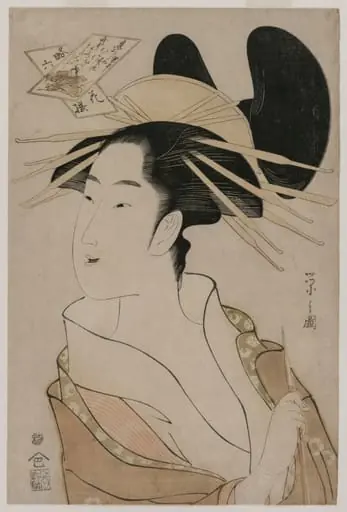 Portrait of a Courtesan Holding a Pipe (from the series The Six Immortal Poets in Modern Dress)
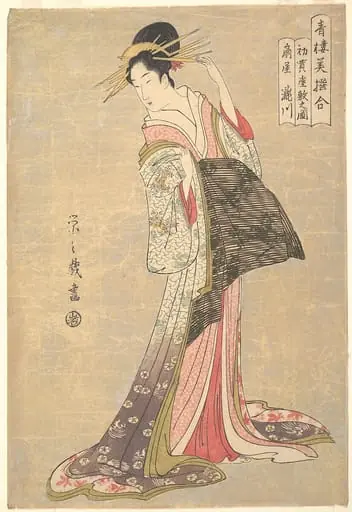 鳥文斎栄之画 「青楼美撰合 初売座敷之図 扇屋滝川」|Takigawa of the Ōgiya Brothel: The First Reception Room Appointment of the New Year (Hatsu-uri zashiki no zu: Ōgiya Takigawa), from the series A Comparison of Selected Beauties of the Pleasure Quarters (Seirō bisen awase)
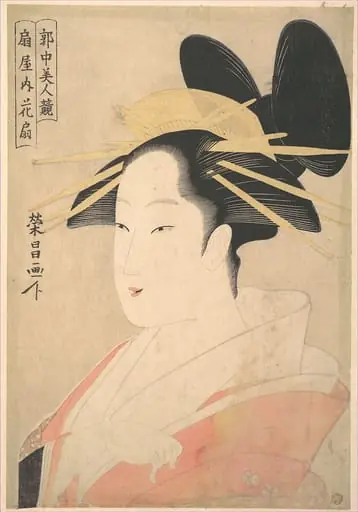 Untitled
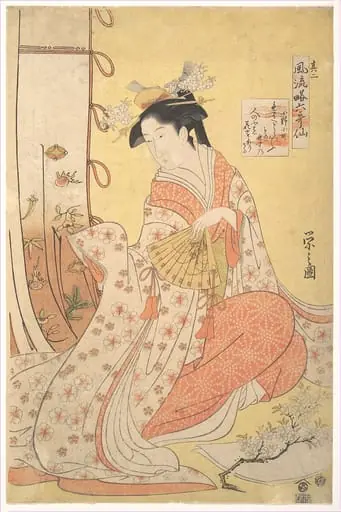 鳥文斎栄之画 「風流略六哥仙 其の二」小野小町|Ono no Komachi: Number Two (Sono ni), from the series Stylish Parodies of the Six Poetic Immortals (Fūryū yatsushi rokkasen)
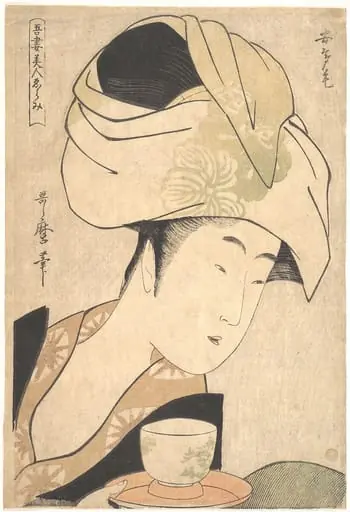 吾妻美人ゑらみ|A Tea-house Waitress
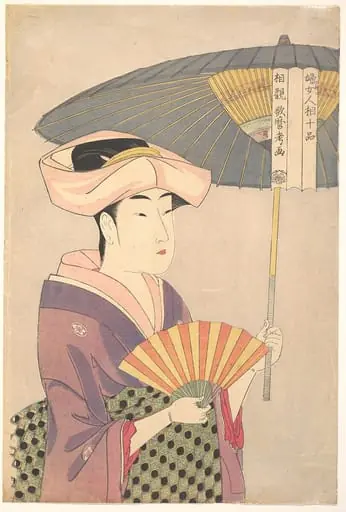 喜多川歌麿画 「婦女人相十品」 日傘を差す女|“Woman Holding Up a Parasol” from the series Ten Classes of Women’s Physiognomy (Fujo ninsō juppen: Higasa o sasu onna)
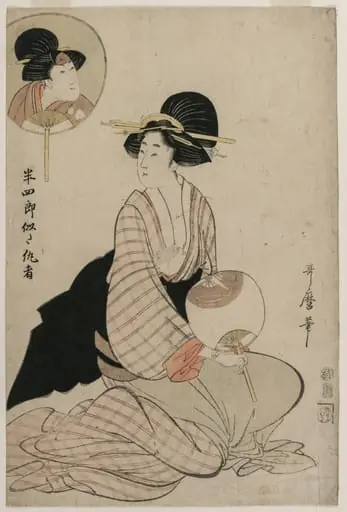 An Attractive Woman Who Looks Like the Actor Iwai Hanshiro V
 Untitled