Artwork
Wensley Dale
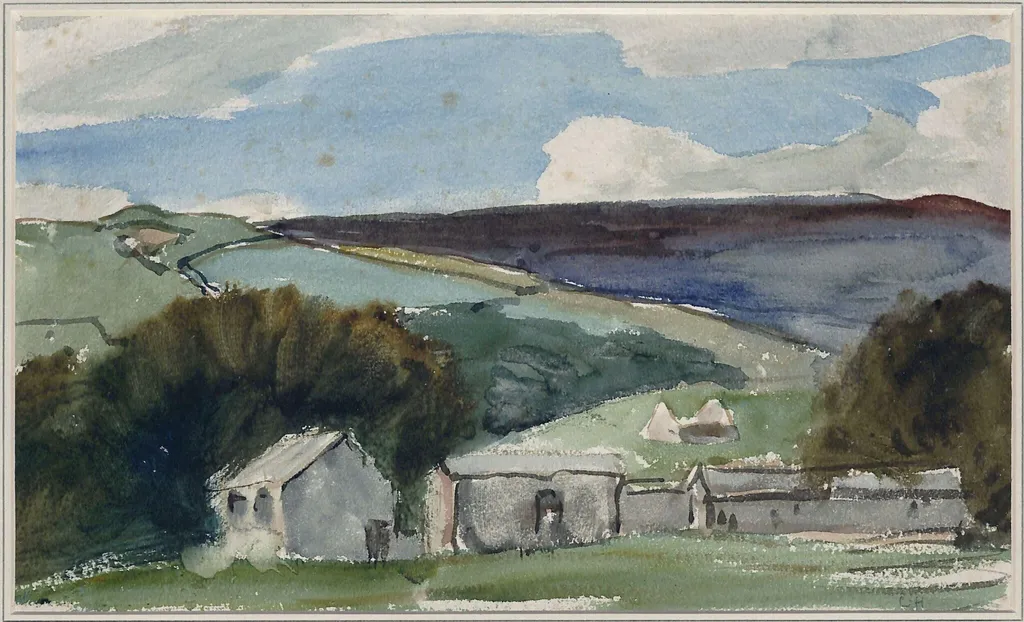
Wensley Dale is a watercolor work on paper by the Impressionist artist Charles Holroyd. It dates from 1900 and is held in the collection of the Victoria and Albert Museum.
About this work
Overview
A watercolour painting from 1900 by Charles Holroyd, titled Wensley Dale, depicts a tranquil rural valley in northern England. The work is signed with the artist’s initials and bears the date of completion. Rendered in loose, fluid brushwork, it captures a quiet moment in the landscape with minimal detail and an emphasis on atmospheric tone.
Subject & Meaning
The scene presents a modest stretch of Wensleydale, featuring two small stone cottages with thatched roofs nestled among trees beside a gently curving river. No human figures are present, reinforcing a sense of solitude and stillness. The composition suggests an intimate observation of everyday rural life, valued for its quiet harmony rather than dramatic grandeur.
Technique & Style
Colours are muted—soft greens, pale blues, and earthy browns—avoiding bold contrasts.
Holroyd employed a watercolour technique characterized by light washes and spontaneous strokes, allowing the paper’s texture to contribute to the effect of light and air. Colours are muted—soft greens, pale blues, and earthy browns—avoiding bold contrasts. The handling reflects an interest in transient light and natural movement, aligning with broader late-nineteenth-century tendencies toward observational immediacy.
History & Provenance
Created in 1900, the work is one of several landscape watercolours Holroyd produced during his travels in northern England. Its survival in private collections suggests it was not widely exhibited, though it reflects his broader engagement with British topographical subjects during a period when watercolour was gaining renewed artistic credibility.
Context
At the turn of the century, British artists increasingly turned to watercolour for its immediacy and portability, moving away from highly finished studio works. Holroyd’s approach echoes contemporaries who sought to capture the essence of place through direct observation, influenced by both traditional English watercolour practices and emerging Impressionist sensibilities.
Legacy
Though not among Holroyd’s most widely known works, this painting exemplifies his commitment to quiet, unembellished landscape observation. It contributes to a body of work that helped sustain watercolour as a serious medium in British art, valued for its honesty and sensitivity to natural conditions rather than theatrical effect.
Own this work as a print
Artist & collection

Artist
Sir Charles Holroyd RE was an English painter, original printmaker and curator during the late Victorian and Edwardian eras up to and including the First World War.

 Sketches made during the Campaign of 1854-55 in the Crimea, Circassia and Constantinople
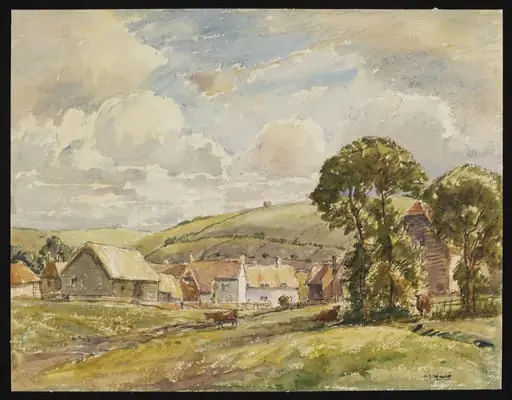 Wishford, Wylye Valley
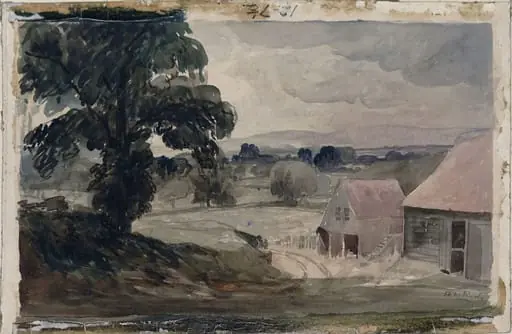 In Danny Park, near Hassocks, Sussex
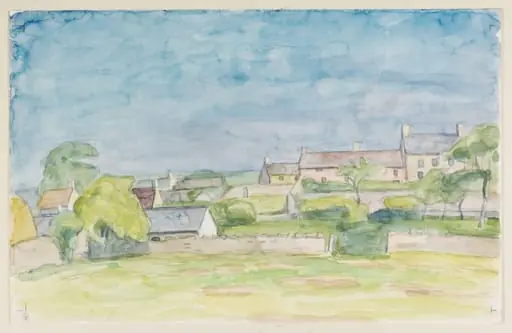 Llysworney, Glamorganshire
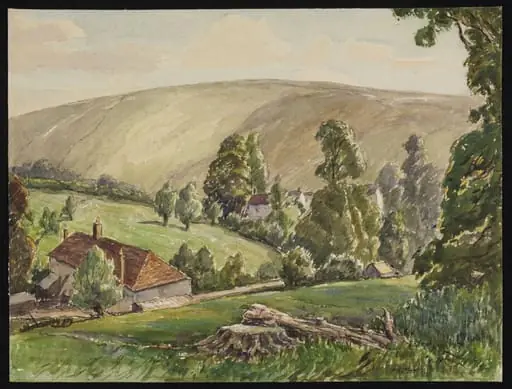 Bowerchalke
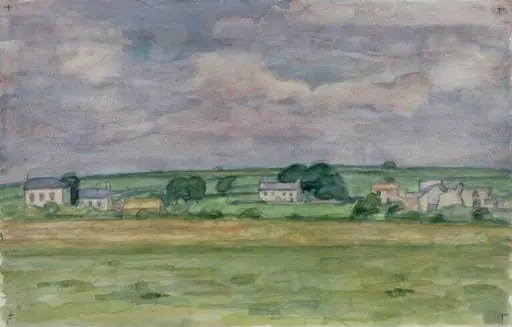 Broughton, Glamorgshire
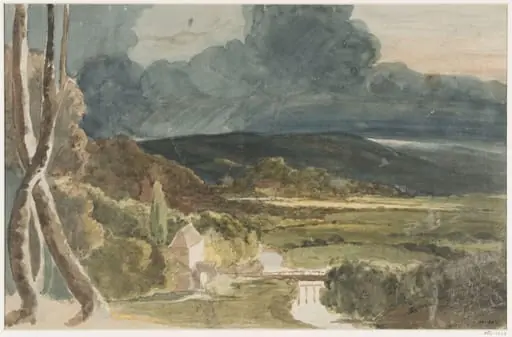 Landscape with river and mountains
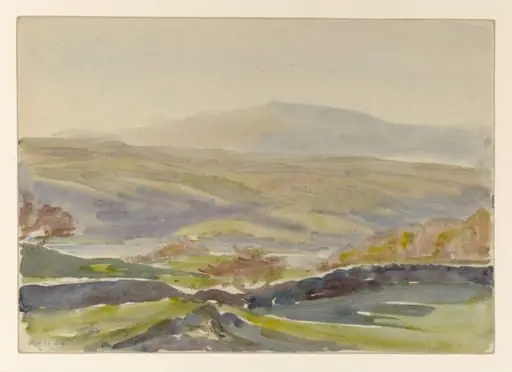 Monk Coniston moor
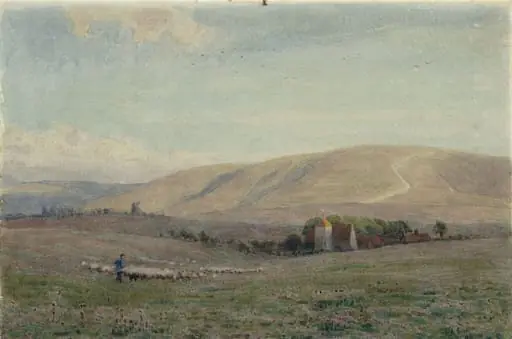 The Downs, near Storrington, Sussex
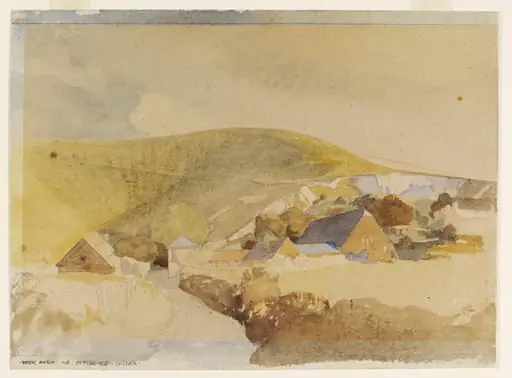 Wick Farm, near Ditchling
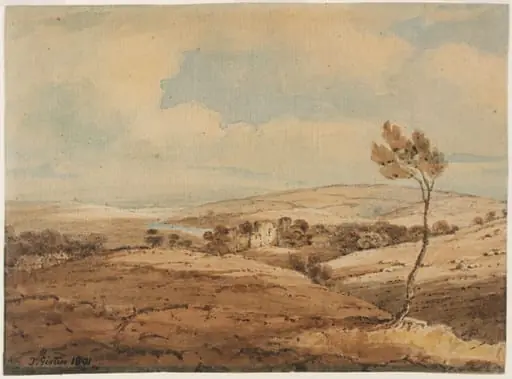 Landscape with ruined castle and river
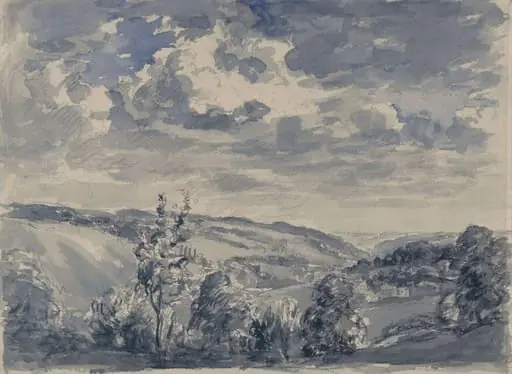 Stroud, Gloucestershire