Artwork
Summer
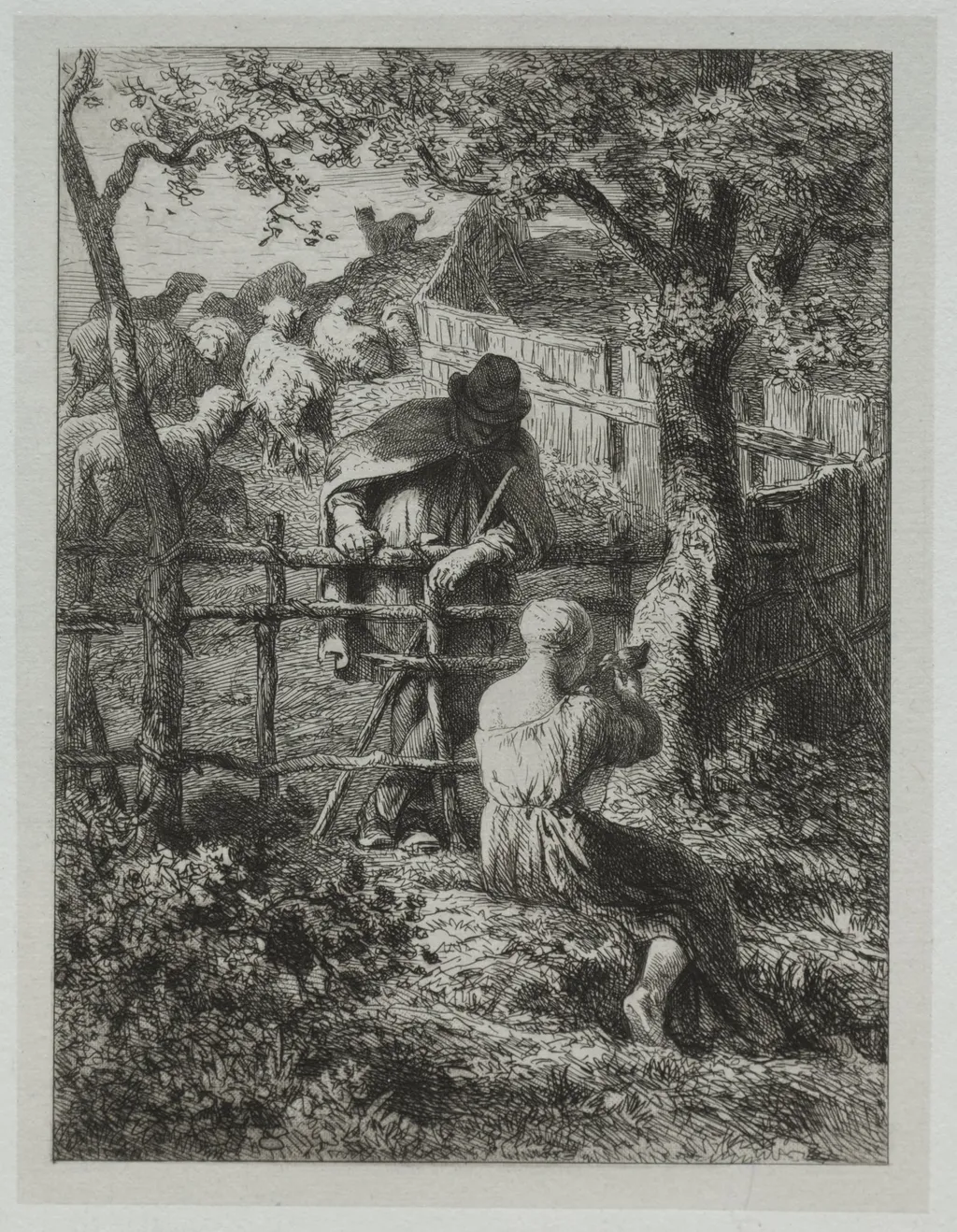
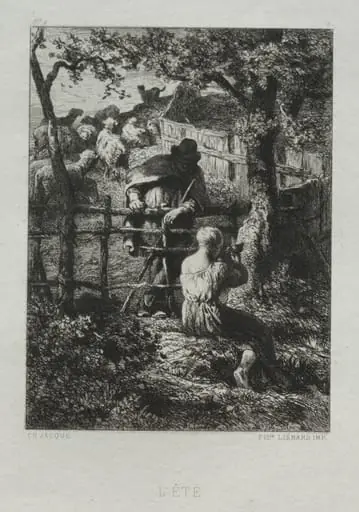
Summer is a print by the Impressionist artist Charles Jacque. It dates from 1864 and is held in the collection of the Cleveland Museum of Art.
About this work
Overview
Charles-Émile Jacque produced *Summer* in 1864 as a black-and-white print, aligning with his broader engagement in printmaking and rural subject matter.
Charles-Émile Jacque produced *Summer* in 1864 as a black-and-white print, aligning with his broader engagement in printmaking and rural subject matter. Though often linked to the Barbizon School, his work here leans toward intimate observation rather than grand landscape. The scene captures a quiet moment in a French village, rendered with careful line work and tonal contrast, emphasizing stillness and domestic routine over dramatic narrative.
Subject & Meaning
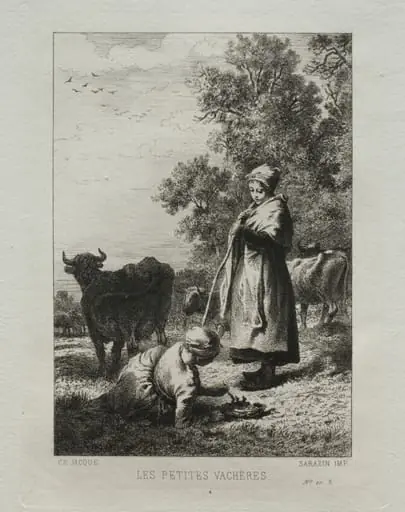
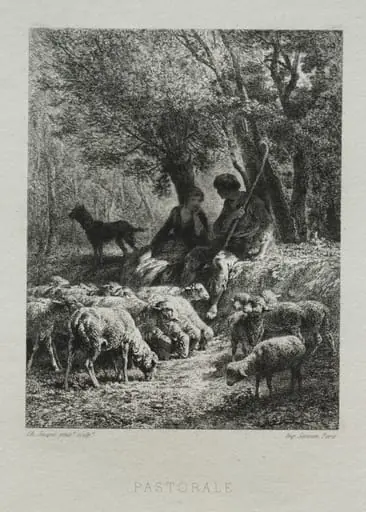
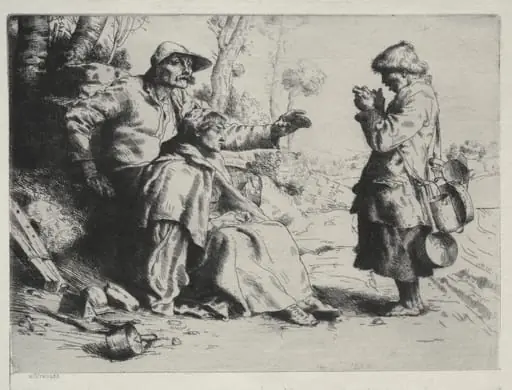
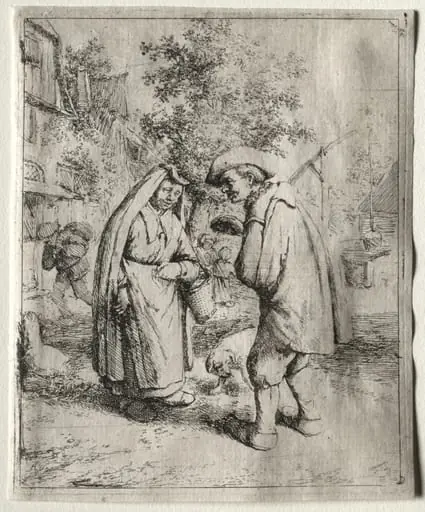
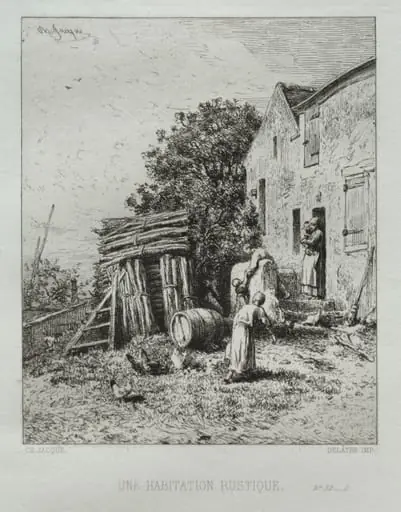
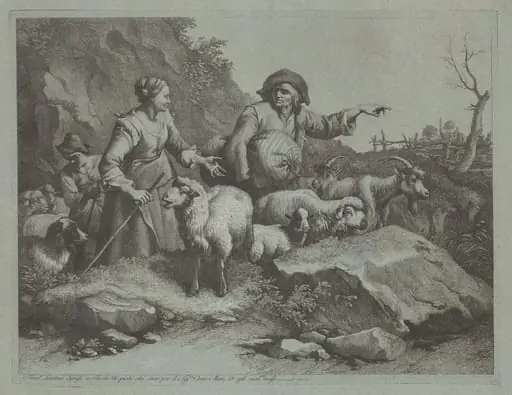
The print portrays a woman seated on a windowsill, gently fanning herself, while a man leans from the window above, broom in hand. Below, a child plays amid scattered flowers, suggesting the languid pace of summer. These unposed figures reflect an interest in ordinary life, free from idealization. The composition invites contemplation of daily rhythms, grounding the viewer in the subtle rhythms of rural existence without overt symbolism.
Technique & Style
Jacque employed fine linear engraving to define forms, using subtle variations in line density to suggest light and texture. The background trees and buildings are rendered with delicate hatching, creating spatial depth without heavy shading. The absence of color focuses attention on gesture and composition, reinforcing the quiet realism of the scene. His technique reflects a printmaker’s precision, rooted in observation rather than theatrical effect.
History & Provenance
Created in 1864, *Summer* emerged during Jacque’s active years in the Barbizon circle, where he collaborated with artists like Millet. While his paintings gained recognition, his prints were widely circulated, reaching broader audiences through illustrated journals and private collections. The work’s survival in institutional holdings suggests its early reception as a representative example of mid-century French graphic art focused on rural life.
Context
In mid-19th-century France, urbanization and industrialization spurred a cultural turn toward rural authenticity. Artists like Jacque responded by documenting everyday scenes outside Paris, rejecting academic grandeur. *Summer* fits within this shift, echoing the Realist movement’s interest in unembellished life. Its quietude contrasts with the dramatic narratives favored by official salons, positioning it as a quiet act of visual resistance.
Legacy
Jacque’s prints, including *Summer*, contributed to the legitimization of printmaking as a serious artistic medium in France. His focus on humble subjects influenced later generations of Realist and Naturalist artists. Though less celebrated than his contemporaries, his work remains a quiet testament to the value found in ordinary moments, preserving a visual record of rural France’s daily rhythms.
Artist & collection
Artist
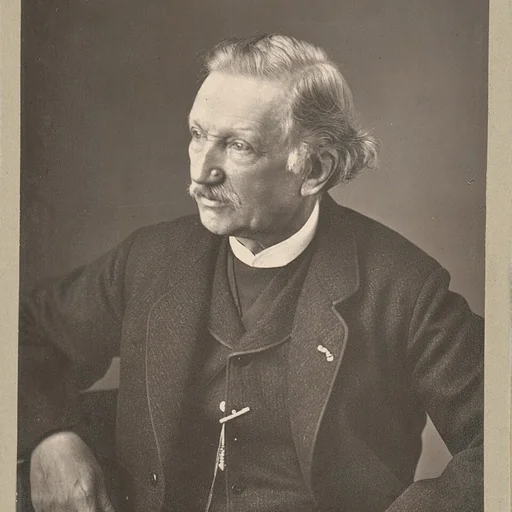
Charles-Émile Jacque (23 May 1813 – 7 May 1894) was a French painter of Pastoralism and engraver who was, with Jean-François Millet, part of the Barbizon School. He first learned to engrave maps when he spent seven years in the French Army.