Artwork
Mohamed Ali Khan Walejah, 1717–1795. Nawab of the Carnatic
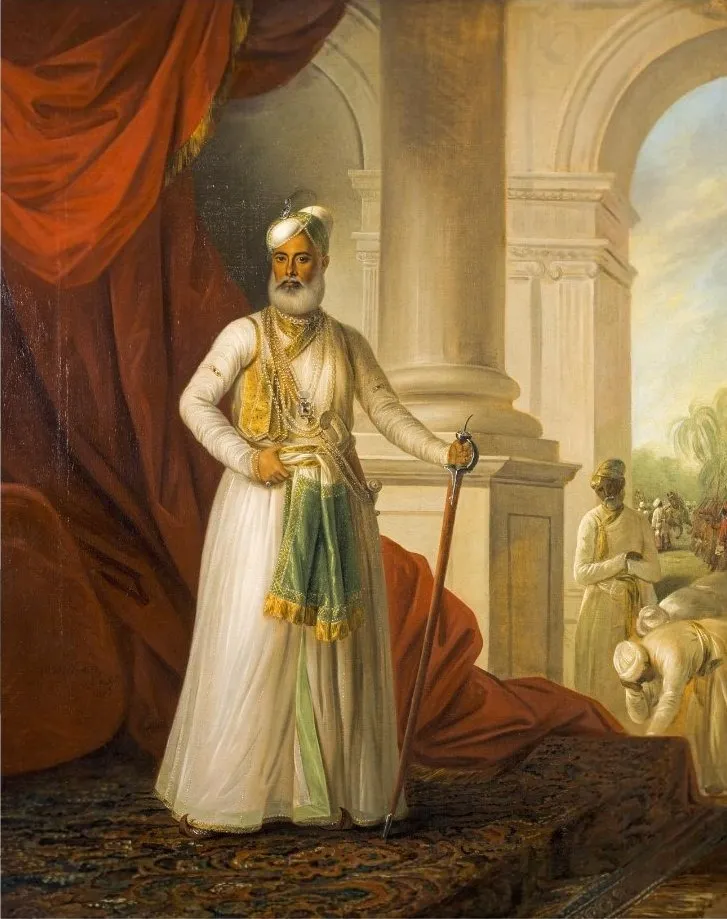
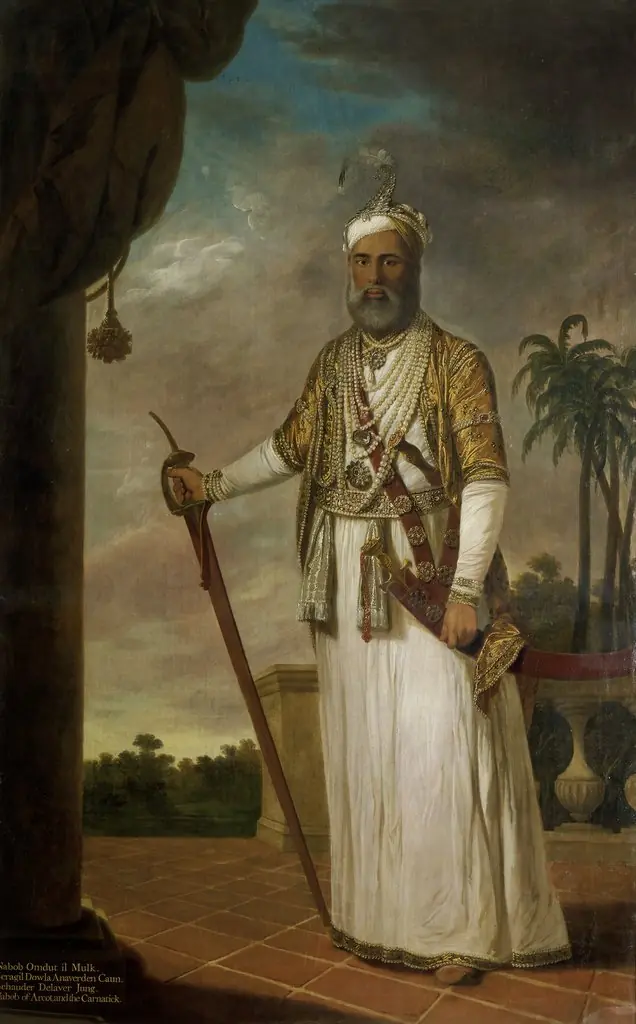
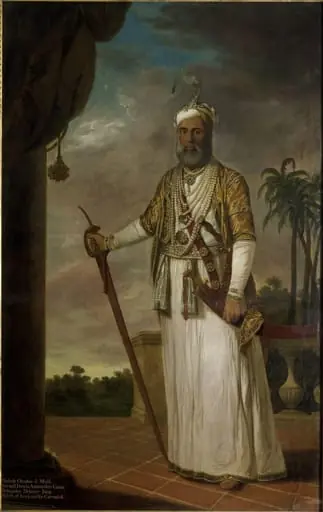
Mohamed Ali Khan Walejah, 1717–1795. Nawab of the Carnatic is an oil painting by the Rococo painting artist George Willison. It dates from 1789 and is held in the collection of the Scottish National Gallery.
About this work
Overview
Commissioned during a period of shifting political alliances in South India, the work reflects the Nawab’s engagement with European artistic conventions.
Painted in 1789 by British artist George Willison, this oil portrait captures Muhammad Ali Khan Wallajah, the Nawab of the Carnatic. Commissioned during a period of shifting political alliances in South India, the work reflects the Nawab’s engagement with European artistic conventions. It resides today in the Scottish National Gallery, where it stands as one of the few surviving formal portraits of an Indian ruler by a Western artist of the era.
Subject & Meaning
The Nawab is depicted standing formally, clad in a white robe adorned with gold embroidery, a white turban, and a sword at his side. His posture conveys authority without aggression, blending Mughal courtly dignity with European portraiture norms. The inclusion of a sword suggests martial leadership, while the landscape behind hints at his territorial domain. The composition avoids overt symbolism, favoring restrained grandeur appropriate to a ruler navigating colonial pressures.
Technique & Style
Willison employs a polished, linear style typical of 18th-century British portraiture, with careful attention to fabric texture and light modulation. The red curtain and patterned rug create depth, while the distant landscape—featuring palm trees and figures—is rendered with loose brushwork, contrasting the sharp detail of the figure. The palette is restrained, emphasizing white and gold against muted earth tones, reinforcing the subject’s composure and status.
History & Provenance
Commissioned during Muhammad Ali Khan Wallajah’s reign, the portrait likely served diplomatic or personal purposes, possibly to affirm his status to British officials. It entered the Scottish National Gallery’s collection in the 19th century, having passed through private British hands. Its survival is notable, as few such portraits of Indian rulers by Western artists were preserved in Europe during this period.
Context
Painted during British East India Company expansion, the portrait reflects the Nawab’s complex position: maintaining autonomy while engaging with colonial powers. Willison, a Scottish artist active in India, was among the few Europeans to receive commissions from Indian royalty. The work embodies a cultural negotiation—Indian subjecthood framed through European visual language, revealing the tensions and adaptations of the era.
Legacy
The portrait remains a rare visual record of an Indian ruler portrayed by a Western artist during the late 18th century. It contributes to scholarly understanding of cross-cultural representation and the role of art in political diplomacy. While not widely exhibited, it continues to inform studies on colonial portraiture and the agency of Indian elites in shaping their public image.
Artist & collection

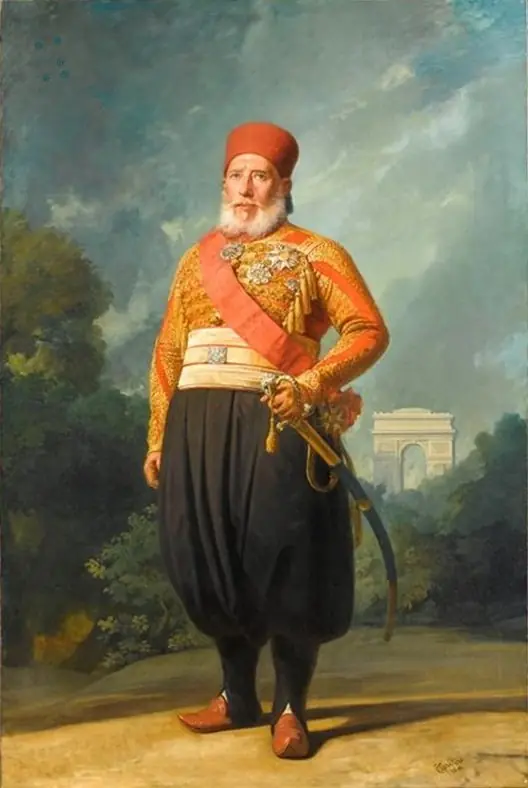 Portrait of Ibrahim Pasha of Egypt (1789–1848)
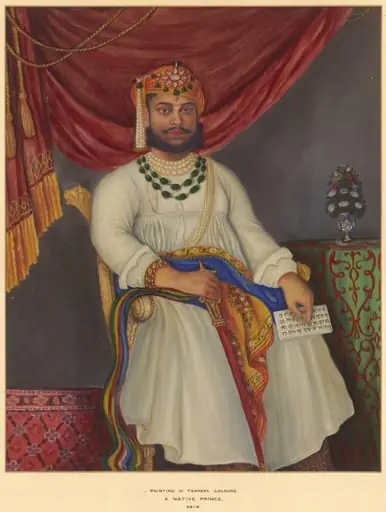 Portrait of Tukoji II, the Maharaja Holkar of Indore, seated under a looped crimson curtain.
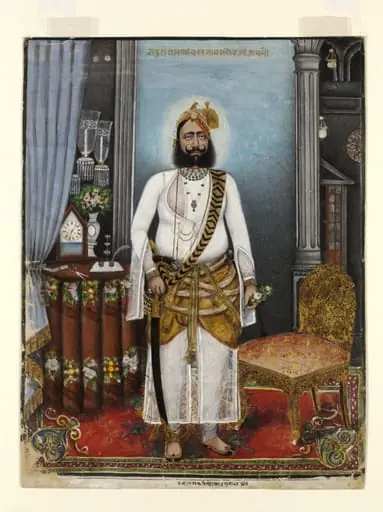 Portrait of Thakur Raja Bakhtawar Singh, standing in a European-style interior.
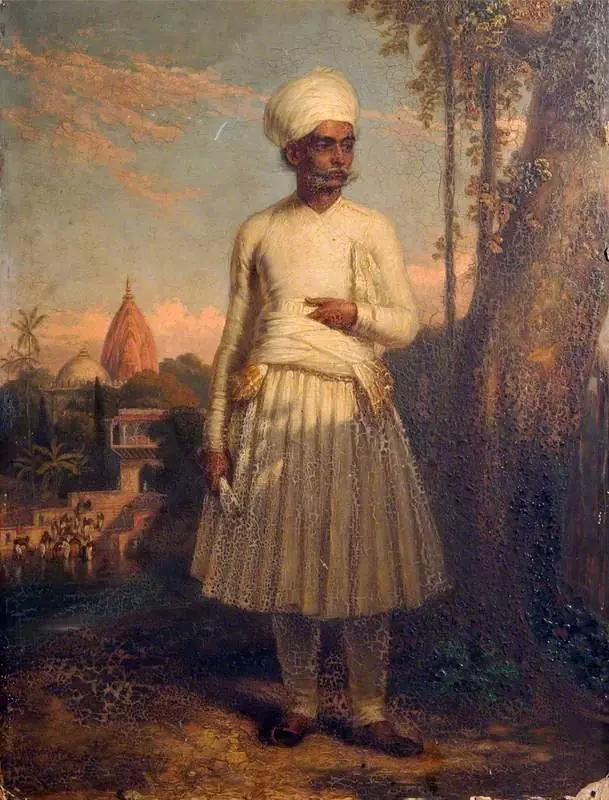 Samuldass Dessaye of Neriad in Guzerat
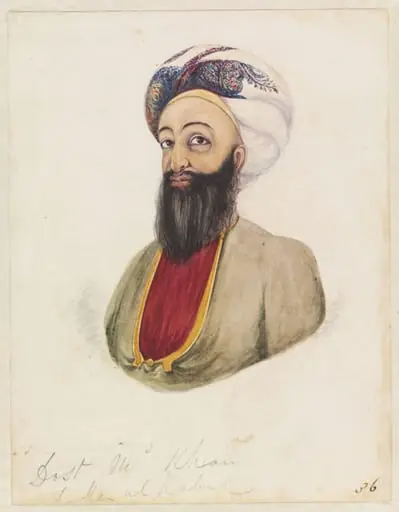 Dost Md Khan taken at Kabul
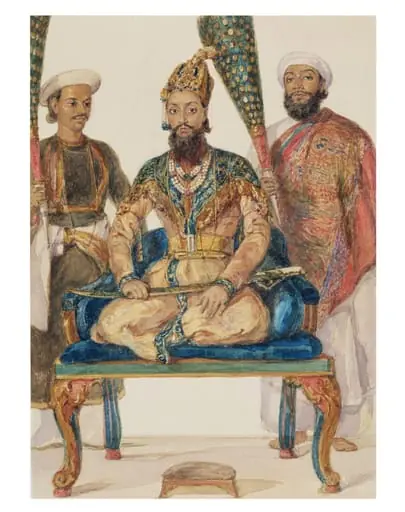 Prince Fakhr-ud Din Mirza
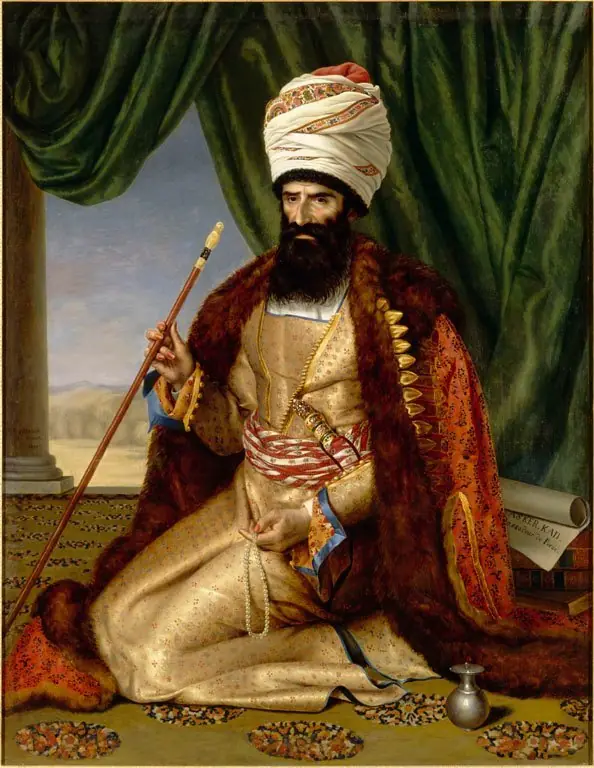 Asker-Khan, ambassadeur de Perse à Paris en 1808