Artwork
The Coat with a Fur Lining
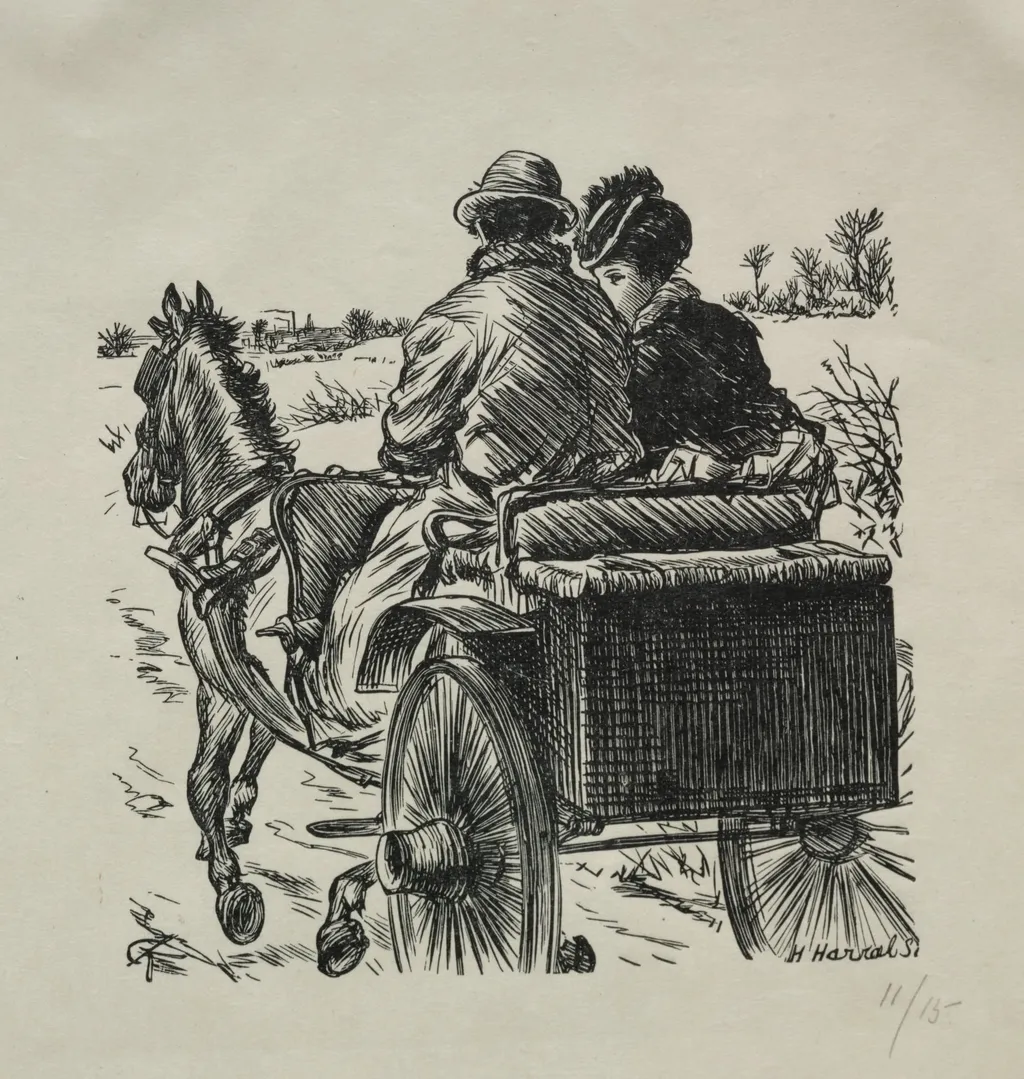
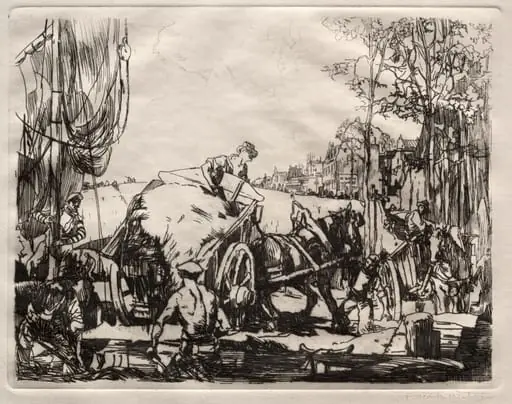
The Coat with a Fur Lining is a print by the Impressionist artist Charles Samuel Keene. It dates from 1869 and is held in the collection of the Cleveland Museum of Art.
About this work
Overview
The Cleveland Museum of Art holds the work, which reflects Keene’s interest in everyday scenes rather than grand narratives.
Created in 1869 by Charles Samuel Keene, this print captures a fleeting moment on a winter road. Executed in ink, it depicts two figures in a horse-drawn cart, their forms rendered with rapid, economical lines. The Cleveland Museum of Art holds the work, which reflects Keene’s interest in everyday scenes rather than grand narratives. Its unfinished quality suggests spontaneity, as if drawn on the spot during a brief observation.
Subject & Meaning
The scene portrays two anonymous travelers bundled against the cold, seated in a modest cart. No faces or hands are detailed, emphasizing anonymity and the universality of the moment. The focus on posture and movement, rather than identity, suggests a quiet dignity in ordinary life. The work avoids sentimentality, presenting its subjects as part of a larger, unremarkable rhythm of rural travel.
Technique & Style
Keene employed loose, gestural ink lines to suggest form and motion, avoiding precise contours or shading. The horse, cart, and figures are implied rather than fully defined, with background elements like trees and a fence reduced to minimal strokes. This sketchlike approach prioritizes immediacy over finish, aligning with 19th-century observational drawing practices that valued spontaneity over polish.
History & Provenance
The print was produced during Keene’s active period as a illustrator for British periodicals, where such quick studies often served as preparatory sketches. It entered the Cleveland Museum of Art’s collection through established acquisition channels, likely as part of a broader interest in Victorian graphic art. Its survival as a standalone print reflects its value as a document of artistic process rather than a commercial product.
Context
In the late 1860s, British artists increasingly turned to scenes of daily life, influenced by French Realism and the rise of illustrated journalism. Keene’s work fits within this trend, capturing transient moments with a sense of quiet observation. Unlike formal portraiture, this piece embraces imperfection and haste, mirroring the pace of modern life and the growing appeal of visual immediacy.
Legacy
Keene’s approach influenced later illustrators and printmakers who valued expressive line over detail. While not widely exhibited today, this work remains a representative example of how 19th-century artists used sketching to bridge observation and artistic expression. Its understated quality continues to resonate with viewers interested in the poetry of the mundane.
Artist & collection

Artist
Charles Samuel Keene (10 August 1823 – 4 January 1891) was an English artist and illustrator, who worked in black and white.

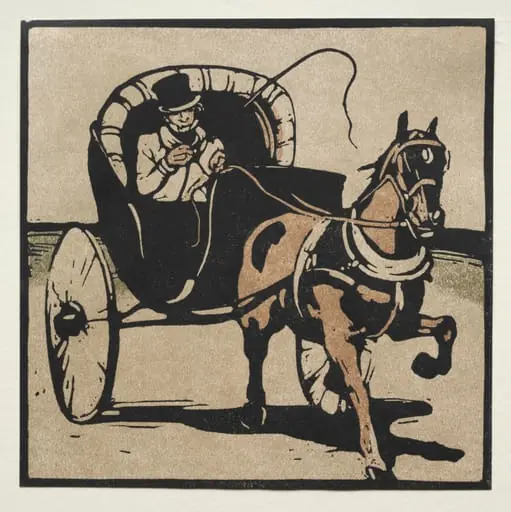 The Cabriolet
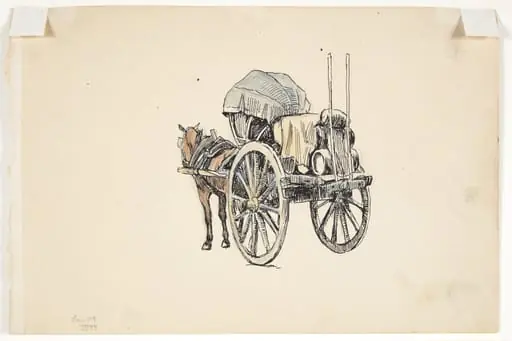 Italiensk fragtvogn
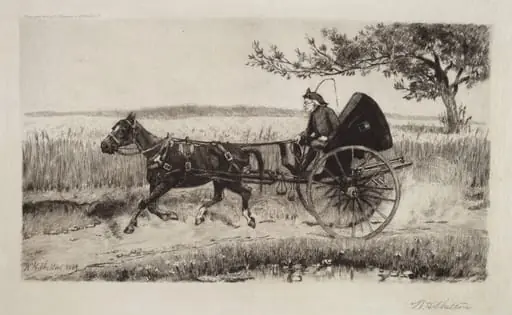 The One Hoss Shay
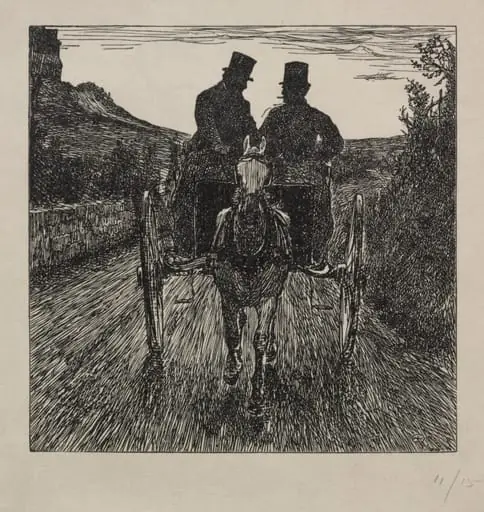 Why the Pifflers Lost their Return Match
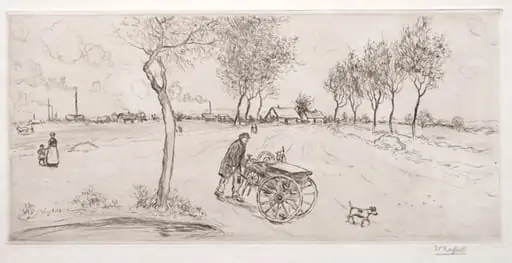 The Knifesharpener
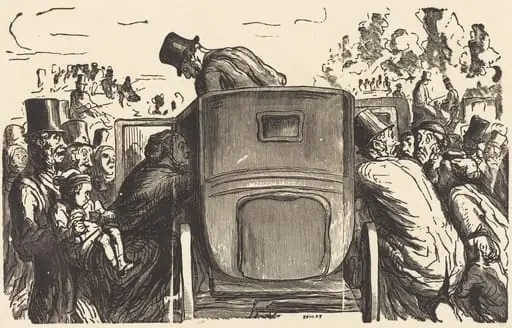 Exposition universelle: L'Etranger trouve toutes les facilites desirables...
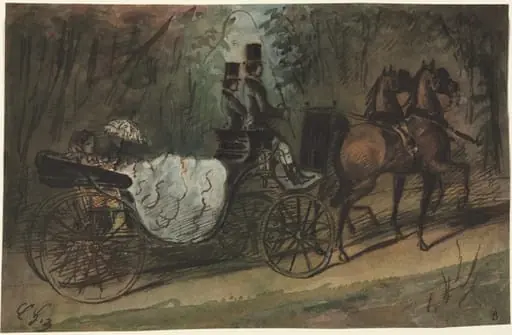 Carriage in the Bois de Boulogne
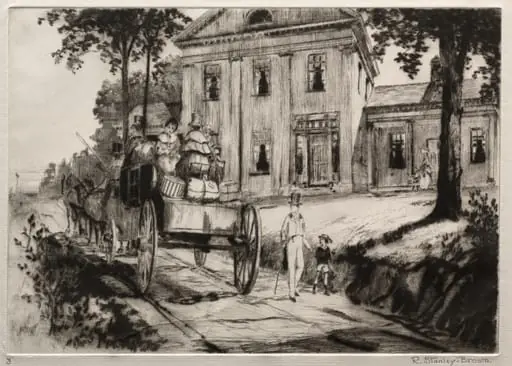 The Thirties
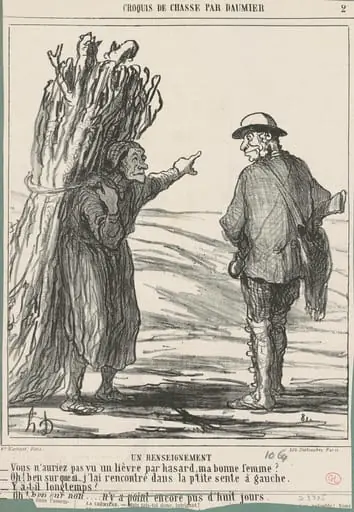 Un renseignement
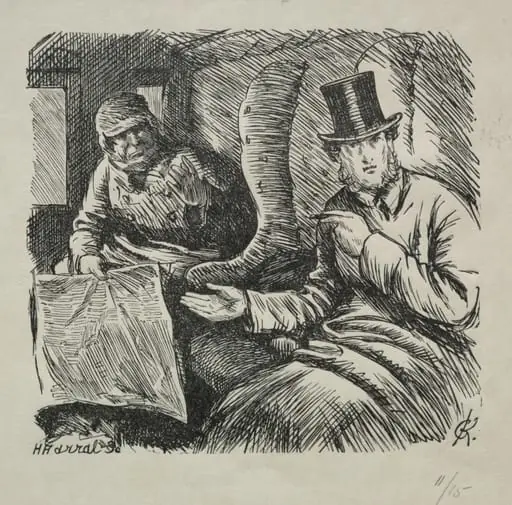 Smoking Strictly Prohibited
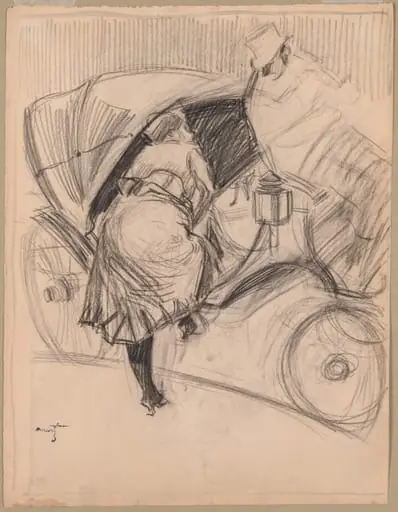 Woman Entering a Fiacre (recto)
 Port at Low Tide