Artwork
Untitled
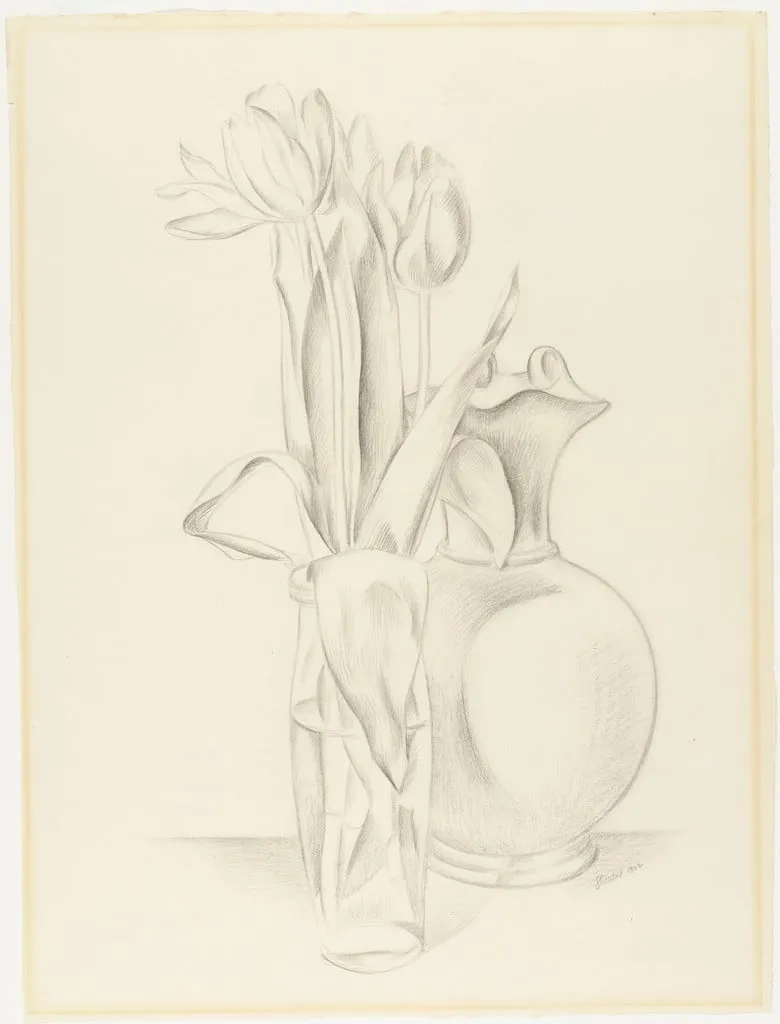
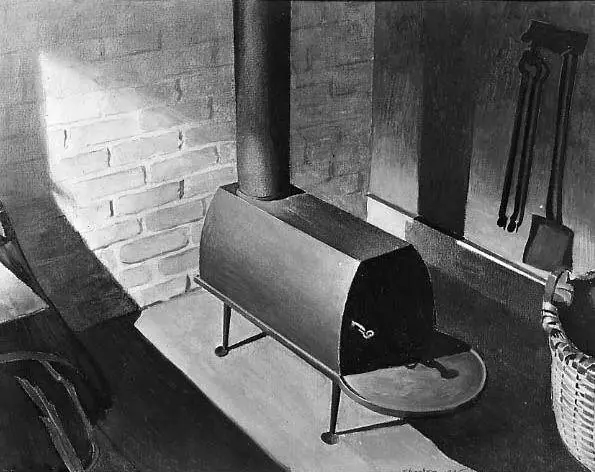
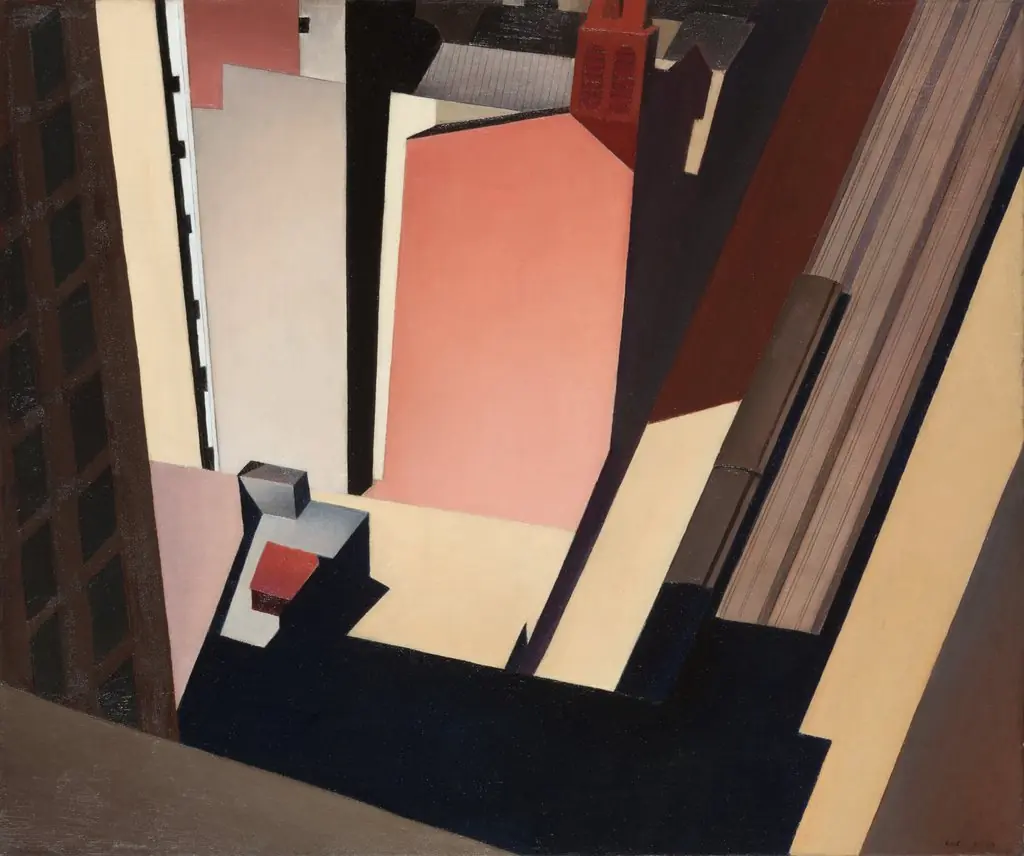
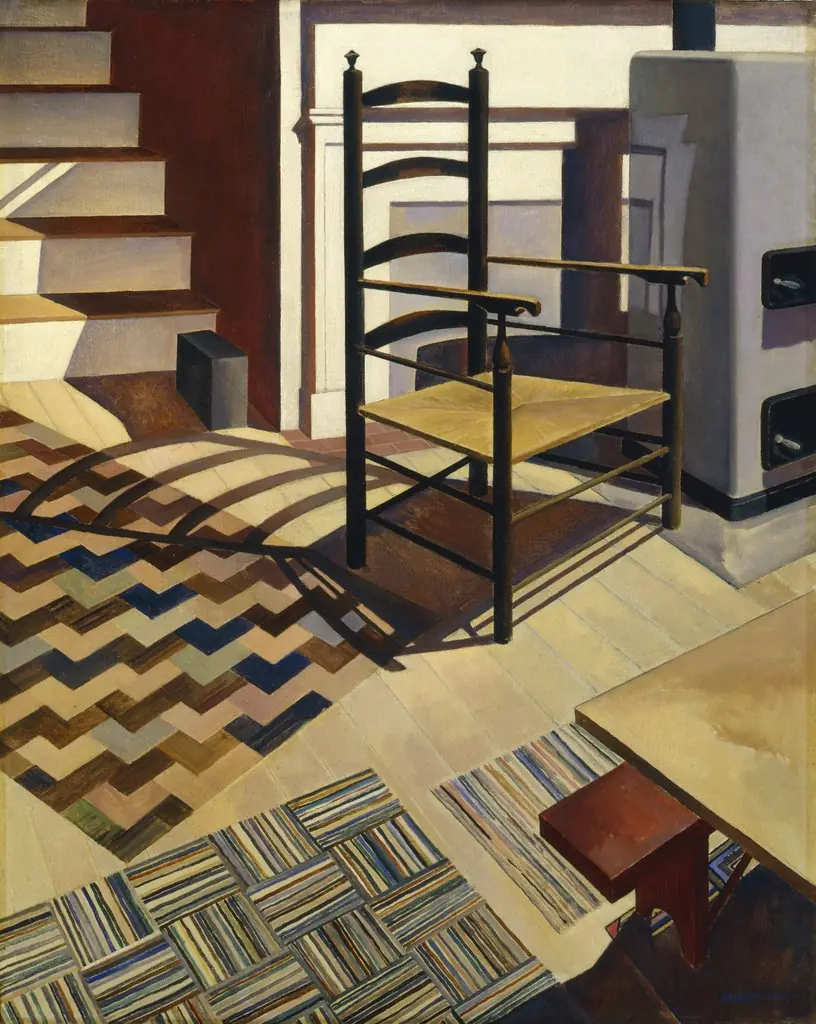
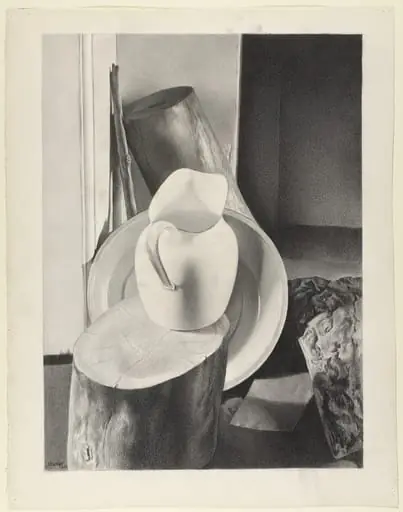
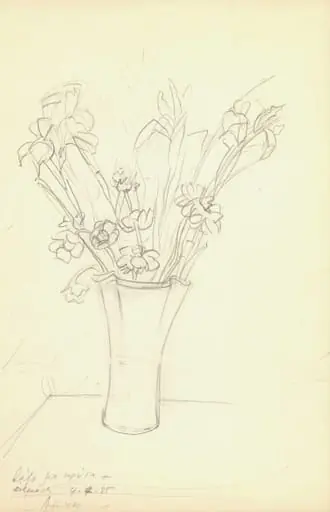
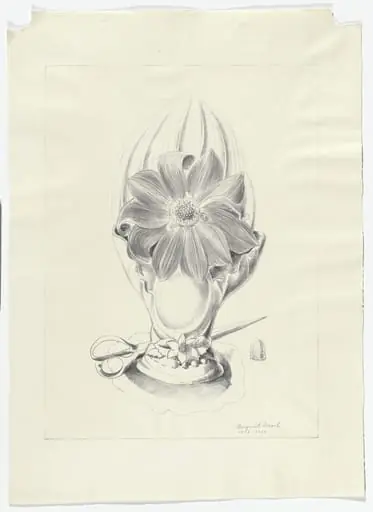
Untitled is a graphite drawing by Charles Sheeler. It dates from 1922 and is held in the collection of the Museum of Modern Art.
About this work
Overview
Charles Sheeler created this pencil drawing in 1922 as a quiet study in form and light. Executed on paper, the work belongs to a period when he was refining his approach to structure and surface, moving between photography and drawing. Though modest in scale, it reveals his interest in clarity and order, themes that would define his broader artistic practice.
Subject & Meaning
The composition features a tall vase containing lily pads and a single flower, alongside a pitcher on the right. These domestic objects are arranged with deliberate stillness, suggesting contemplation rather than narrative. Sheeler treats them not as symbols of nature or abundance, but as geometric forms—emphasizing their presence through careful observation rather than emotional expression.
Technique & Style
Sheeler employed precise pencil lines and subtle shading to define volume and texture. Cross-hatching and graded tones model the surfaces without overt drama, creating a sense of solidity. The smooth, controlled strokes reflect his training in commercial illustration and his affinity for mechanical clarity, aligning with Precisionist ideals while avoiding overt industrial imagery.
History & Provenance
The drawing entered the collection of The Museum of Modern Art as part of its early commitment to American modernism. It was likely acquired in the decades following its creation, reflecting institutional interest in Sheeler’s role in bridging fine art and industrial aesthetics. Its preservation underscores its significance as a personal yet representative work from his formative years.
Context
In the early 1920s, American artists were redefining subject matter in response to urbanization and technological change. Sheeler, alongside peers like Charles Demuth, turned to ordinary objects and architecture as subjects worthy of rigorous formal treatment. This drawing, though intimate, participates in that broader shift toward a distilled, modern visual language.
Legacy
Though less known than his industrial paintings, this drawing illustrates Sheeler’s consistent pursuit of clarity and structure. It reveals how his precision extended beyond machinery to everyday forms, influencing later generations interested in minimalism and the aesthetic potential of the ordinary. The work remains a quiet testament to his disciplined approach to seeing.
Artist & collection
Artist
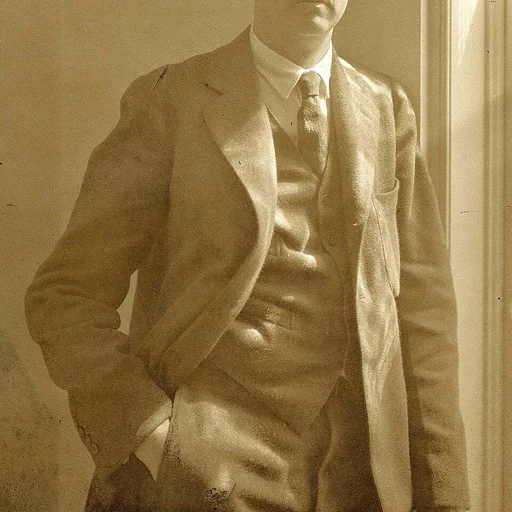
Charles Sheeler (July 16, 1883 – May 7, 1965) was an American artist known for his Precisionist paintings, commercial photography, and the 1921 avant-garde film, Manhatta, which he made in collaboration with Paul Strand.