Artwork
The Shattered Statue of the Duke of Alva Being Dragged Through the Streets
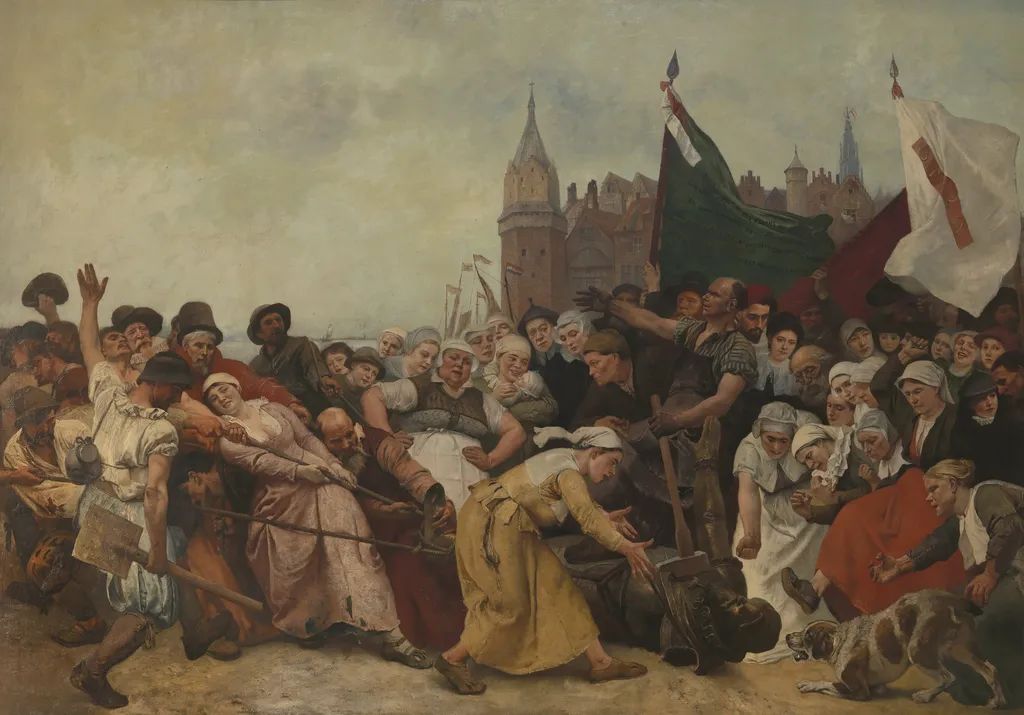
The Shattered Statue of the Duke of Alva Being Dragged Through the Streets is an oil painting by the Post-Impressionist artist Charles Verlat. It is held in the collection of the Royal Museum of Fine Arts Antwerp.
About this work
Overview
Painted in 1894 by Belgian artist Charles Verlat, this oil-on-canvas work captures a moment of popular uprising during the Dutch Revolt. Verlat, known for his varied subject matter and leadership at the Antwerp Academy, rendered the scene with dramatic intensity. The painting is part of the Royal Museum of Fine Arts Antwerp’s collection, reflecting its significance in Belgian historical art.
Subject & Meaning
His image, broken and dragged by a mob, symbolizes the collapse of authoritarian power and the public’s violent rejection of oppression.
The painting illustrates the toppling of a statue honoring Fernando Álvarez de Toledo, the Duke of Alva, a Spanish governor notorious for his harsh rule over the Netherlands. His image, broken and dragged by a mob, symbolizes the collapse of authoritarian power and the public’s violent rejection of oppression. The scene is not a literal record but a symbolic representation of rebellion and collective justice.
Technique & Style
Verlat employed a robust, expressive brushwork typical of late 19th-century academic painting, with strong contrasts of light and shadow to heighten the drama. Figures are rendered with muscular clarity, and the chaotic composition directs the viewer’s eye toward the central statue. The use of chiaroscuro emphasizes the emotional weight of the moment, grounding the scene in realism while amplifying its theatricality.
History & Provenance
Commissioned and completed in 1894, the painting entered the Royal Museum of Fine Arts Antwerp’s collection shortly after its creation. It reflects a period in Belgium when historical narratives of resistance were being reexamined, particularly those tied to the broader Low Countries’ struggle against foreign domination. The work’s acquisition by a major public institution signals its recognized cultural relevance at the time.
Context
The Dutch Revolt against Spanish rule in the 16th century remained a potent symbol of national identity in 19th-century Belgium. Verlat’s depiction draws on this legacy, aligning with contemporary European trends that celebrated popular uprisings as moral victories. The painting resonated with audiences familiar with recent revolutions and shifting political landscapes across the continent.
Legacy
While not widely exhibited beyond Belgium, the painting endures as a documented example of how historical trauma was visually reinterpreted in the late 19th century. It contributes to a broader corpus of academic works that used dramatic historical scenes to explore themes of power, memory, and civic resistance, influencing later generations of Belgian painters engaged with national identity.
Own this work as a print
Artist & collection
Artist
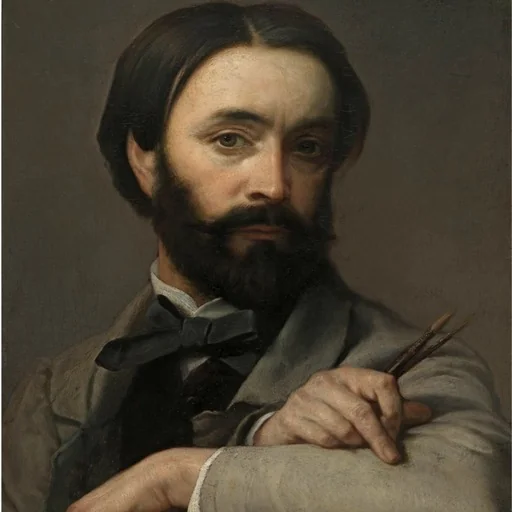
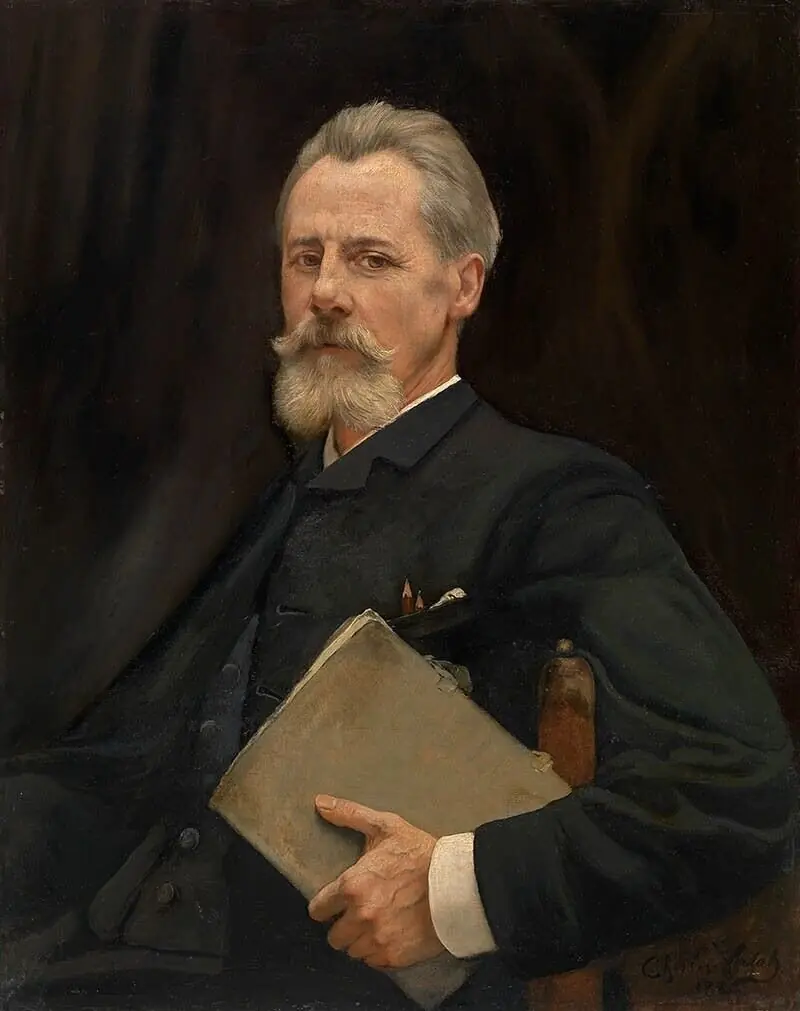
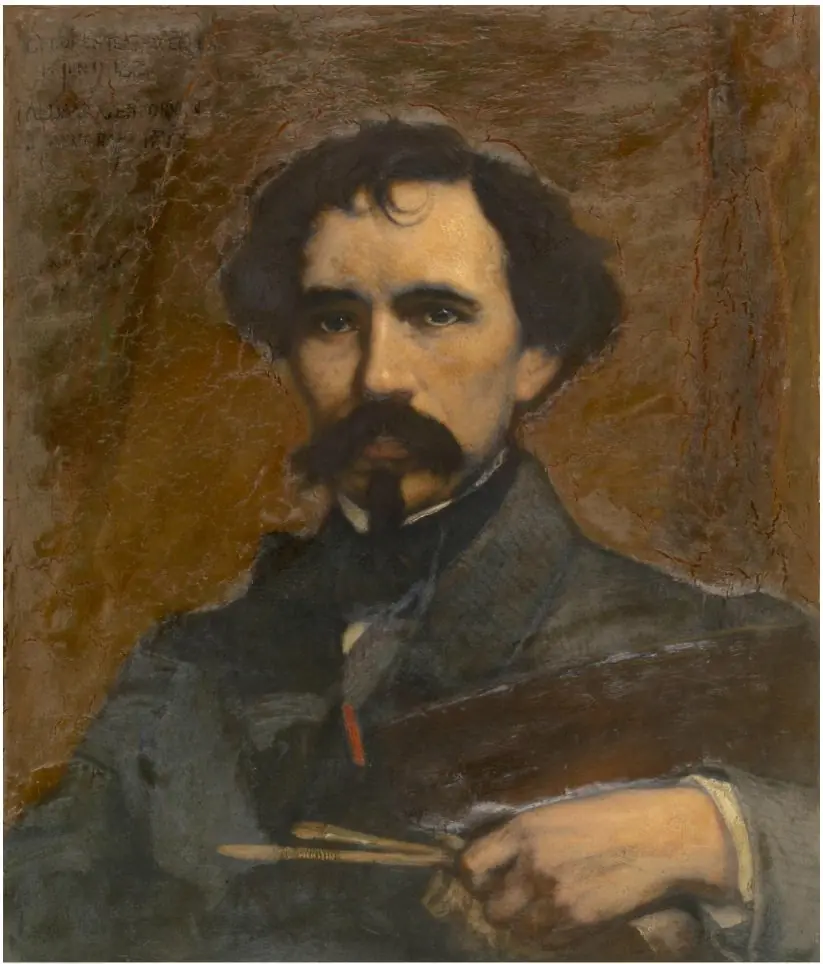
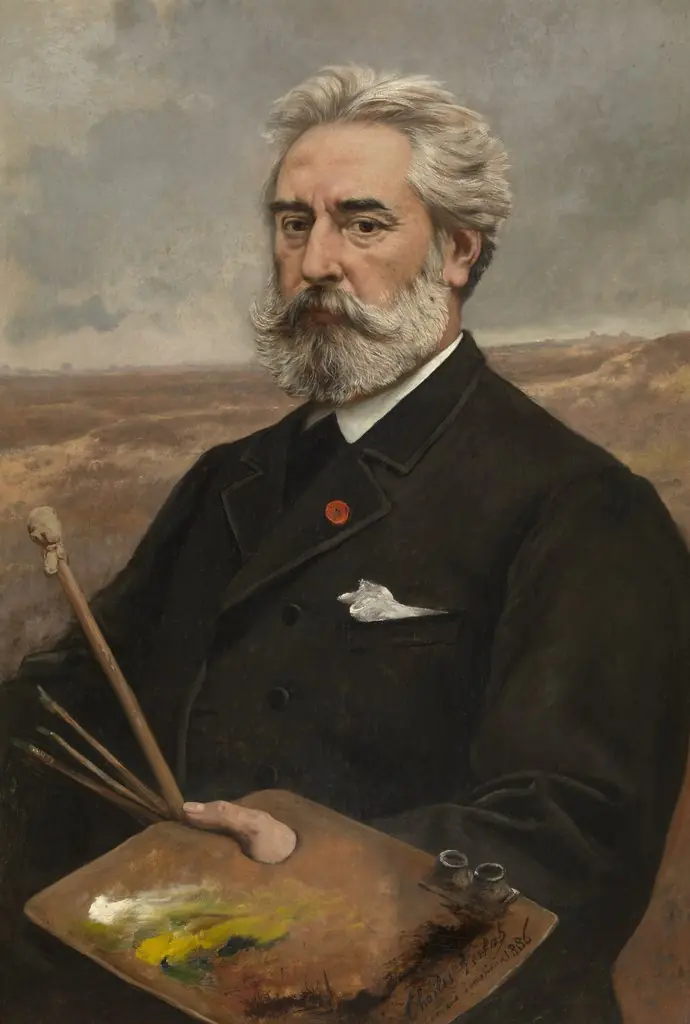
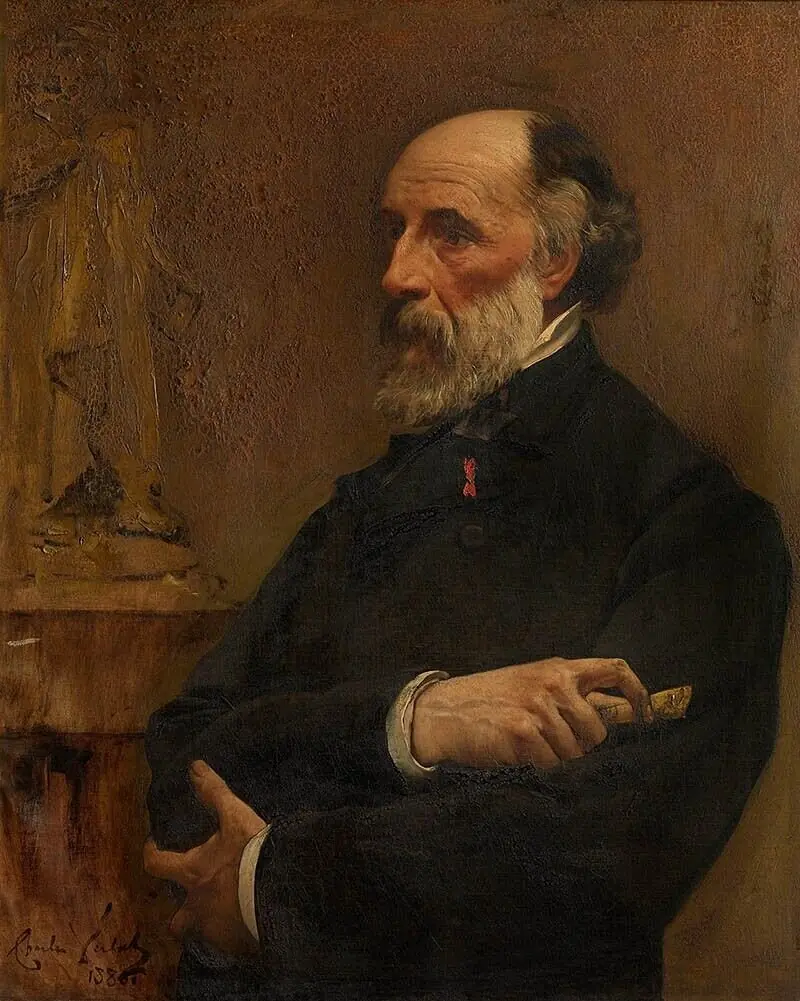
Charles Verlat or Karel Verlat (25 November 1824 – 23 October 1890) was a Belgian painter, watercolorist, engraver (printmaker), art educator and director of the Antwerp Academy.

 The enemy approaches
 The Spanish Fury in Antwerp
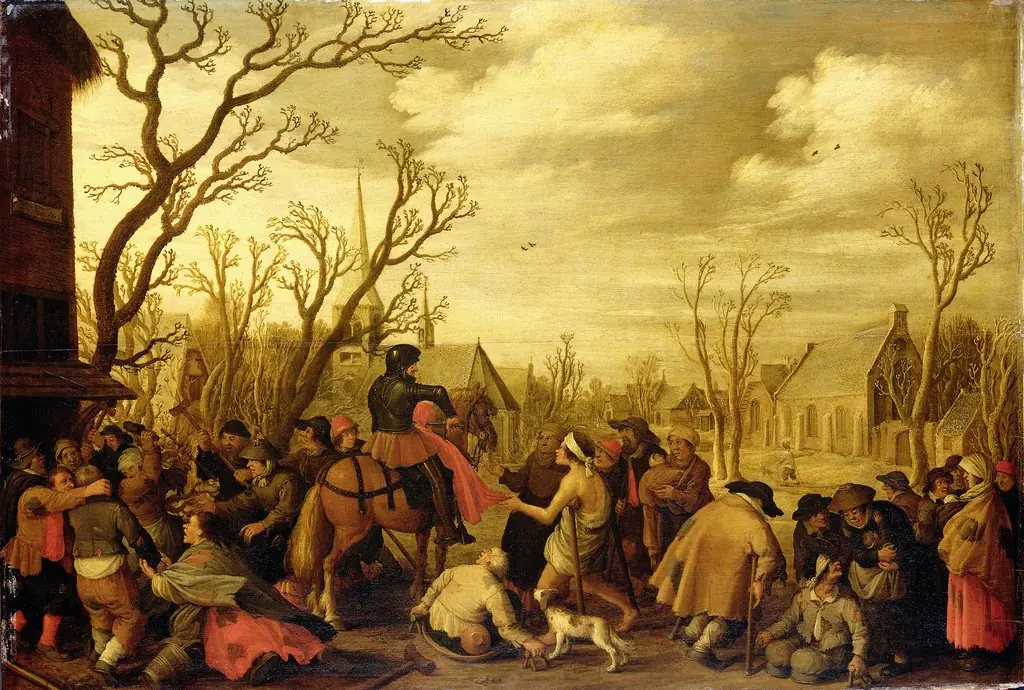 St Martin cutting off part of his cloak for a beggar
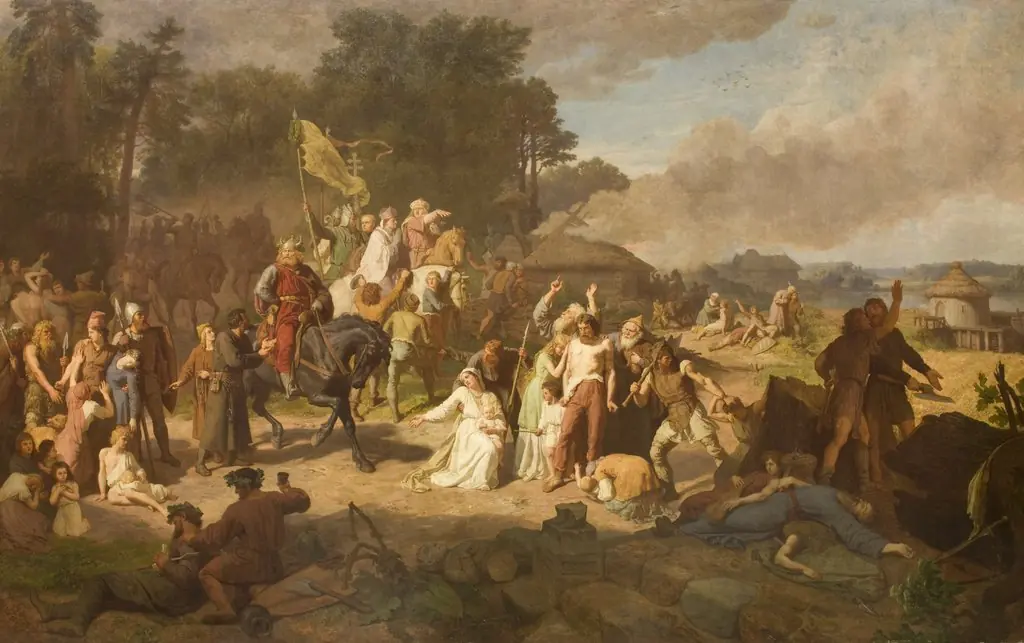 Opłakane apostolstwo
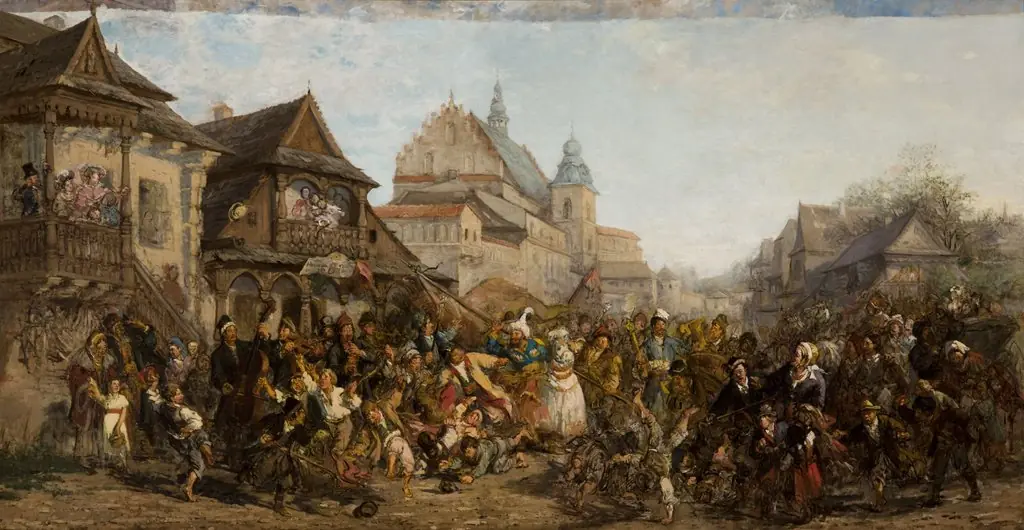 Zwierzyniec Hobby-Horse
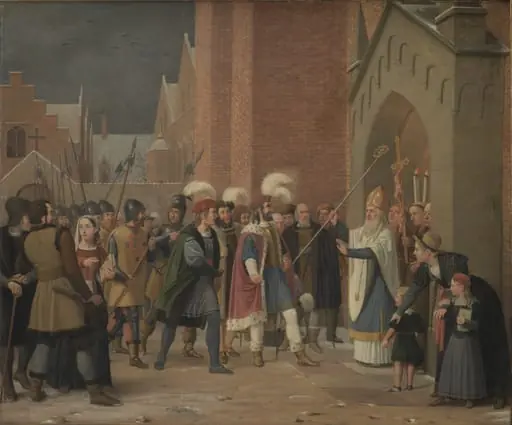 Svend Estridsen and Bishop Vilhelm
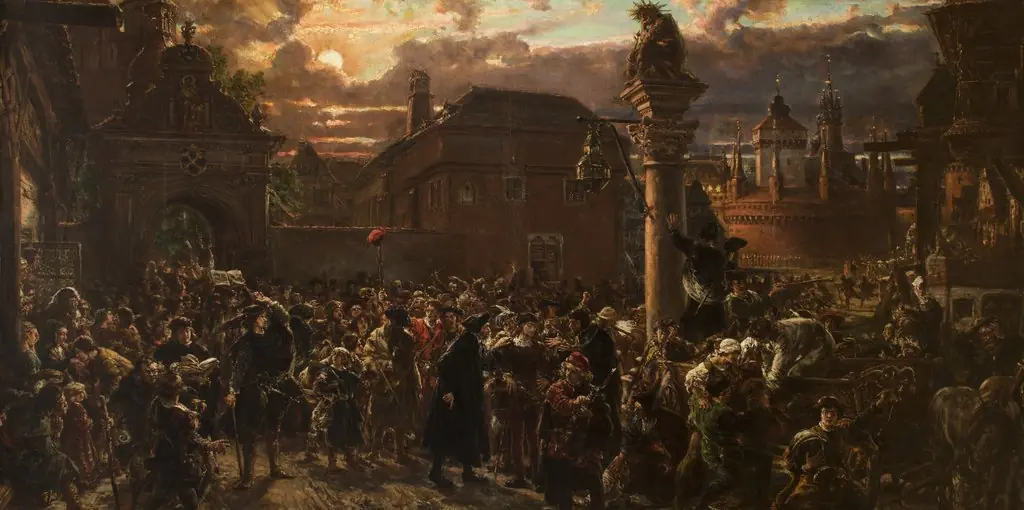 Students Leaving Krakow in 1549
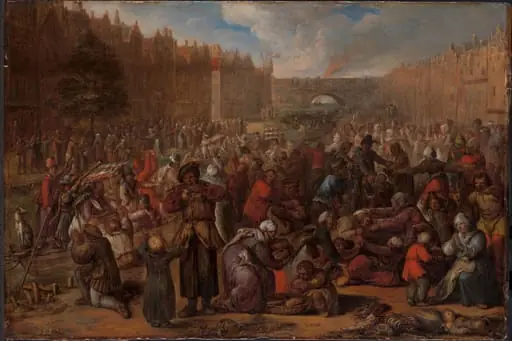 De hongerende bevolking na de opheffing van het beleg van Leiden
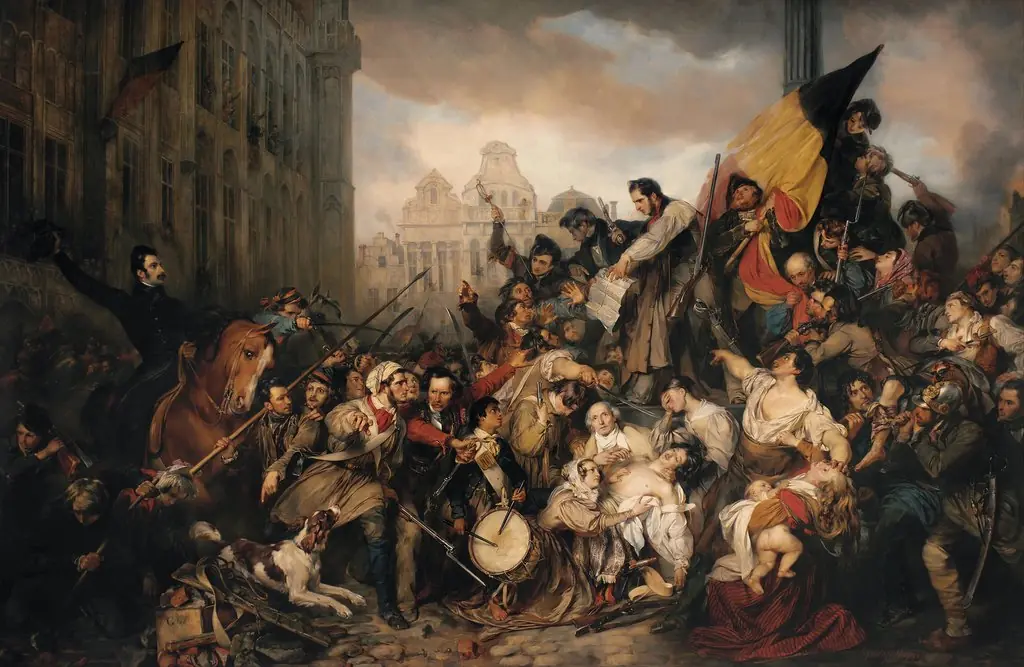 Episode of the September Days 1830, on the Grand Place of Brussels
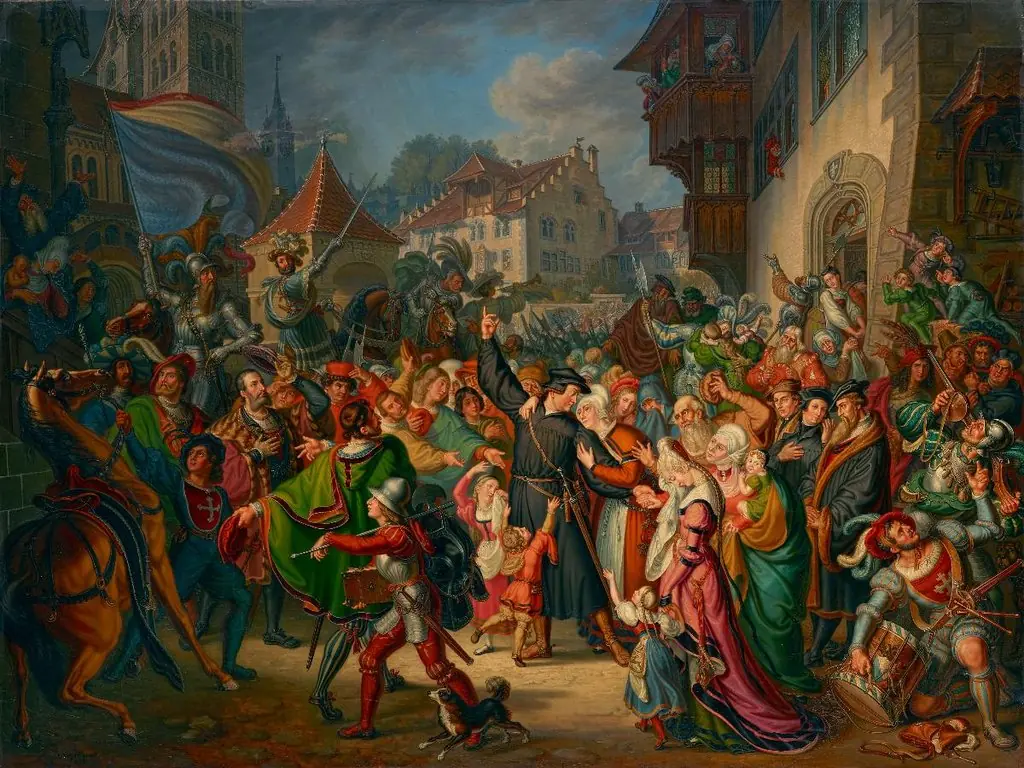 Zwinglis Abschied beim Auszug zur Schlacht bei Kappel
 Bloody feast of Count Gero
 The Sack of Rome