Artwork
Paintings after Ancient Masters: A Lohan [after Guanxiu]
![Paintings after Ancient Masters: A Lohan [after Guanxiu], by Chen Hongshou, unspecified, 1625](https://artifactworldgallery.com/img/chen-hongshou--paintings-after-ancient-masters-a-lohan-after-guanxiu--92196fae80c7e0a7-w1024.webp)
Paintings after Ancient Masters: A Lohan [after Guanxiu] is an unspecified painting by the Chinese Orthodox School artist Chen Hongshou. It dates from 1625 and is held in the collection of the Cleveland Museum of Art.
About this work
Chen kept the weirdness—sharp angles, stretched fingers—but made it feel quieter, almost like a doodle in the corner of a notebook.
You see a thin monk with long eyebrows, a wispy beard, and a robe that looks like crumpled paper. His hands are tucked inside wide sleeves, and his eyes seem to stare right through you.
Chen Hongshou painted this monk after an older Chinese artist, Guanxiu. Guanxiu’s originals were said to look so strange they scared demons away. Chen kept the weirdness—sharp angles, stretched fingers—but made it feel quieter, almost like a doodle in the corner of a notebook.
If you like this, look up other works in the subject china, ming dynasty (1368–1644).
Overview
The work belongs to a double album of twenty small paintings by Chen Hongshou, created in the later phase of his career. The album assembles a variety of subjects—landscapes, figures, and floral motifs—along with a single leaf that depicts a woman, a rarity among his late collections. The pieces are executed on a miniature scale, echoing the intimate aesthetic of Chinese scholar gardens and contemplative objects.
Subject & Meaning
One panel portrays a slender monk with elongated eyebrows, a wispy beard, and a robe rendered in delicate, paper‑like folds. His hands are concealed within broad sleeves, and his gaze appears to pierce the viewer. The figure derives from a tradition established by the earlier artist Guanxiu, whose depictions of monks were reputed to possess a startling, otherworldly quality.
Technique & Style
Chen retains Guanxiu’s characteristic exaggerations—sharp angles, stretched fingers, and a slightly grotesque demeanor—yet tempers them with a softer, almost sketch‑like restraint. The brushwork is highly refined and archaic in its references, achieving a hyper‑detailed finish without descending into sentimentality. The overall composition is compact, inviting close, meditative inspection.
Context
Produced during the Ming dynasty, the album reflects the psychological climate of disenfranchised scholar‑officials who had lost their official status. The deliberate reduction of scale mirrors their constrained existence, offering a miniature world in which they could contemplate broader cultural loss.
Legacy
Chen Hongshou’s late albums are regarded as concise summations of his idiosyncratic visual language, balancing archaic motifs with meticulous execution. The monk panel, as a reinterpretation of Guanxiu’s legendary imagery, illustrates the transmission and transformation of artistic motifs across generations within Chinese painting.
Artist & collection


 明 陳洪綬 樹下高士圖 軸|Scholar-recluse in blue-green landscape
 Paintings after Ancient Masters: Daoist and Crane in Autumn Landscape
 Paintings after Ancient Masters: Autumn Landscape
 Paintings after Ancient Masters: Scholars in a Garden
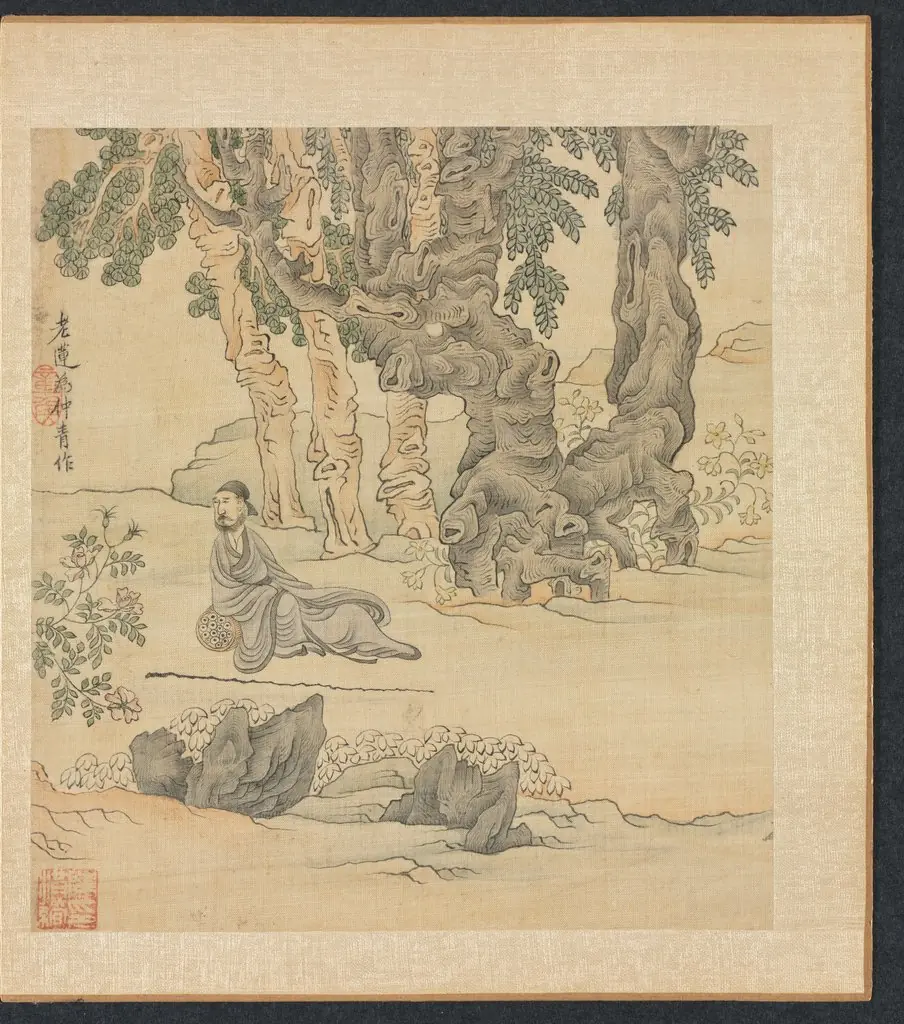 Paintings after Ancient Masters: Portrait of Zhongqing in a Landscape
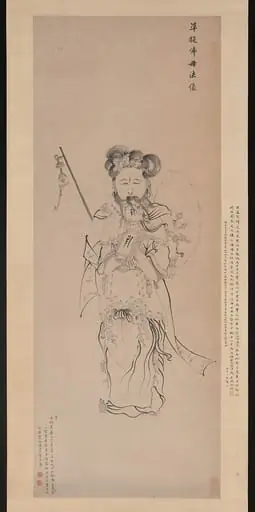 明 陳洪綬 準提佛母法像圖 軸|Bodhisattva Guanyin in the Form of the Buddha Mother
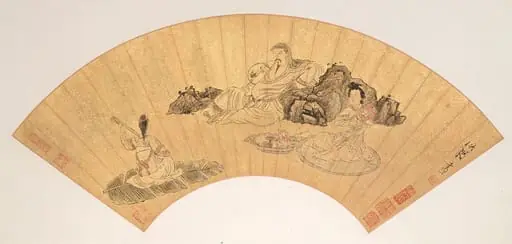 明 陳洪綬 山水花鳥人物圖 扇冊|Landscapes and Flowers
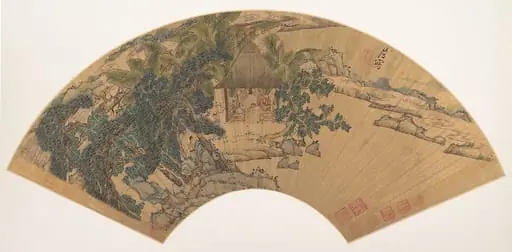 明 陳洪綬 山水圖 扇|Landscape
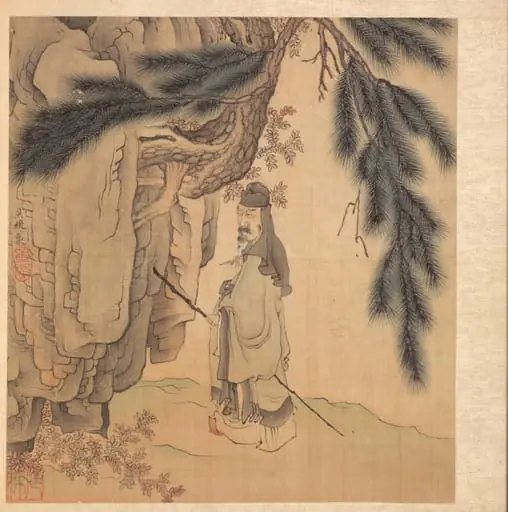 Paintings after Ancient Masters: Scholar with Staff and Brush
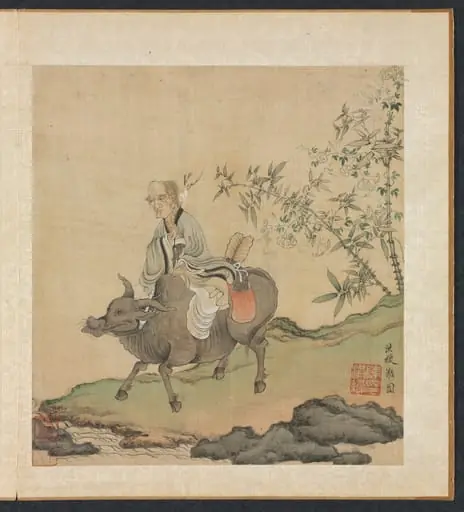 Paintings after Ancient Masters: Laozi Riding an Ox
![Paintings after Ancient Masters: A Lohan [after Guanxiu], by Chen Hongshou](https://artifactworldgallery.com/img/chen-hongshou--paintings-after-ancient-masters-a-lohan-after-guanxiu--74d8f5a3d653f674-w320.webp) Paintings after Ancient Masters: A Lohan [after Guanxiu]
Paintings after Ancient Masters: A Lohan [after Guanxiu]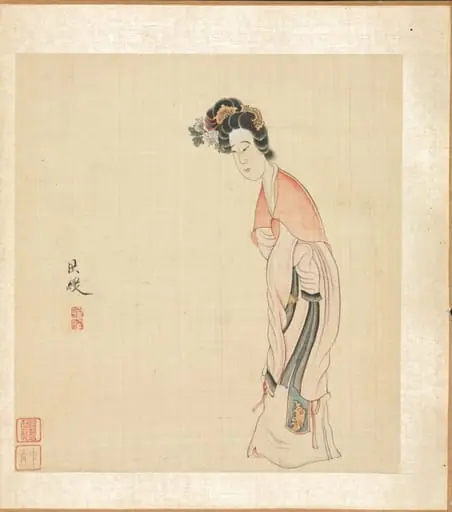 Paintings after Ancient Masters: A Lady
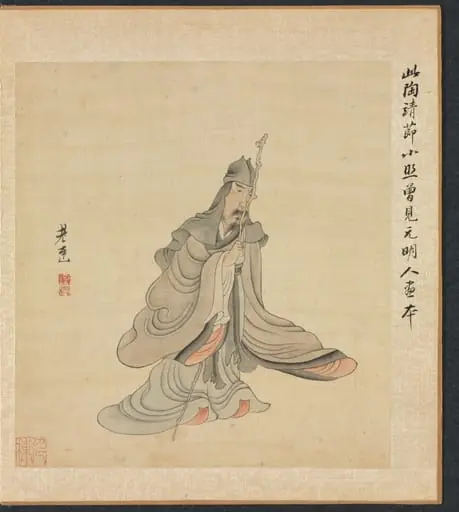 Paintings after Ancient Masters: Portrait of Tao Yuanming
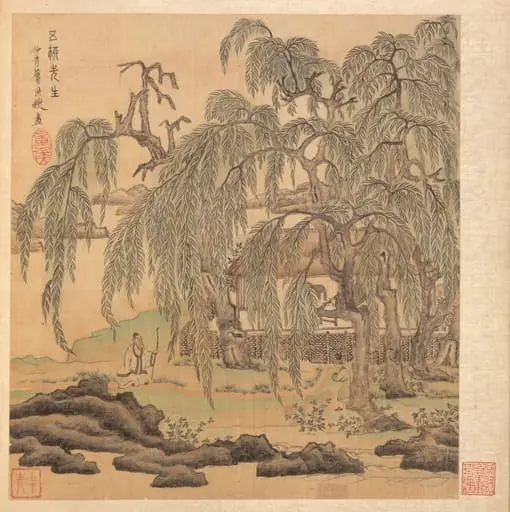 Paintings after Ancient Masters: Mr. Five Willows (Wuliu), Tao Yuanming
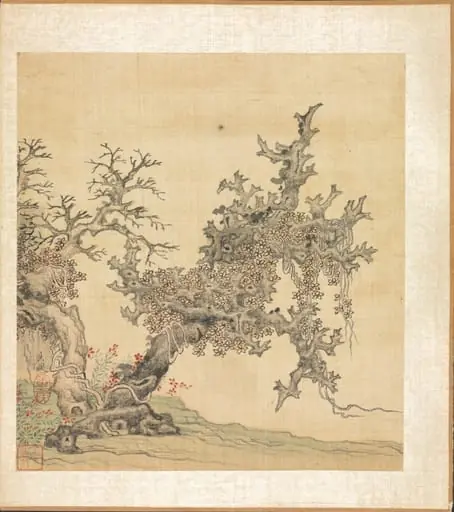 Paintings after Ancient Masters: An Ancient Tree
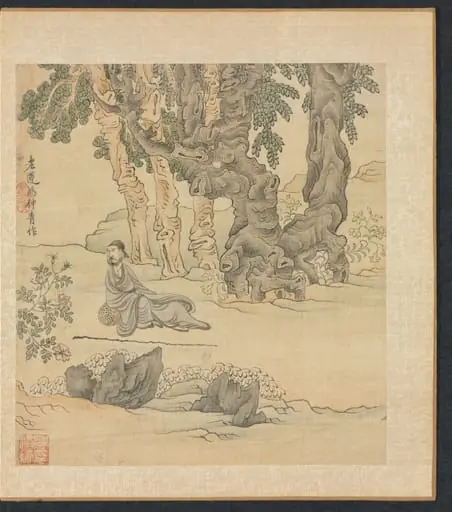 Paintings after Ancient Masters: Portrait of Zhongqing in a Landscape
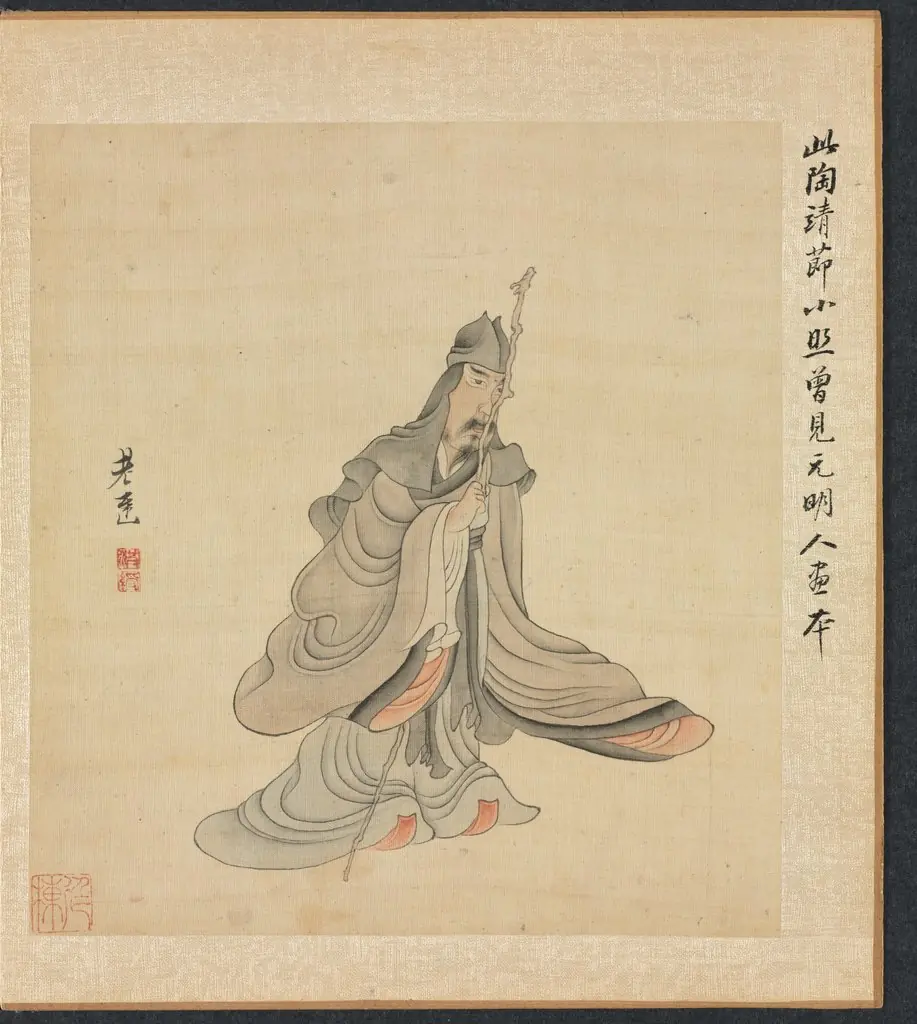 Paintings after Ancient Masters: Portrait of Tao Yuanming