Artwork
Paintings after Ancient Masters: Chrysanthemum and Rock
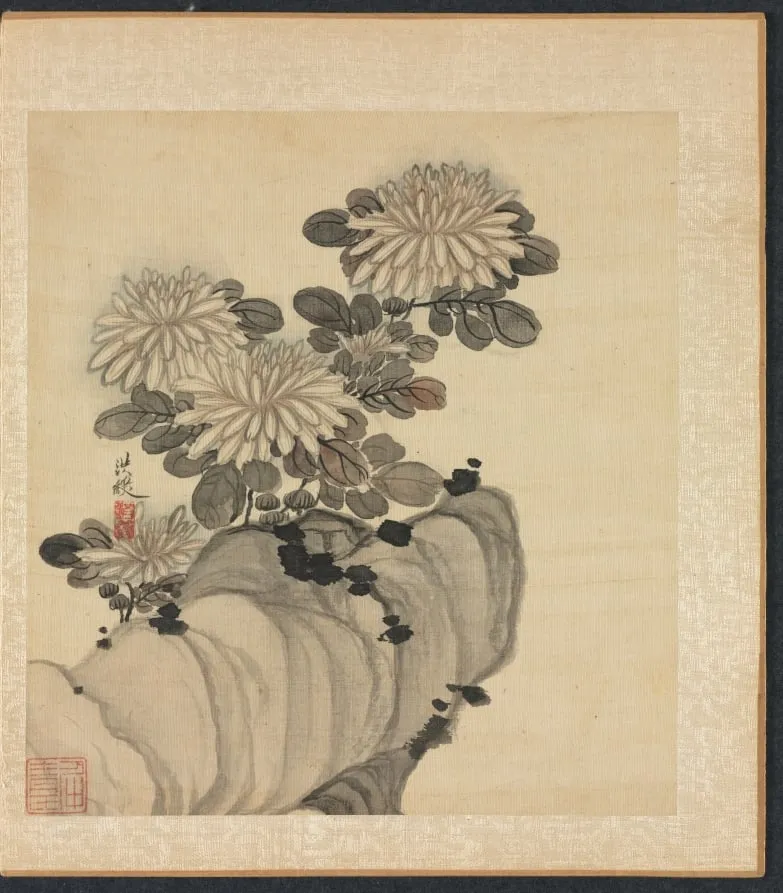
Paintings after Ancient Masters: Chrysanthemum and Rock is an unspecified painting by the Ming dynasty painting artist Chen Hongshou. It dates from 1625 and is held in the collection of the Cleveland Museum of Art.
About this work
The rock looks like it could crumble, yet the flower stands stiff, as if posing for a portrait.
You see a single chrysanthemum flower next to a jagged rock, painted in black ink on paper.
Chen Hongshou copied old masters but made each line his own—twisted, sharp, almost nervous. The rock looks like it could crumble, yet the flower stands stiff, as if posing for a portrait. This wasn’t just copying; it was arguing with the past.
Look up more works in the subject: china, ming dynasty (1368–1644).
Overview
This ink painting, part of a twenty‑panel double album by Chen Hongshou, depicts a solitary chrysanthemum beside a jagged rock on paper. Executed in black ink, the composition reduces the subject to a stark, miniature tableau that reflects the artist’s late‑period preoccupation with condensed, highly detailed forms.
Subject & Meaning
The juxtaposition of the resilient chrysanthemum and the precarious rock evokes a dialogue between endurance and fragility. In the cultural context of the Ming dynasty, the chrysanthemum often symbolized perseverance, while the crumbling stone suggests the erosion of status, resonating with the sense of loss experienced by loyalist scholars of the era.
Technique & Style
Chen’s brushwork departs from straightforward imitation of earlier masters; each stroke is twisted, sharp, and almost tense, giving the rock a sense of imminent disintegration and the flower a poised, portrait‑like presence. The overall effect is hyper‑refined yet retains a deliberate archaic quality, achieved through meticulous line control and a restrained monochrome palette.
Context
The reduced scale of the figures and landscape elements mirrors the miniature gardens and selected table rocks used by scholars for contemplation. This intentional diminishment reflects the psychological condition of Ming officials who, stripped of official honor, turned to intimate, self‑contained artistic expressions.
Legacy
Chen Hongshou’s late works, including this piece, are regarded as concise syntheses of his idiosyncratic approach—combining reverence for ancient models with a personal, argumentative reinterpretation. The painting stands as an example of how Ming artists negotiated tradition while articulating contemporary anxieties.
Artist & collection


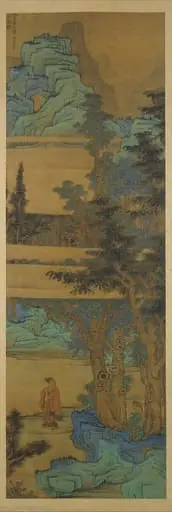 明 陳洪綬 樹下高士圖 軸|Scholar-recluse in blue-green landscape
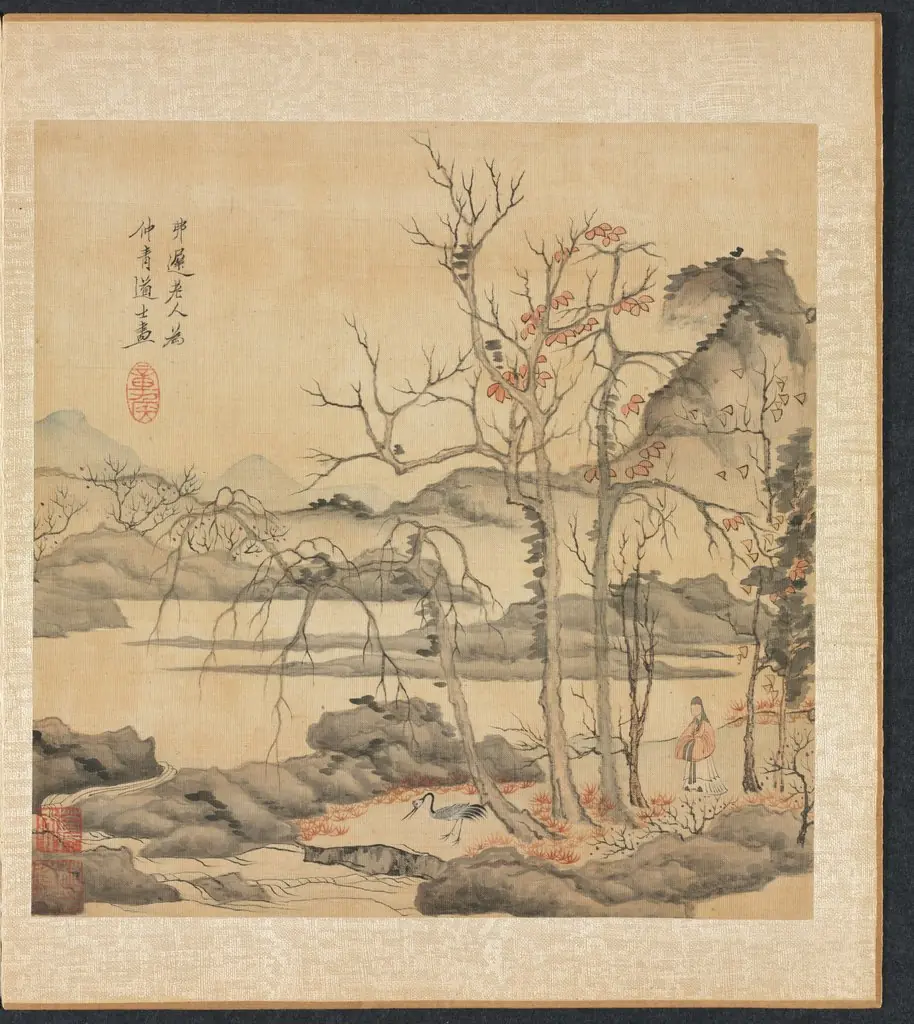 Paintings after Ancient Masters: Daoist and Crane in Autumn Landscape
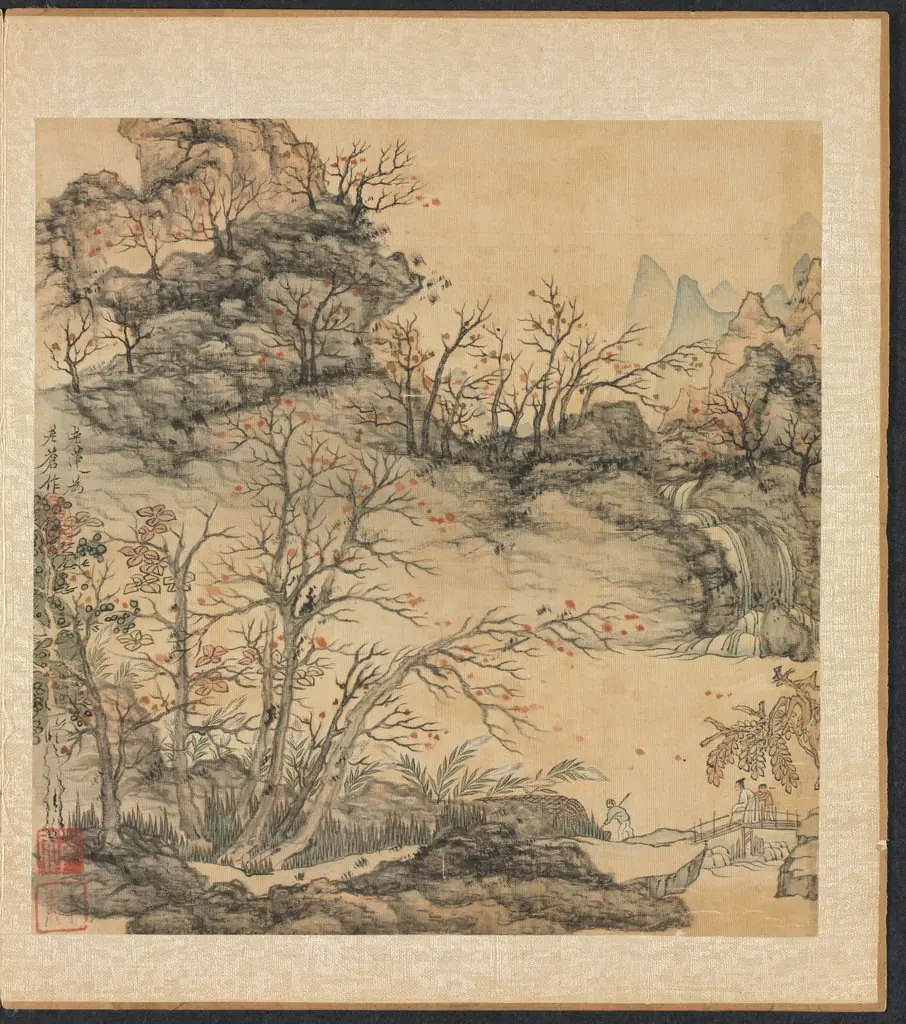 Paintings after Ancient Masters: Autumn Landscape
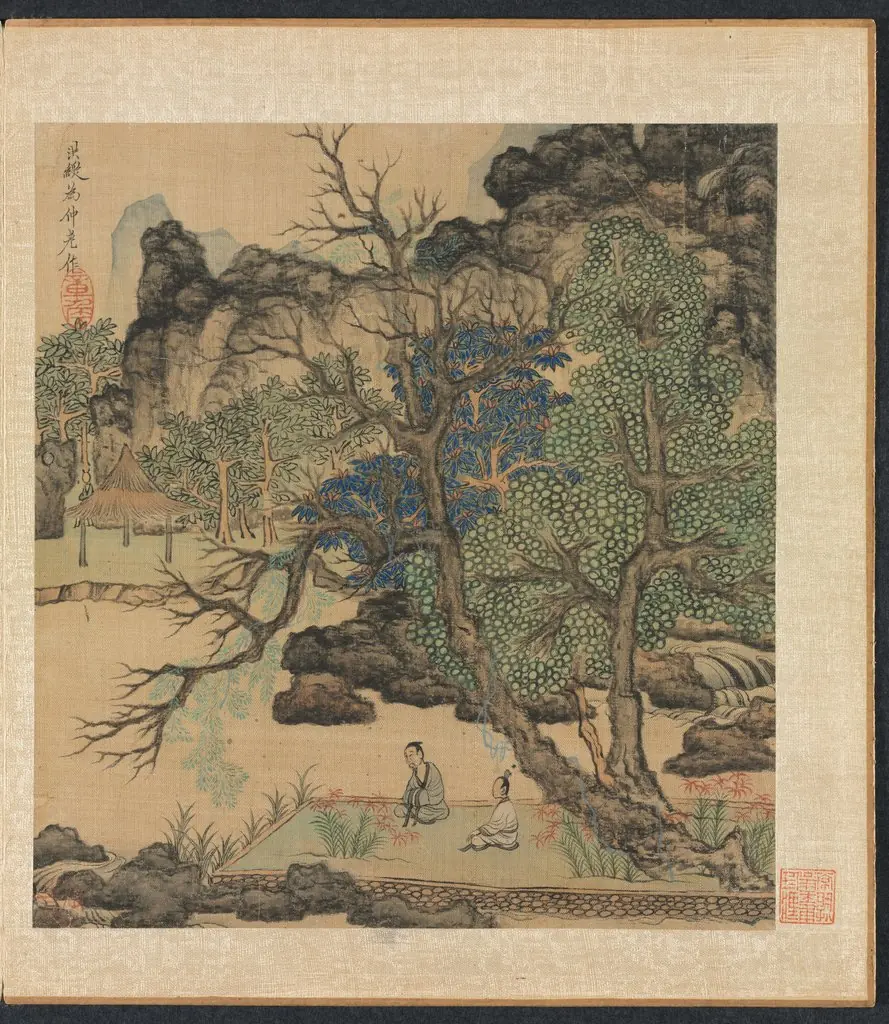 Paintings after Ancient Masters: Scholars in a Garden
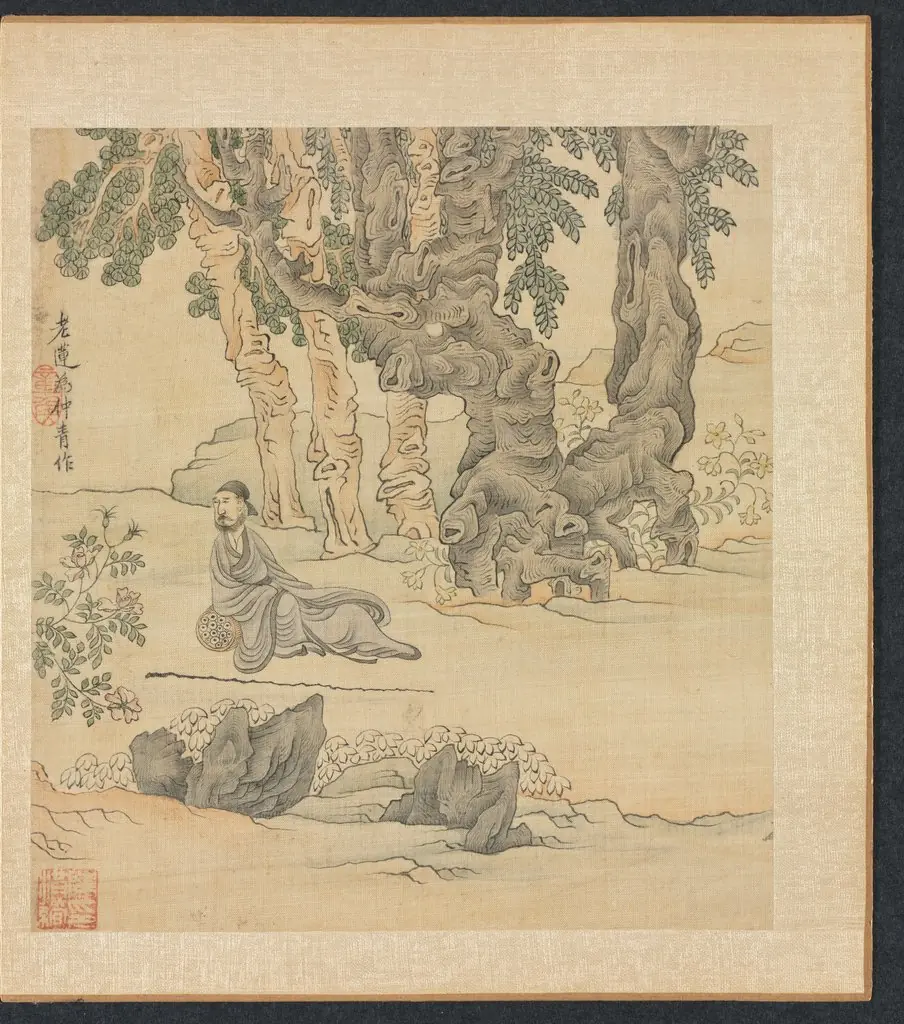 Paintings after Ancient Masters: Portrait of Zhongqing in a Landscape
 明 陳洪綬 準提佛母法像圖 軸|Bodhisattva Guanyin in the Form of the Buddha Mother
 明 陳洪綬 山水花鳥人物圖 扇冊|Landscapes and Flowers
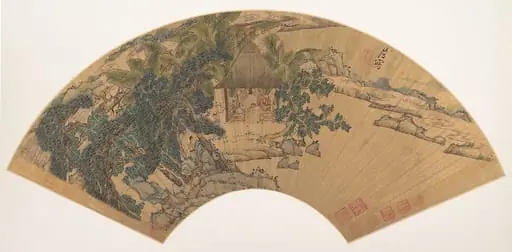 明 陳洪綬 山水圖 扇|Landscape
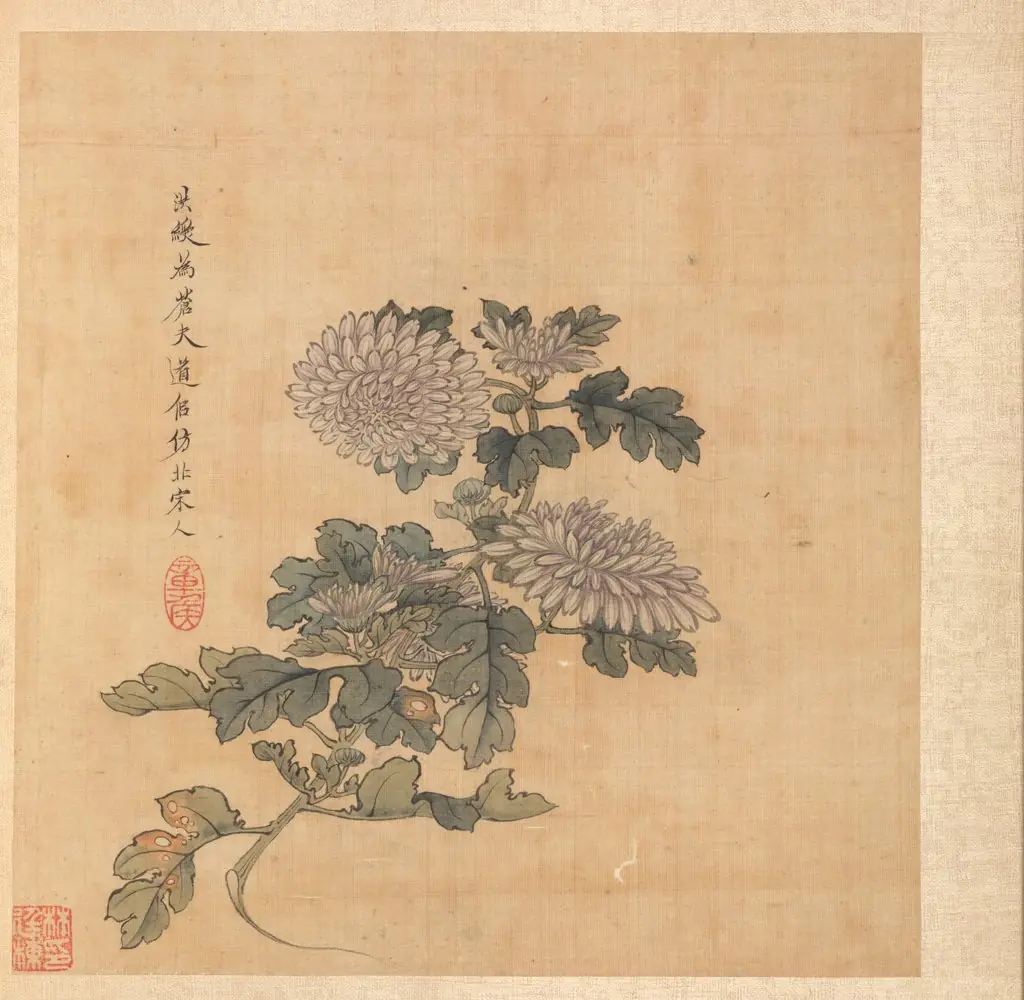 Paintings after Ancient Masters: Chrysanthemum
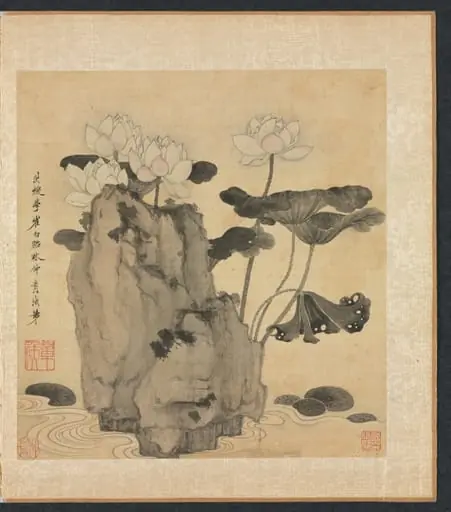 Paintings after Ancient Masters: Lotus and Rocks
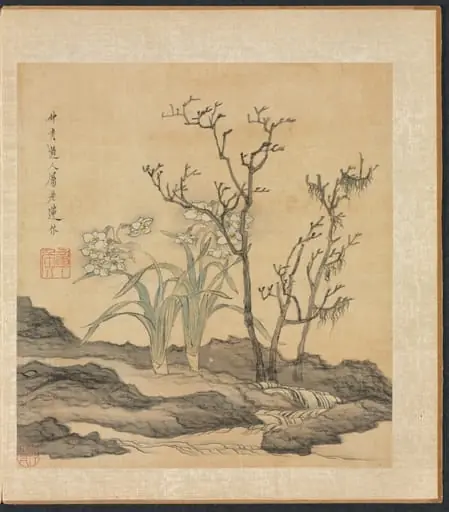 Paintings after Ancient Masters: Narcissus and Bare Trees
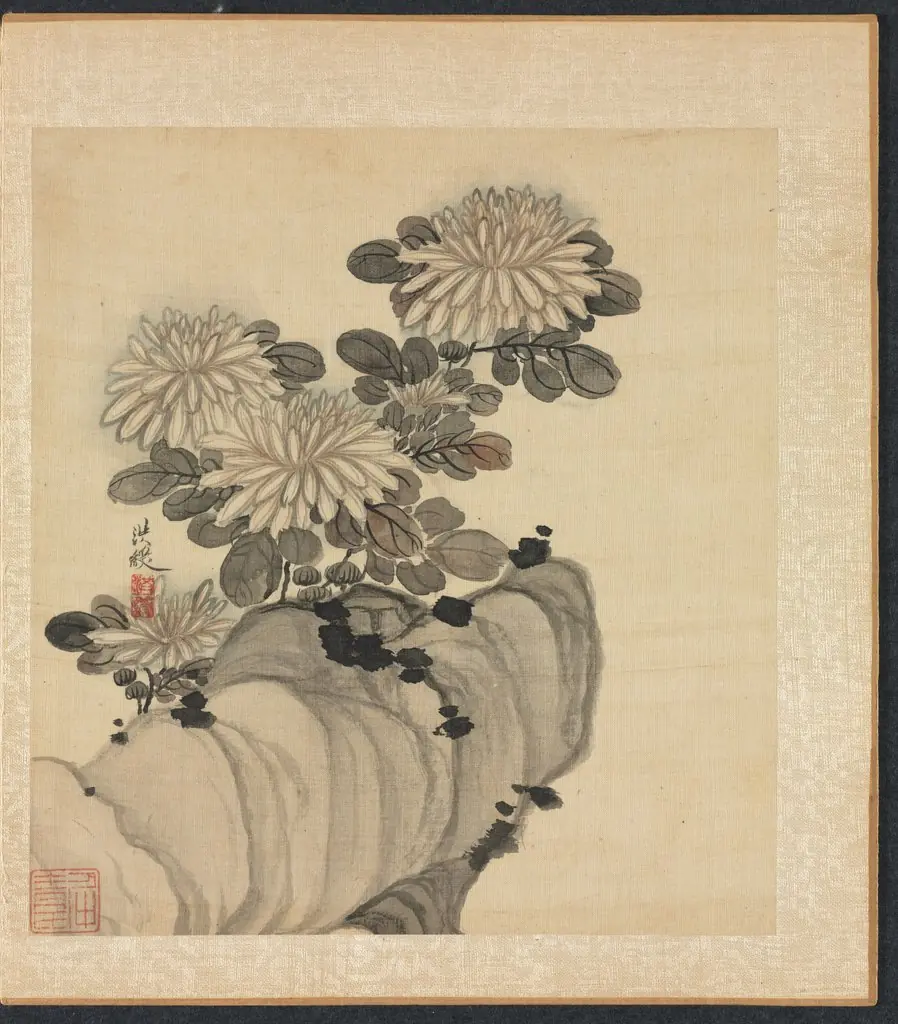 Paintings after Ancient Masters: Chrysanthemum and Rock
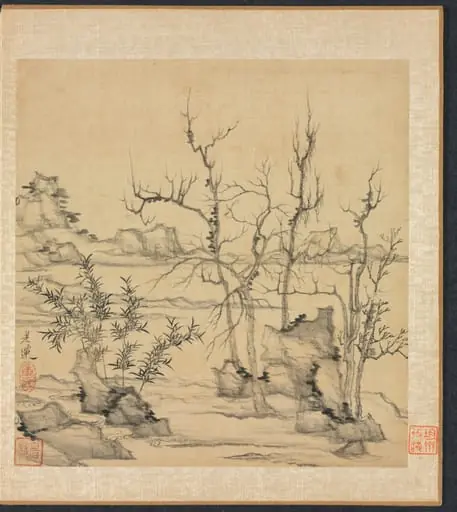 Paintings after Ancient Masters: Landscape in the Style of Ni Zan
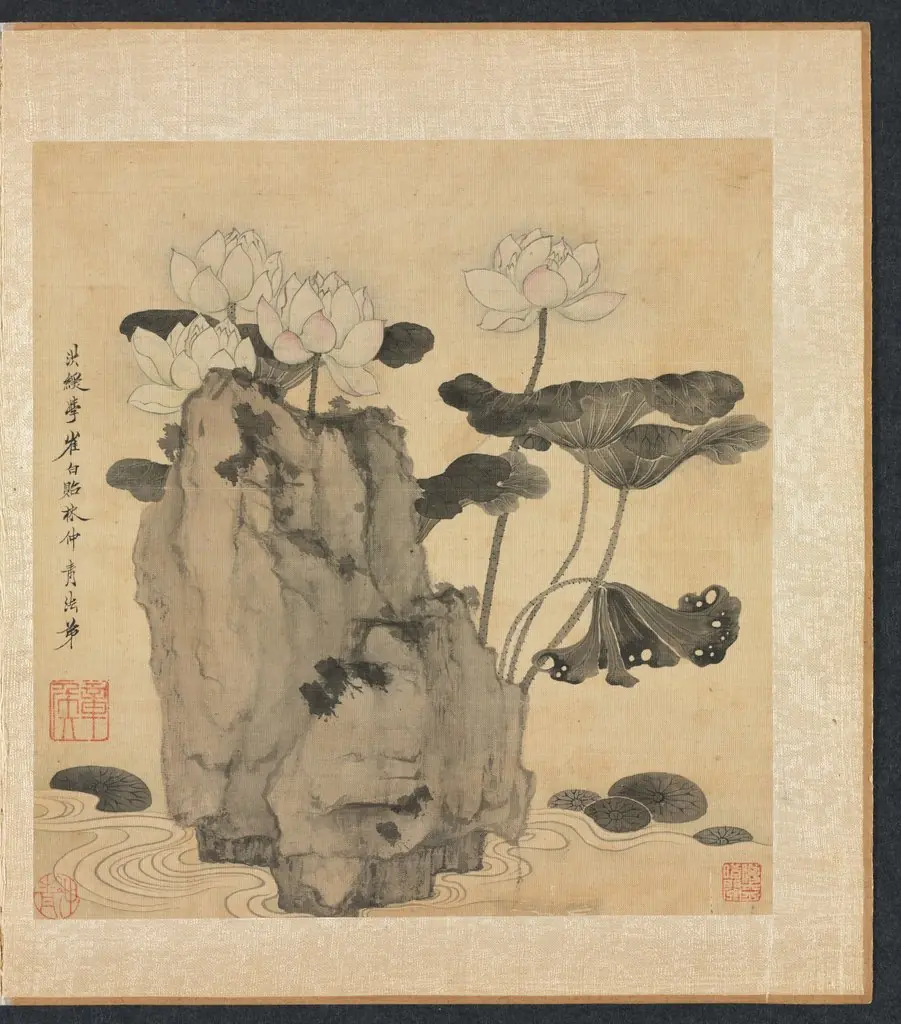 Paintings after Ancient Masters: Lotus and Rocks
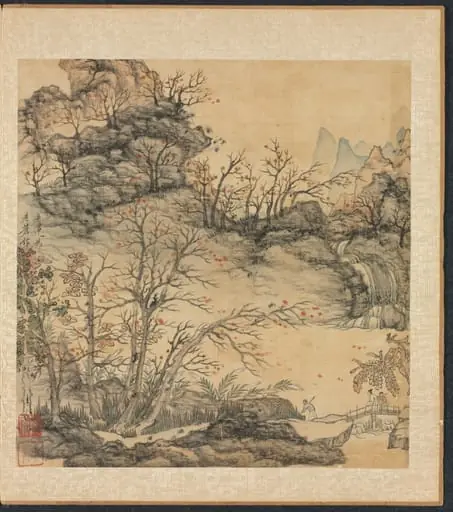 Paintings after Ancient Masters: Autumn Landscape
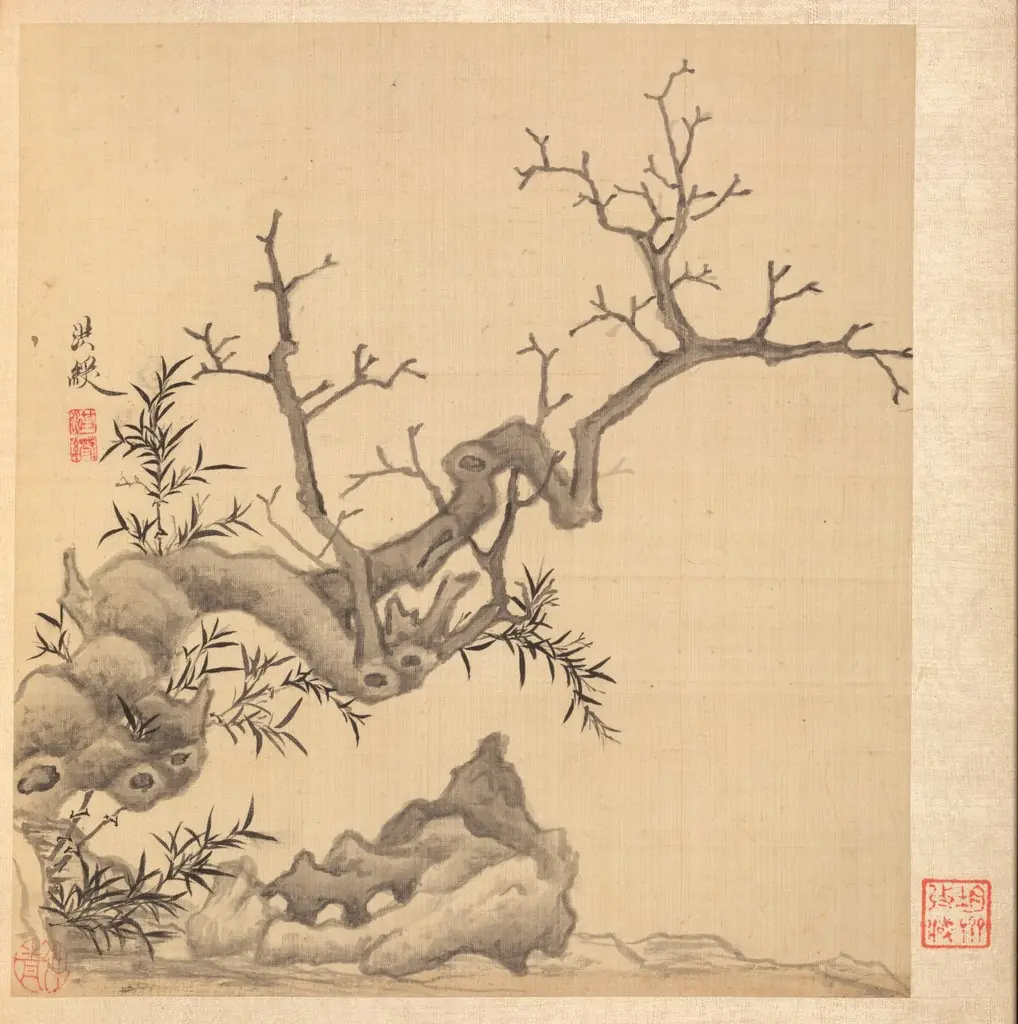 Paintings after Ancient Masters: Rock, Old Tree, and Bamboo
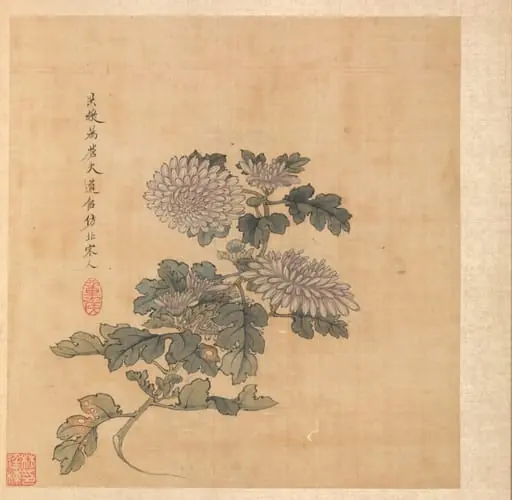 Paintings after Ancient Masters: Chrysanthemum
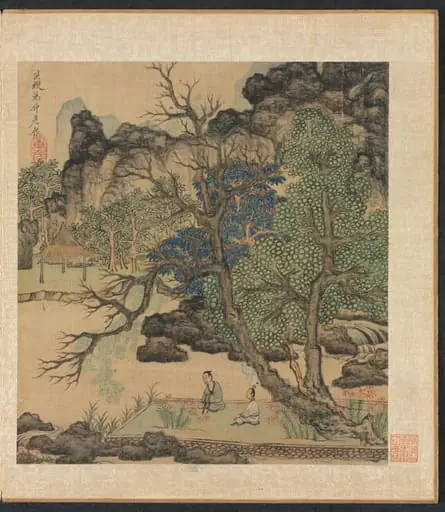 Paintings after Ancient Masters: Scholars in a Garden
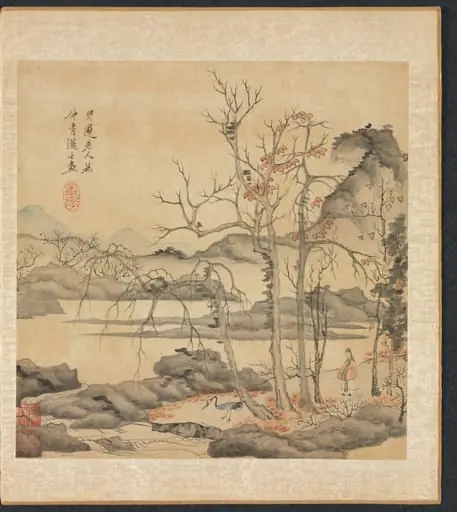 Paintings after Ancient Masters: Daoist and Crane in Autumn Landscape