Artwork
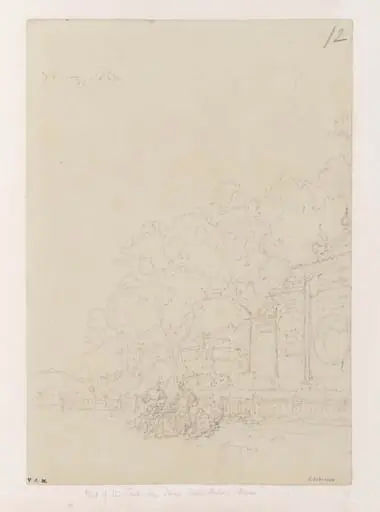
The Zhengjiao Chanlin Buddhist Temple, a part of the A-Ma Temple in Macau
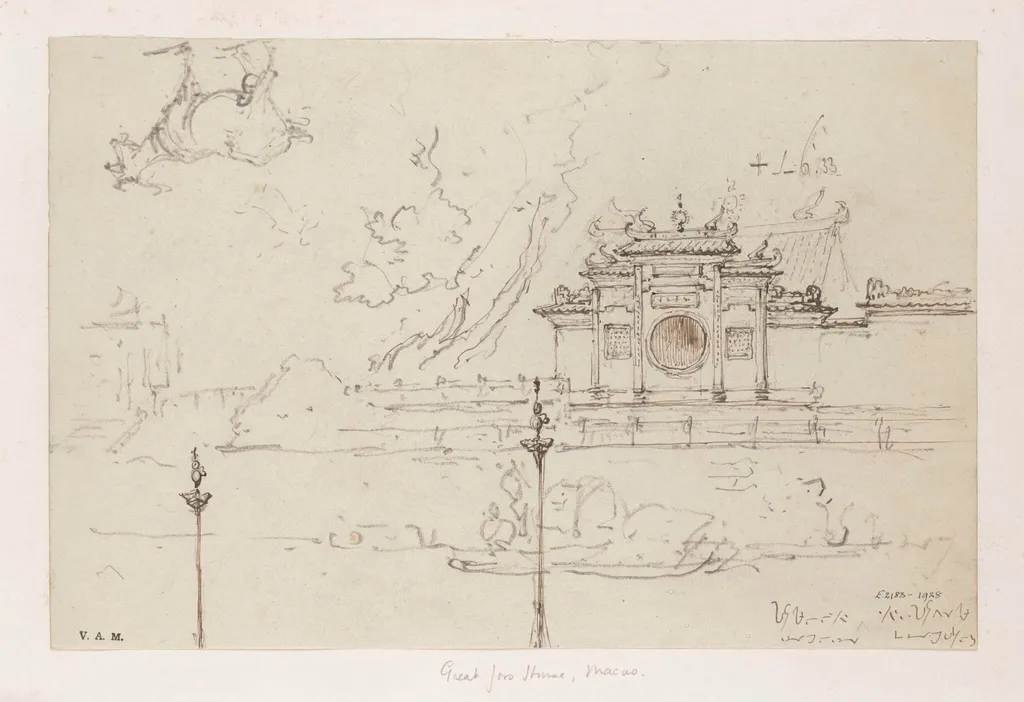
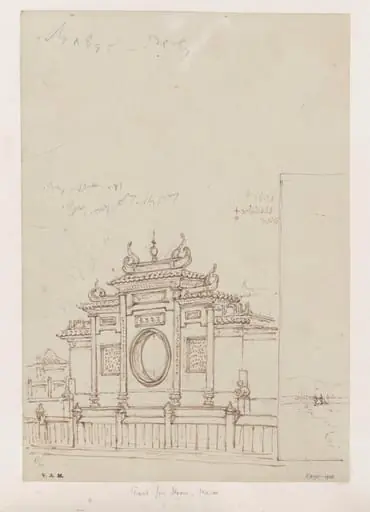
The Zhengjiao Chanlin Buddhist Temple, a part of the A-Ma Temple in Macau is a drawing by the Romanticist artist George Chinnery. It dates from 6 and is held in the collection of the Victoria and Albert Museum.
About this work
Overview
The composition includes an unusual detail: a goat rendered upside down, as if rotated 180 degrees.
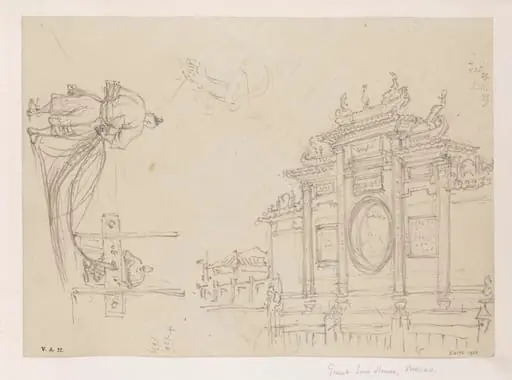
A pencil drawing depicts the Zhengjiao Chanlin Buddhist Temple, part of the A-Ma Temple complex in Macau, with its distinctive moon gateway and temple masts visible in the foreground. The composition includes an unusual detail: a goat rendered upside down, as if rotated 180 degrees. The reverse side holds additional sketches—a basket and two cows, one accompanied by a calf—suggesting this sheet was used for observational practice or preliminary study.
Subject & Meaning
The temple architecture is rendered with attention to structural elements, emphasizing its role as a place of worship. The inclusion of animals—a goat, cows, and a calf—does not directly relate to Buddhist iconography but may reflect the artist’s daily surroundings or personal sketches. Their placement, especially the inverted goat, hints at informal experimentation rather than symbolic intent, offering insight into the artist’s observational habits.
Technique & Style
The drawing employs cross-hatching to model form and suggest texture, particularly in the temple’s wooden beams and stone surfaces. Lines are deliberate but not overly refined, indicating a working sketch rather than a finished piece. The loose handling of the animal figures on the reverse suggests rapid, spontaneous mark-making, consistent with on-site observation or memory studies.
History & Provenance
The drawing originates from Macau’s A-Ma Temple complex, a site of longstanding religious and cultural significance. Its exact date and artist remain undocumented, but the style and subject align with 19th-century European or local artists documenting religious architecture in the region. The presence of multiple sketches on one sheet implies it was part of a personal sketchbook, likely used during travel or study.
Context
In the 19th century, Macau served as a cultural crossroads where Chinese religious sites attracted foreign visitors and artists. Drawings of temples like Zhengjiao Chanlin were often made for personal records or scholarly interest. The inclusion of domestic animals alongside sacred architecture reflects the lived environment surrounding the temple, where spiritual and everyday life intertwined.
Legacy
This drawing survives as a quiet record of architectural observation and informal artistic practice. It does not represent a major artistic achievement but offers valuable evidence of how temple complexes were visually recorded by individuals outside formal institutions. Its layered sketches reveal the iterative nature of artistic documentation in a colonial-era context.
Artist & collection
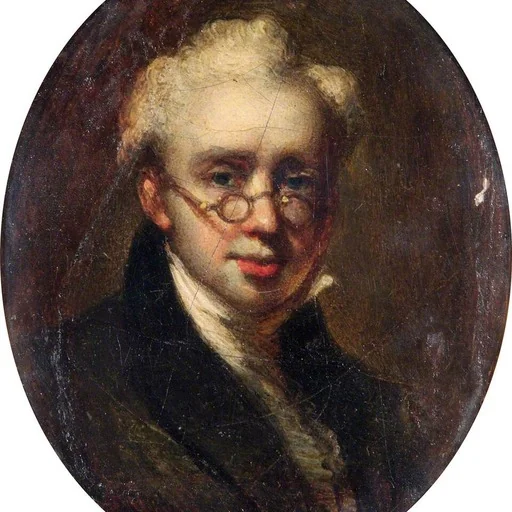
Artist
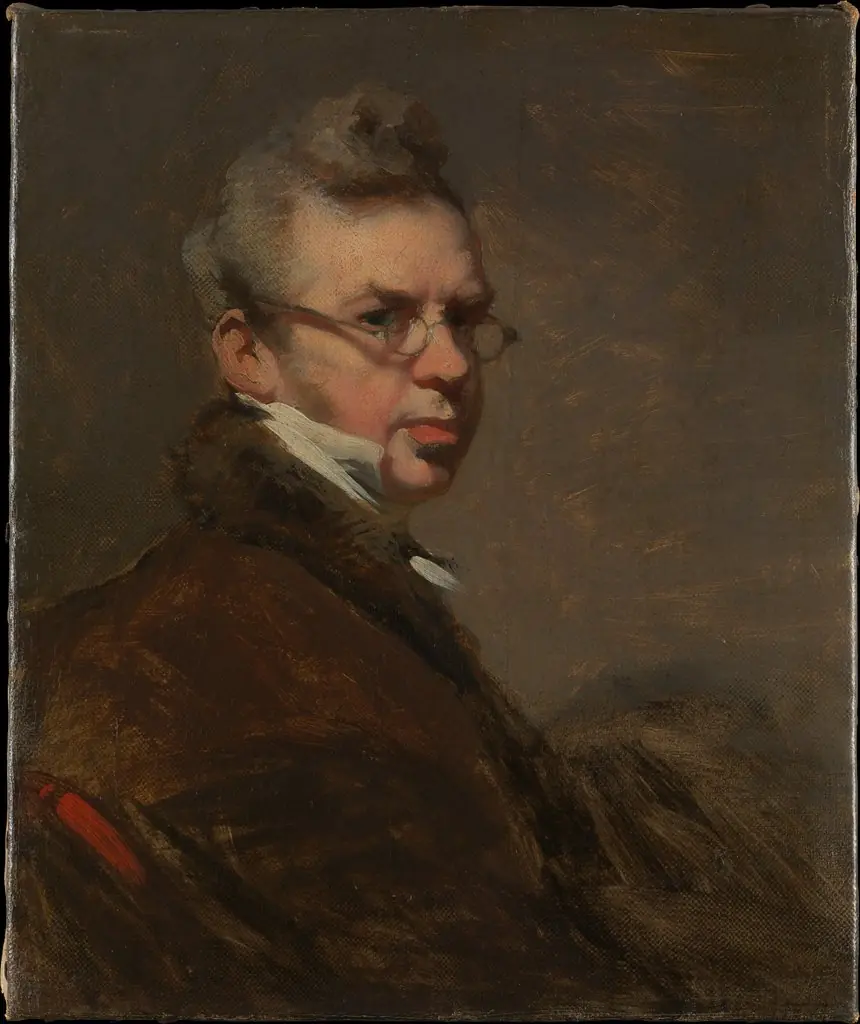
George Chinnery (Chinese: 錢納利; 5 January 1774 – 30 May 1852) was an English painter who spent most of his life in Asia, especially India and southern China.

 The main entrance to the A-Ma Temple, Macau
 The main entrance to the A-Ma Temple, Macau
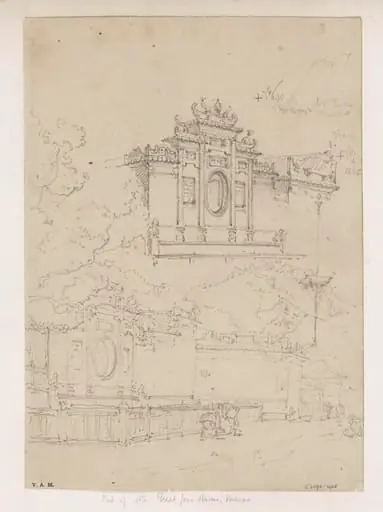 Drawings of the A-Ma temple, Macau
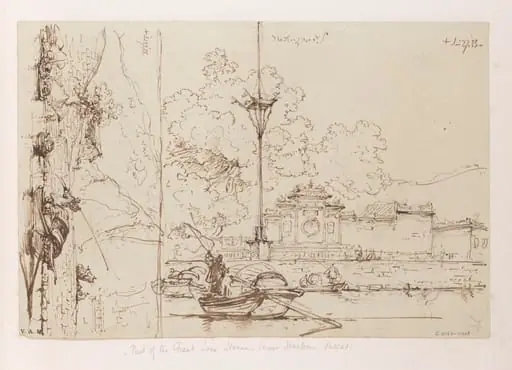 The A-Ma temple, Macau, and the nearby rocks, both seen from the bay
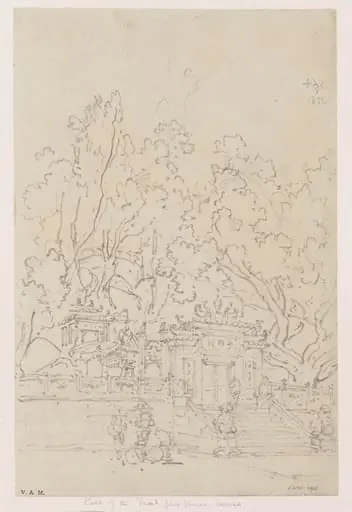 Part of the A-Ma Temple, Macau
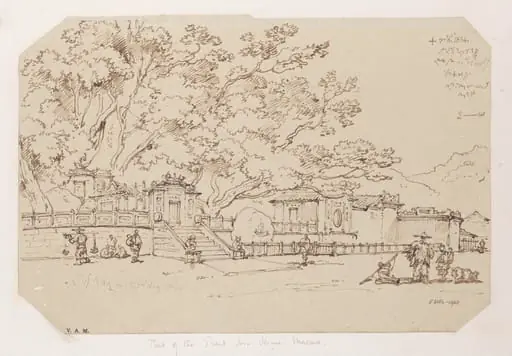 The A-Ma Temple, Macau
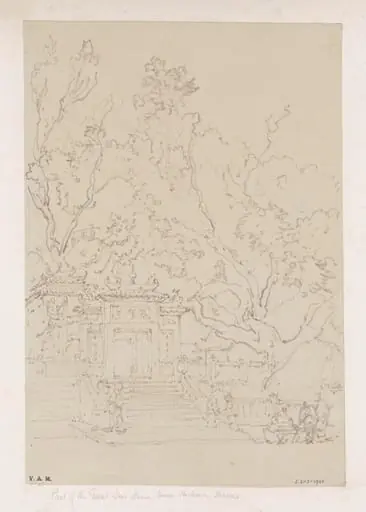 The A-Ma temple, Macau
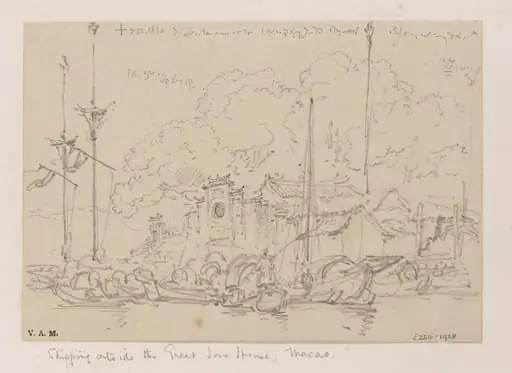 The A-Ma Temple, Macau
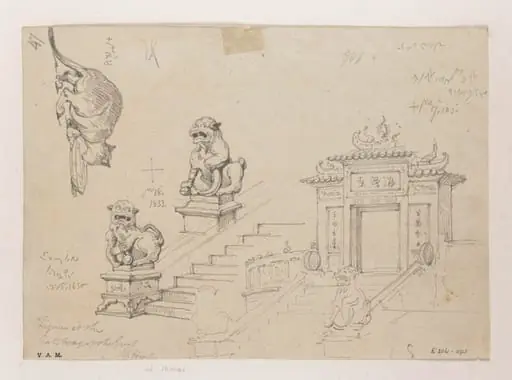 The gateway pavilion at the A-Ma temple, Macau, its guardian lions, and a cat
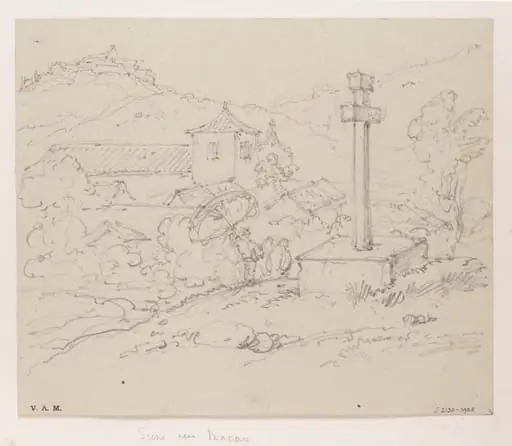 The church of S. Lazaro, Macau
 Part of the A-Ma temple, Macau