Artwork
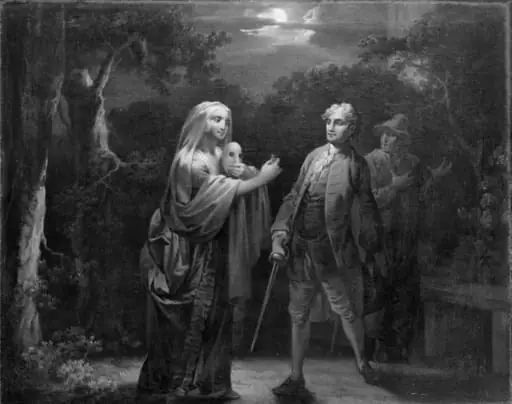
De Usynlige, III akt, 3. scene
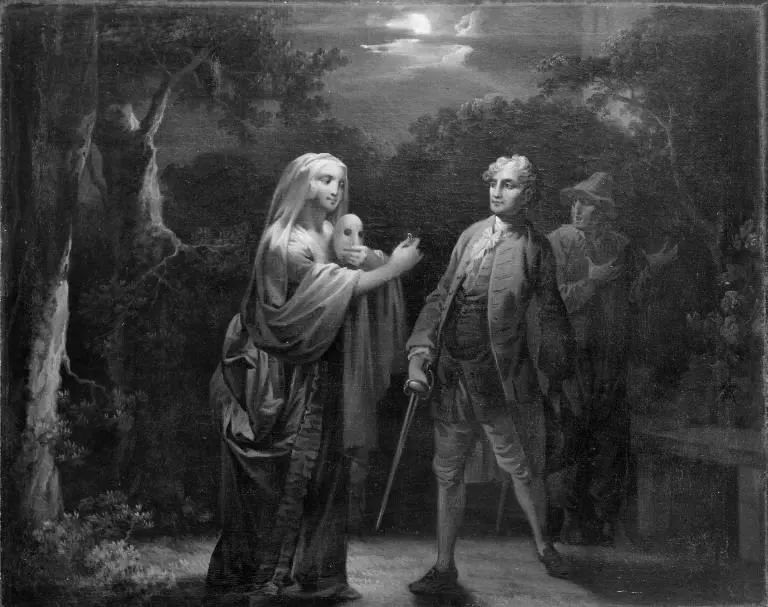
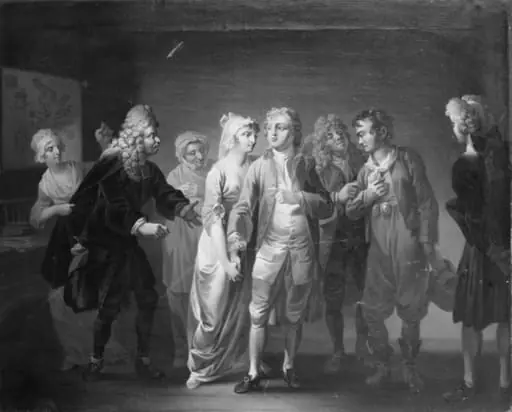
De Usynlige, III akt, 3. scene is an oil painting by the Neoclassicist artist Christian August Lorentzen. It dates from 1798 and is held in the collection of the Statens Museum for Kunst.
About this work
Overview
Created in 1798 by Christian August Lorentzen, this oil painting is part of a series illustrating a theatrical work titled De Usynlige.
Created in 1798 by Christian August Lorentzen, this oil painting is part of a series illustrating a theatrical work titled De Usynlige. It captures a moment from the third act, third scene, rendered with careful attention to mood and narrative. The painting resides in the collection of Statens Museum for Kunst in Copenhagen, where it remains one of the artist’s notable contributions to Danish Romantic-era visual storytelling.
Subject & Meaning
The scene portrays a woman holding a theatrical mask beside a man armed with a sword, suggesting a moment of dramatic tension from a staged narrative. The mask implies disguise or hidden identity, while the sword signals conflict or authority. Their positioning within a wooded clearing evokes an ambiguous space between reality and performance, inviting interpretation of inner states through external symbols rather than explicit action.
Technique & Style
Lorentzen employs chiaroscuro to model forms and deepen spatial recession, with soft glazes enhancing atmospheric depth. The woman’s draped garment and the man’s tailored coat are rendered with subtle tonal shifts, contrasting against the muted greens and grays of the forest. Light falls selectively, drawing focus to the mask and sword while leaving the background softly blurred, reinforcing the painting’s introspective tone.
History & Provenance
Painted in 1798, the work entered the Danish national collection shortly after its completion. It has remained in public ownership since, consistently cataloged as part of Lorentzen’s theatrical-themed series. No significant alterations or reattributions are recorded, and its provenance traces directly from the artist to the museum, reflecting its early recognition within Denmark’s cultural institutions.
Context
Lorentzen painted this during a period when Danish artists increasingly engaged with literary and theatrical subjects, influenced by Enlightenment ideals and emerging Romantic sensibilities. The choice to depict a scene from an obscure play reflects a broader interest in psychological nuance over grand historical narratives. The work aligns with contemporary European trends favoring intimate, emotionally charged moments drawn from staged drama.
Legacy
Though not widely reproduced, the painting is recognized in Danish art history as an early example of psychological realism in narrative painting. It illustrates Lorentzen’s skill in translating theatrical emotion into quiet, contemplative imagery. Its continued presence in the national collection underscores its role in documenting Denmark’s 18th-century artistic engagement with literature and the inner life of characters.
Artist & collection
Artist
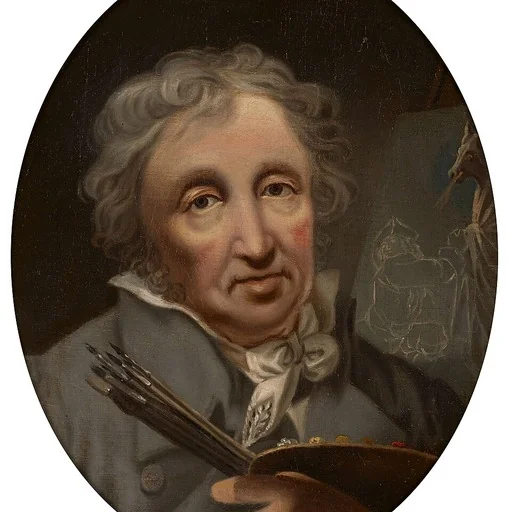
Christian August Lorentzen (1749–1828) was an artist, born in Sønderborg.

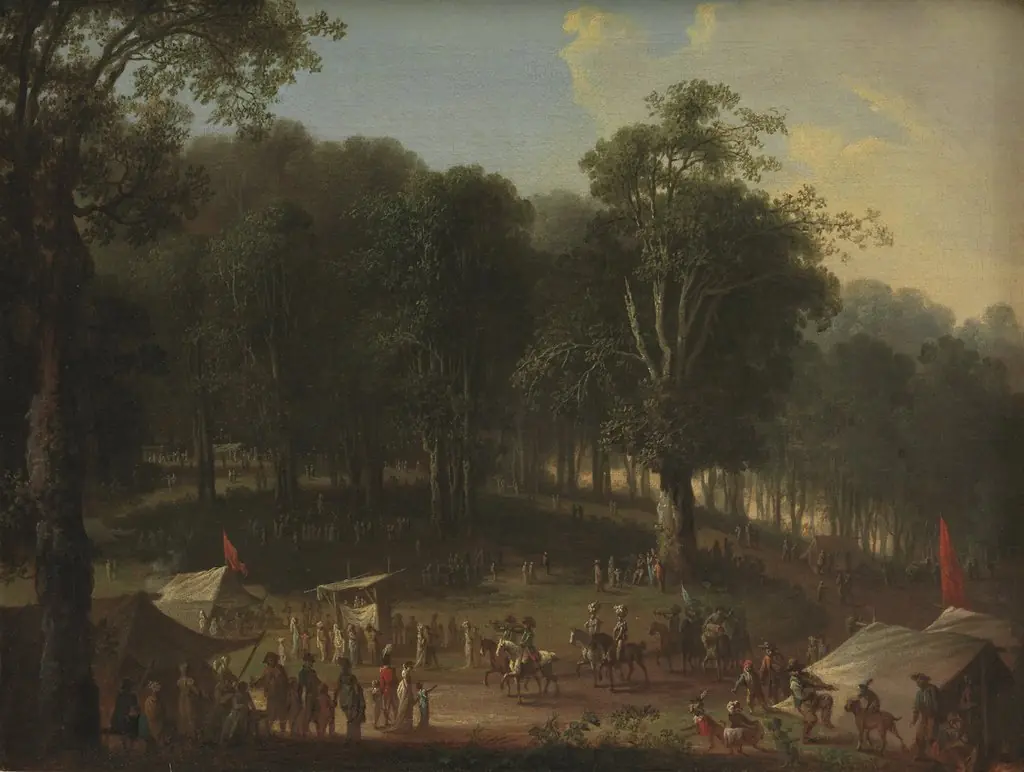 A Troup of Performers Arriving at the Fair at Dyrehavsbakken Near the Deer Park, North of Copenhagen
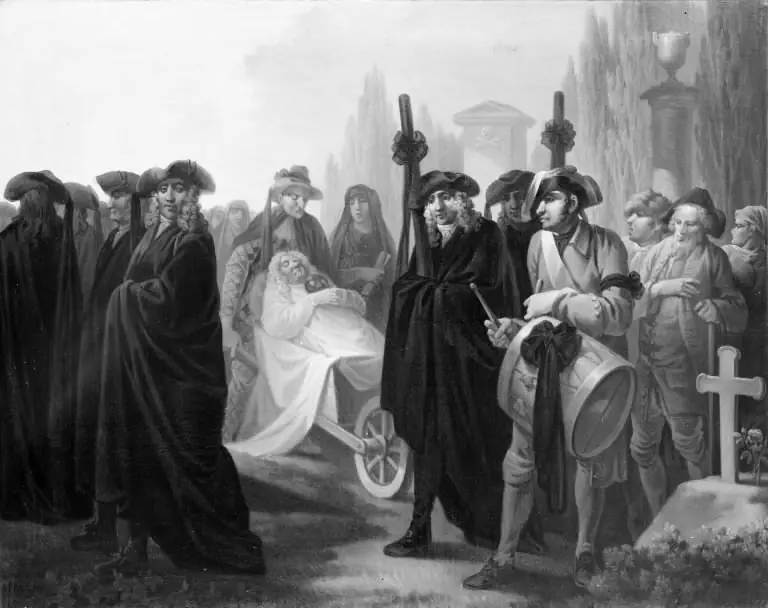 Den danske Comedies Ligbegængelse, 5. scene
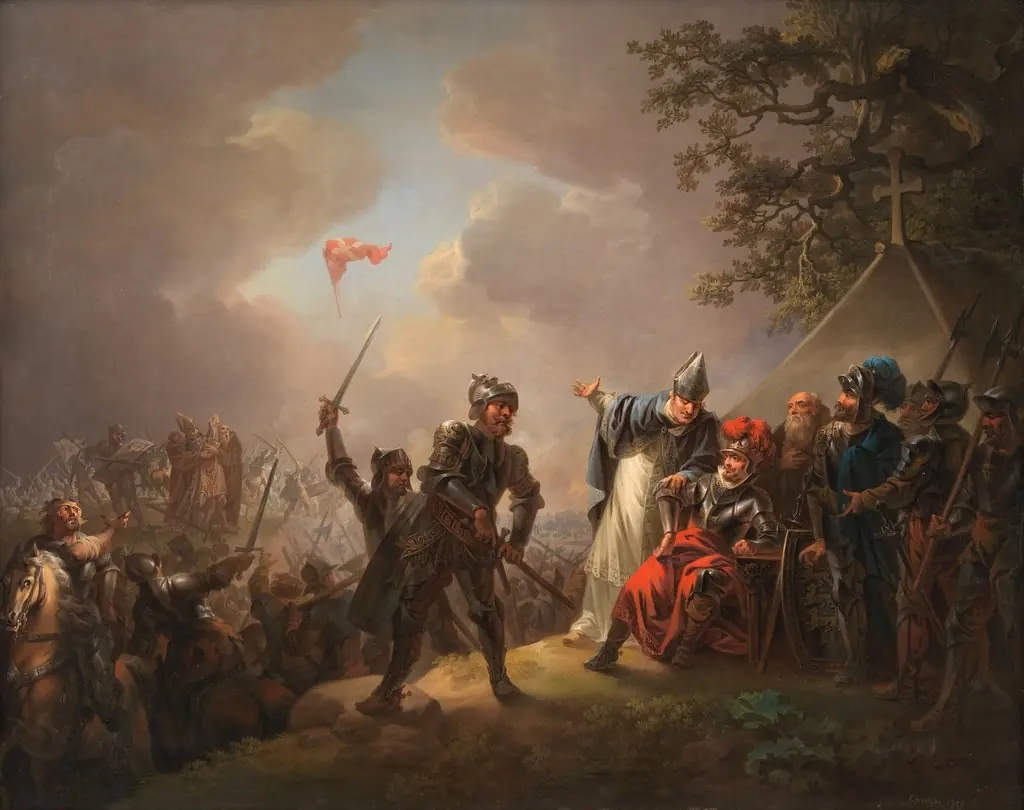 The Legend of the Danish Flag (the Dannebrog) Falling from the Heavens during the Battle of Lyndanise in Estonia in 1219
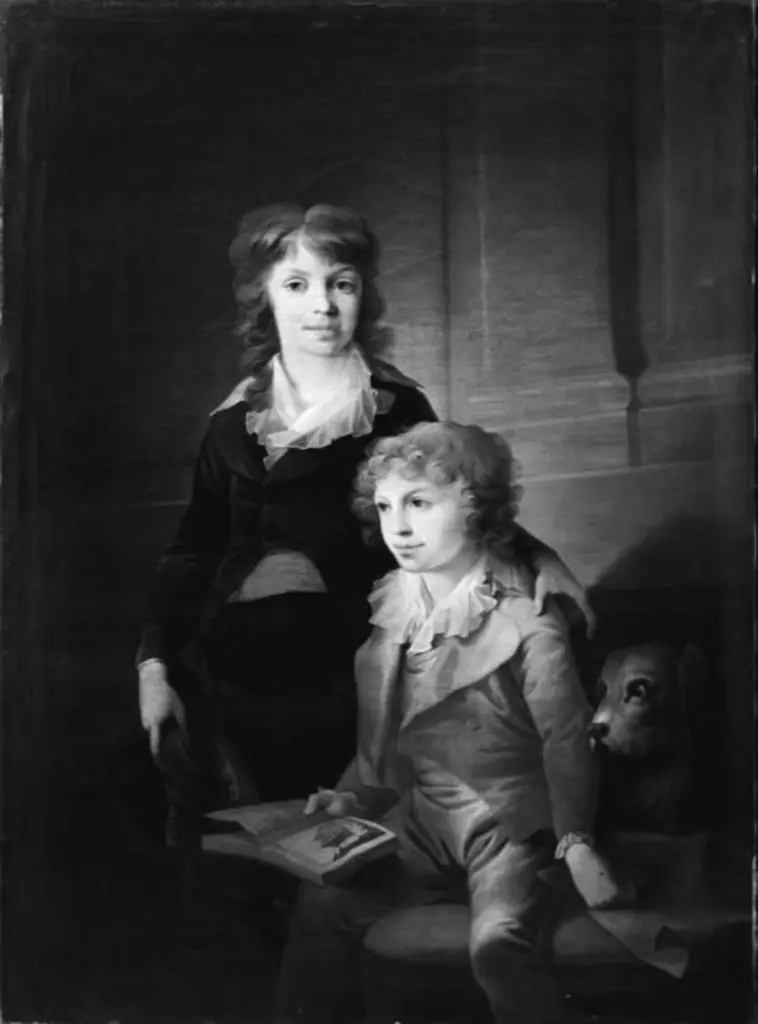 To ynglinge med en hund
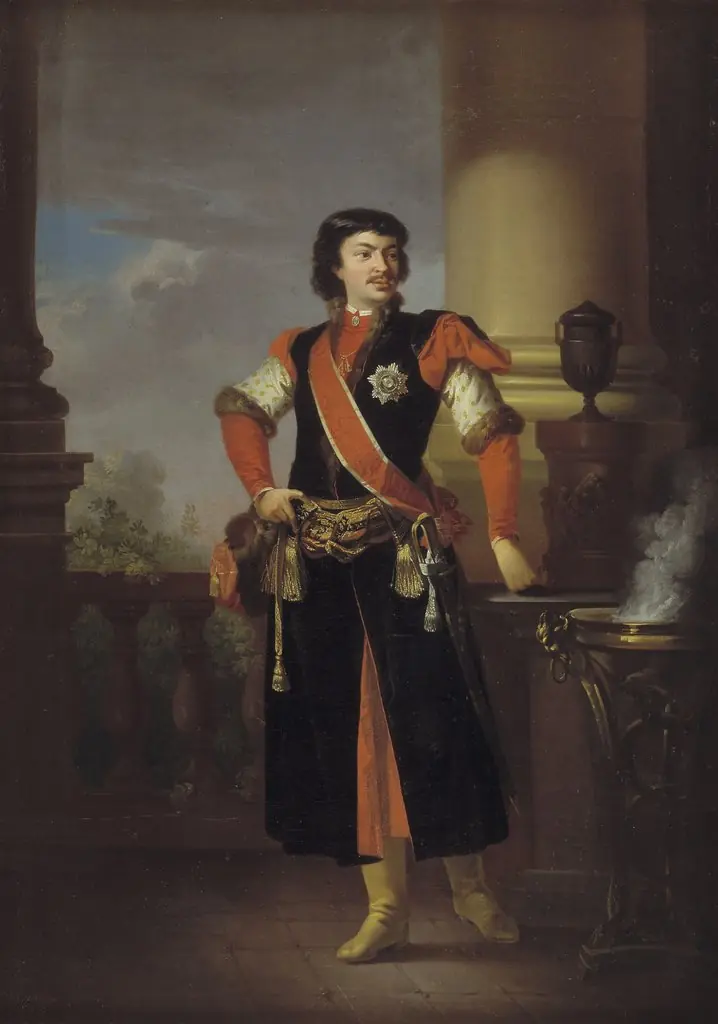 Portrait of Count Rzewuski, Polish Ambassador to Denmark
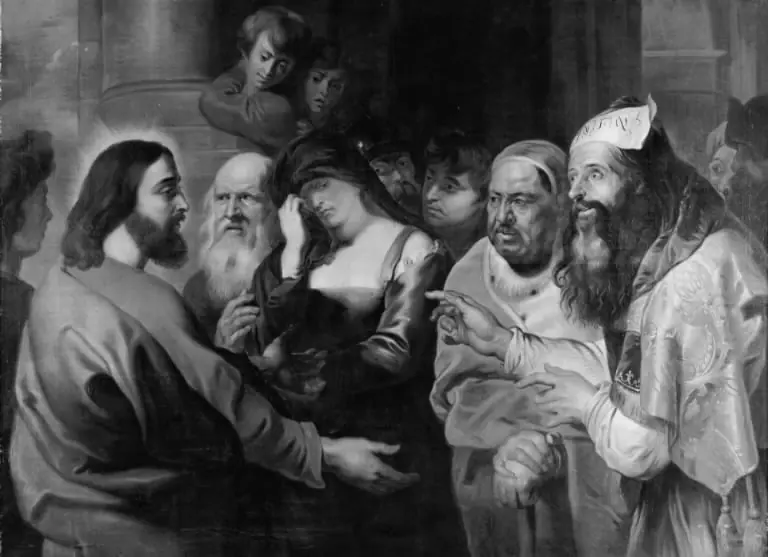 Kristus og synderinden
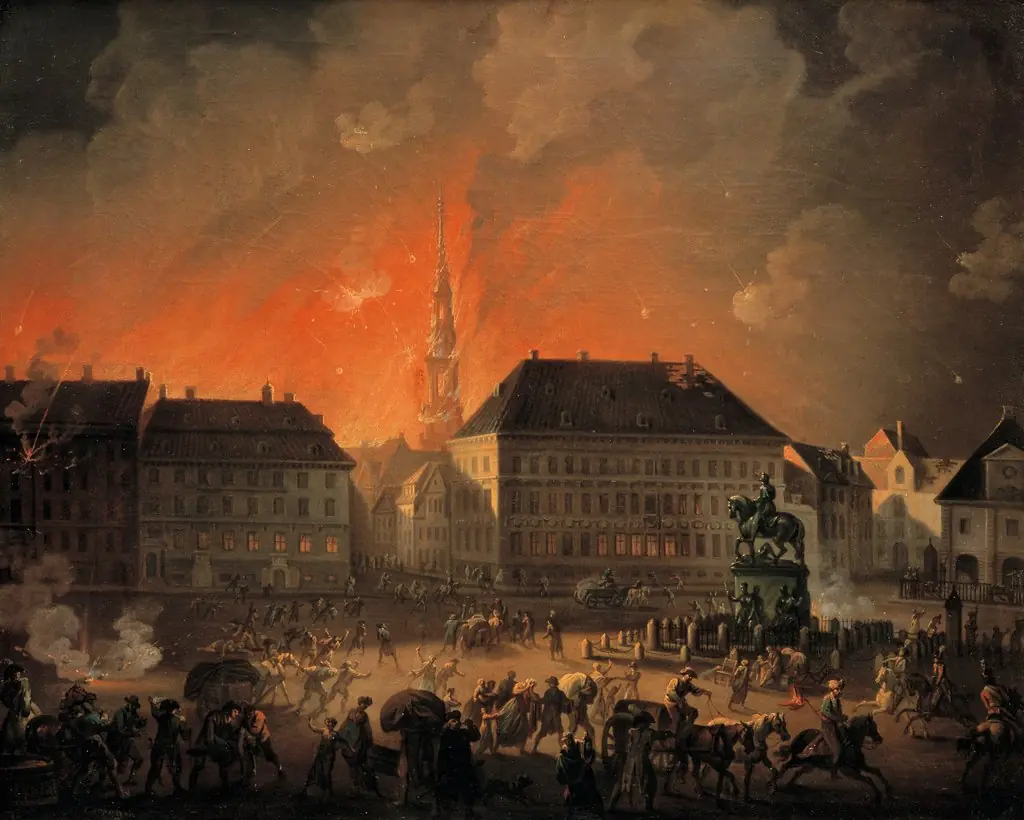 The Most Terrible Night. View of Kongens Nytorv in Copenhagen During the English Bombardement of Copenhagen at Night between 4 and 5 September 1807
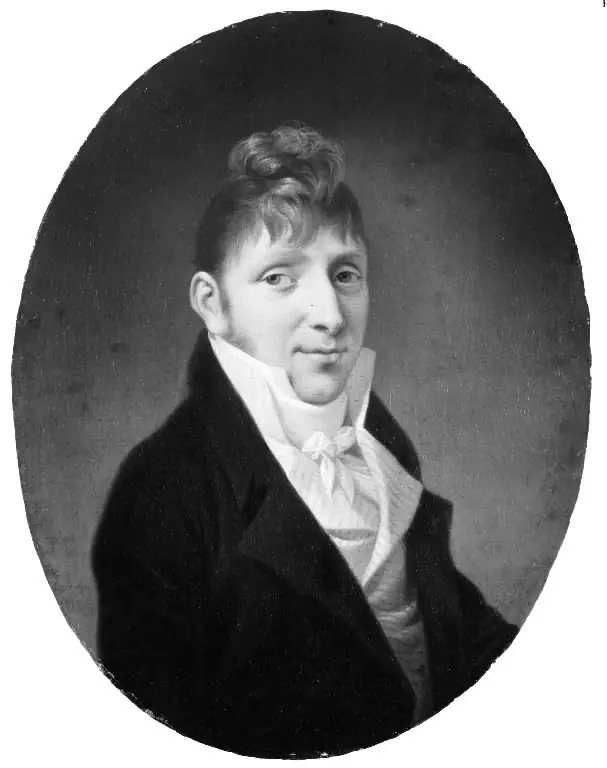 Mandsportræt
 De Usynlige, III akt, 3. scene
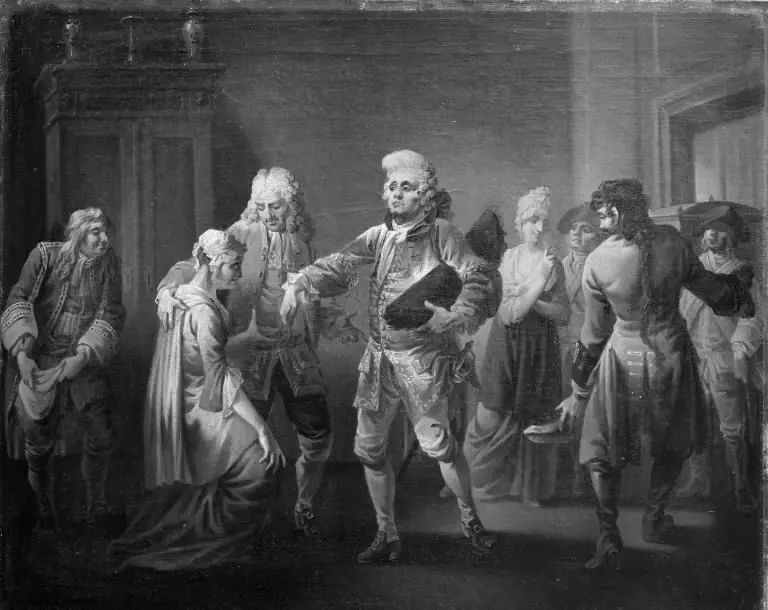 Den honette Ambition, III akt, 5. scene
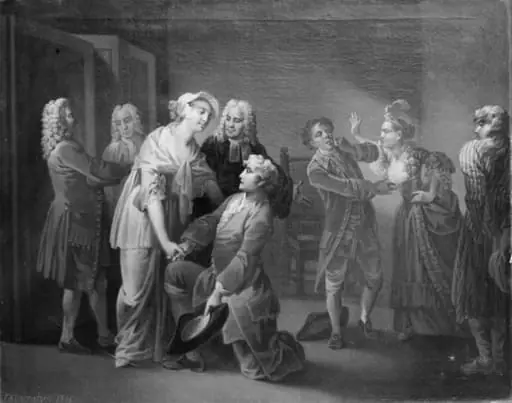 Henrik og Pernille, III akt, 13. scene
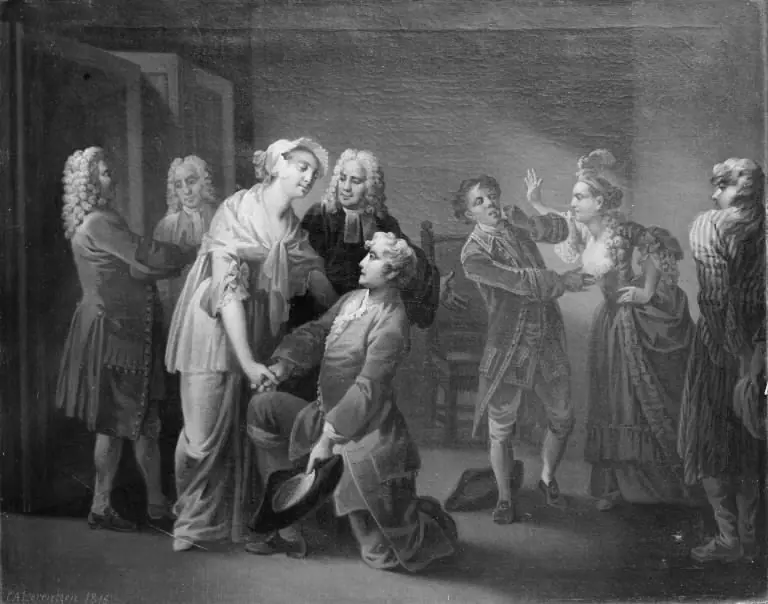 Henrik og Pernille, III akt, 13. scene
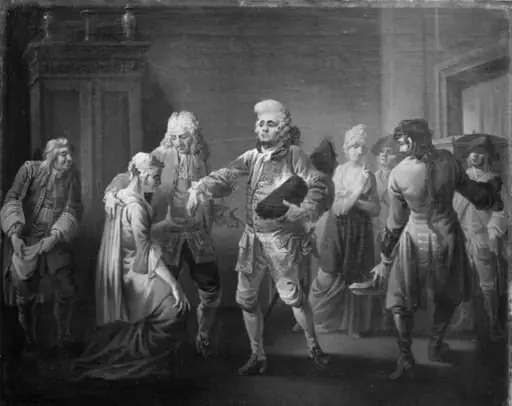 Den honette Ambition, III akt, 5. scene
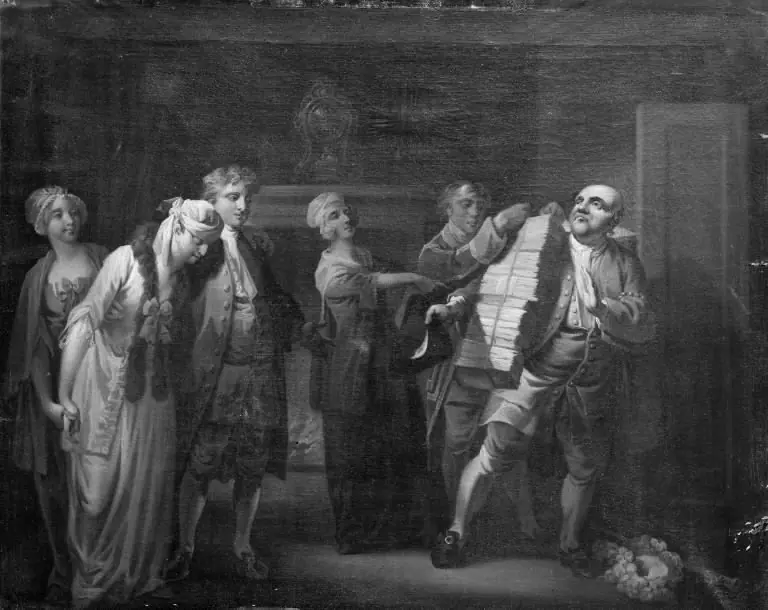 Republikken eller Det gemene Bedste, III akt, 10. scene
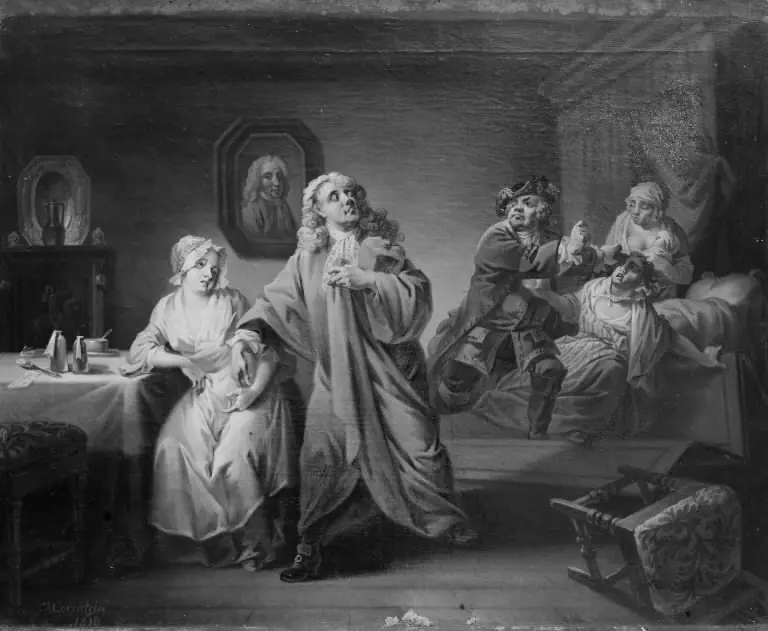 Barselstuen, III akt, 6. scene
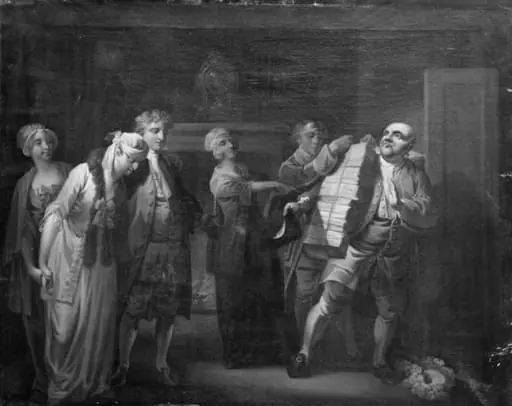 Republikken eller Det gemene Bedste, III akt, 10. scene
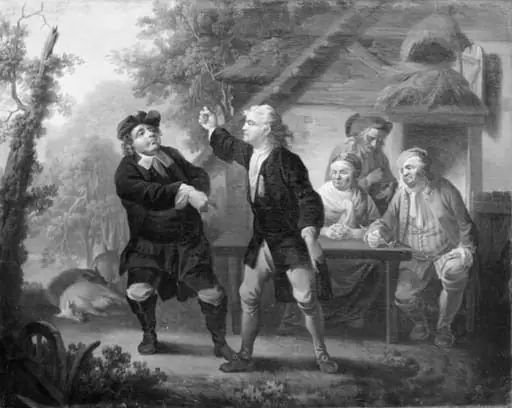 Erasmus Montanus, III akt, 3. scene
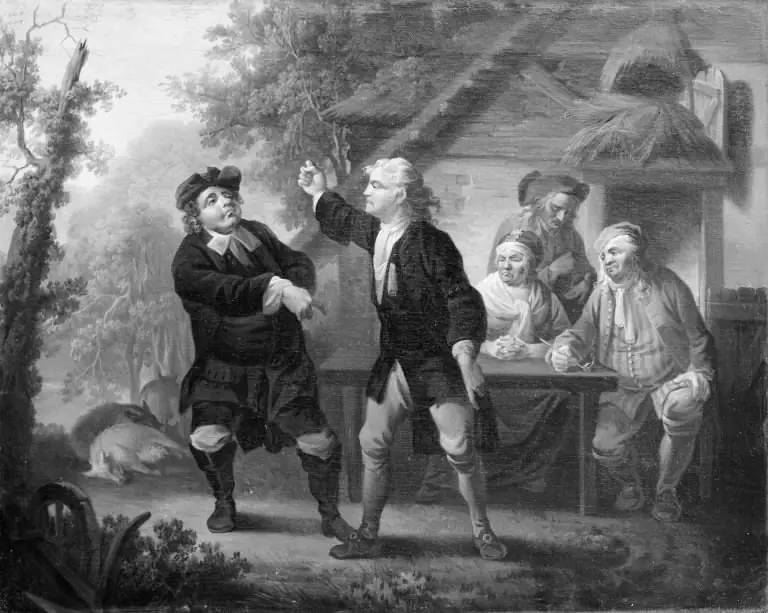 Erasmus Montanus, III akt, 3. scene
 Det lykkelige Skibbrud, IV akt, 6. scene
 Pernilles korte Frøkenstand, III akt, 7. scene