Artwork
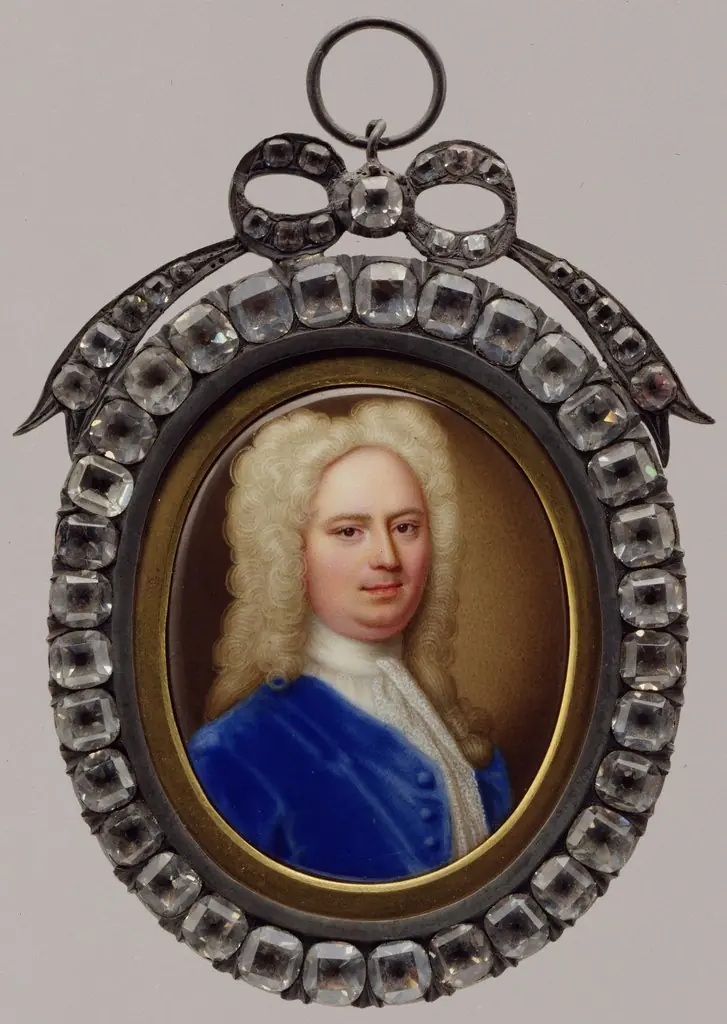
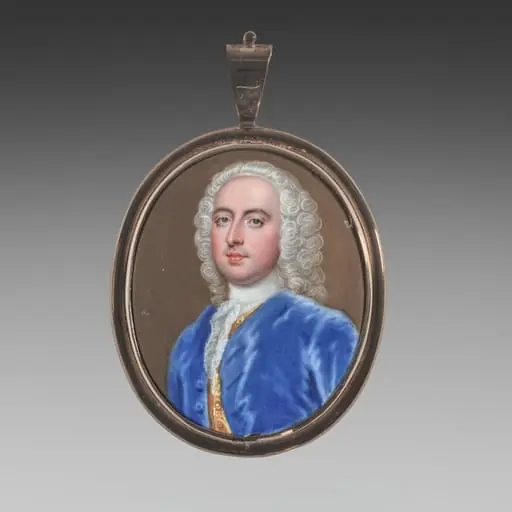
Unknown man, called Francis Dayrell, lord Ashley
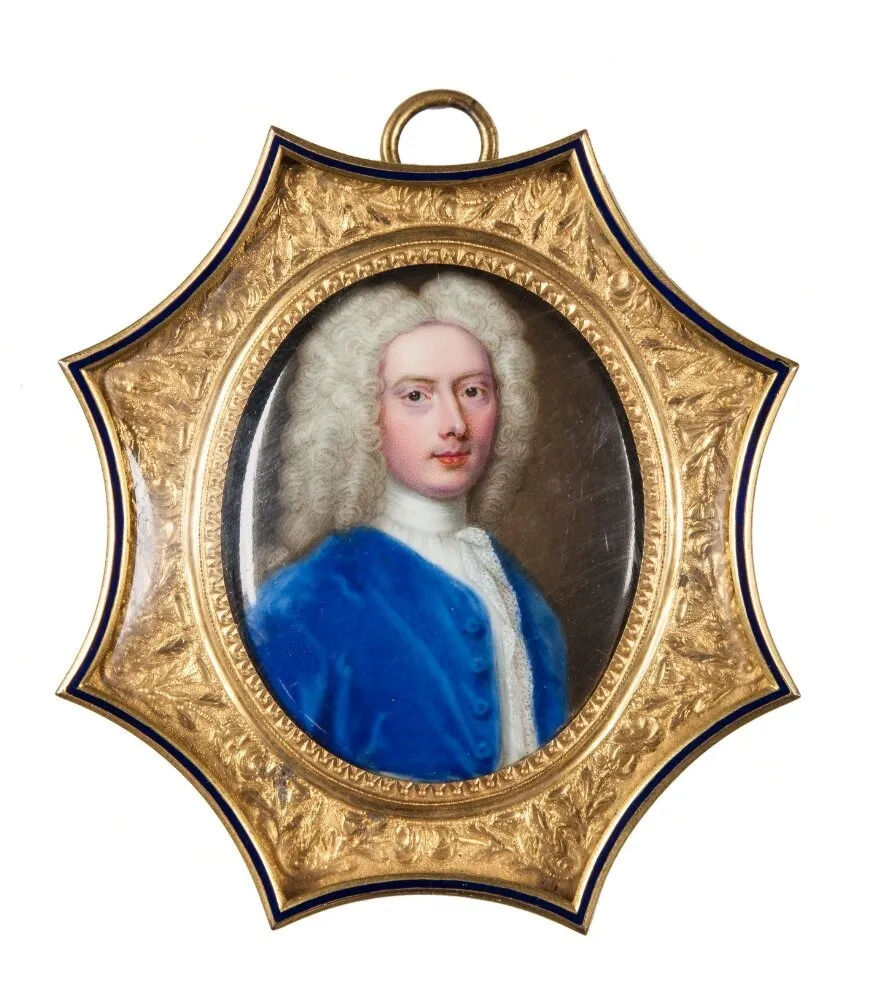
Unknown man, called Francis Dayrell, lord Ashley is an unspecified painting by Christian Friedrich Zincke. It dates from 1733 and is held in the collection of the Nationalmuseum.
About this work
Overview
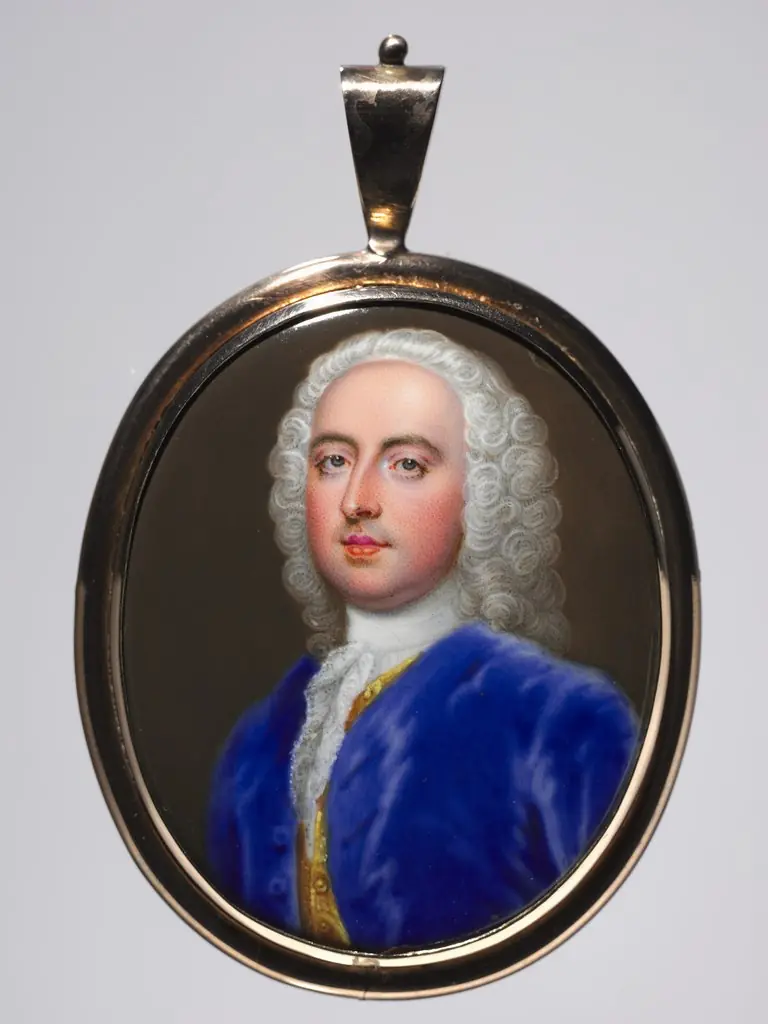
This enamel portrait, executed in the early 1730s, depicts a gentleman with white, loosely curled hair, dressed in a blue velvet jacket trimmed with white lace. Rendered from the chest upward, he gazes forward while his head is turned slightly to his right, set against a uniform brown background. The work is part of the Nationalmuseum’s collection in Stockholm.
Subject & Meaning
The sitter remains unidentified beyond the name Francis Dayrell, styled as “lord Ashley,” a title that suggests a connection to the English landed gentry. His solemn expression and refined attire convey the social standing and dignified bearing expected of a gentleman of his era.
Technique & Style
Created by German miniaturist Christian Friedrich Zincke, the portrait employs the enamel medium, a painstaking process of painting on a metal surface and then firing it to achieve a luminous, durable finish. Zincke’s handling of light on the velvet jacket and the delicate rendering of lace demonstrate his skill in achieving texture within the constraints of enamel.
History & Provenance
The miniature was painted circa 1733, during Zincke’s productive period in England, where he catered to aristocratic patrons. It later entered the collection of Sweden’s Nationalmuseum, where it is currently displayed.
Context
Zincke, a German-born artist who settled in London, was renowned for his miniature portraits, a popular form of personal commemoration among the 18th‑century elite. This work exemplifies the cross‑national artistic exchange of the period, combining German technique with English patronage.
Artist & collection
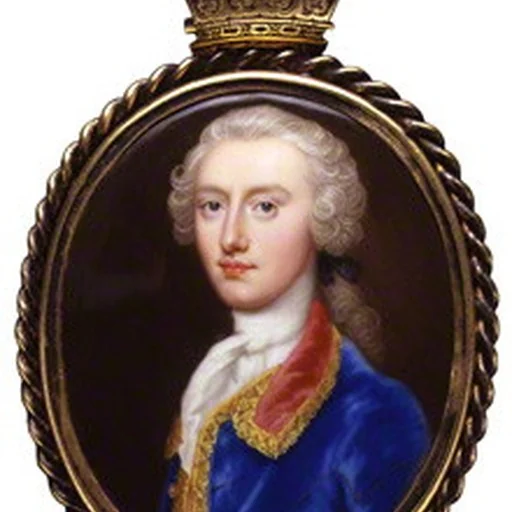
Artist
Christian Friedrich Zincke (c.1683–5 – 24 March 1767) was a German miniature painter active in England in the 18th century.

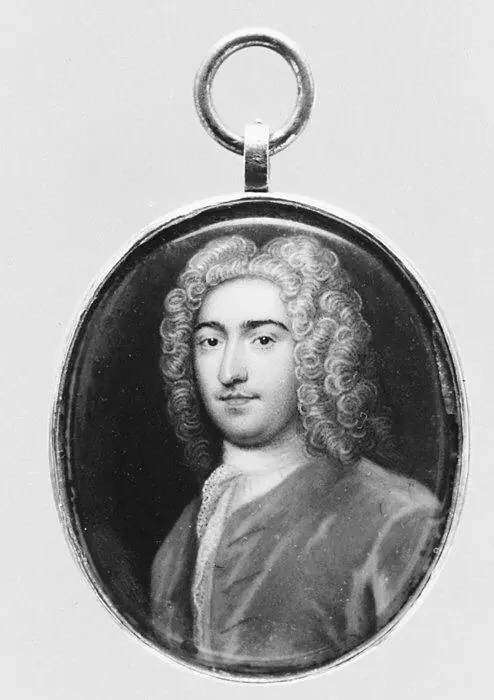
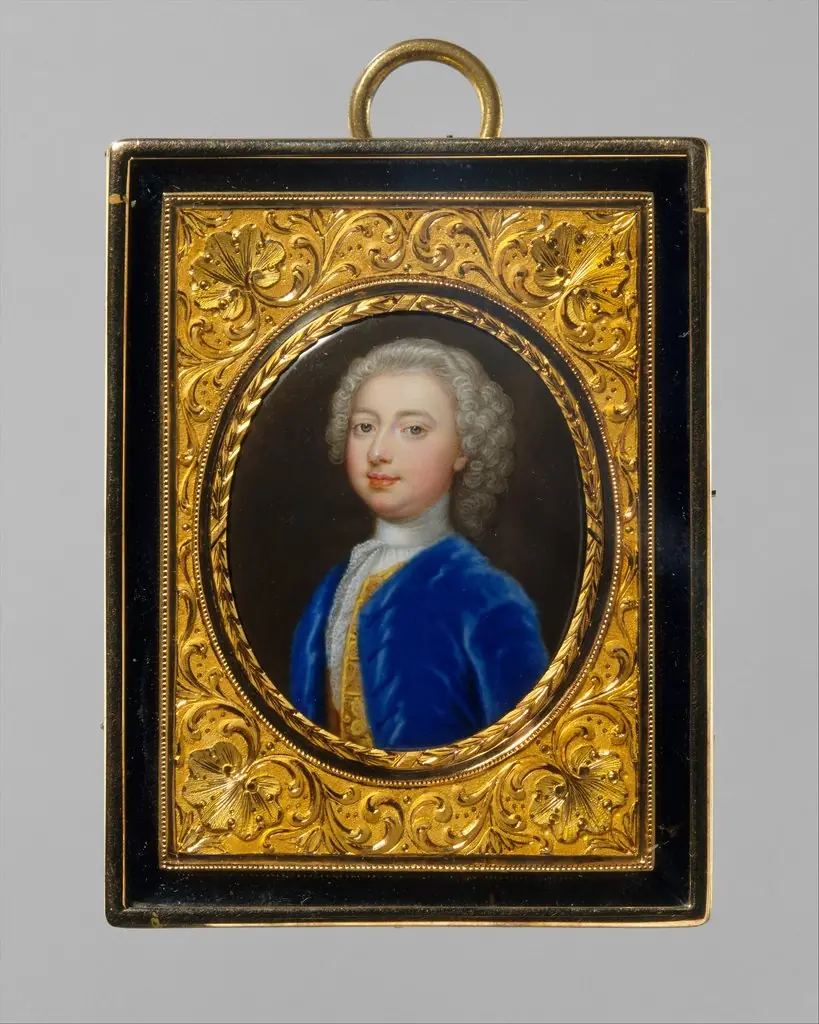
 Portrait of an unknown man
 Portrait of a Man
 Portrait of a Man
 Georg II, King of England and Scotland
 Portrait of Friedrich I van Pruisen (1657-1713)
 Frederick I, King of Sweden
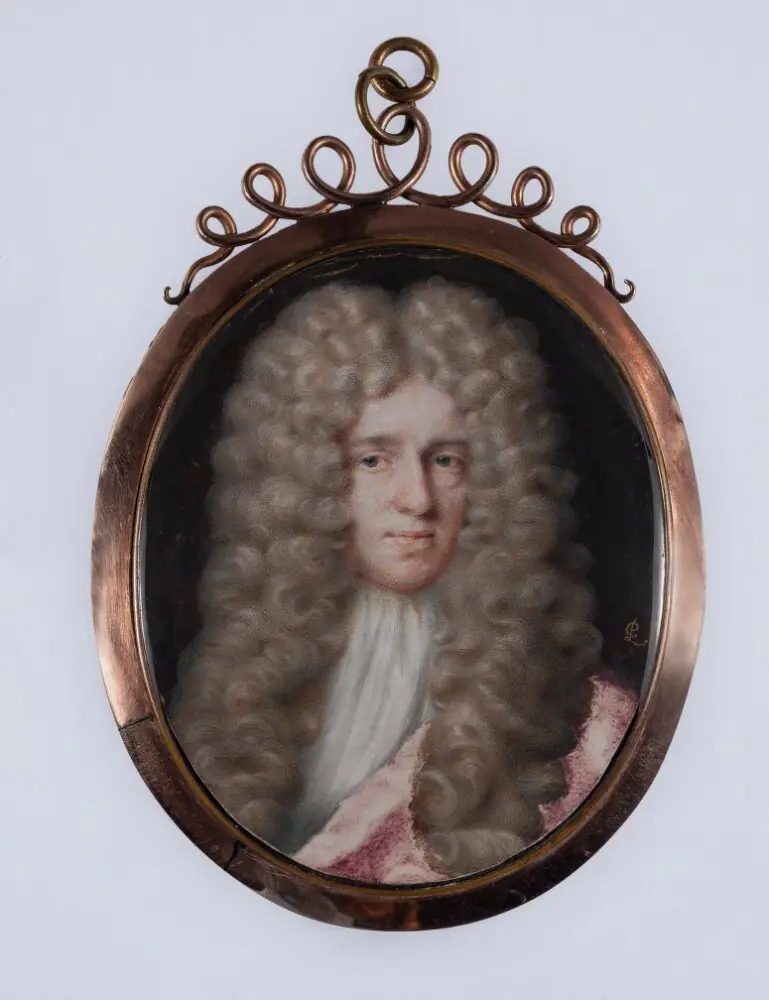 Porträtt av man i allongeperuk med röd mantel
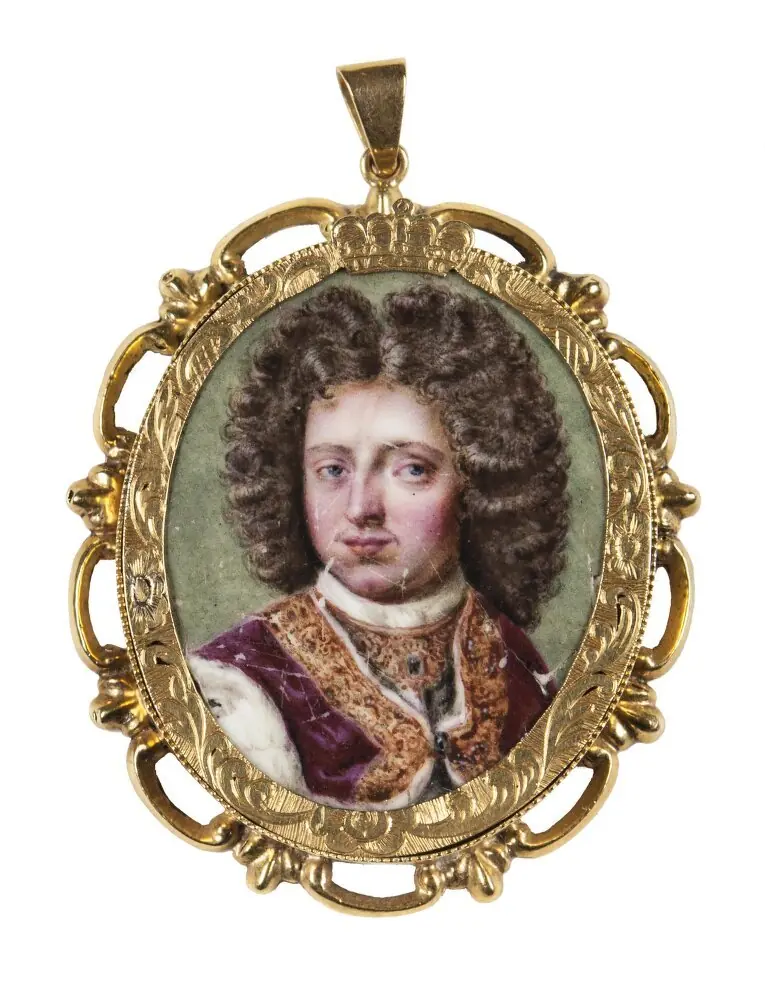 Karl X Gustaf, King of Sweden
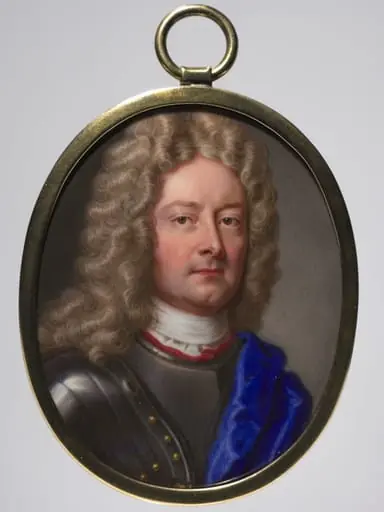 Portrait of John Churchill, 1st Duke of Marlborough
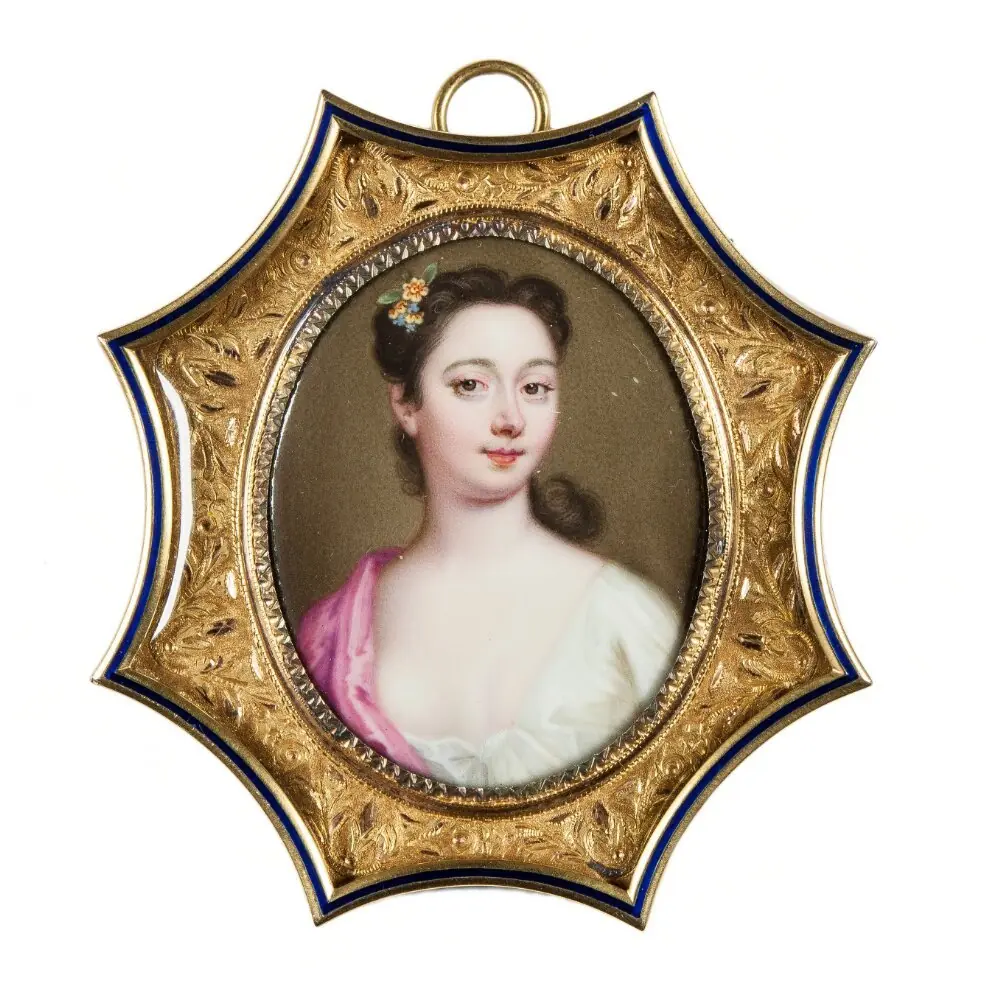 Unknown woman, called Lady Ashley