Artwork
Georg II, King of England and Scotland
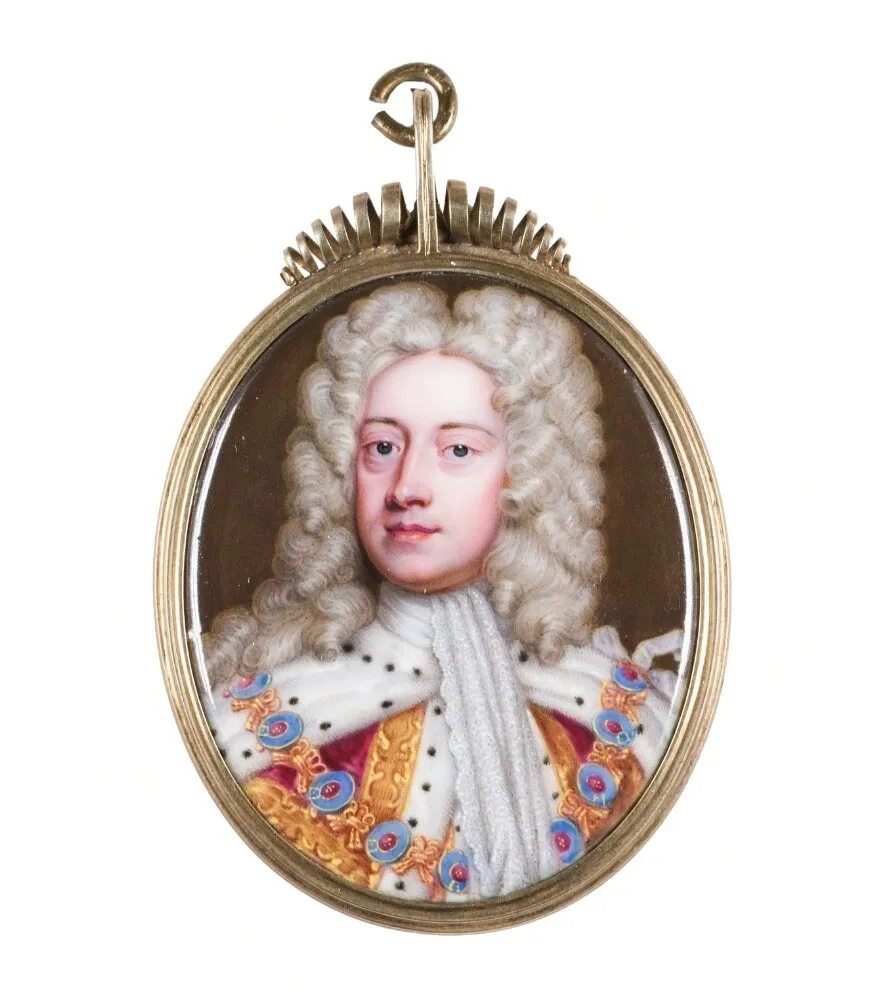
Georg II, King of England and Scotland is an unspecified painting by the Barbizon school artist Christian Friedrich Zincke. It dates from 1717 and is held in the collection of the Nationalmuseum.
About this work
Overview
Zincke, a German-born artist who settled in London, specialized in small-scale, highly detailed likenesses for aristocratic patrons.
This portrait miniature, painted in 1717 by Christian Friedrich Zincke, depicts George II, then King of Great Britain and Ireland. Executed in watercolor on vellum, it reflects the refined tradition of court portraiture in early 18th-century England. Zincke, a German-born artist who settled in London, specialized in small-scale, highly detailed likenesses for aristocratic patrons. The work is held in the collection of the Nationalmuseum in Stockholm.
Subject & Meaning
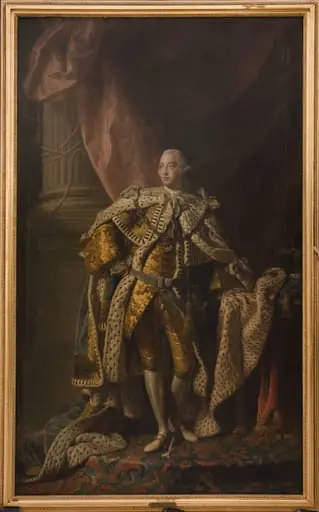
George II is portrayed in ceremonial regalia, emphasizing his royal authority. His white wig and elaborate robe, adorned with gold embroidery and colored jewels, signal his position as monarch. The somber background focuses attention on his dignified bearing and the precision of his attire. The image does not convey action or emotion but instead asserts status through formal dress and composed demeanor, typical of royal portraiture of the period.
Technique & Style
Zincke employed fine brushwork and layered watercolor on vellum to achieve subtle tonal transitions and intricate detail. The texture of lace, the sheen of silk, and the gleam of gemstones are rendered with meticulous care. His style blends German precision with English portraiture conventions, favoring clarity and realism over theatricality. The small scale—typical of miniatures—demands close viewing, reinforcing the intimate, personal nature of courtly commissions.
History & Provenance
Commissioned during George II’s early reign, the portrait was likely created for a member of the royal circle or a foreign diplomat. Zincke’s reputation as a leading miniature painter attracted royal patronage, and this work entered the Nationalmuseum’s collection through documented acquisitions in the 19th century. Its survival reflects the value placed on such portraits as both artistic objects and symbols of political legitimacy.
Context
In the early 1700s, portrait miniatures remained a favored medium among European elites, despite the rise of larger oil paintings. Zincke’s work emerged in a London art world increasingly shaped by Hanoverian tastes after the accession of George I. Miniatures served as portable tokens of loyalty and status, exchanged among courtiers and monarchs across borders, making them key artifacts of diplomatic and social culture.
Legacy
Zincke’s portraits helped define the aesthetic of British miniature painting in the 18th century. His technical rigor influenced subsequent artists and preserved the tradition even as larger formats gained prominence. This portrait of George II stands as a representative example of how royal identity was visually codified in intimate form, bridging personal likeness and institutional authority in a pre-photographic era.
Artist & collection
Artist
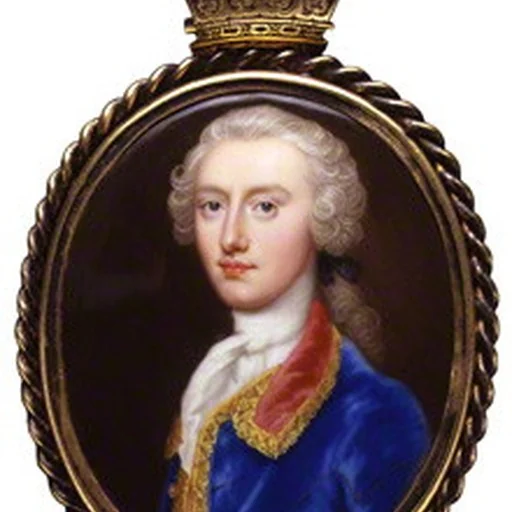
Christian Friedrich Zincke (c.1683–5 – 24 March 1767) was a German miniature painter active in England in the 18th century.

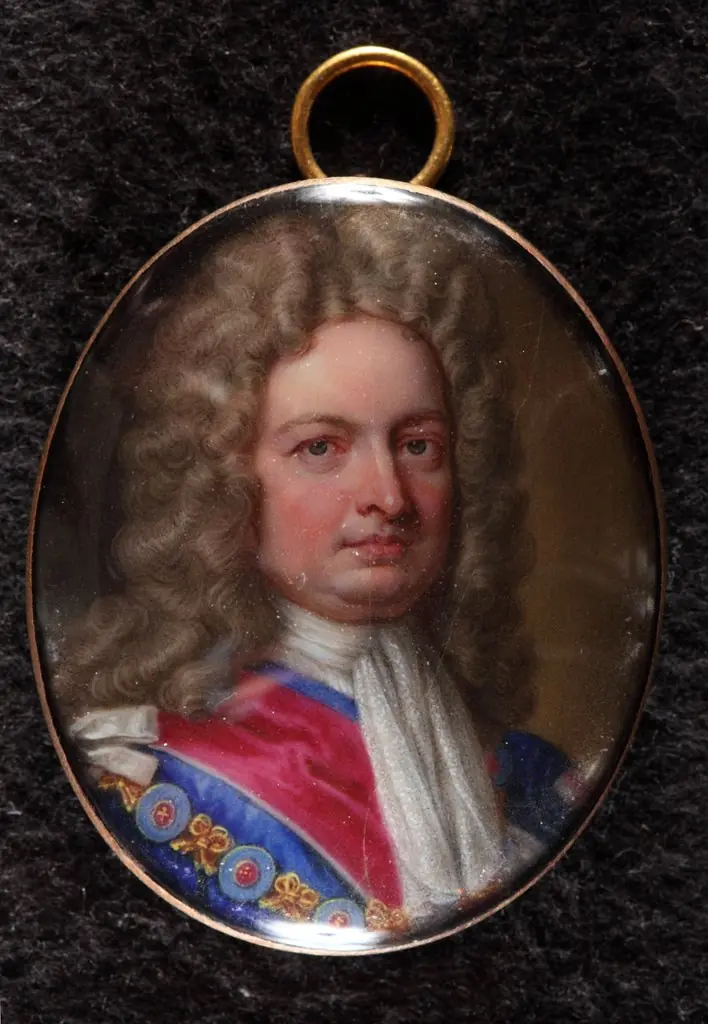
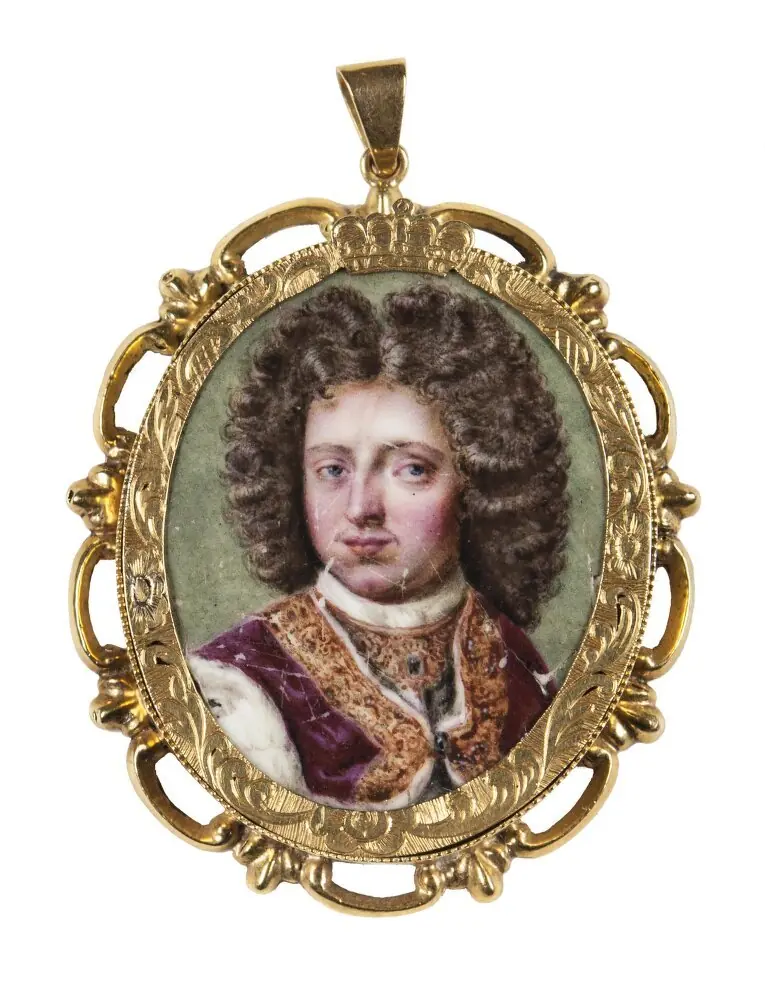 Karl X Gustaf, King of Sweden
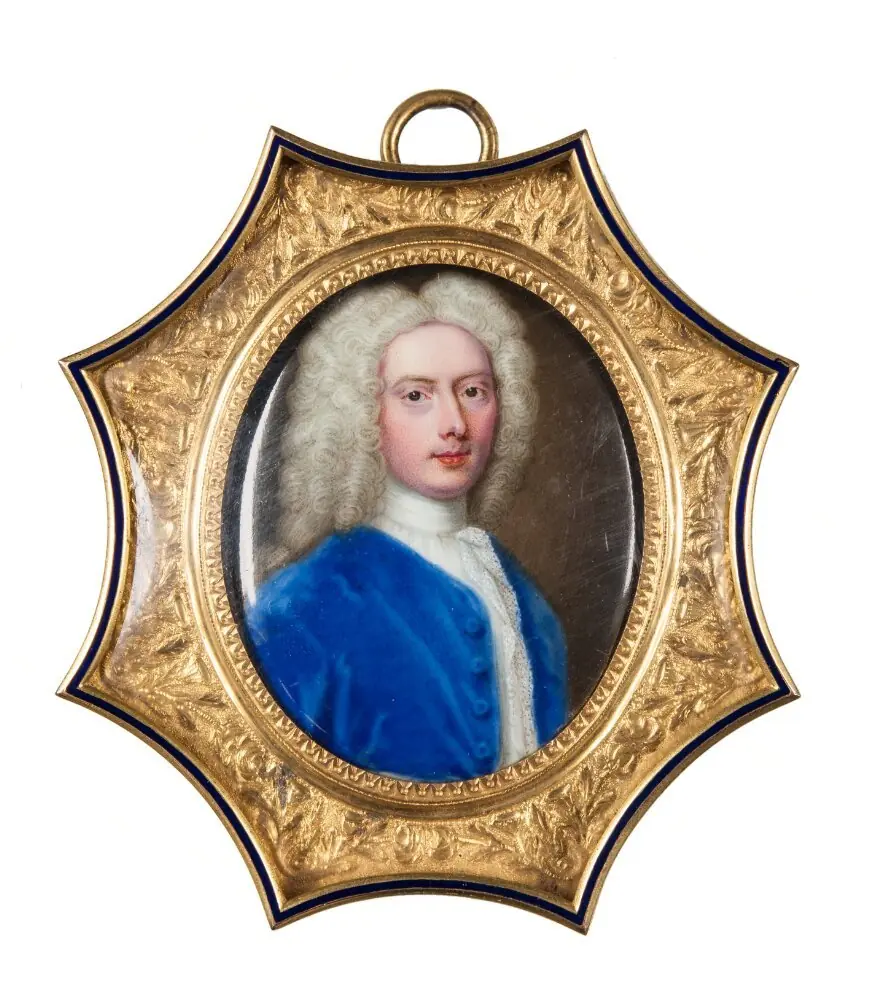 Unknown man, called Francis Dayrell, lord Ashley
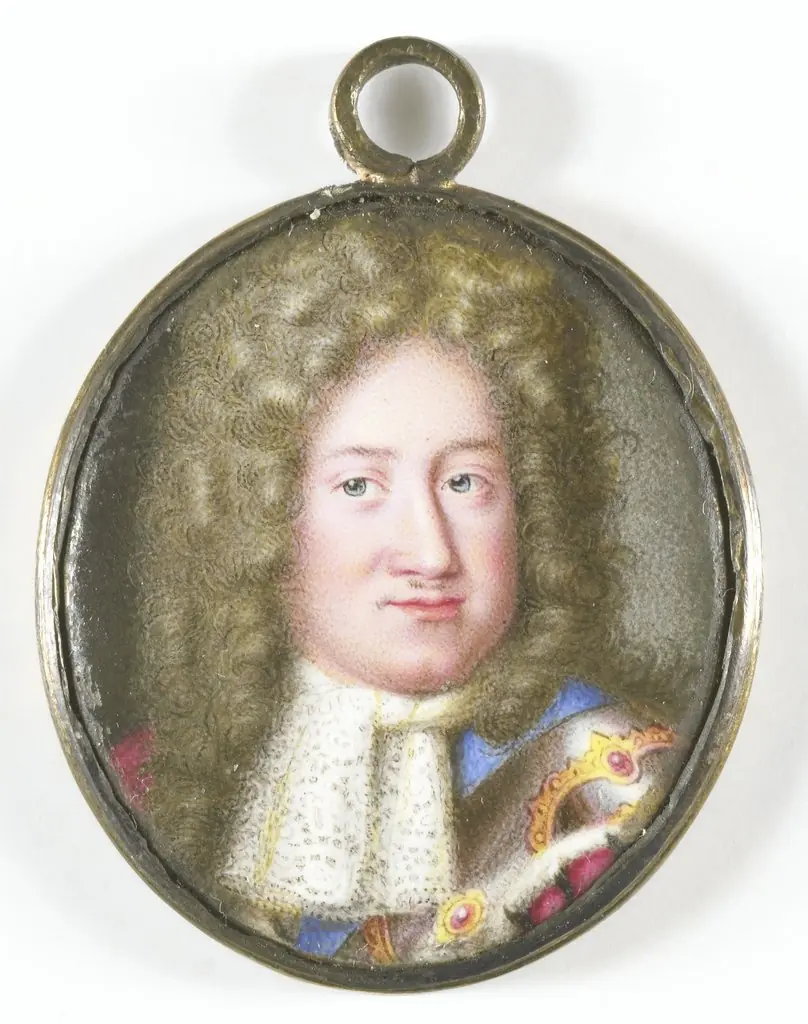 Portrait of Friedrich I van Pruisen (1657-1713)
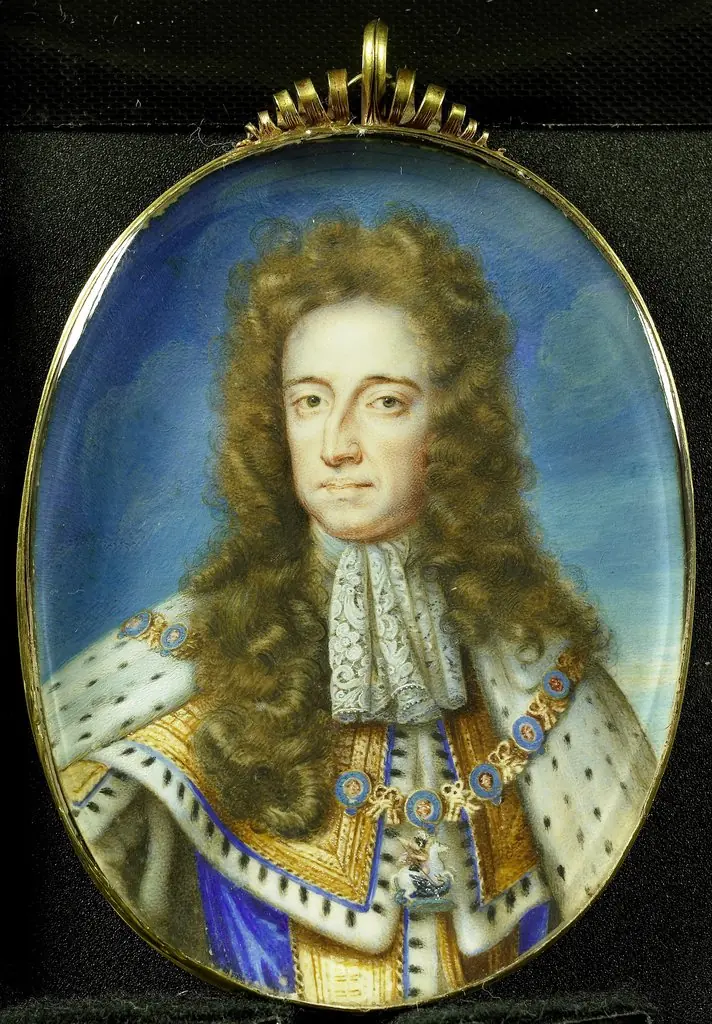 Portrait of William III of England (1650-1702)
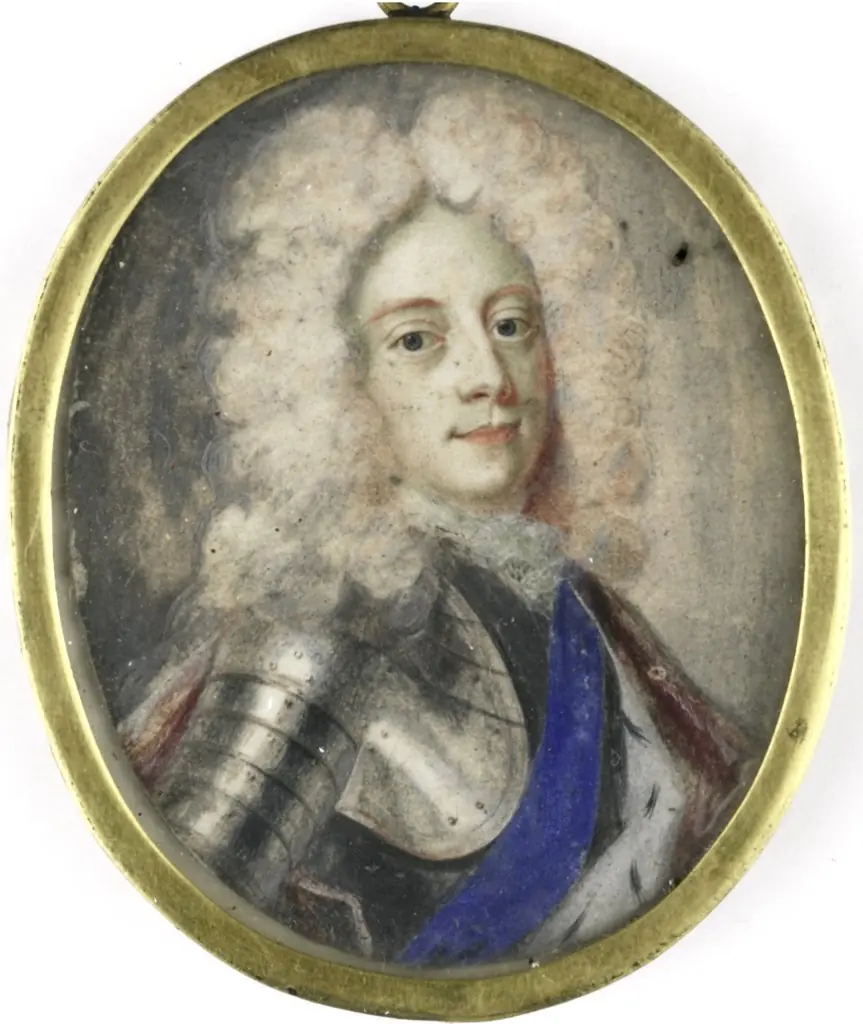 Portrait of Christiaan V van Denemarken (1646-1699)
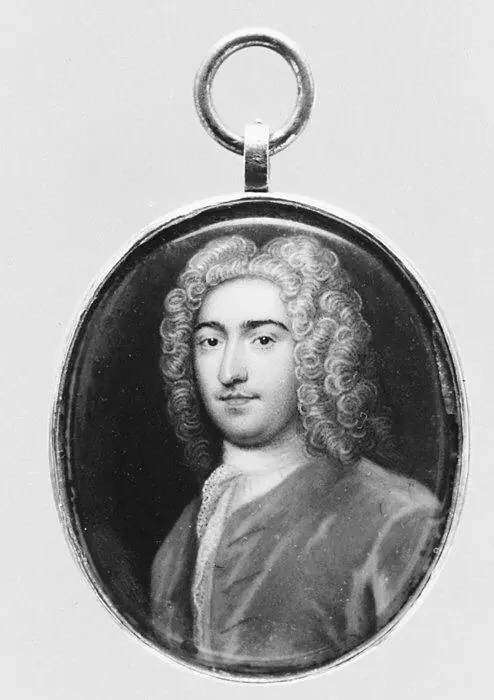
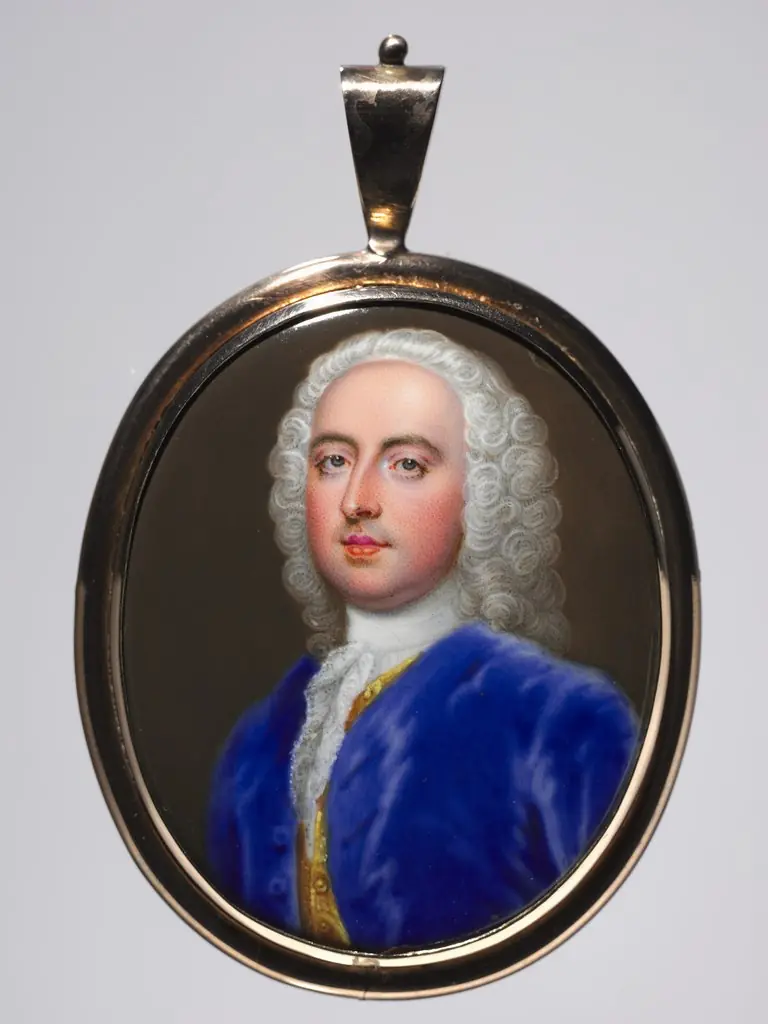 Portrait of a Man
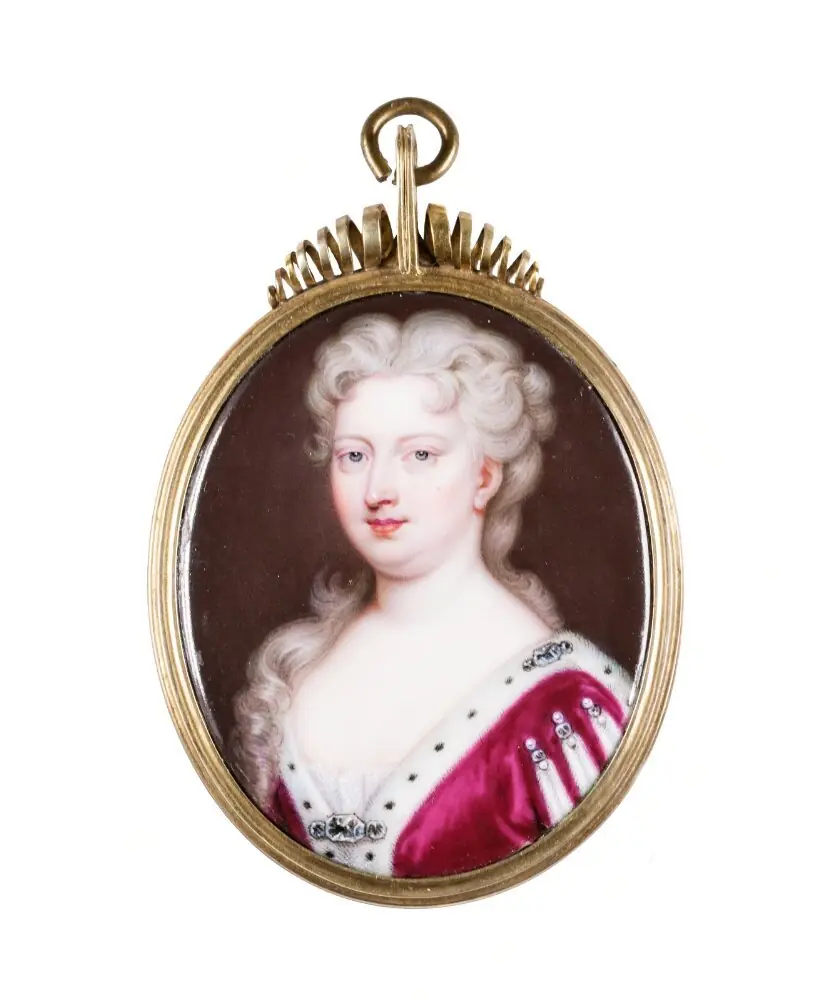 Wilhelmina Carolina, Queen of England and Scotland
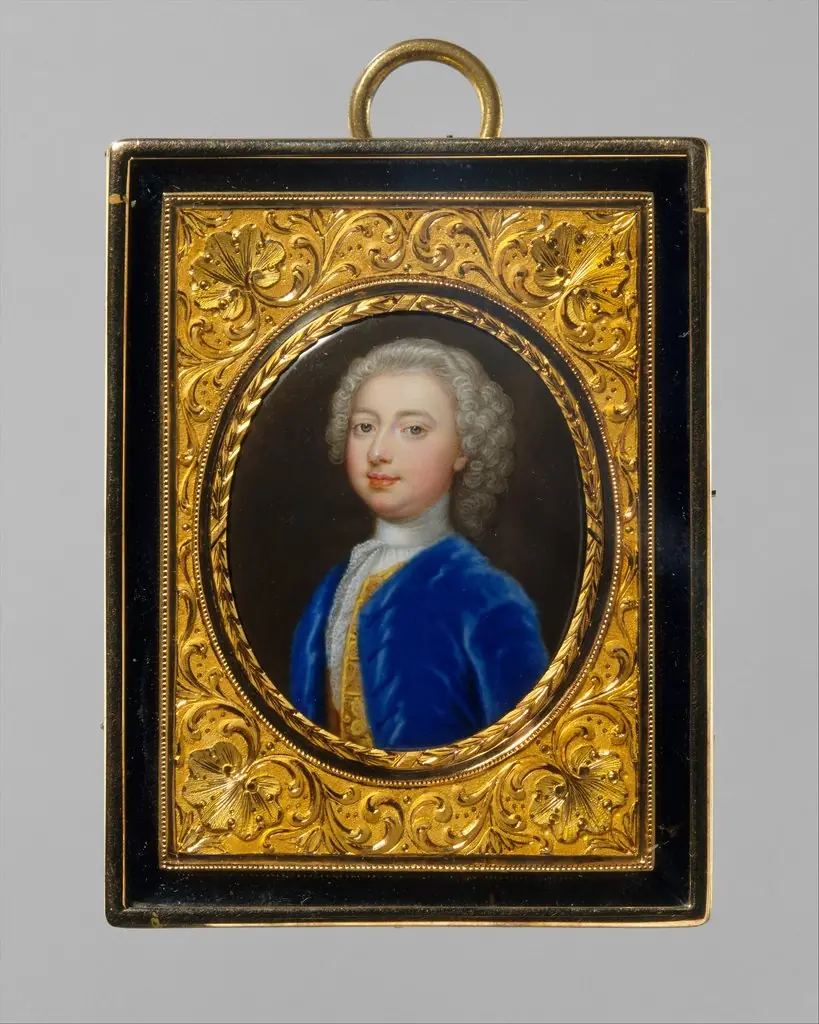
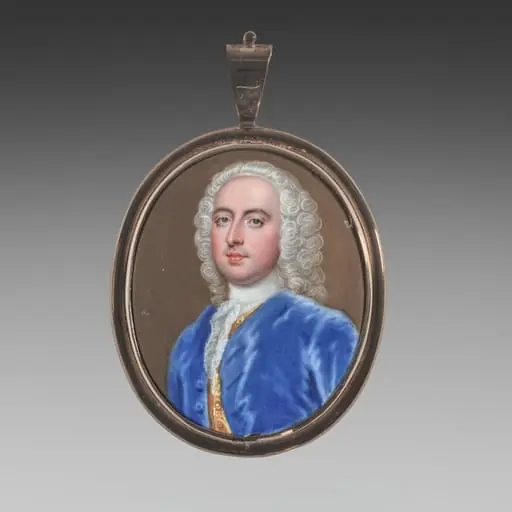 Portrait of a Man
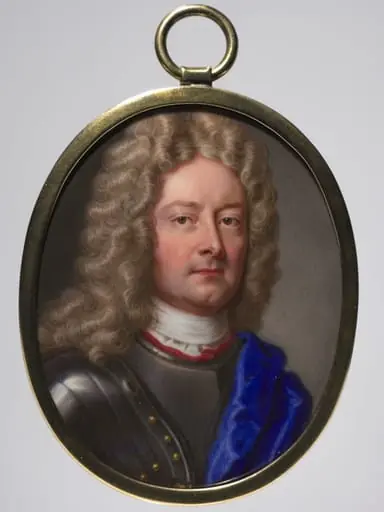 Portrait of John Churchill, 1st Duke of Marlborough
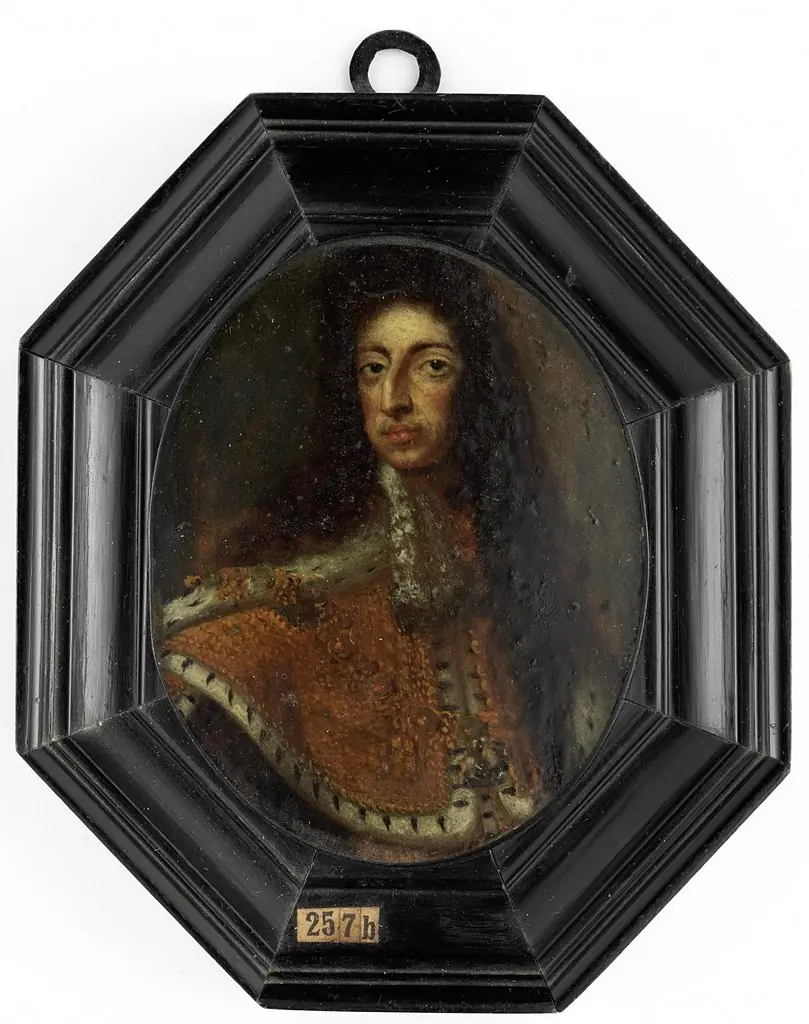 Portrait of William III, Prince of Orange and King of England after 1689
 George III of England