Artwork
Ceres
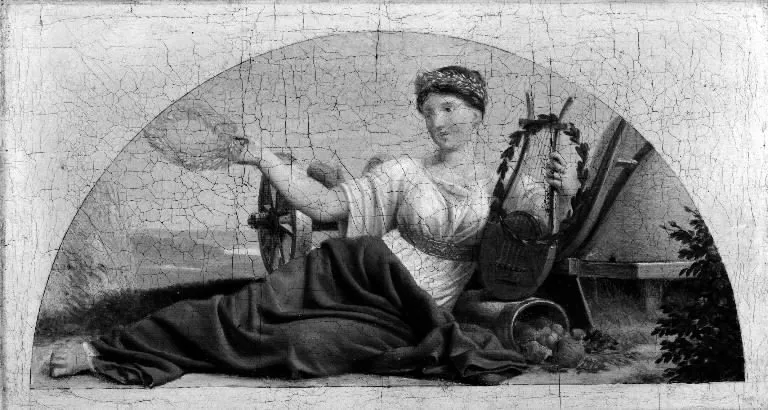
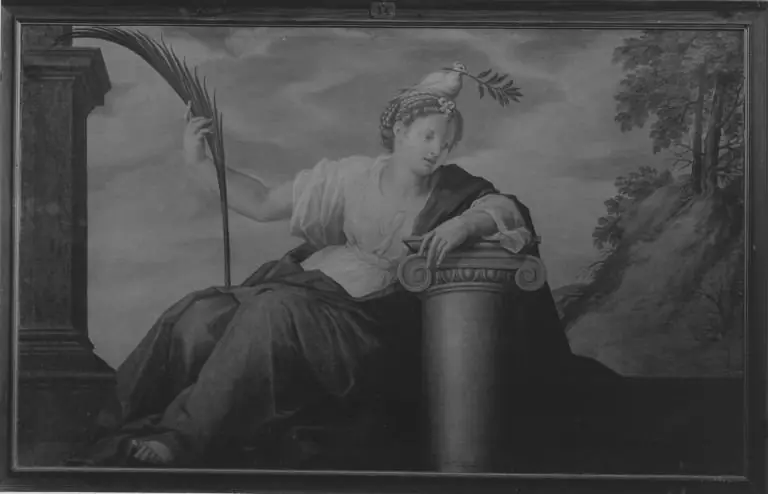
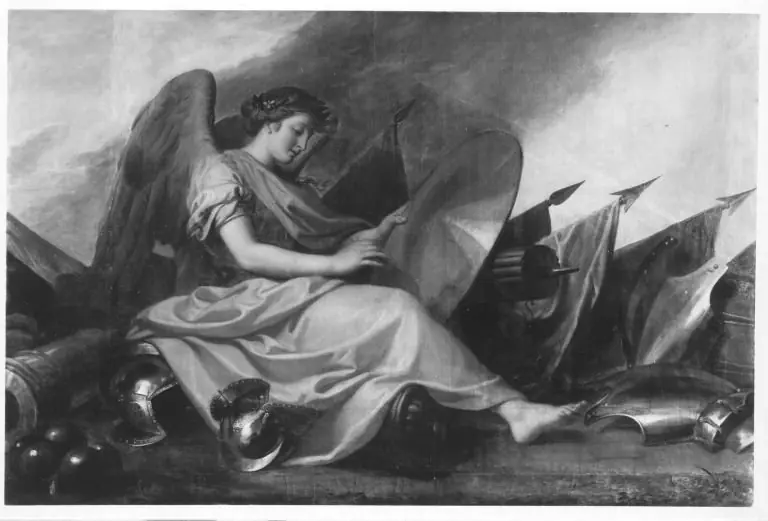
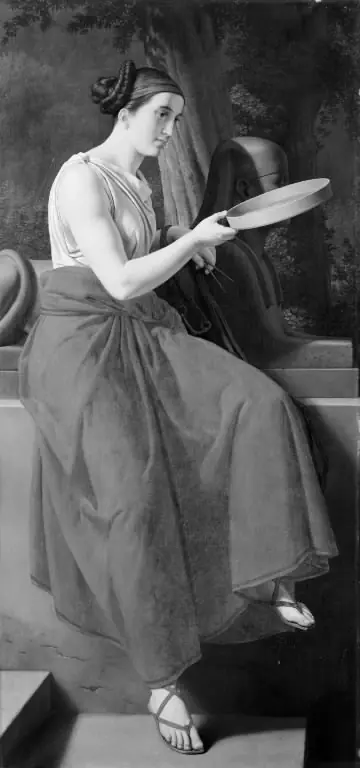
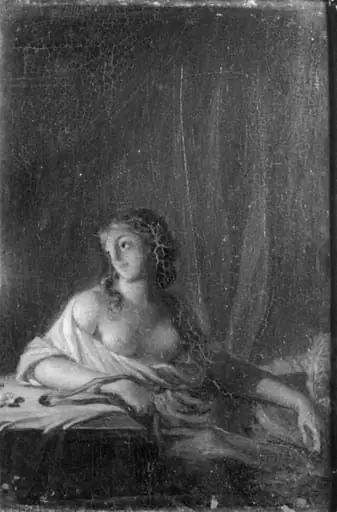
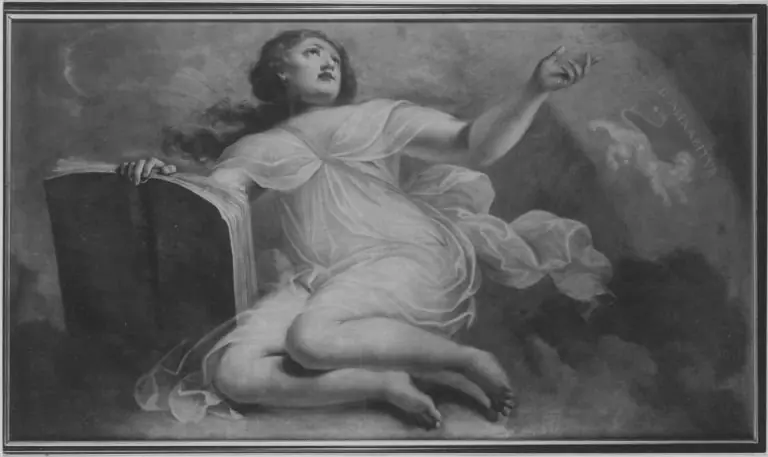
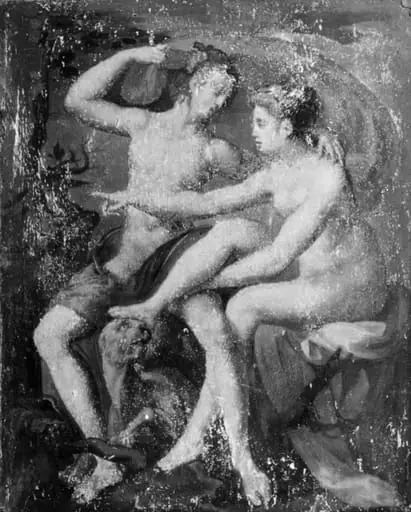
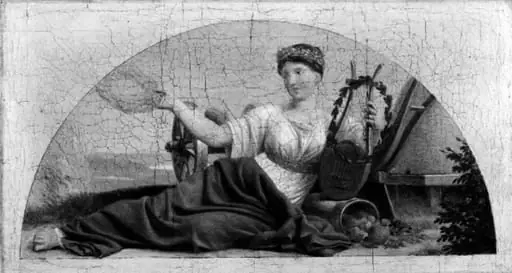
Ceres is an oil painting by the Neoclassicist artist Christoffer Wilhelm Eckersberg. It dates from 1822 and is held in the collection of the Statens Museum for Kunst.
About this work
Overview
Christoffer Wilhelm Eckersberg painted *Ceres* in 1822, employing oil on canvas to render a mythological subject. The work belongs to the Danish Golden Age and is presently part of the Statens Museum for Kunst’s collection.
Subject & Meaning
The composition presents the Roman goddess Ceres seated on the ground, her expression tranquil. In her right hand she holds a sheaf of wheat, while a jug rests in her left, symbols that associate the figure with agriculture, fertility and the seasonal cycle of harvest.
Technique & Style
Executed in a neoclassical manner, the painting features a clear, balanced arrangement and a restrained palette. The figure is rendered with smooth modeling and subtle chiaroscuro, set against a light‑toned backdrop that hints at distant trees or structures without distracting from the central deity.
History & Provenance
Created during Eckersberg’s mature period, *Ceres* entered the national collection of Denmark and is now displayed at the Statens Museum for Kunst. The work reflects the artist’s interest in classical themes that were popular in early‑19th‑century academic circles.
Context
Eckersberg, often called the father of Danish painting, was instrumental in shaping the visual language of the Golden Age. His choice of a Roman agricultural goddess aligns with contemporary neoclassical tastes, which favored idealized representations of antiquity to convey moral and civic virtues.
Artist & collection
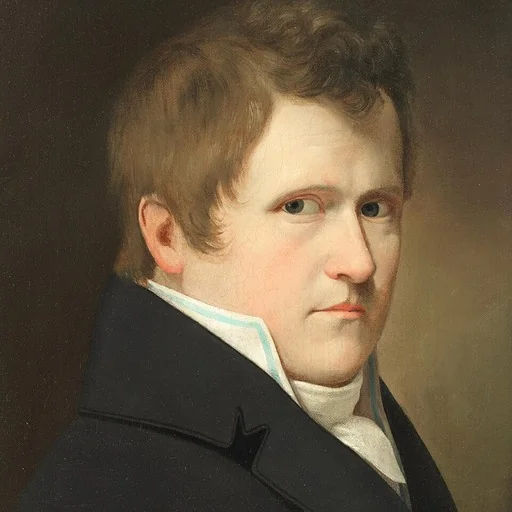
Artist
Christoffer Wilhelm Eckersberg
Christoffer Wilhelm Eckersberg (2 January 1783 – 22 July 1853) was a Danish painter.

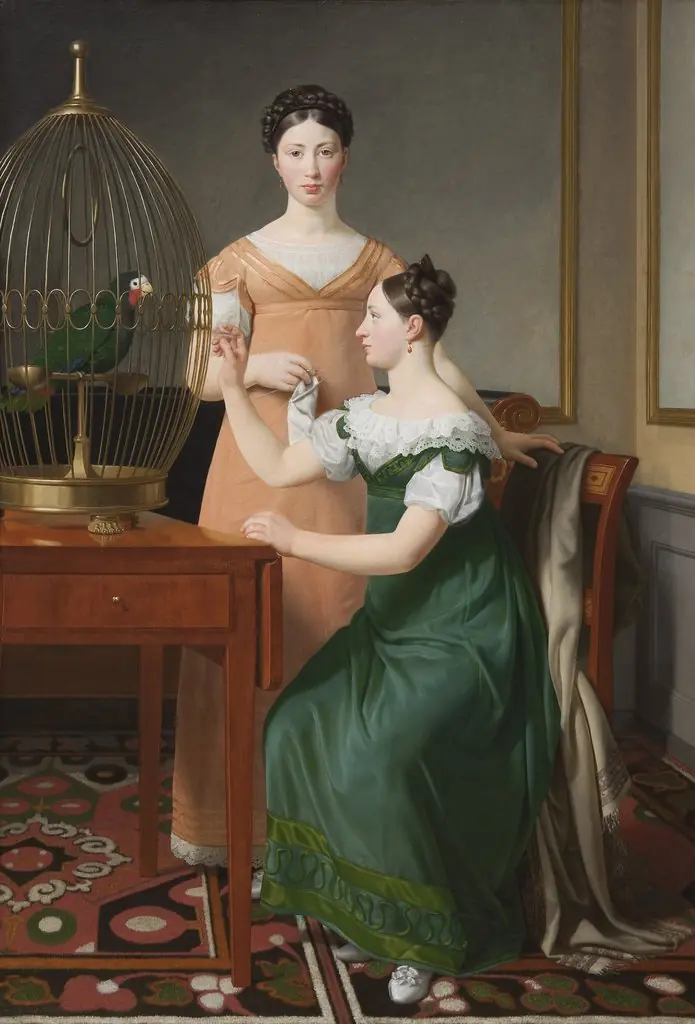 Bella and Hanna. The Eldest Daughters of M. L. Nathanson
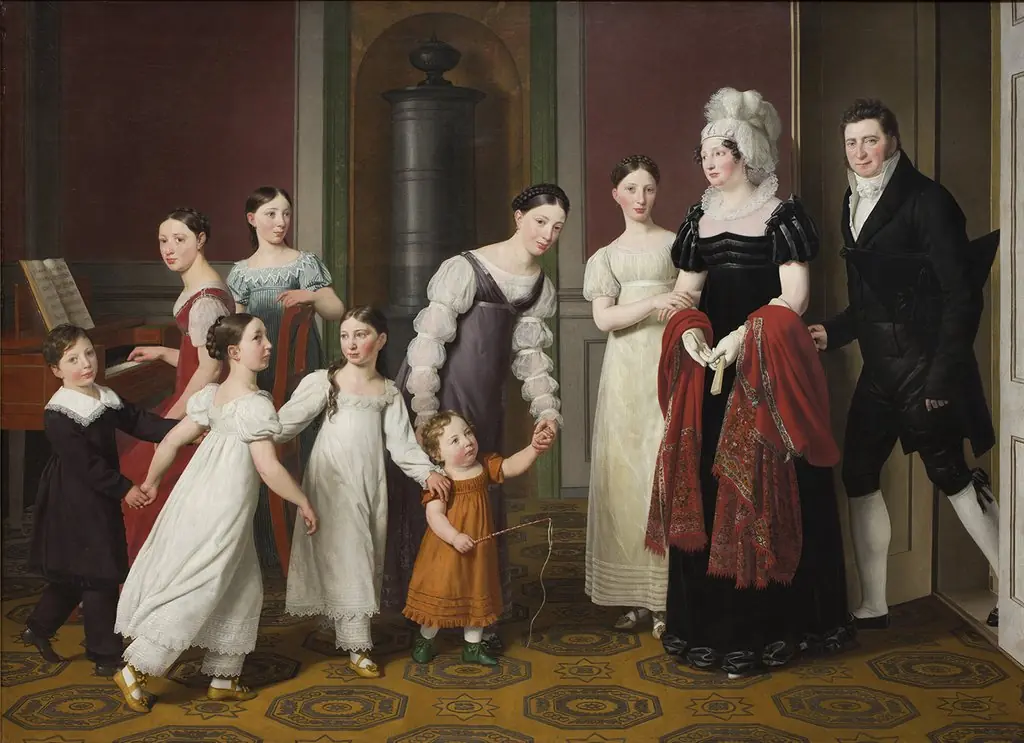 Familien Nathanson
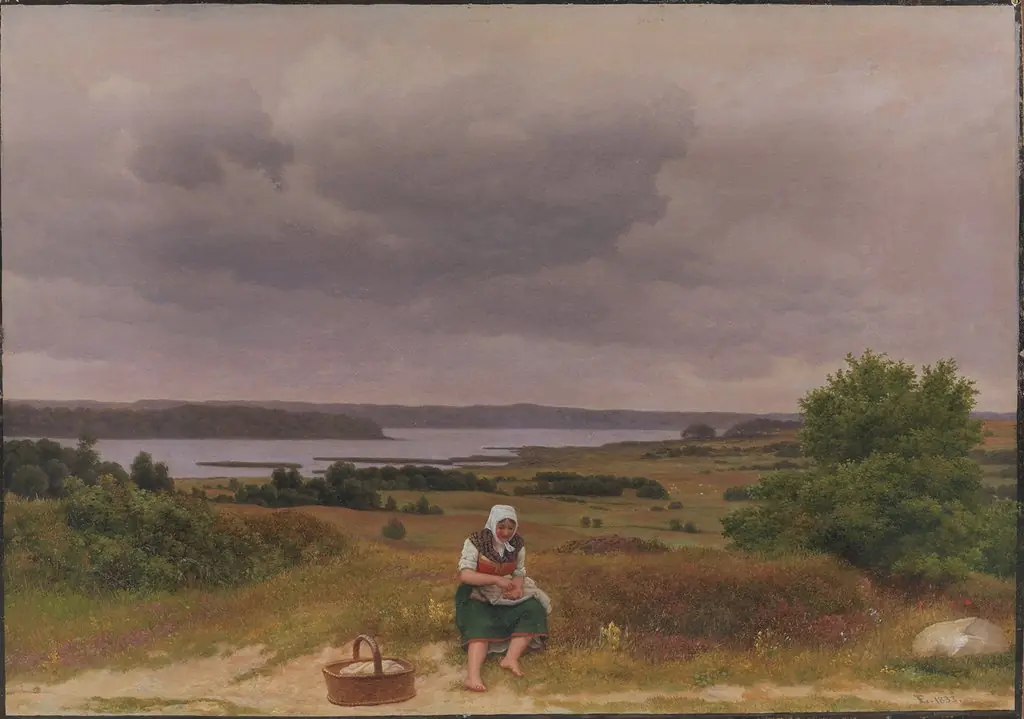 View of Lake Fure near Rudersdal, North Sealand.
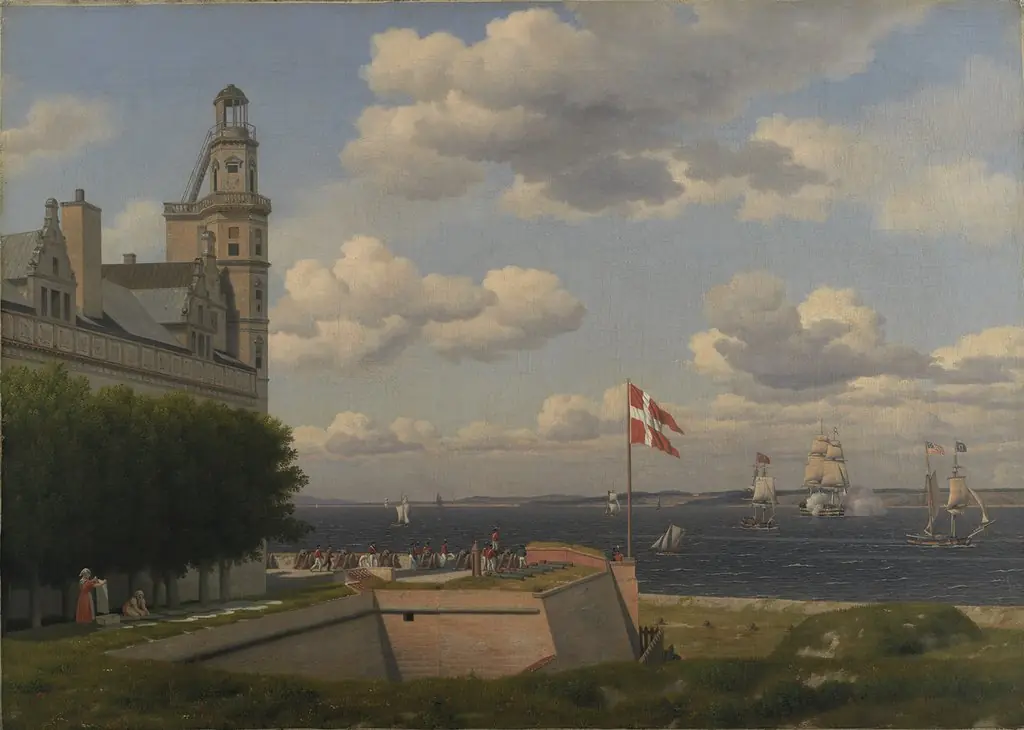 A View towards the Swedish Coast from the Ramparts of Kronborg Castle
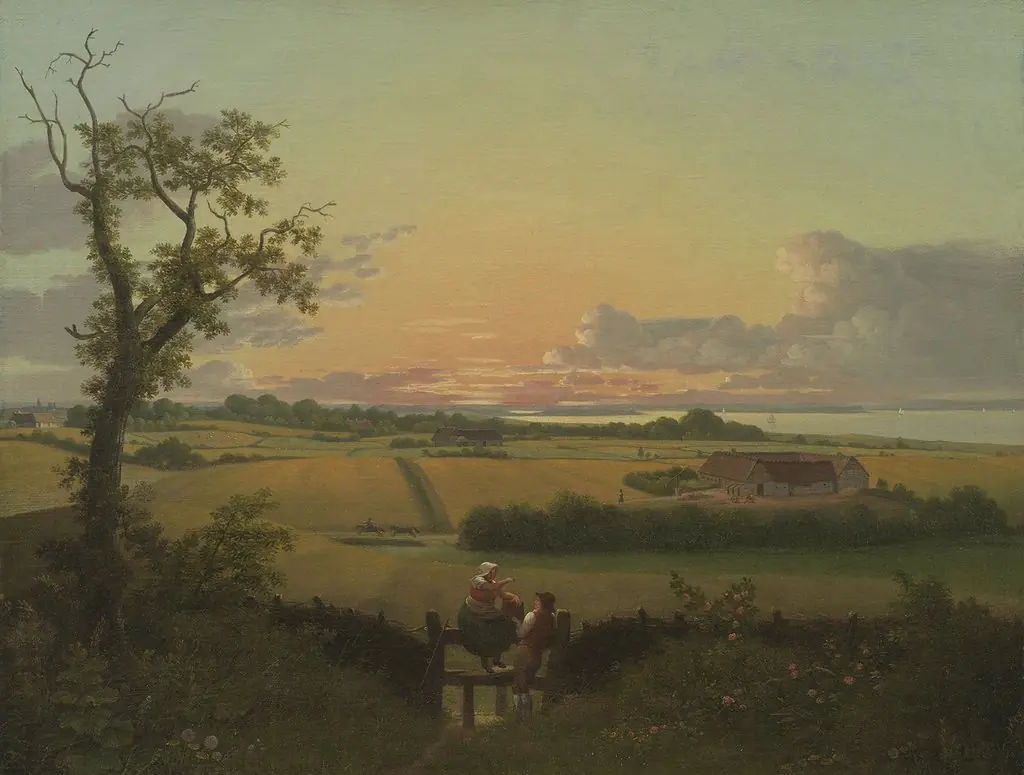 Landscape with a Stile. The Isle of Møn
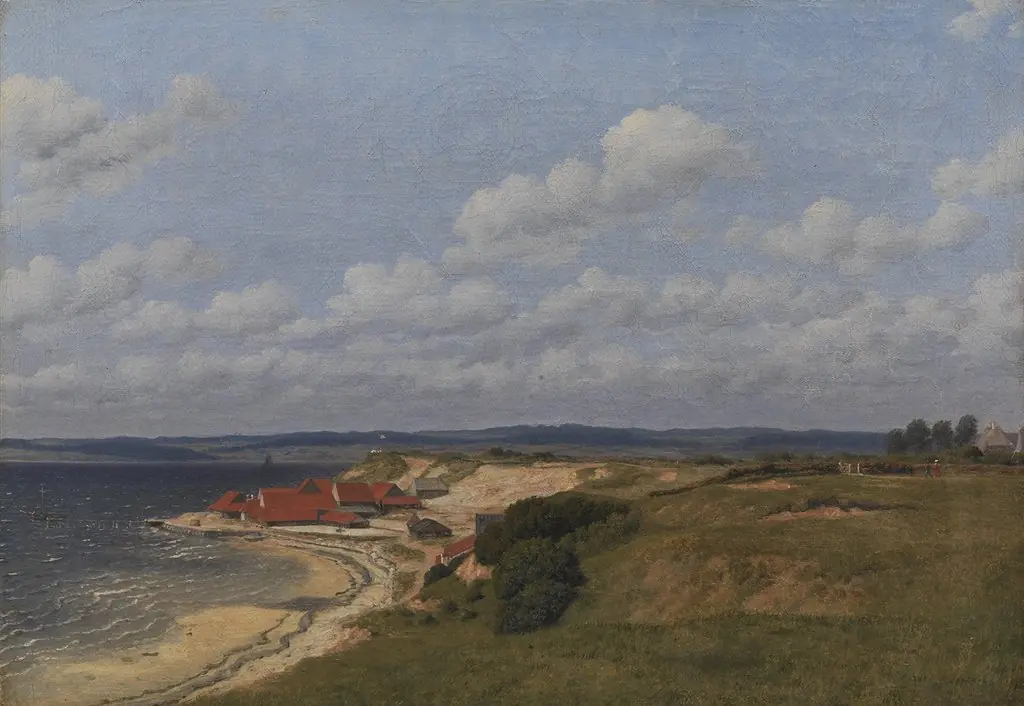 Renbjærg Tileworks by Flensburg Fiord
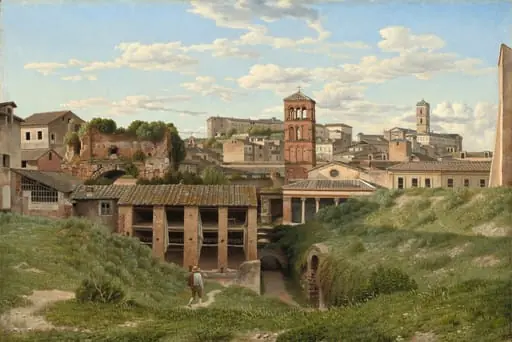 View of the Cloaca Maxima, Rome
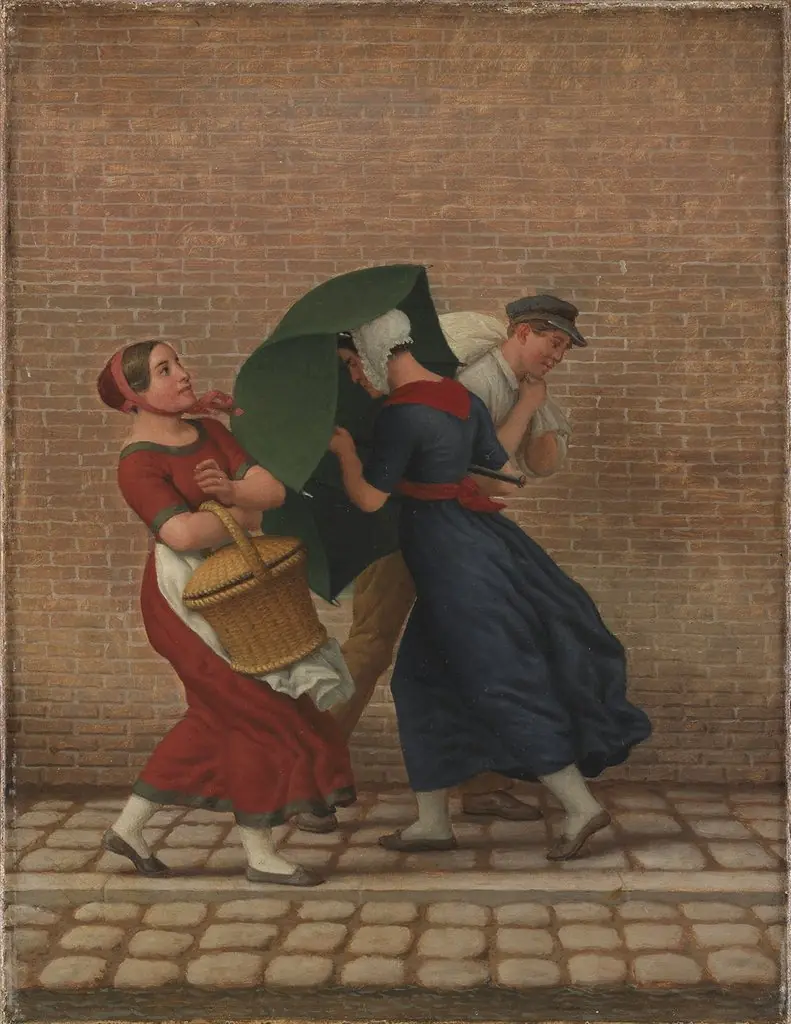 Street Scene in Windy and Rainy Weather