Artwork
Ceres
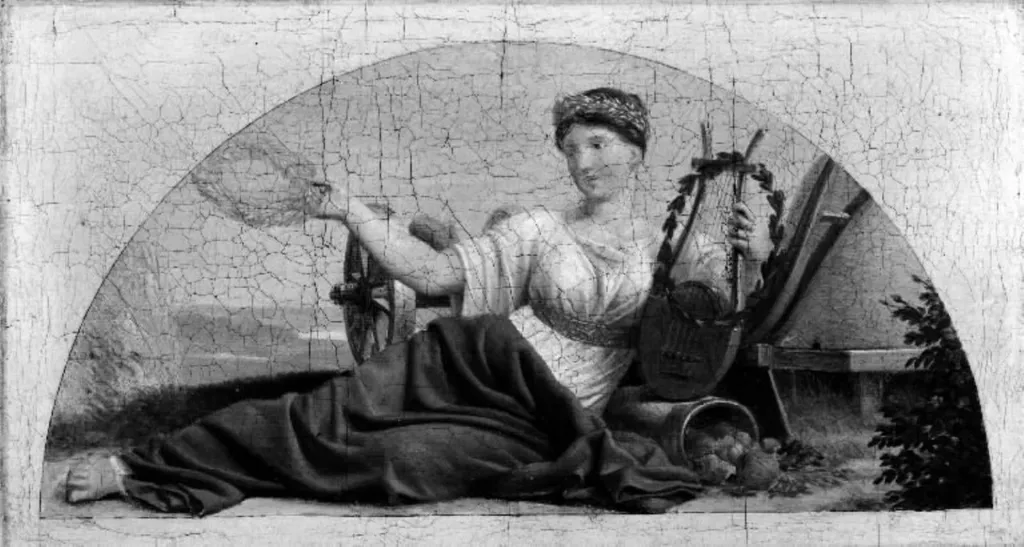
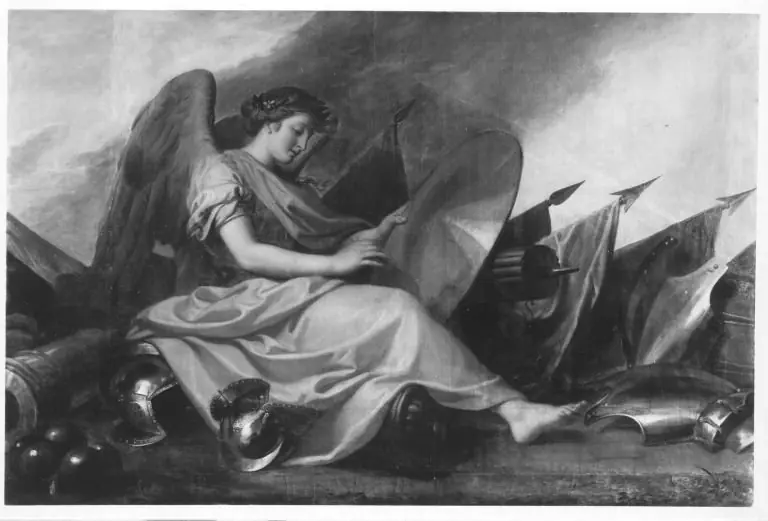
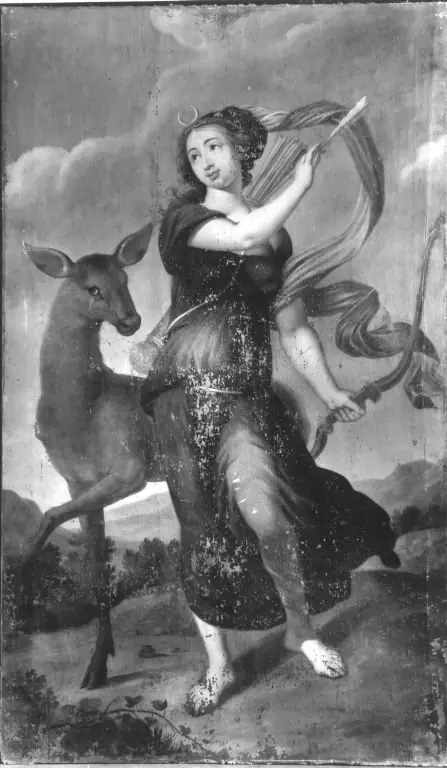
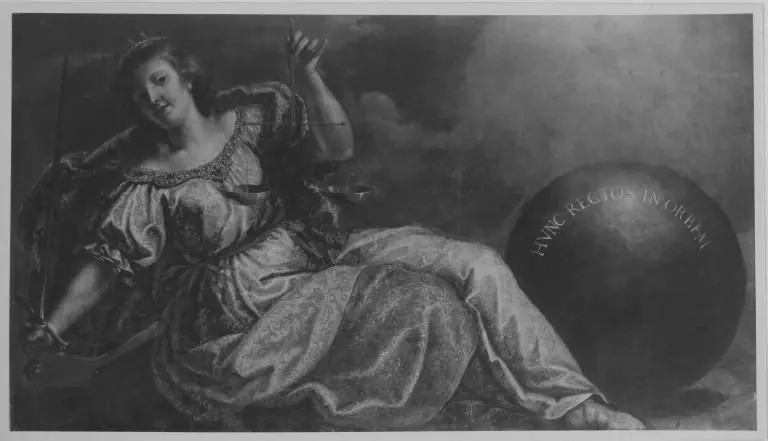
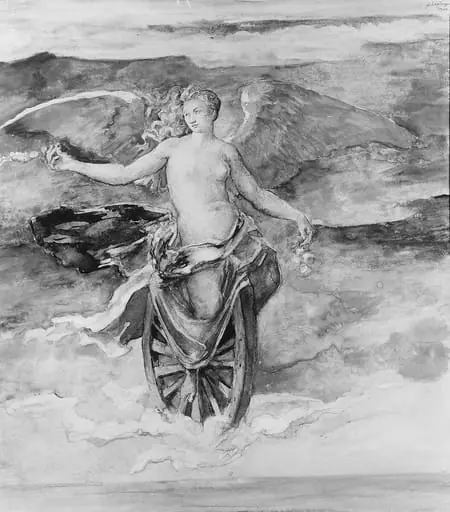
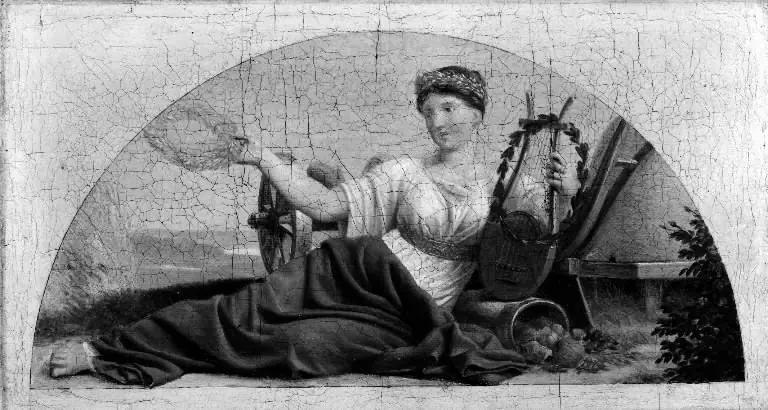
Ceres is a photography by the Romanticist artist Unknown artist. It is held in the collection of the Statens Museum for Kunst.
About this work
Overview
It is currently held in the Museum of Ethnography, where it is preserved as an example of cross-cultural artistic reference in early 19th-century China.
The painting known as Ceres was produced in 1822 by Xun Xu, a scholar-official and artist from a prominent family during the early Jin dynasty. Though its subject draws from Roman mythology, the work originates in a Chinese cultural context, reflecting the artist’s engagement with classical iconography beyond his own tradition. It is currently held in the Museum of Ethnography, where it is preserved as an example of cross-cultural artistic reference in early 19th-century China.
Subject & Meaning
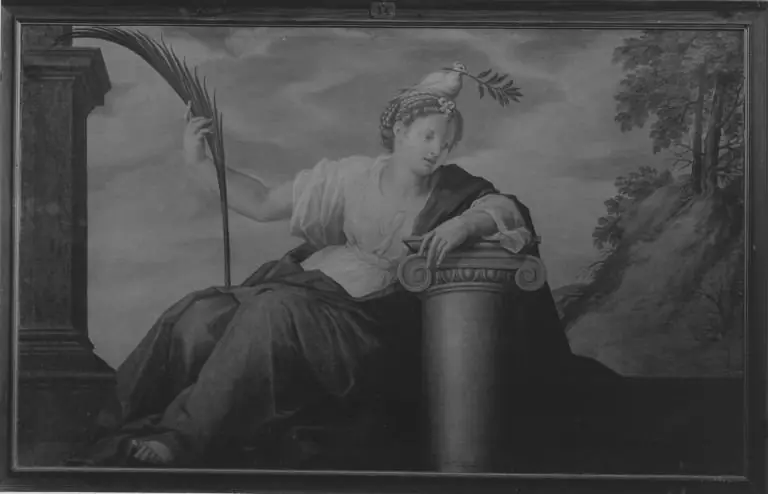
The figure depicted is a woman embodying agricultural abundance, identified by the wheat she holds and the basket of produce beside her. Her reclining posture and serene expression suggest a quiet connection to the land. Though labeled as Ceres, the Roman goddess of harvest, the image does not follow Western iconographic norms but instead adapts the concept into a Chinese aesthetic framework, blending symbolic fertility with local visual language.
Technique & Style
Rendered in ink and color on paper, the painting employs delicate brushwork to define the flowing lines of the gown and the soft contours of the landscape. The white garment contrasts with the dark shawl and earth-toned background, drawing focus to the figure. The composition is balanced yet informal, with the wheelbarrow and basket placed naturally within the scene, reinforcing a sense of quiet domestic labor rather than mythological grandeur.
History & Provenance
Xun Xu, descended from noted scholars and calligraphers including Xun Shuang and Zhong Yao, held official posts under both Cao Wei and Jin administrations. His artistic output, though limited in surviving works, reflects the literati tradition of integrating poetry, painting, and governance. The painting’s journey to the Museum of Ethnography remains undocumented, but its preservation suggests it was collected as a cultural artifact rather than a religious or ritual object.
Context
In early 19th-century China, interest in classical foreign myths was rare but not absent, often filtered through textual sources or Jesuit-influenced illustrations. Xun Xu’s choice to depict Ceres may stem from exposure to imported materials or scholarly curiosity, yet the execution remains firmly rooted in Chinese pictorial conventions. The work stands as a quiet anomaly, revealing how isolated encounters with foreign symbols could be reinterpreted within indigenous artistic practices.
Legacy
Ceres remains an unusual example of mythological hybridity in Chinese painting, offering insight into the selective absorption of foreign imagery by literati artists. It is not part of a broader trend but rather a singular experiment, valued today for its subtle negotiation between cultural traditions. Its significance lies not in popularity or influence, but in its quiet testimony to the complexity of artistic exchange in a pre-modern context.
Artist & collection
Artist
Xun Xu (c. 221 – 289), courtesy name Gongzeng, was a Chinese musician, painter, politician, and writer who lived during the late Three Kingdoms period and early Jin dynasty of China. Born in the influential Xun family,…

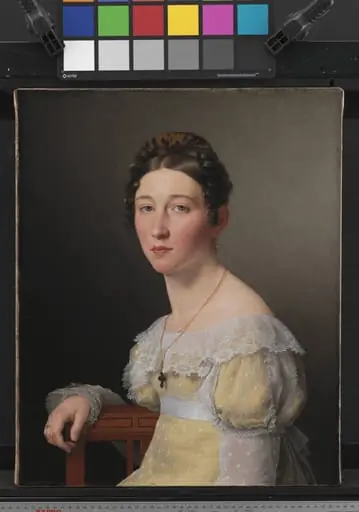 Portrait of Emilie Henriette Massmann, Betrothed of Frederik Wilhelm Caspar von Benzon
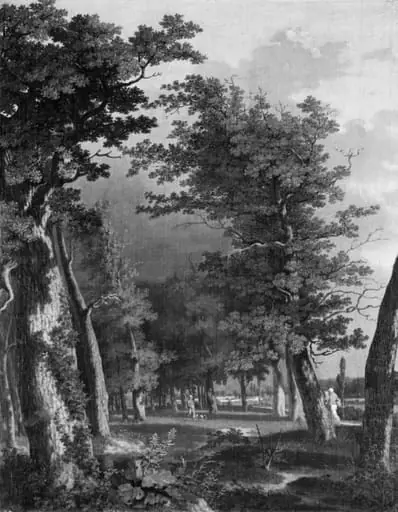 Landscape with Trees near Paris
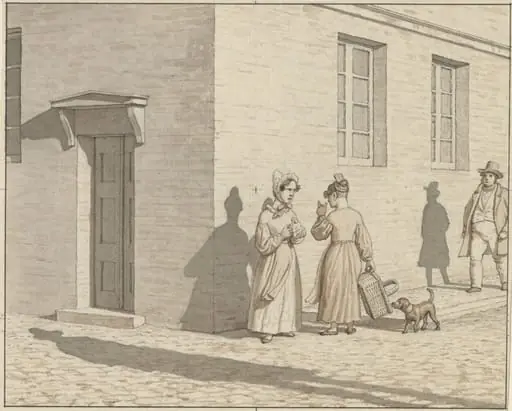 Linear Perspective as Applied in Painting - Plate VII, 1 - A Street Corner Encounter
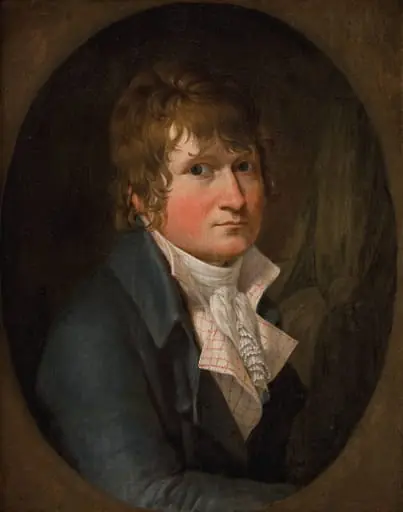 Self-Portrait
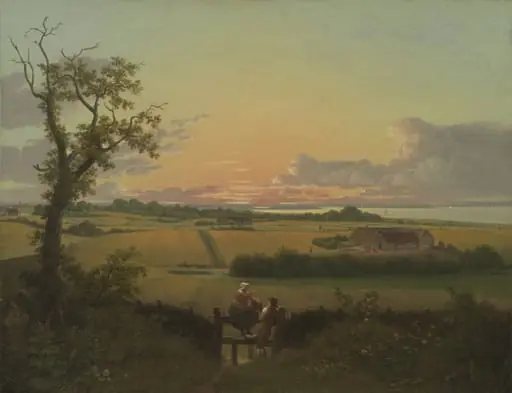 Landscape with a Stile. The Isle of Møn
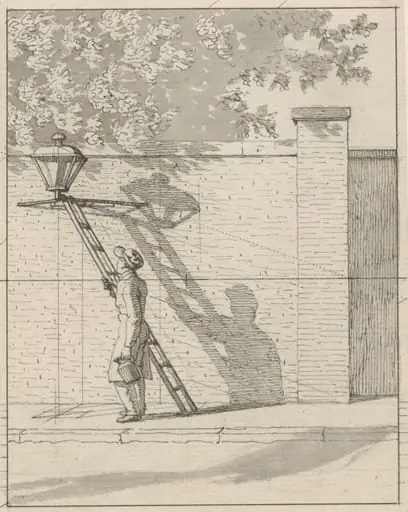 Linear Perspctive as Applied in Painting - Plate VI. The Street Lamp on the Garden Wall, Daylight
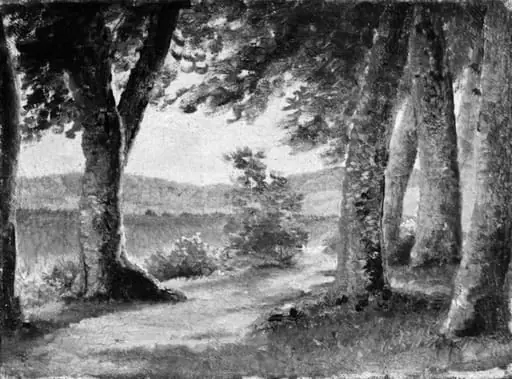 Study of a Wood
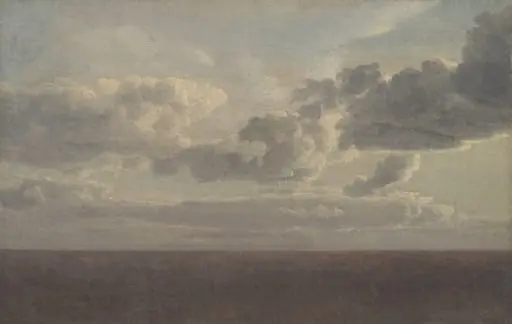 Study of Clouds over the Sea