Artwork
Fornuften
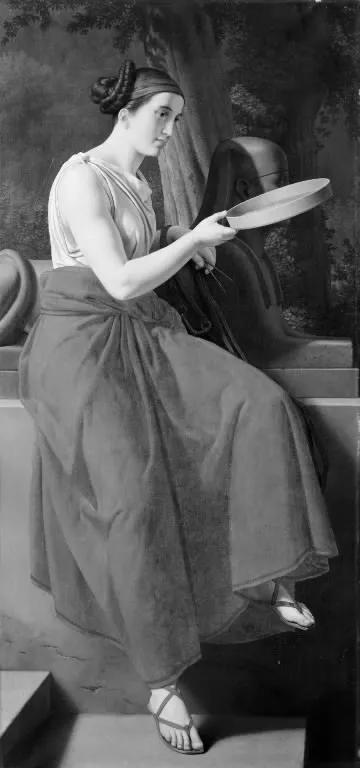
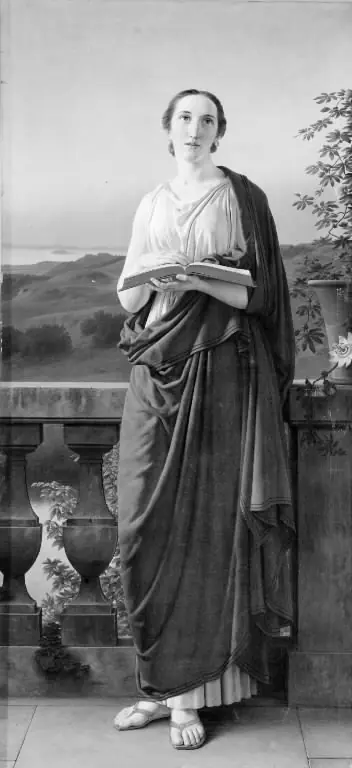
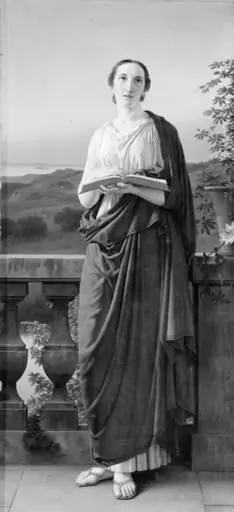
Fornuften is an oil painting by Christoffer Wilhelm Eckersberg. It dates from 1829 and is held in the collection of the Statens Museum for Kunst.
About this work
Overview
Christoffer Wilhelm Eckersberg painted *Fornuften* in 1829 using oil on canvas. A central figure in 19th-century Danish art, Eckersberg helped shape the nation’s artistic identity during its Golden Age. The work is part of the permanent collection at Statens Museum for Kunst in Copenhagen, where it remains a quiet example of his refined approach to portraiture and classical form.
Subject & Meaning
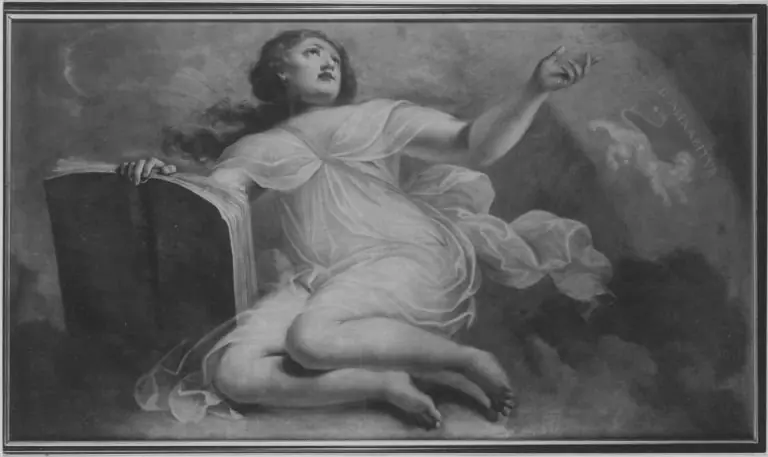
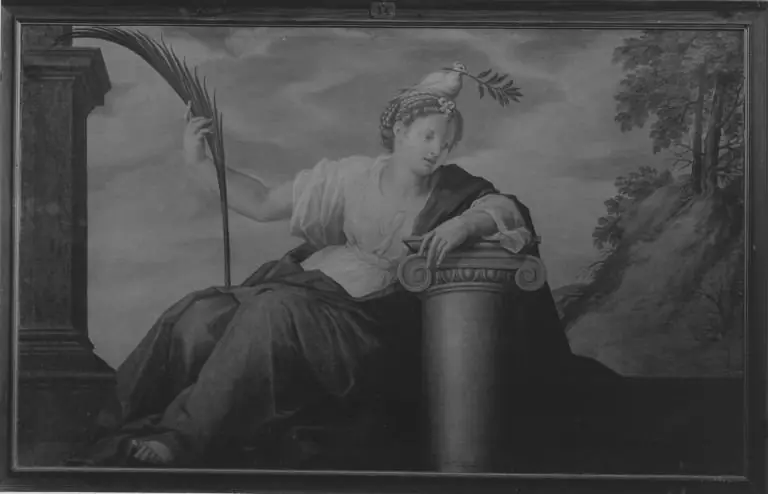
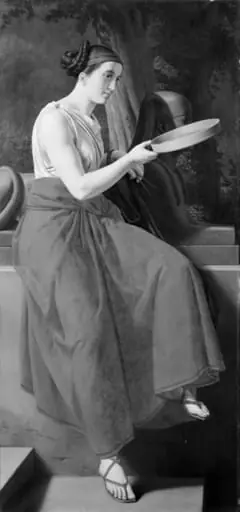
The painting portrays a woman seated on a stone ledge, dressed in a flowing classical robe and holding a fan. Her composed posture and restrained expression suggest contemplation rather than narrative action. The title, meaning 'Reason' in Danish, implies an allegorical intent, aligning the figure with ideals of rationality and calm intellect, common in Neoclassical thought of the era.
Technique & Style
The background is muted and indistinct, drawing focus to the figure’s stillness.
Eckersberg employs subtle modeling and soft transitions of light to define the woman’s form, particularly in the way fabric folds respond to ambient illumination. The background is muted and indistinct, drawing focus to the figure’s stillness. While not overtly dramatic, the work demonstrates a careful study of naturalistic light and texture, reflecting his academic training and attention to observed detail.
History & Provenance
Completed in 1829, *Fornuften* entered the collection of Statens Museum for Kunst shortly after its creation. It has remained in Danish public ownership since, with no documented changes in custody. Its consistent presence in the museum’s holdings underscores its recognized importance within the national canon of Danish art history.
Context
Created during Denmark’s Golden Age, the painting reflects the period’s fascination with classical antiquity and moral clarity. Eckersberg, as a professor at the Royal Danish Academy, promoted disciplined observation and structured composition. *Fornuften* aligns with his pedagogical ideals, blending idealized form with restrained realism to convey intellectual virtue.
Legacy
Though not widely reproduced, *Fornuften* exemplifies Eckersberg’s influence on Danish portraiture and the transition from Romantic idealism to measured naturalism. His emphasis on clarity, proportion, and light became foundational for later generations of Danish artists, embedding his aesthetic principles into the country’s artistic education for decades.
Artist & collection
Artist
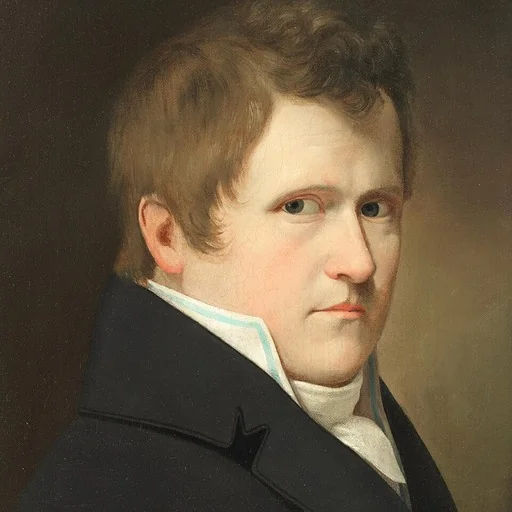
Christoffer Wilhelm Eckersberg
Christoffer Wilhelm Eckersberg (2 January 1783 – 22 July 1853) was a Danish painter.

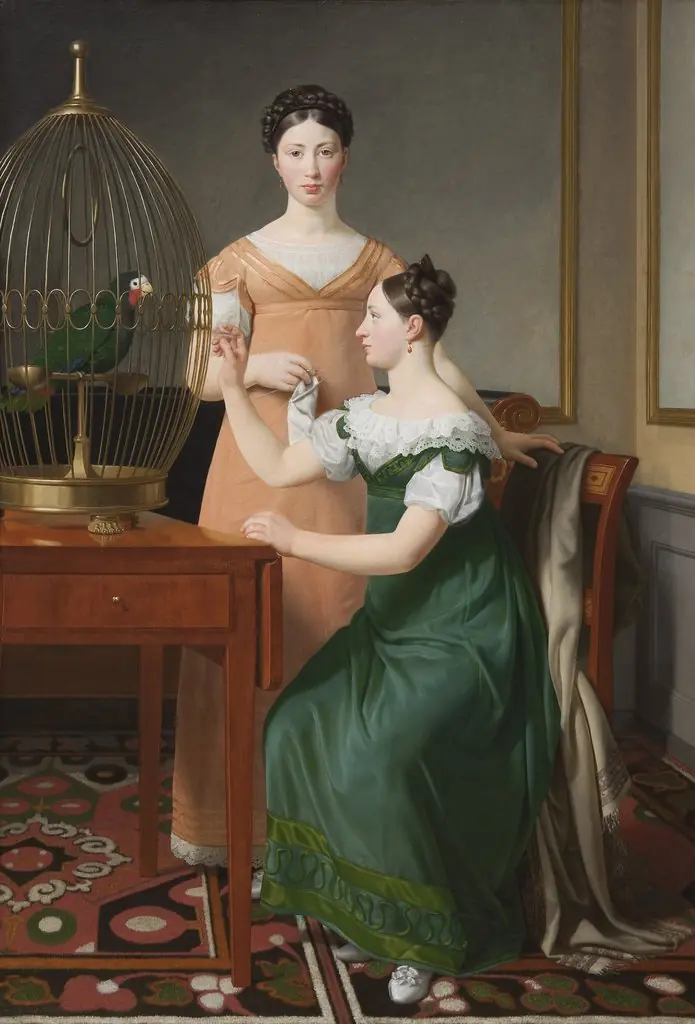 Bella and Hanna. The Eldest Daughters of M. L. Nathanson
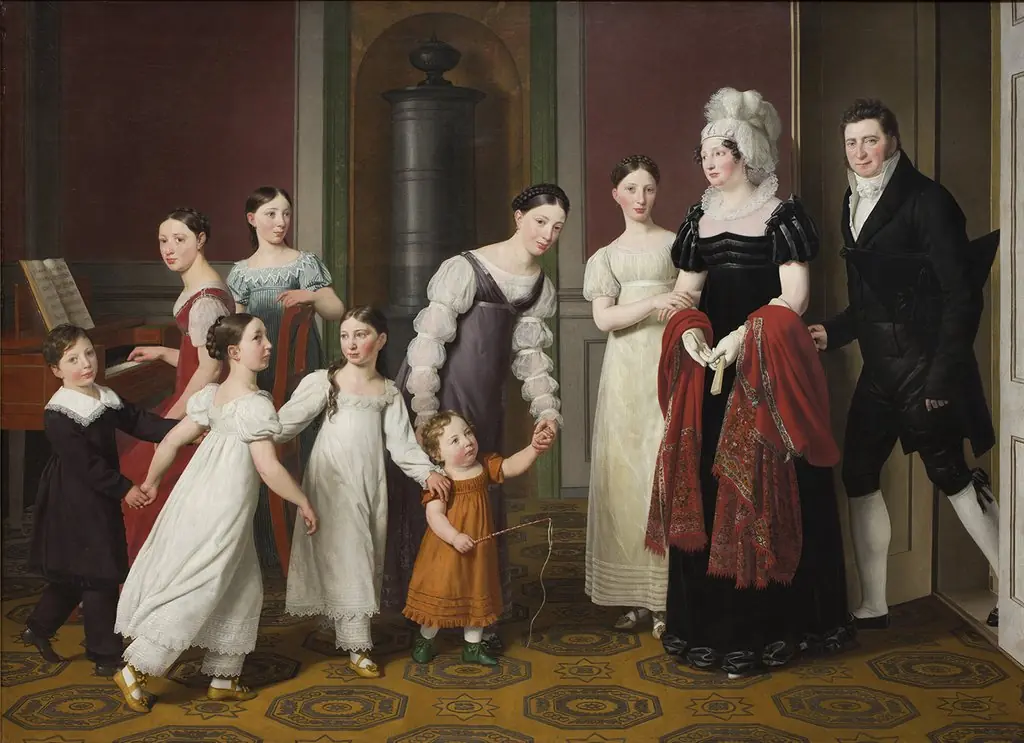 Familien Nathanson
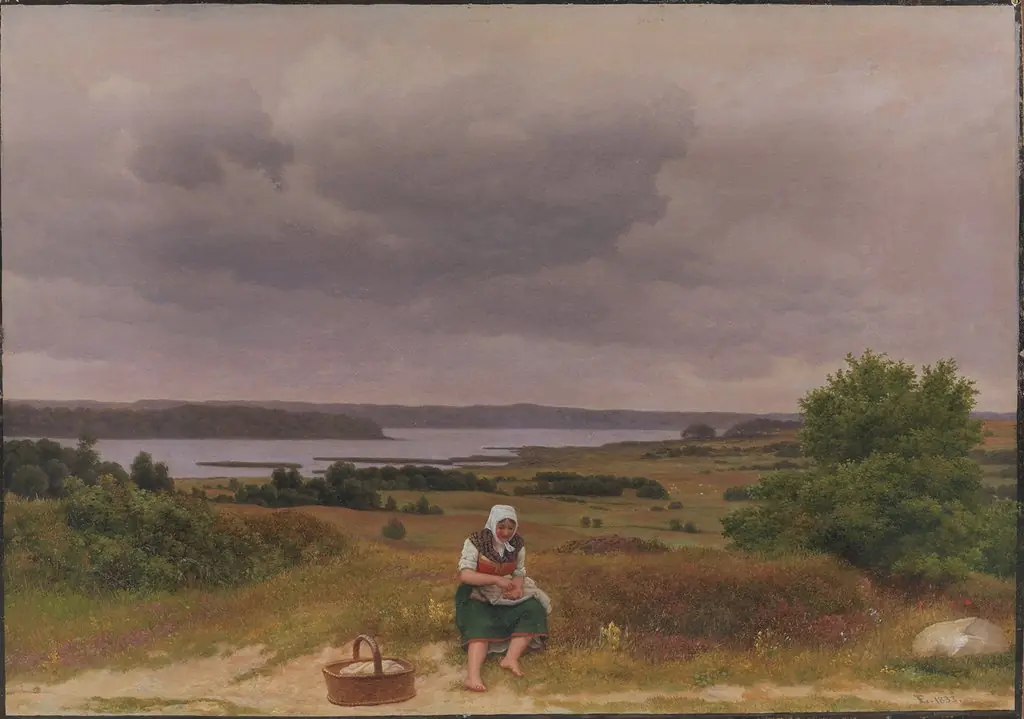 View of Lake Fure near Rudersdal, North Sealand.
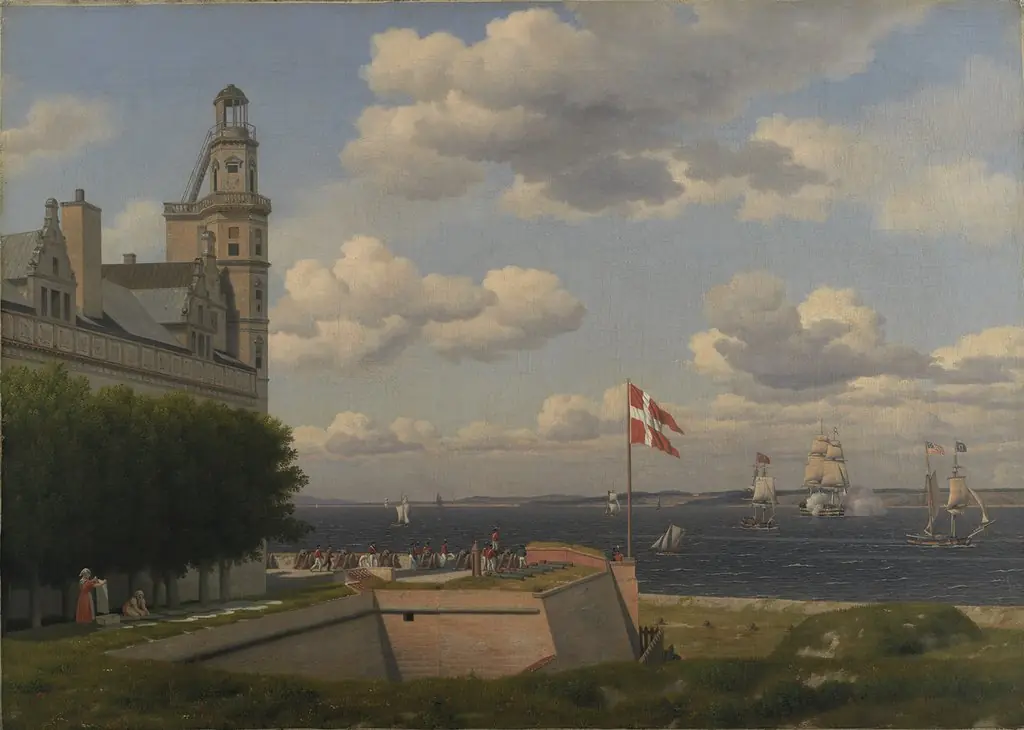 A View towards the Swedish Coast from the Ramparts of Kronborg Castle
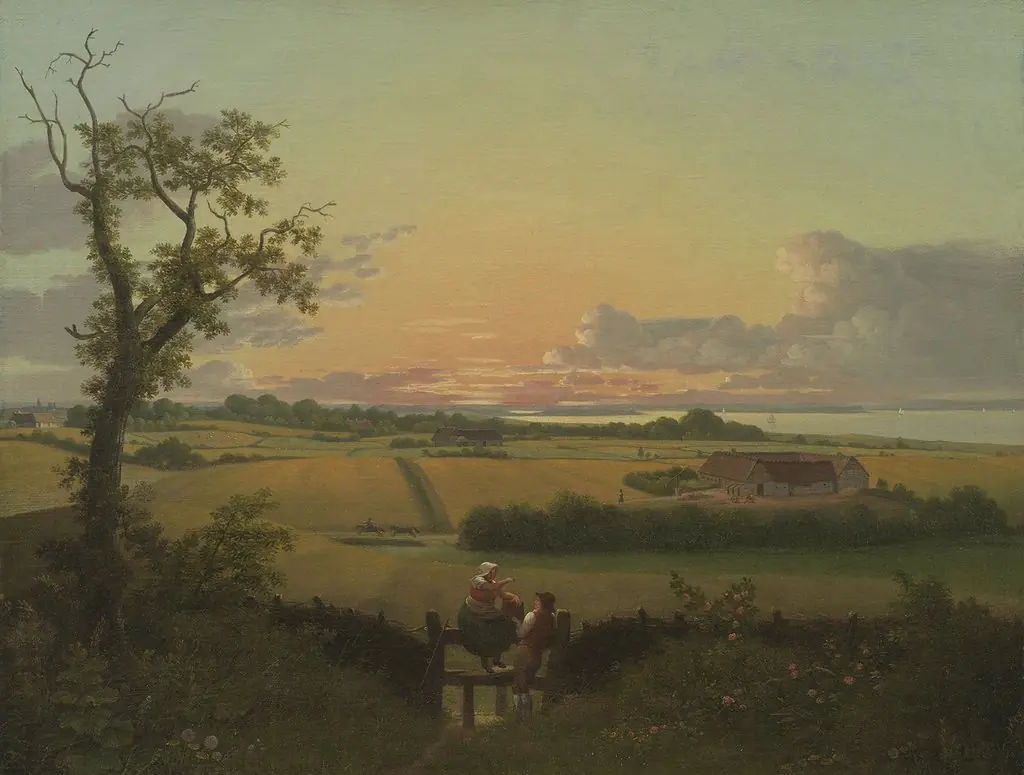 Landscape with a Stile. The Isle of Møn
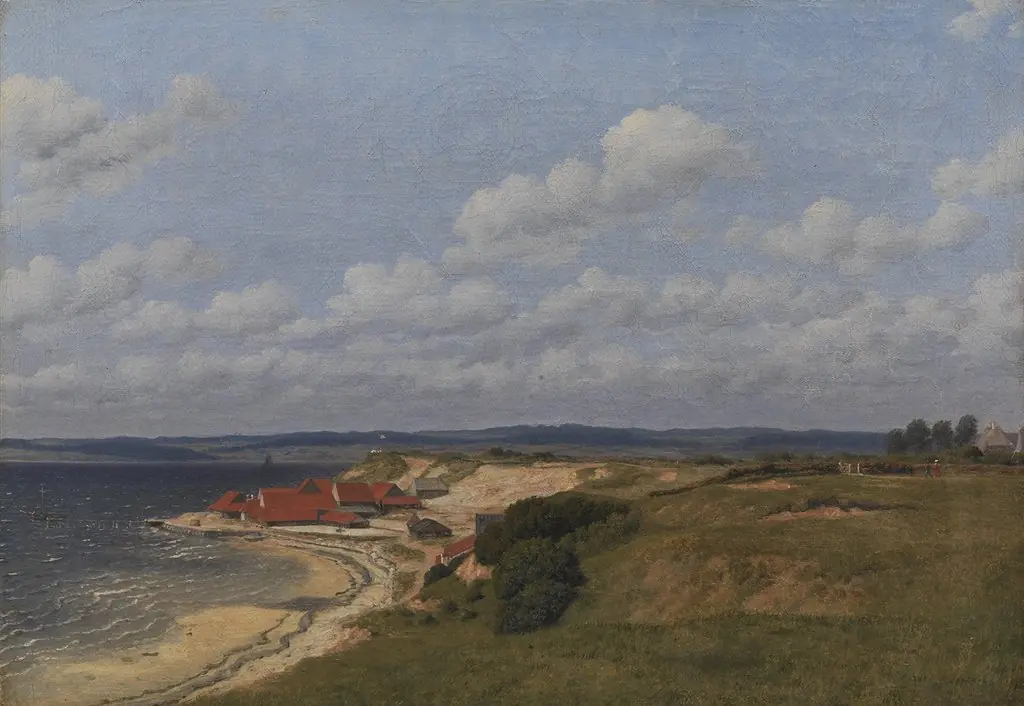 Renbjærg Tileworks by Flensburg Fiord
 View of the Cloaca Maxima, Rome
 Street Scene in Windy and Rainy Weather