Artwork
Adam und Eva
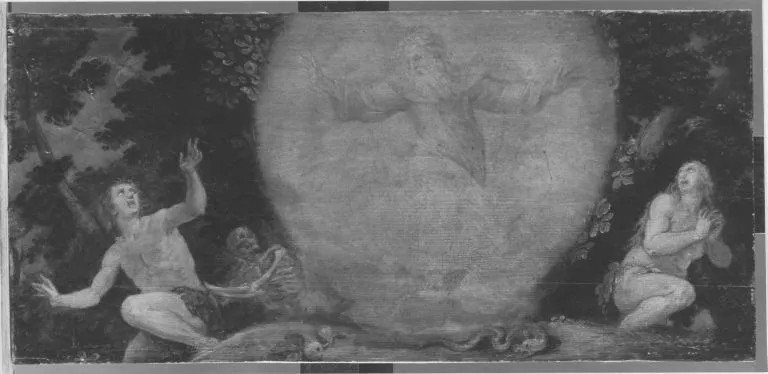
Adam und Eva is an unspecified painting by the Mannerist artist Christoph Schwarz. It dates from 1568 and is held in the collection of the Bavarian State Painting Collections.
About this work
Overview
Created in 1568 by the German painter Christoph Schwarz, this religious work titled "Adam und Eva" is part of the collection of Munich’s Alte Pinakothek. The composition centers on a dramatic encounter among three figures set against a shadowy forest backdrop, employing strong contrasts of light and dark to emphasize the central narrative.
Subject & Meaning
The scene presents the biblical protagonists, Adam and Eve, kneeling in supplication, while a larger, luminous figure emerges from a cloud‑like formation above them, arms outstretched. The posture of the male figure, with his right arm raised, and the clasped hands of the female suggest a moment of divine judgment or appeal, underscoring themes of sin, repentance and redemption.
Technique & Style
Schwarz utilizes chiaroscuro to model the figures, allowing light to carve out the forms against the deep, wooded background. The interplay of illumination and shadow creates a three‑dimensional effect, directing attention to the central, radiant figure. The brushwork is precise, with careful rendering of foliage and drapery that enhances the overall sense of tension.
History & Provenance
The painting has remained in the public domain since its early acquisition by the Bavarian royal collection, eventually entering the Alte Pinakothek’s holdings. Its documented provenance traces back to the late 16th century, confirming its attribution to Schwarz and its continuous presence in German institutional collections.
Context
Produced during the late Renaissance, the work reflects the period’s preoccupation with religious narrative and the visual dramatization of scriptural events. Schwarz’s treatment aligns with contemporary Northern European approaches that emphasize emotional intensity and moral instruction, situating the piece within the broader tradition of post‑Reformation devotional art.
Artist & collection

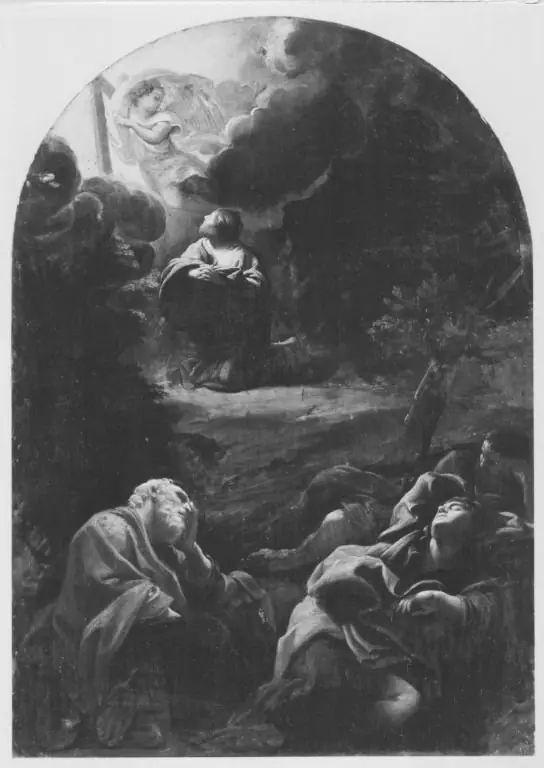 Christus am Ölberg
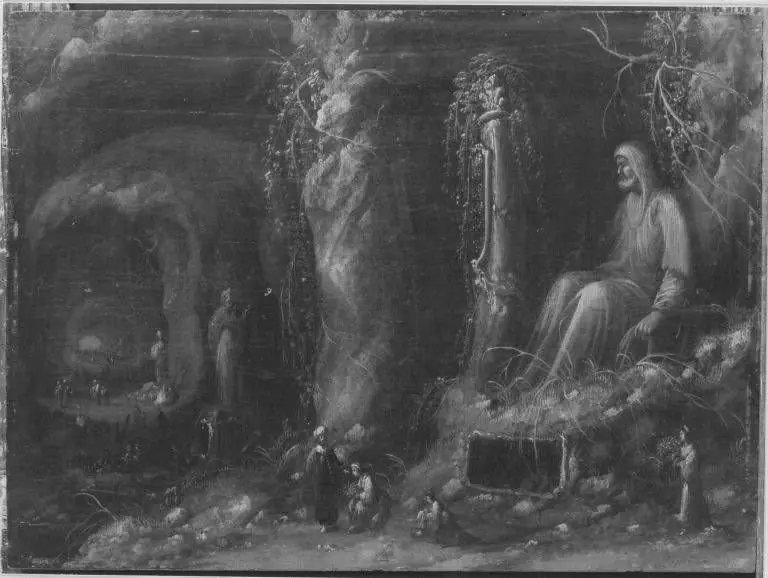 Grottenszene
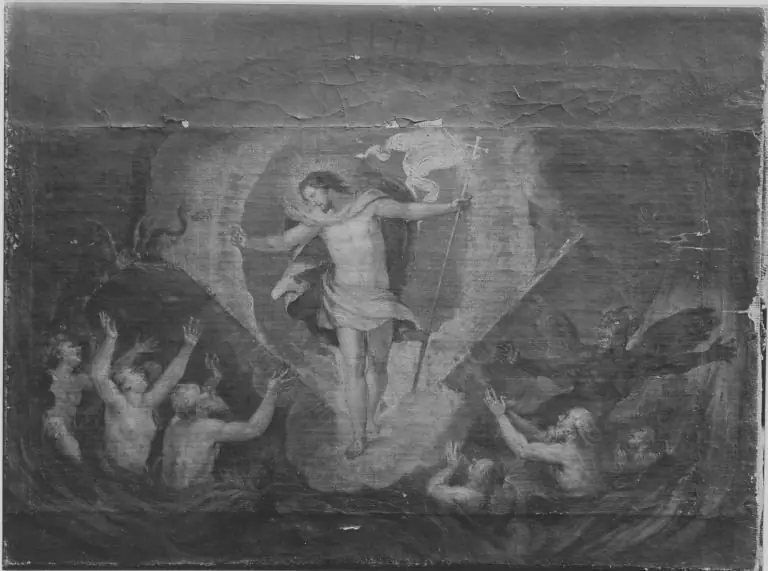 Christus im Limbus
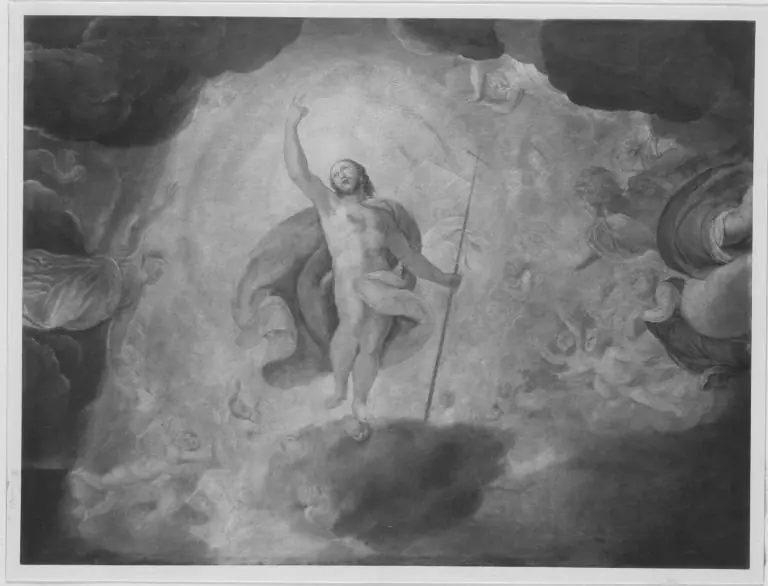 Himmelfahrt Christi
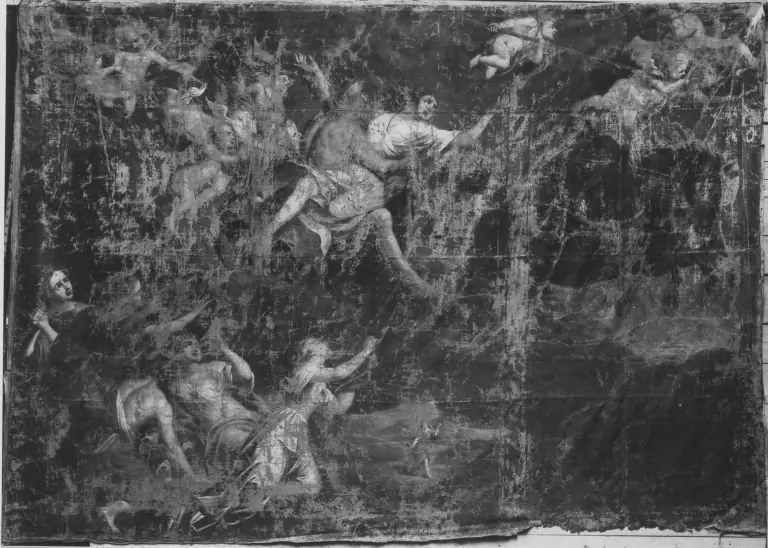 Pluto entführt Proserpina (zugeschrieben)
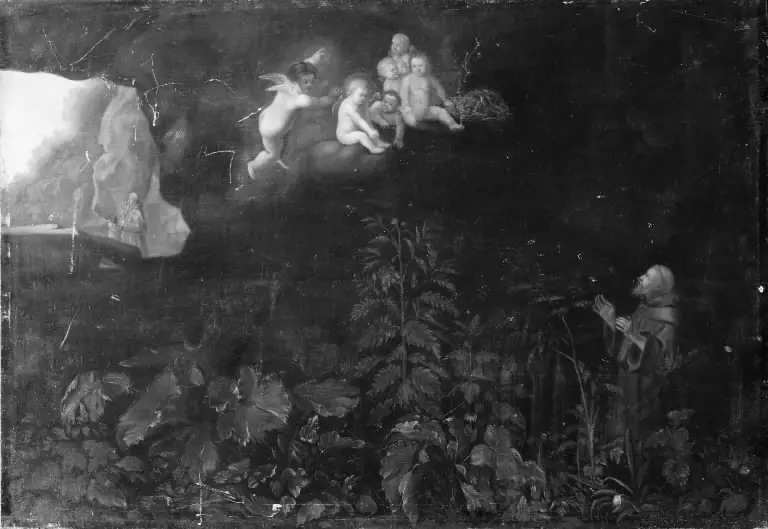 Franciscan Monk
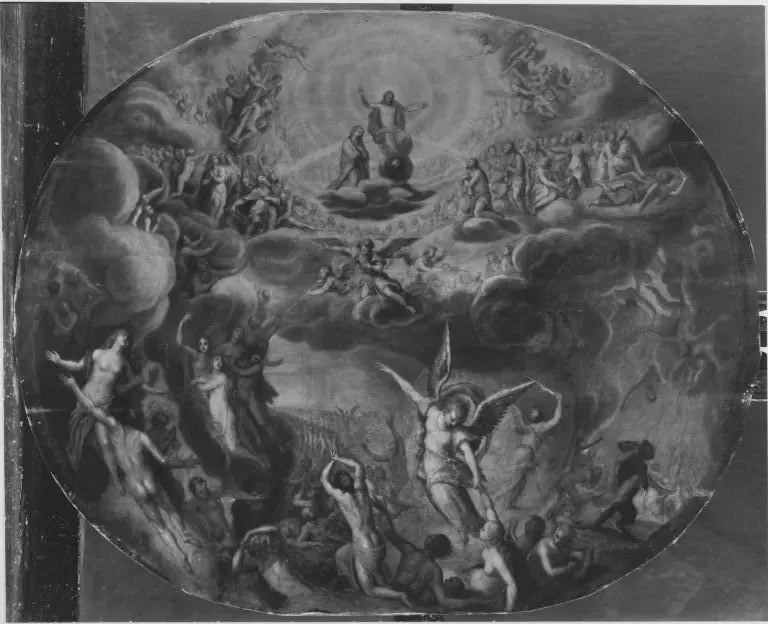 Jüngstes Gericht (Kopie nach)
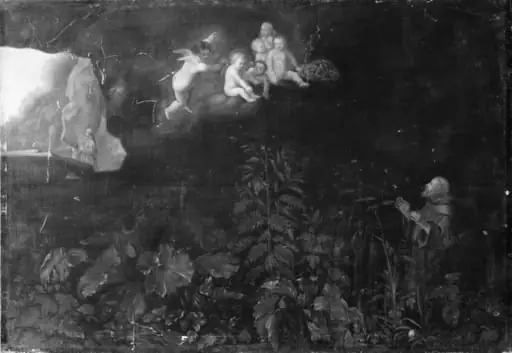 Franciscan Monk
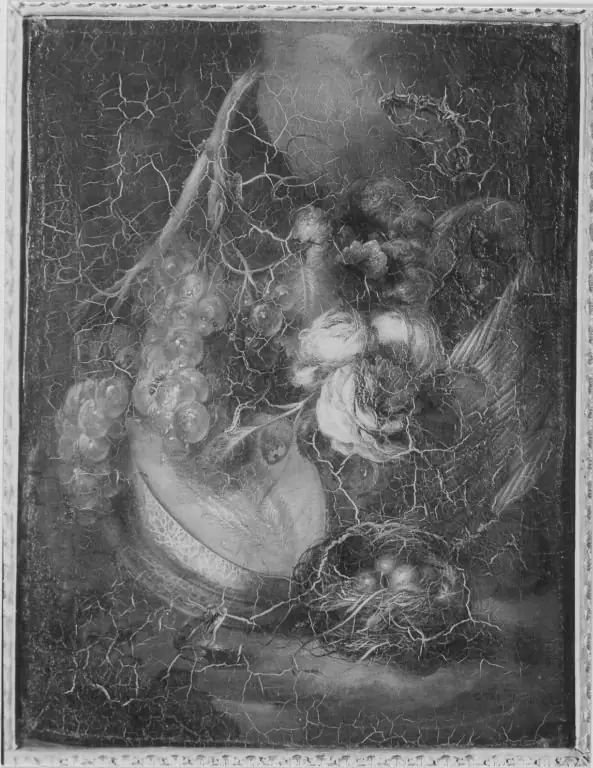 Still Life with Fruit, Flowers and Bird's nest
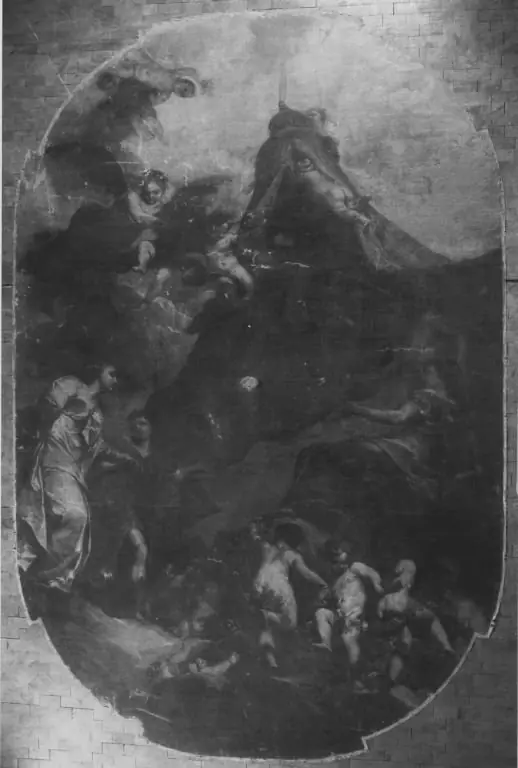 Allegorie auf das Beilager des Kurfürsten Johann Wilhelm
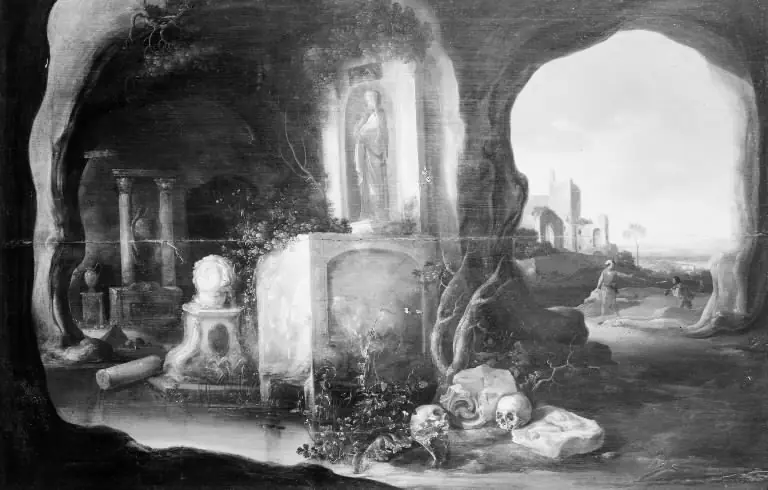 A Mountain Cave
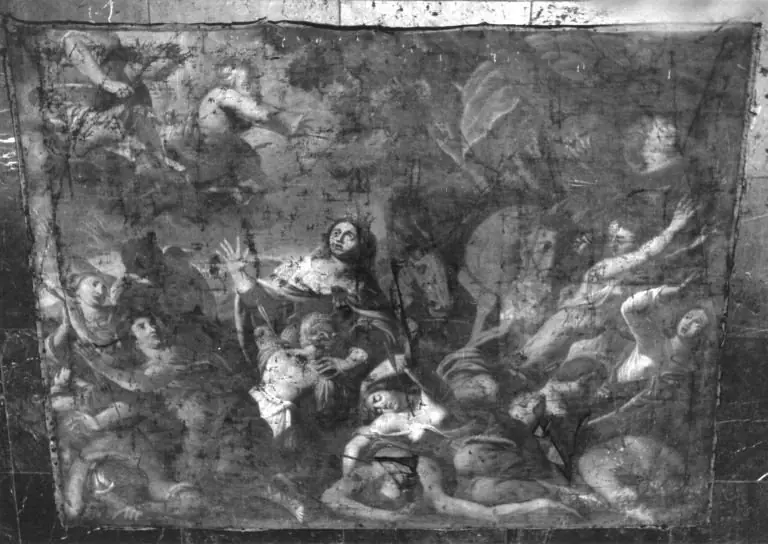 Die Kinder der Niobe