Artwork
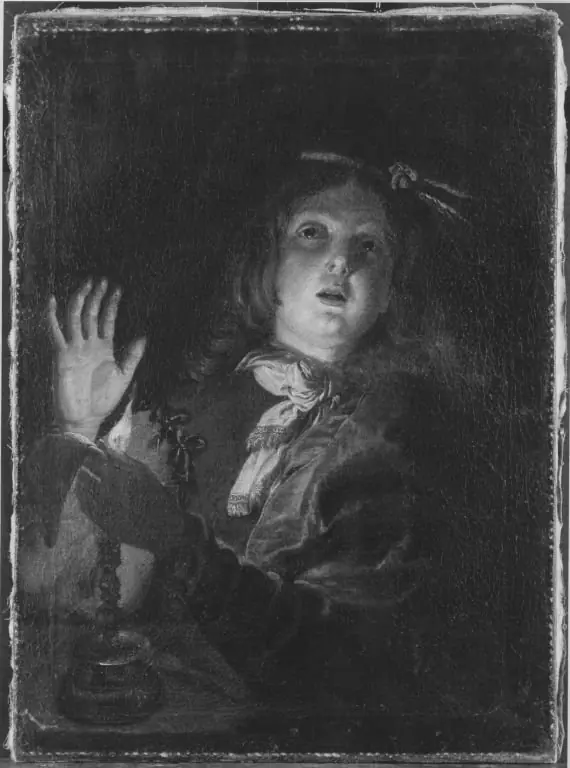
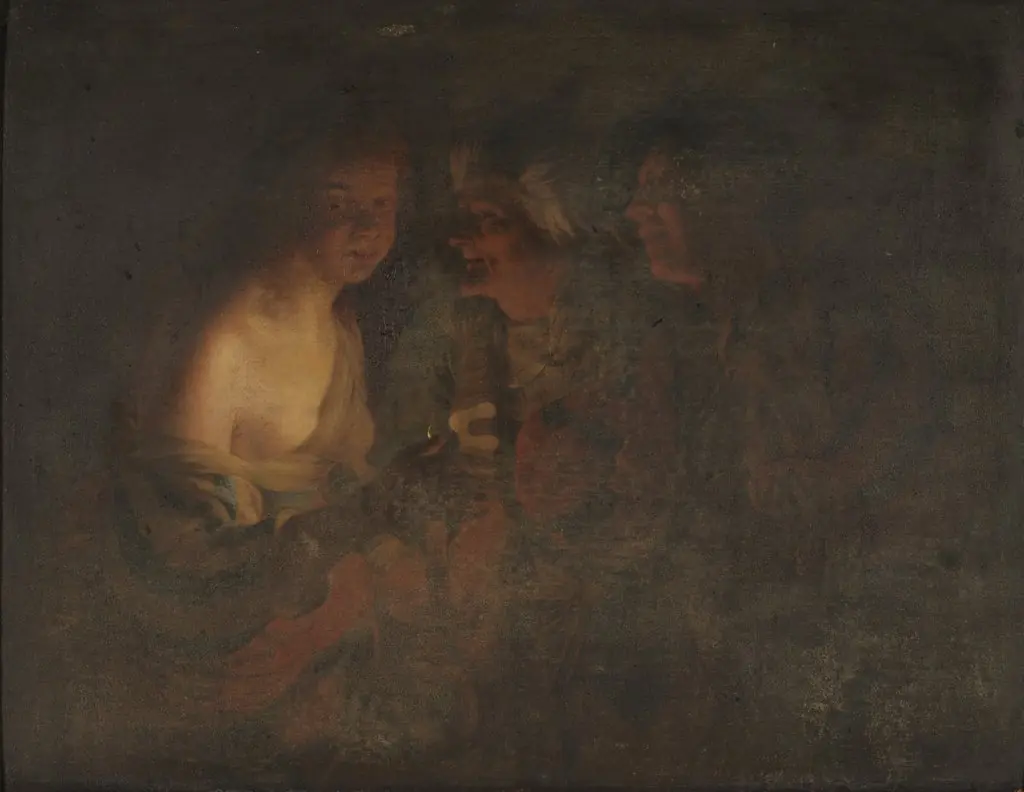
Girl lighting a candle
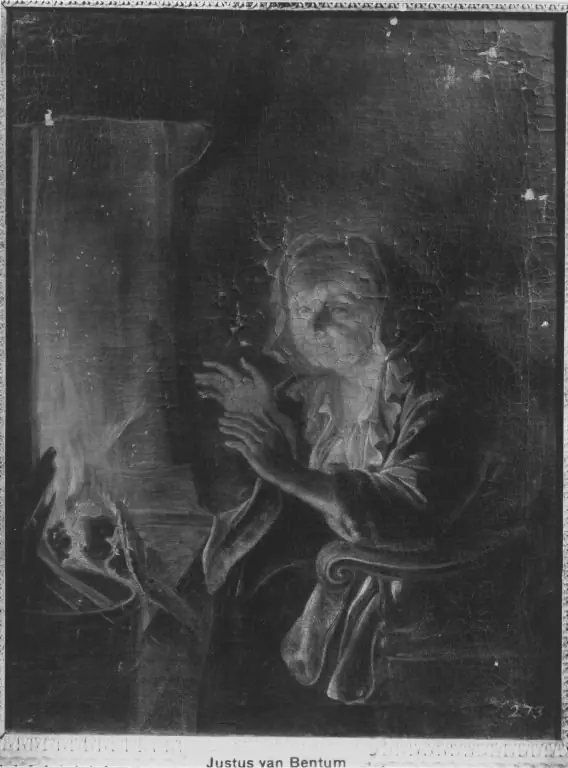
Girl lighting a candle is an oil painting by the Flemish Baroque painting artist Christopher Paudiß. It dates from 1645 and is held in the collection of the Bavarian State Painting Collections.
About this work
Overview
Christoph Paudiß’s oil painting *Girl lighting a candle* (1645) presents a solitary young figure caught in a moment of quiet activity. The composition centers on the child as she holds a candle, the flame’s glow illuminating her face while the surrounding space recedes into deep shadow. The work exemplifies the intimate genre scenes favored by mid‑seventeenth‑century Baroque painters.
Subject & Meaning
The painting captures a fleeting, domestic gesture: a girl concentrating on lighting a candle. Her gaze is lowered, focused on the small flame, suggesting themes of concentration, modesty, and the transition from darkness to light. The subdued setting and the act of kindling illumination may allude to broader symbolic ideas of knowledge or spiritual awakening, common in Baroque visual narratives.
Technique & Style
Paudiß employs a pronounced chiaroscuro, a hallmark of his training under Rembrandt, to model the figure’s features with stark contrast.
Paudiß employs a pronounced chiaroscuro, a hallmark of his training under Rembrandt, to model the figure’s features with stark contrast. The candle’s warm light creates a delicate rim of illumination around the girl’s cheek and hands, while the background dissolves into near‑blackness, enhancing three‑dimensionality. The brushwork is smooth in the illuminated areas, allowing subtle gradations of tone that convey texture and flesh.
History & Provenance
Created in 1645, the work reflects Paudiß’s Bavarian Baroque period and his engagement with Flemish influences. After remaining in private collections for several centuries, the painting entered the Alte Pinakothek in Munich, where it is currently displayed among other works of the German Baroque. Its accession record notes the piece’s attribution to Paudiß based on stylistic analysis and documentary evidence.
Context
During the mid‑1600s, genre scenes depicting everyday moments gained popularity in Northern Europe, offering moral or contemplative messages within familiar settings. Paudiß, a pupil of Rembrandt, integrated Dutch chiaroscuro with the richer coloration of Flemish Baroque, situating this intimate study within the broader trend of light‑focused narrative painting that explored the interplay of the mundane and the symbolic.
Artist & collection
Artist
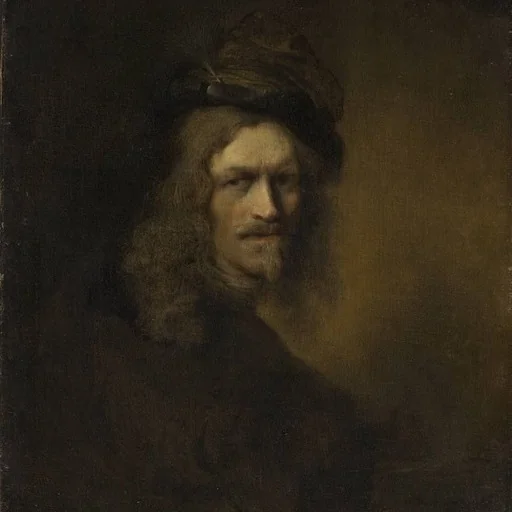
Christoph(er) Paudiß (1630 in Lower Saxony – 1666 in Freising, Upper Bavaria) was a Bavarian Baroque painter and a student of Rembrandt van Rijn.