Artwork
Martyrdom of Saint Thiemo
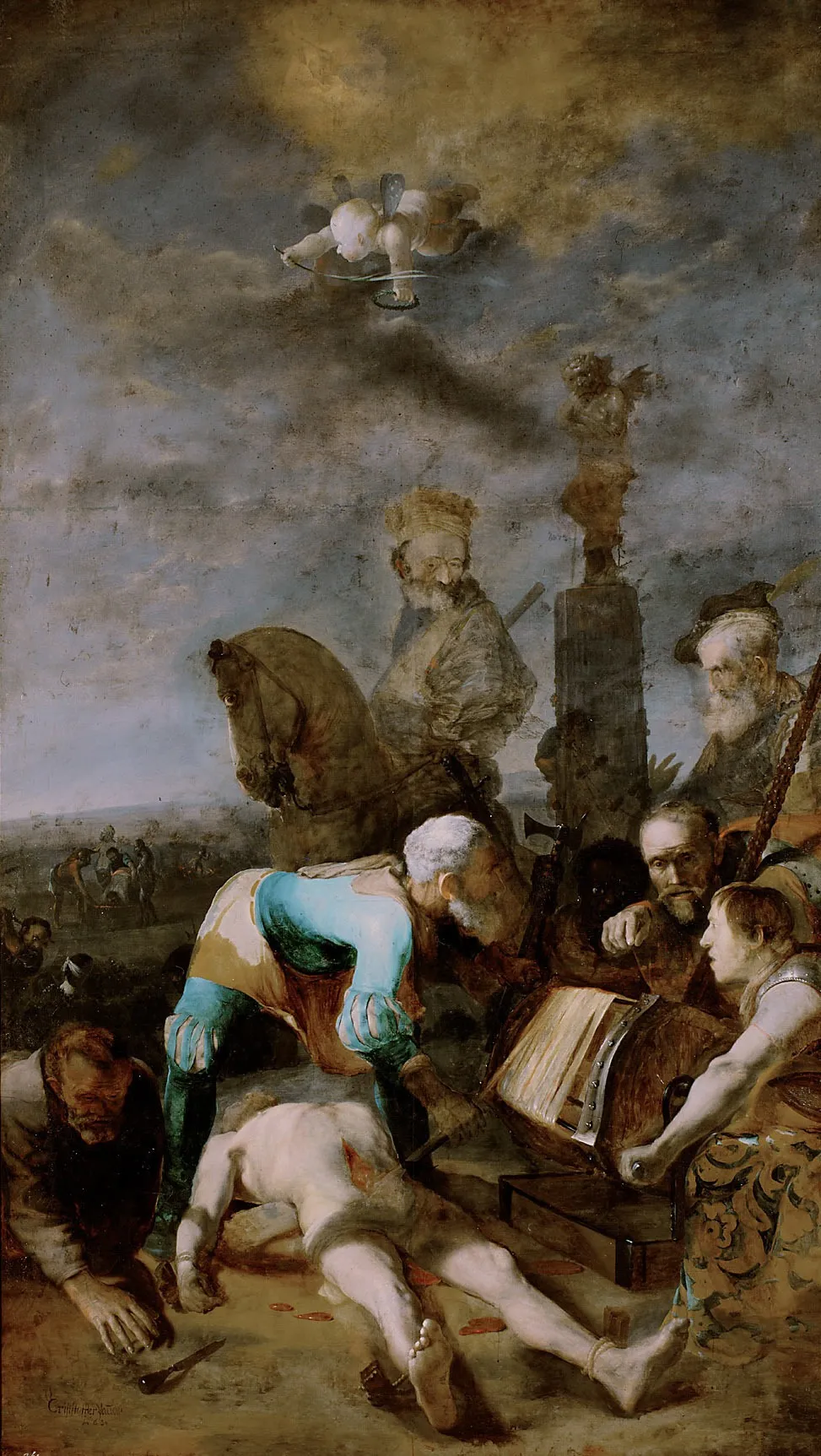
Martyrdom of Saint Thiemo is an oil painting by the Flemish Baroque painting artist Christopher Paudiß. It dates from 1662 and is held in the collection of the Kunsthistorisches Museum.
About this work
Overview
Christopher Paudiß’s *Martyrdom of Saint Thiemo* is an oil painting executed in 1662. The work belongs to the Flemish Baroque tradition and is part of the permanent collection of the Kunsthistorisches Museum in Vienna. It portrays the violent death of the eponymous saint within a crowded, tumultuous setting.
Subject & Meaning
The composition centers on a group of plainly dressed figures surrounding a wounded man whose head is bleeding. A kneeling figure supports the victim’s arm, while others react with shock or brandish implements that suggest execution. Above the scene, a tall, pedestal‑borne figure watches, underscoring the martyr’s sacrifice as a public, almost theatrical event.
Technique & Style
Paudiß employs a stark chiaroscuro, contrasting deep shadows with illuminated forms to heighten drama. The palette is largely subdued, allowing the pallor of the dying body and the vivid red of blood to dominate the visual focus. The brushwork reflects the emotional intensity typical of Baroque religious narratives, emphasizing movement and tension.
History & Provenance
Born in Bavaria, Paudiß trained under Rembrandt van Rijn before adopting the Flemish Baroque idiom that characterizes this painting. Completed in 1662, the work entered the Kunsthistorisches Museum’s collection, where it remains accessible to scholars and the public as an example of mid‑seventeenth‑century devotional art.
Artist & collection
Artist
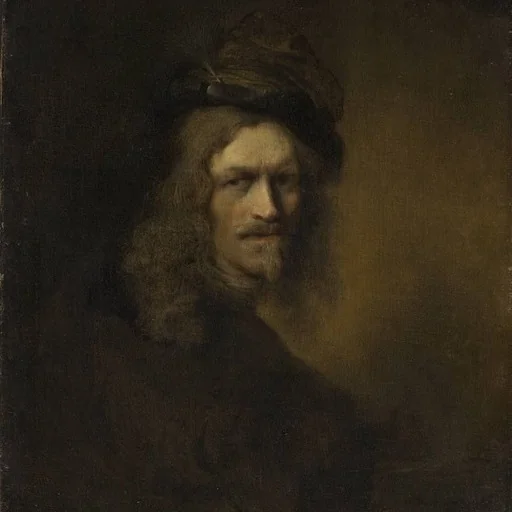
Christoph(er) Paudiß (1630 in Lower Saxony – 1666 in Freising, Upper Bavaria) was a Bavarian Baroque painter and a student of Rembrandt van Rijn.

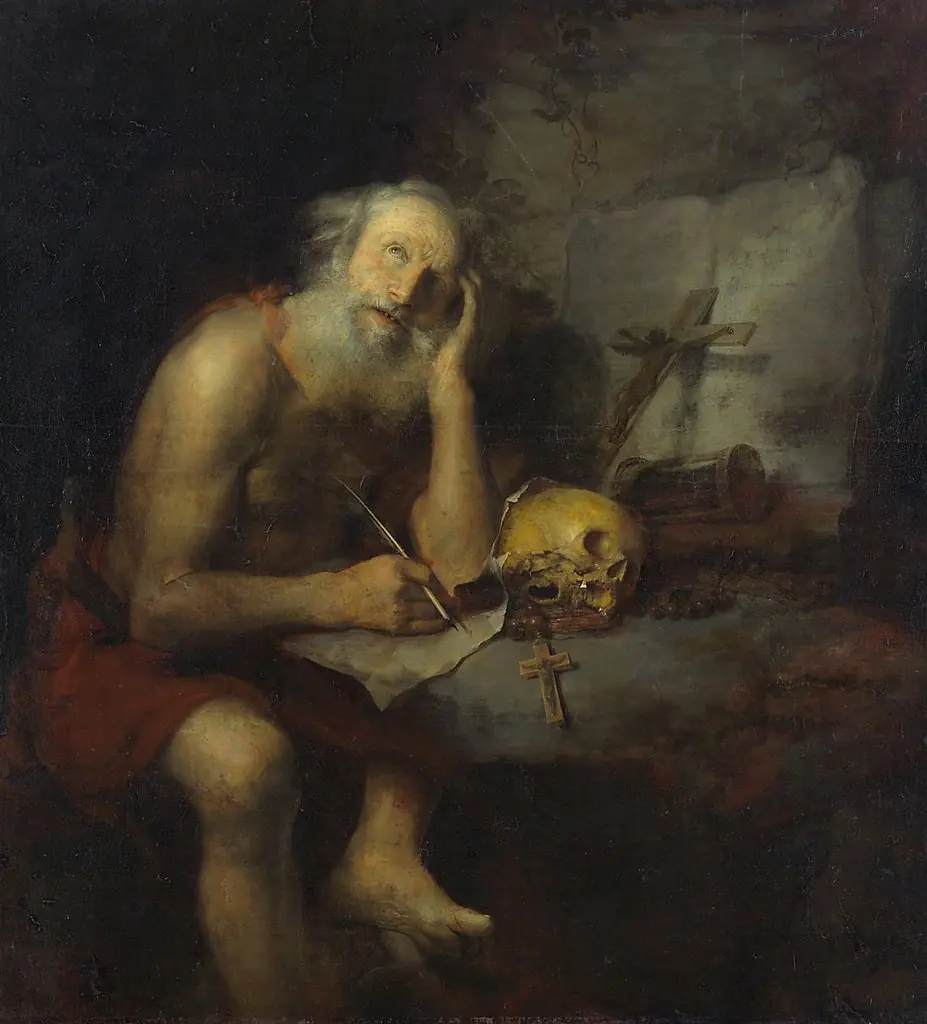
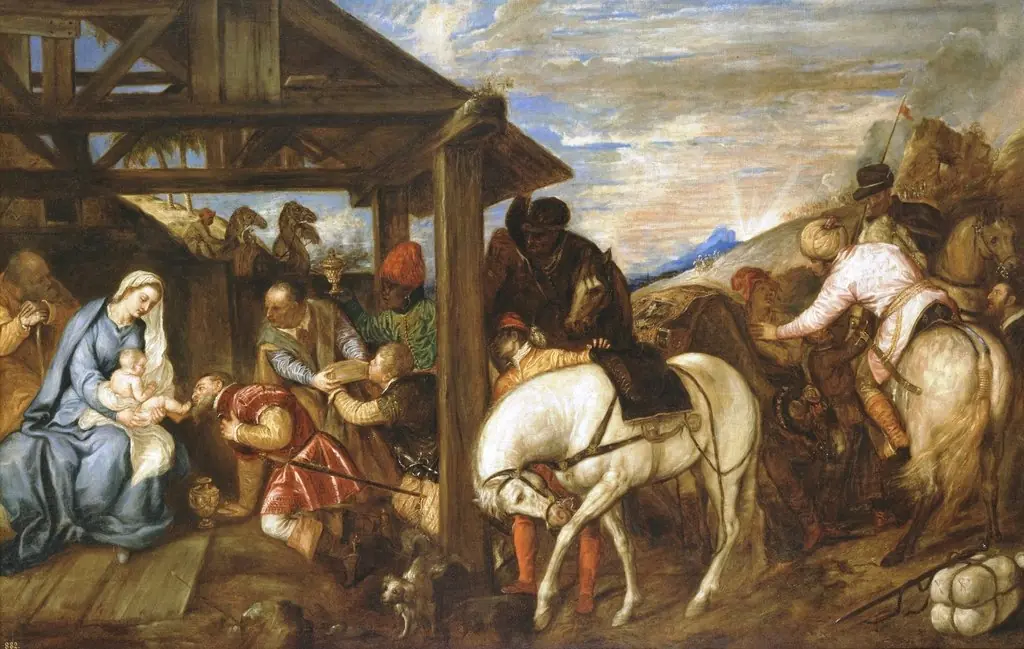 The Adoration of the Magi
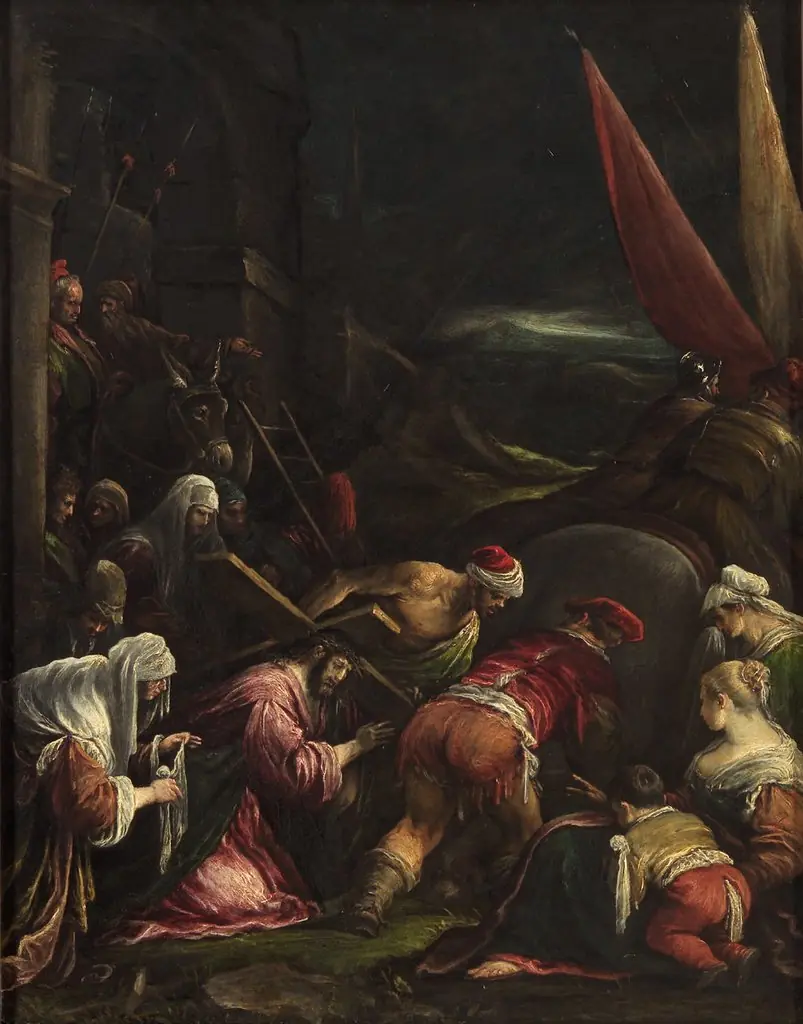 Christ Carrying the Cross meets with Veronica
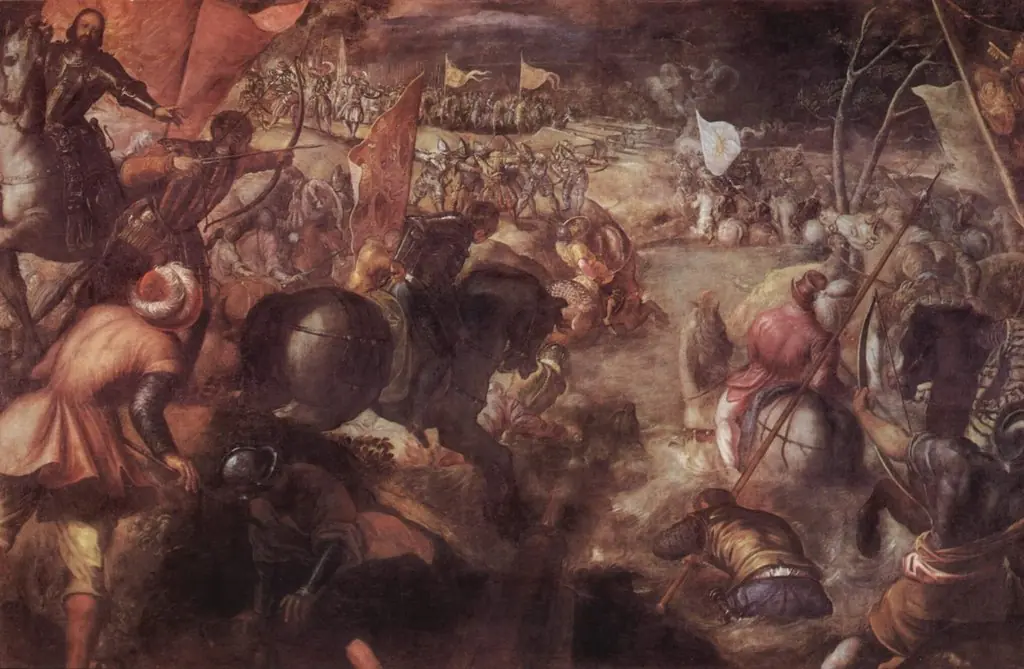 The battle of Taro
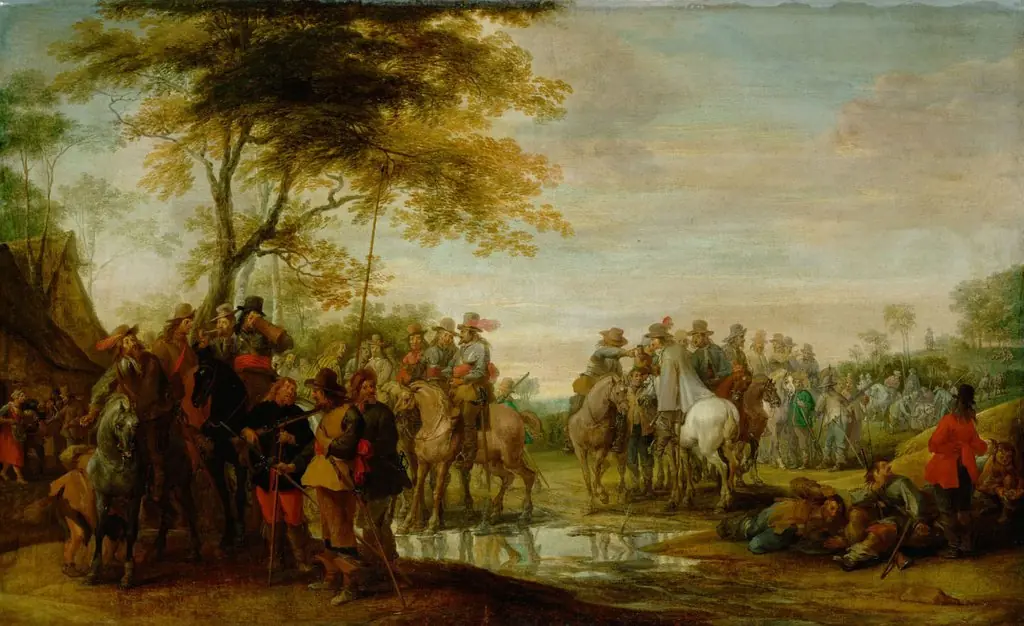 Cavalry troop
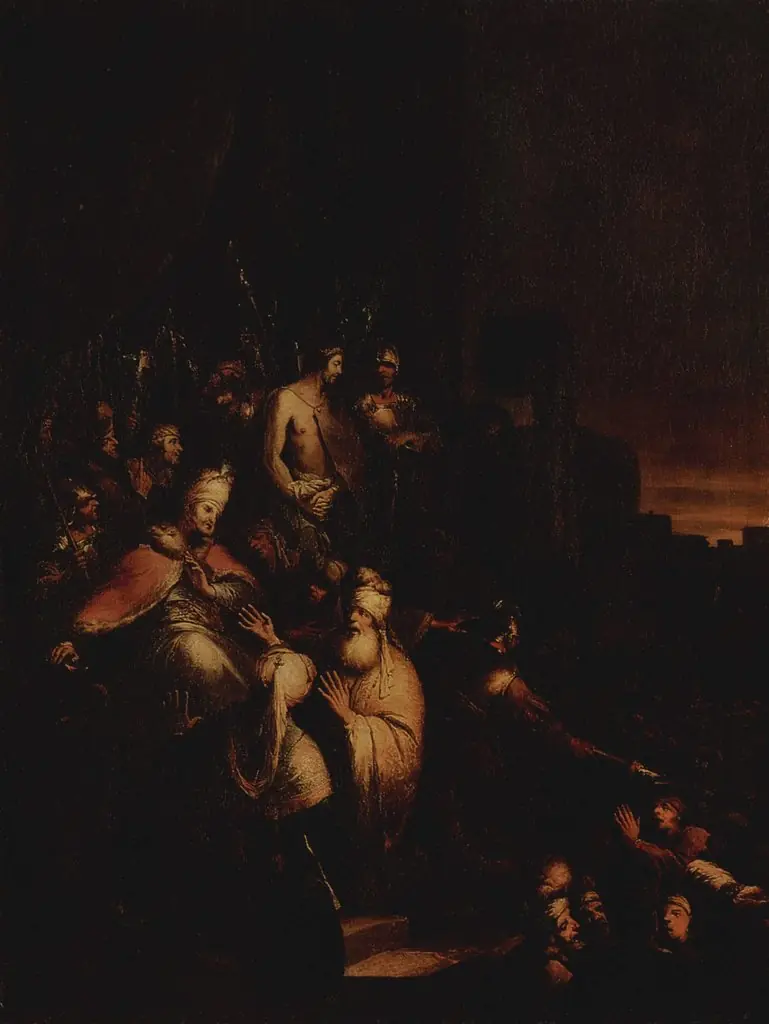 Pilate Debates Christ's Fate
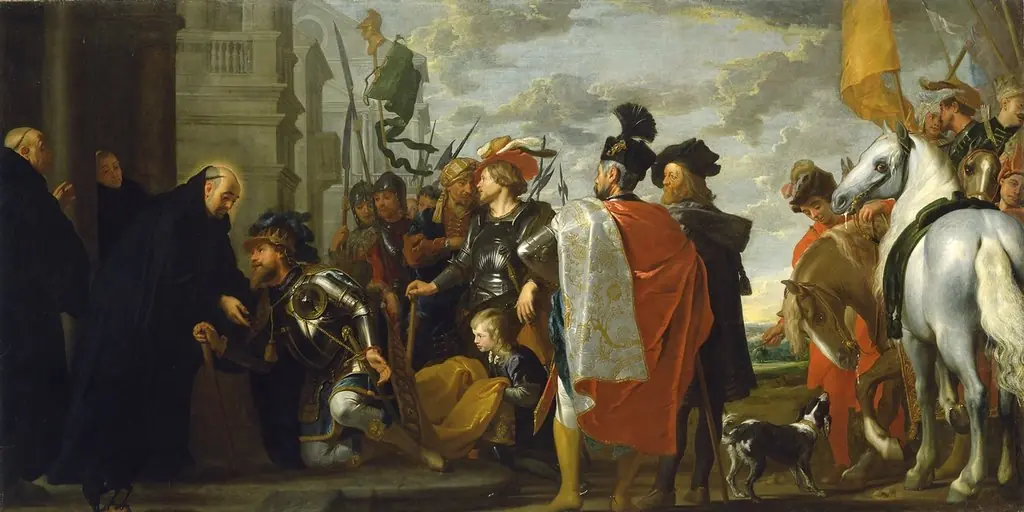 Saint Benedict receiving Totila, King of the Ostrogoths
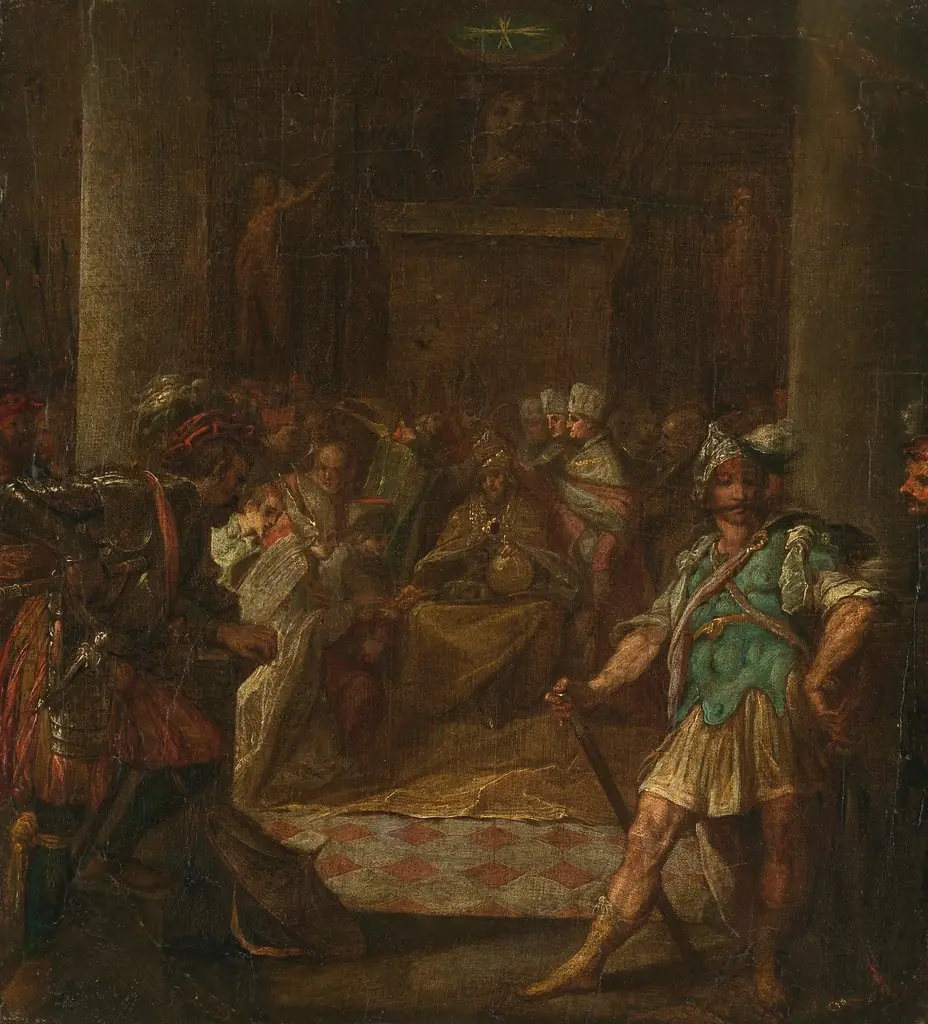 Imperial Coronation
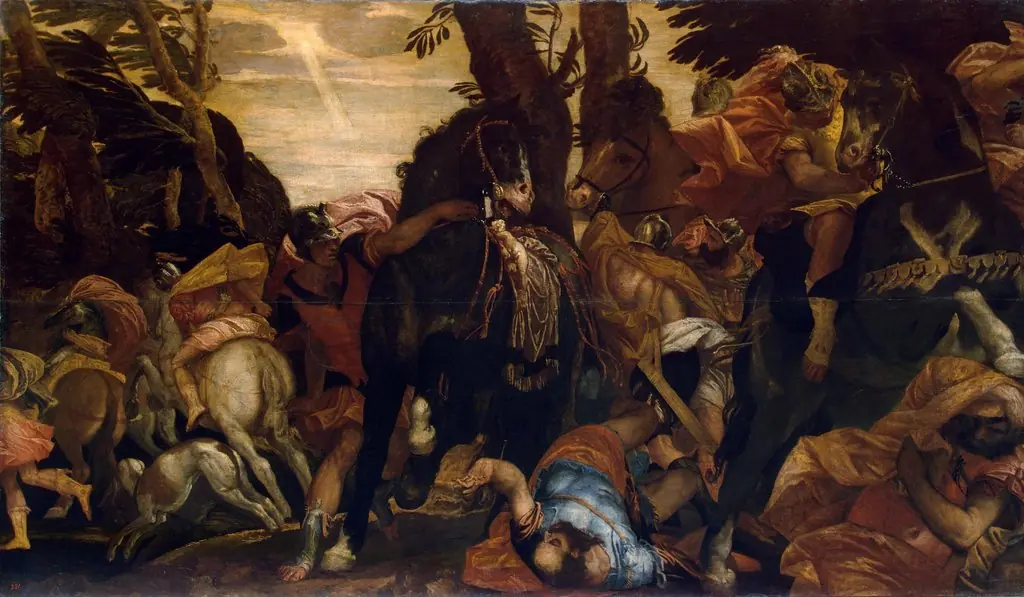 Conversion of Saul
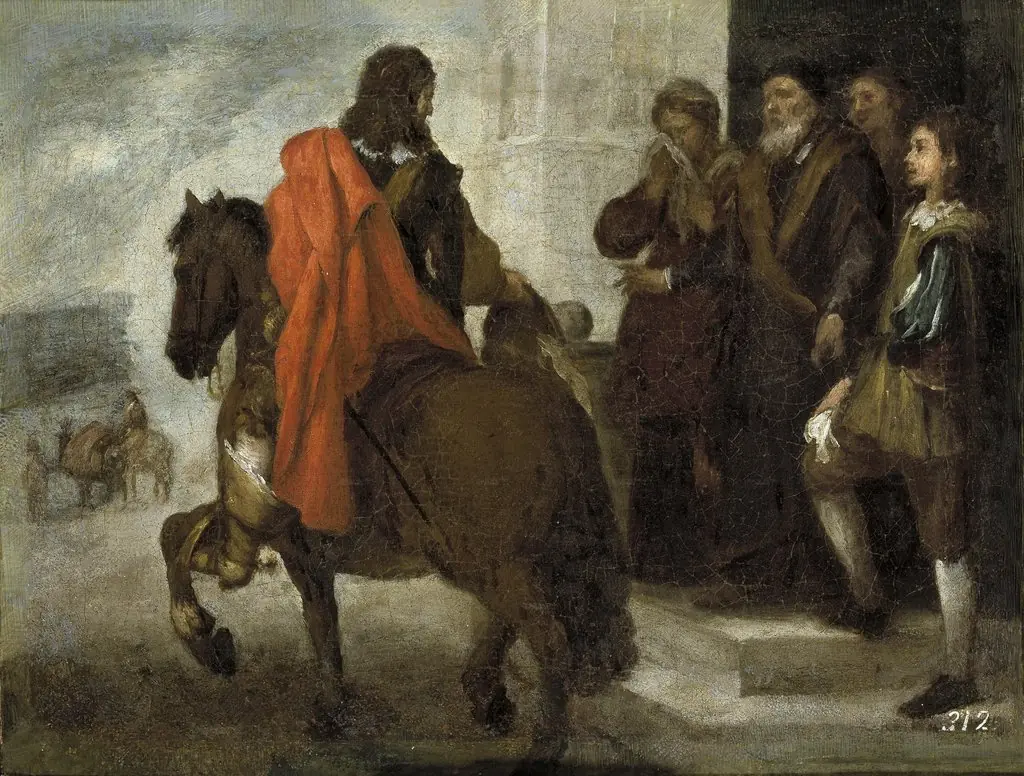 The Prodigal Son taking leave of his Home
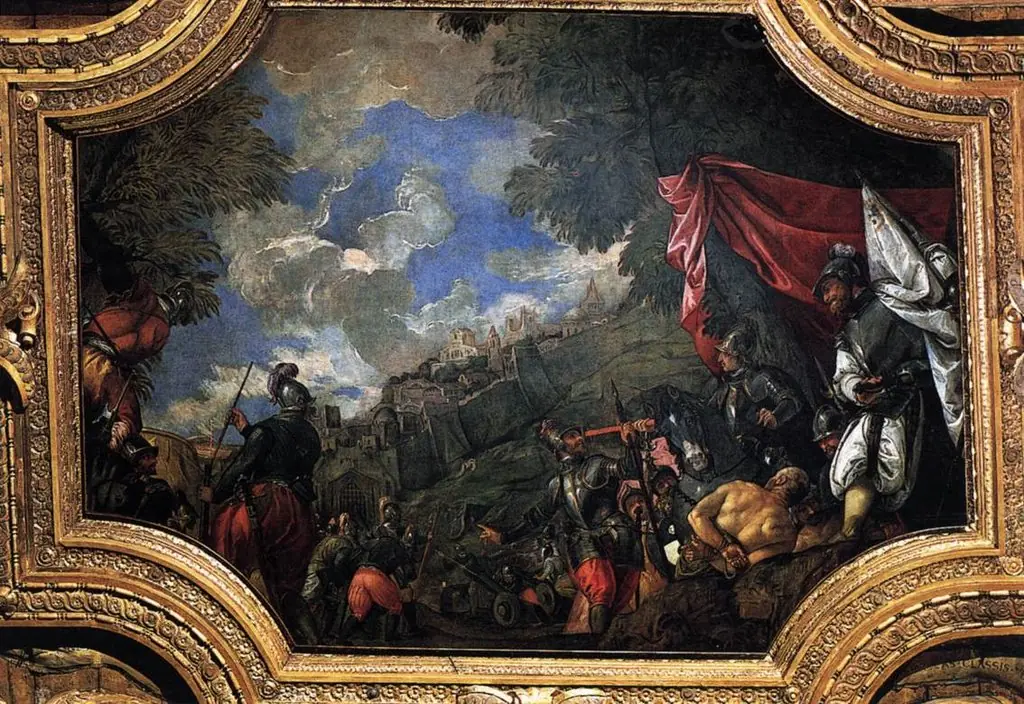 Conquest of Smyrna
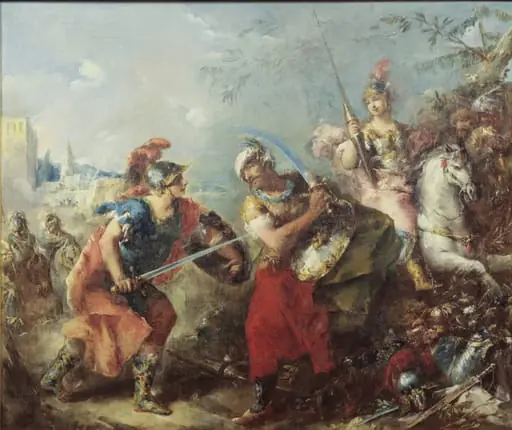 The Fight between Tancred and Argante With Clorinda in the Background
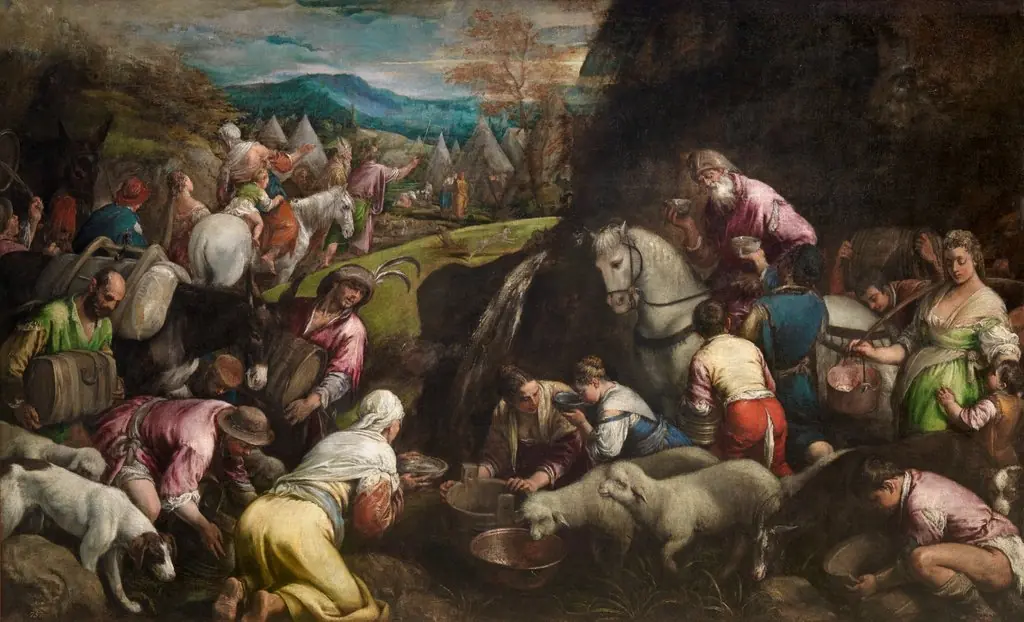 The Israelites drinking the miraculous Water