Artwork
Print from Drawing Book
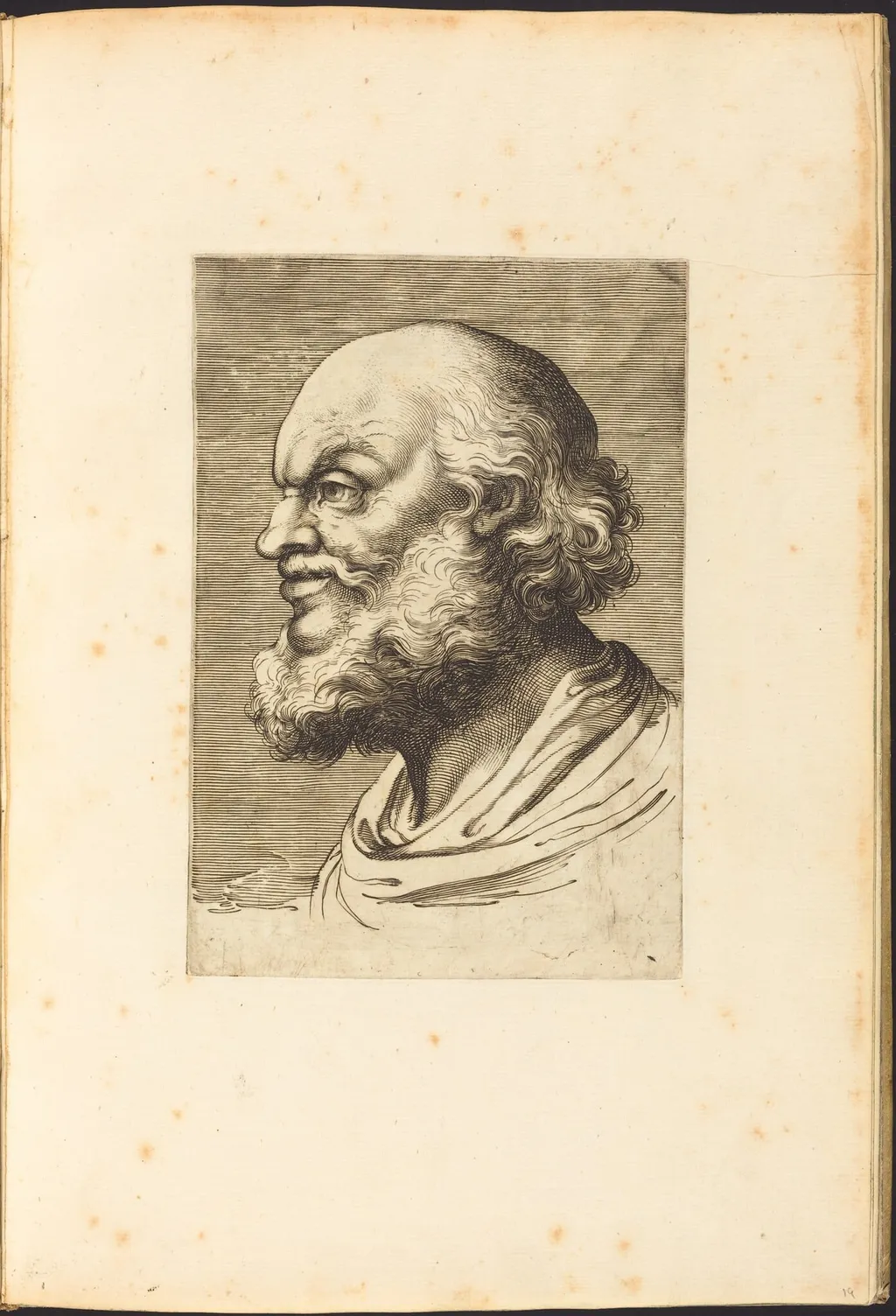
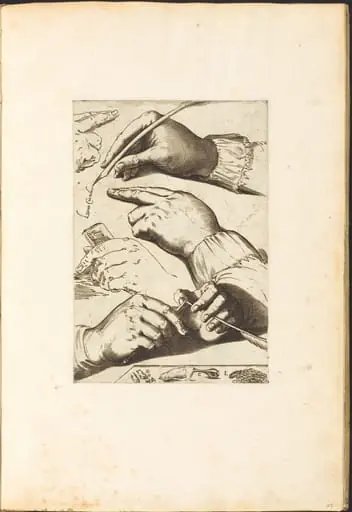
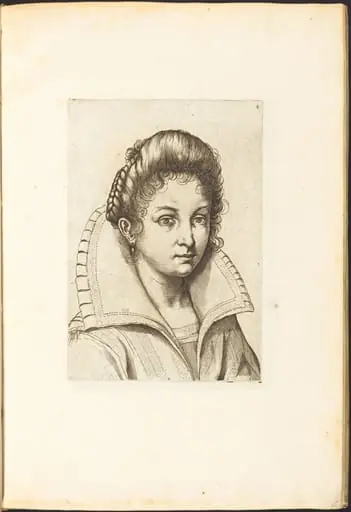
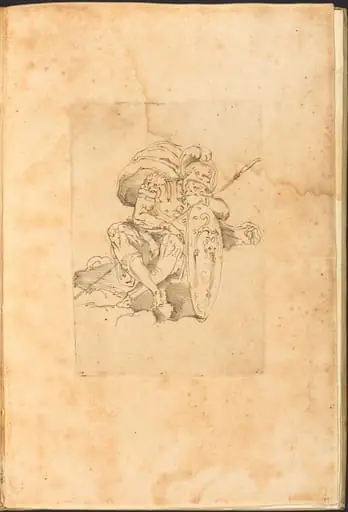
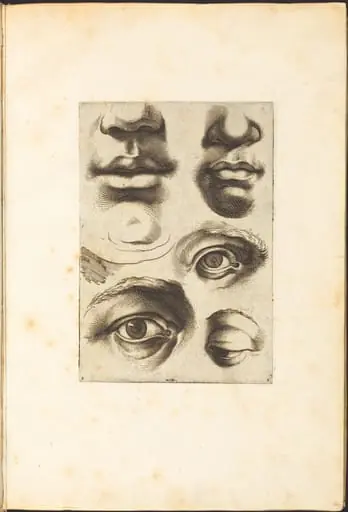
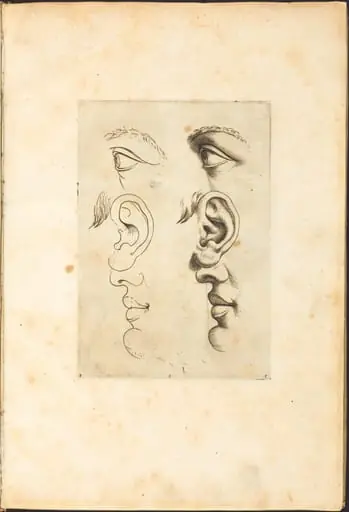
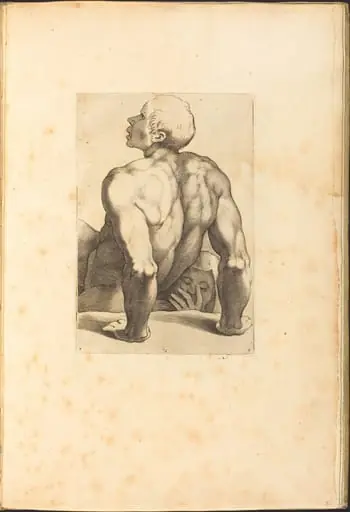
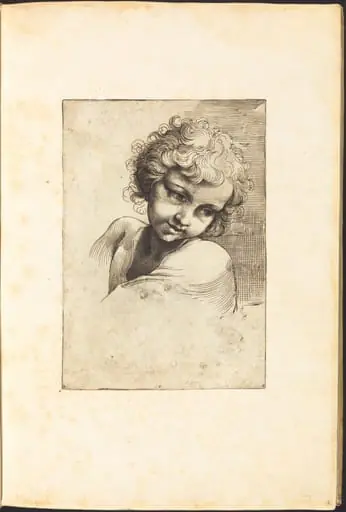
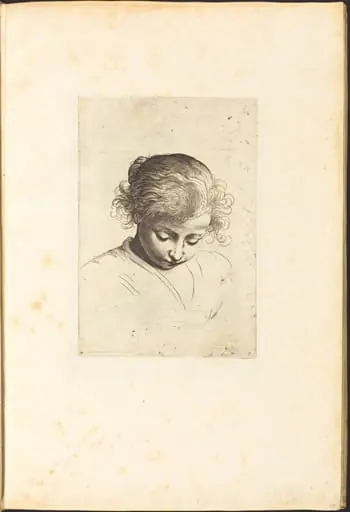
Print from Drawing Book is an ink print by the Baroque artist Luca Ciamberlano. It dates from 1615 and is held in the collection of the National Gallery of Art.
About this work
If you want to learn more about this style of art, you might want to look into the Baroque movement.
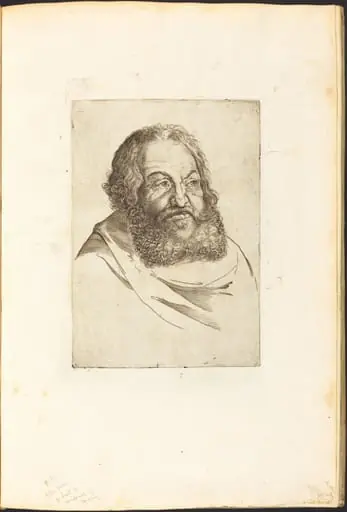
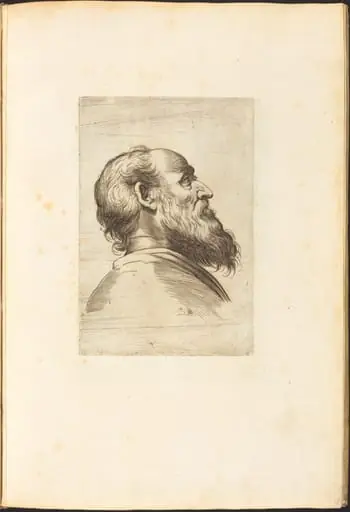
This image shows a print from a drawing book. The print is a portrait of an older man with a long white beard and hair. He is wearing a white robe with a high collar. The background is a solid color.
The man's face is turned to the left, and his eyes are looking straight ahead. His expression is serious, and his eyebrows are furrowed. The print is done in black and white, with lots of cross-hatching to create shading and texture.
The print is an example of Baroque art, which was popular in Europe during the 17th century. It is held at the National Gallery of Art in Washington, D.C. If you want to learn more about this style of art, you might want to look into the Baroque movement.
Overview
Created around 1615, this engraving by Luca Ciamberlano forms part of his series of drawings compiled for a book. Executed in black ink on paper, the work depicts a solitary, elderly figure rendered with meticulous line work. The image is now part of the collection of the National Gallery of Art in Washington, D.C., where it is displayed as an example of early‑17th‑century printmaking.
Subject & Meaning
The composition centers on an aged man whose long white beard and hair frame a solemn face turned slightly to the left. He wears a plain white robe with a high collar, set against an unadorned, solid background. The direct gaze and furrowed brows suggest a contemplative or authoritative presence, typical of portraiture intended to convey dignity or scholarly gravitas.
Technique & Style
Ciamberlano employs dense cross‑hatching to model the figure’s features, creating a range of tonal values without the use of color. The stark contrast between the dark ink and the white paper, together with the precise linear strokes, exemplifies the Baroque emphasis on dramatic chiaroscuro and the skillful manipulation of line to suggest volume and texture.
History & Provenance
The engraving was produced in the early Baroque period, a time when Italian printmakers frequently compiled drawing books for study and dissemination. After circulating among private collections, the print entered the National Gallery of Art’s holdings, where it has been catalogued as part of the museum’s European prints and drawings department.
Context
Baroque art in the seventeenth century favored dynamic compositions, strong contrasts, and emotional intensity. While Ciamberlano’s work lacks the grand narrative scenes typical of the period, its focus on a single, introspective figure aligns with the era’s interest in individual character studies and the pedagogical use of drawing books for artists in training.
Artist & collection