Artwork
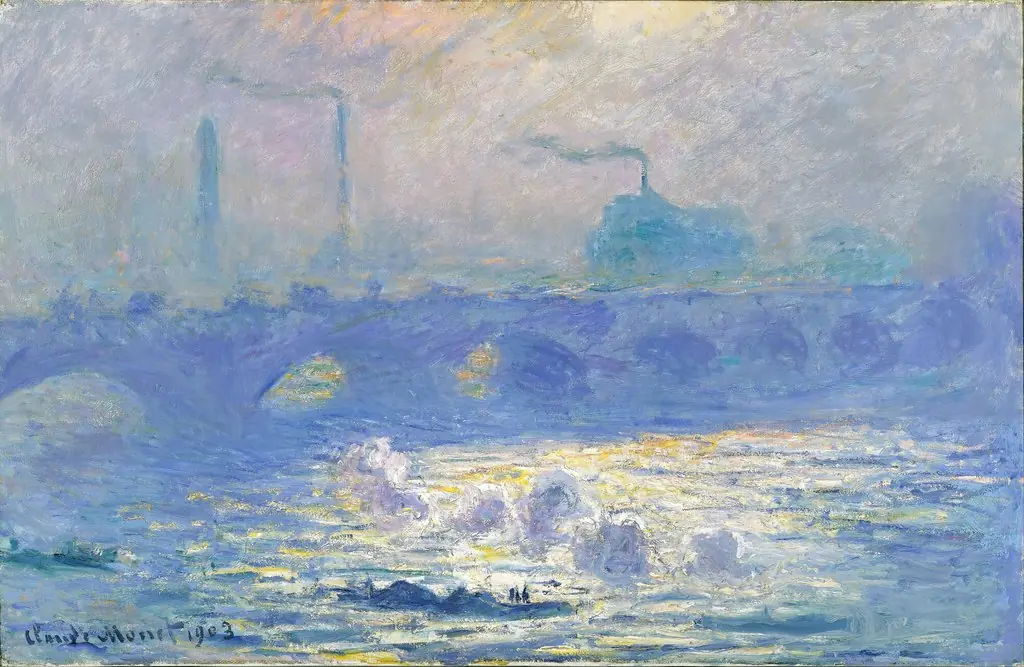
Le Pont de Waterloo
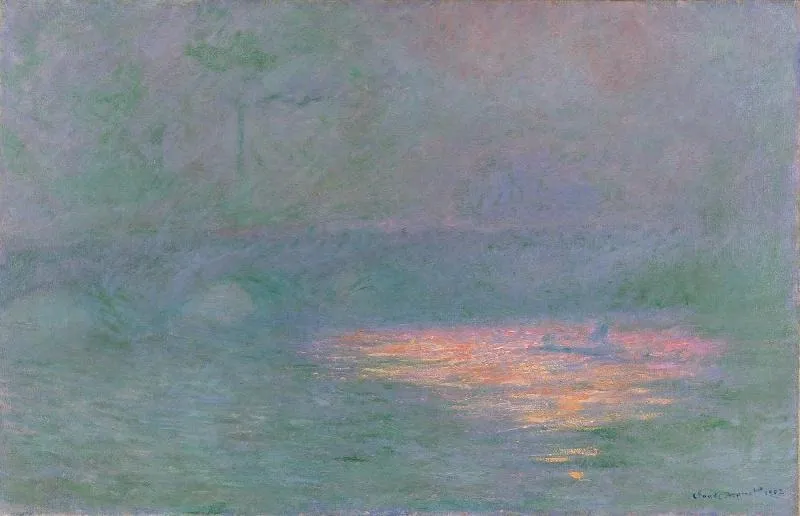
Le Pont de Waterloo is an oil painting by the Impressionist artist Claude Monet. It dates from 1902 and is held in the collection of the Kunsthaus Zürich.
About this work
Overview
Painted in 1902, Le Pont de Waterloo is an oil on canvas work by Claude Monet, capturing a view of the Waterloo Bridge over the River Thames in London. The painting belongs to a series Monet produced during his visits to the city, where he focused on atmospheric effects under varying light conditions. It is currently held in the collection of the Los Angeles County Museum of Art.
Subject & Meaning
Rather than documenting architecture, Monet conveys the transient quality of light and weather, inviting contemplation of nature’s subtle rhythms.
The scene depicts the Waterloo Bridge partially obscured by mist, with small boats drifting on the water below. The bridge’s arches and smokestacks of distant vessels are rendered in soft outlines, emphasizing the interplay between structure and atmosphere. Rather than documenting architecture, Monet conveys the transient quality of light and weather, inviting contemplation of nature’s subtle rhythms.
Technique & Style
Monet applied thin, layered brushstrokes to build the water’s surface in shifting hues of blue, green, and muted gold. The texture arises from deliberate, visible strokes that suggest movement and reflection without defining forms sharply. His approach avoids detail in favor of tonal harmony, using color to evoke the hazy glow of dawn or dusk, characteristic of his late Impressionist style.
History & Provenance
Monet painted this work during his third stay in London, between 1899 and 1901, producing over twenty views of the Thames. Le Pont de Waterloo was completed in 1902, likely in his Giverny studio from sketches and memory. It entered the Los Angeles County Museum of Art’s collection in the mid-20th century, where it remains part of their European painting holdings.
Context
Monet’s London series emerged from his fascination with urban atmospheres and industrial haze, contrasting with his earlier rural subjects. These works reflect his engagement with contemporary debates about perception and modernity. The series also positioned him within a broader tradition of artists drawn to London’s changing skies, including J.M.W. Turner, whose influence can be sensed in Monet’s luminous treatment of light.
Legacy
Le Pont de Waterloo exemplifies Monet’s mature approach to landscape, where the environment becomes a field of shifting color and light rather than a fixed scene. Its inclusion in major collections underscores its role in the evolution of modern painting, influencing later artists who prioritized sensory experience over literal representation. The work continues to be studied for its nuanced handling of atmosphere and perception.
Artist & collection
Artist
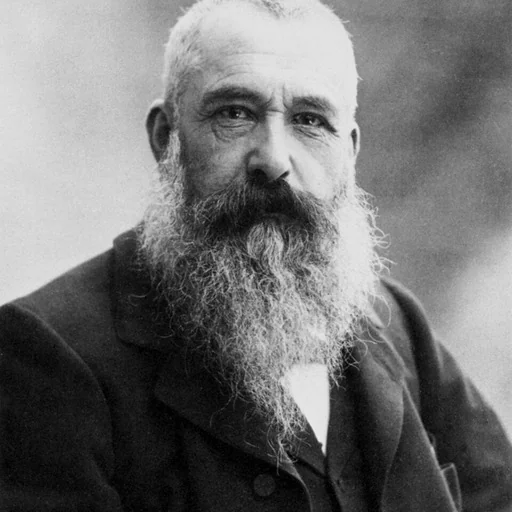
Oscar-Claude Monet was born in Paris on November 14, 1840, and raised from the age of five in Le Havre, where he began selling charcoal caricatures as a teenager.

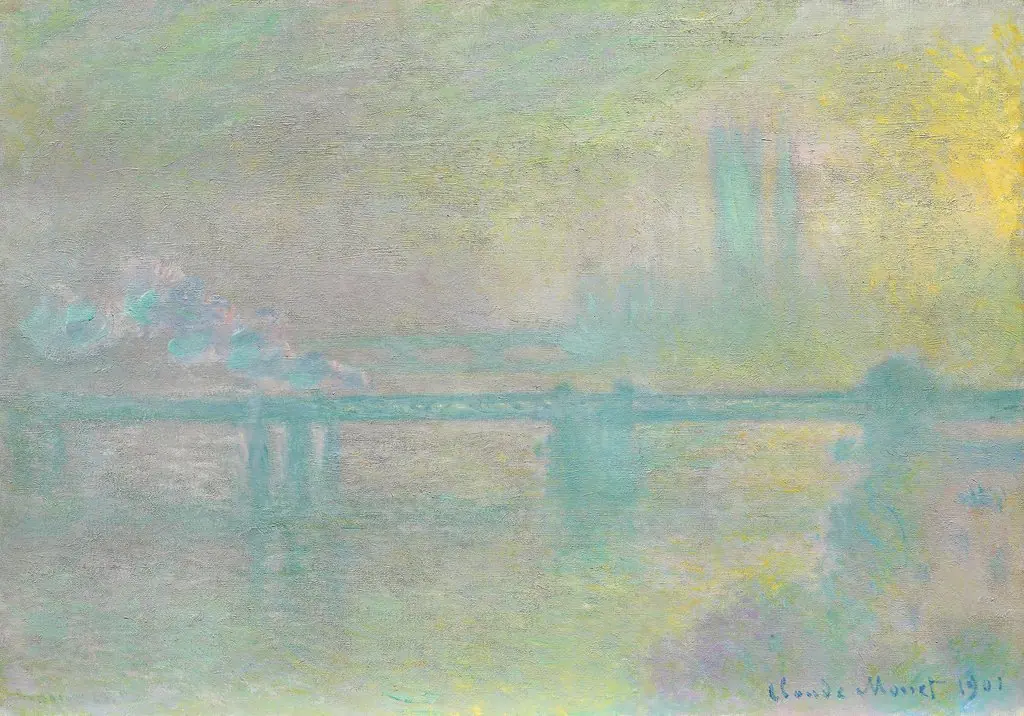 Charing Cross Bridge, London
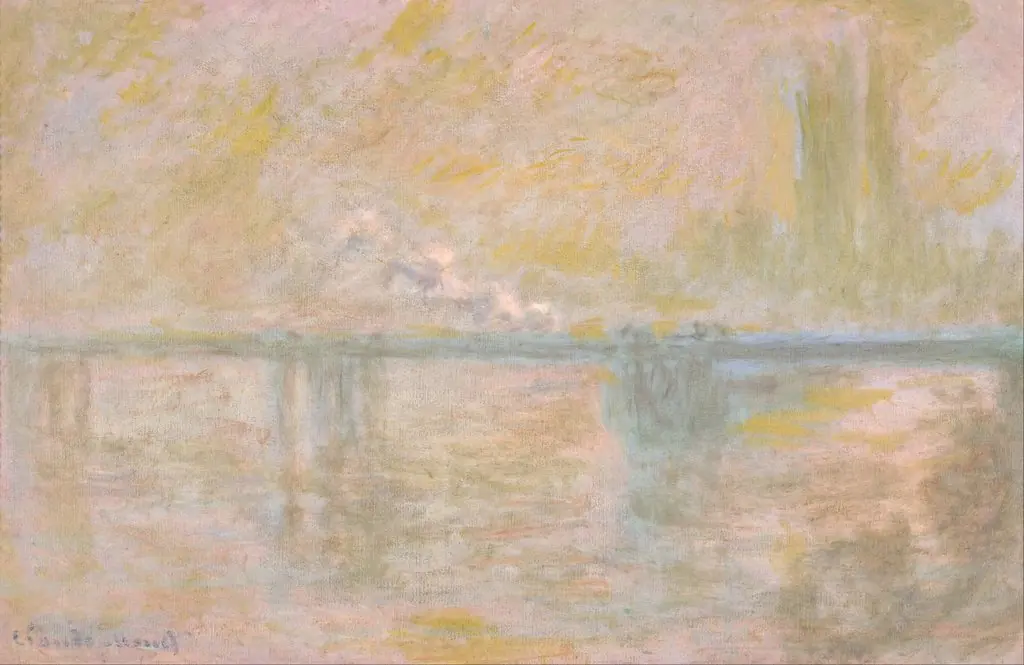 Charing-Cross Bridge in London
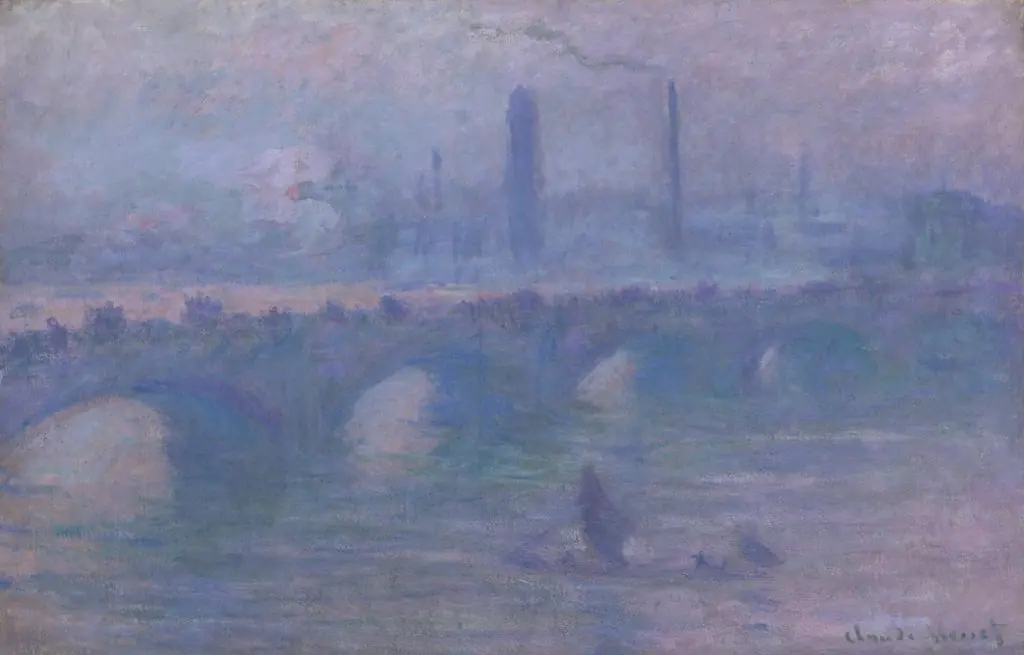 Waterloo Bridge, Morning Fog
 Water Lilies
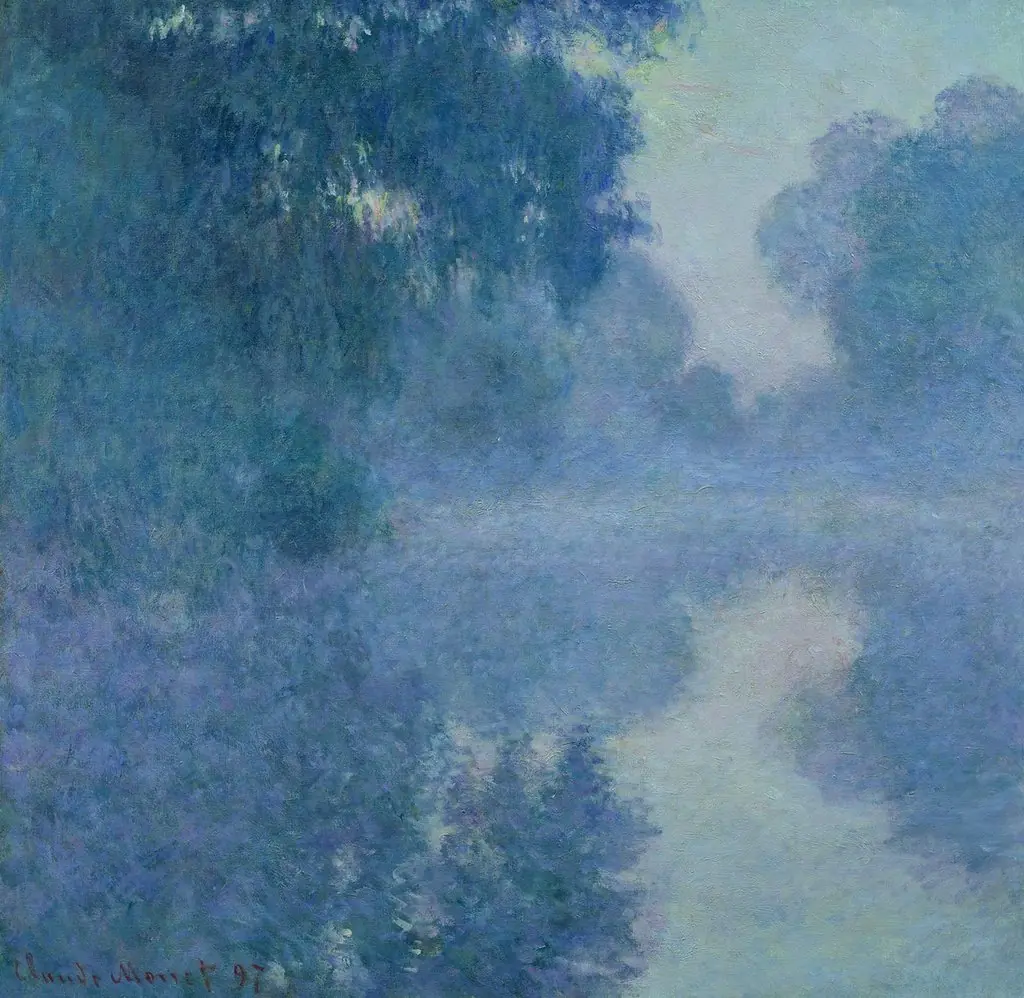 Bras de Seine près de Giverny, soleil levant
 Branch of the Seine near Giverny (Mist)
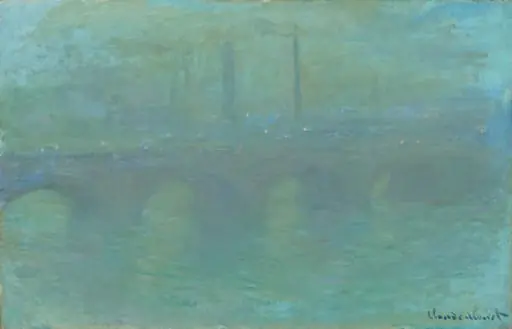 Waterloo Bridge, London, at Dusk
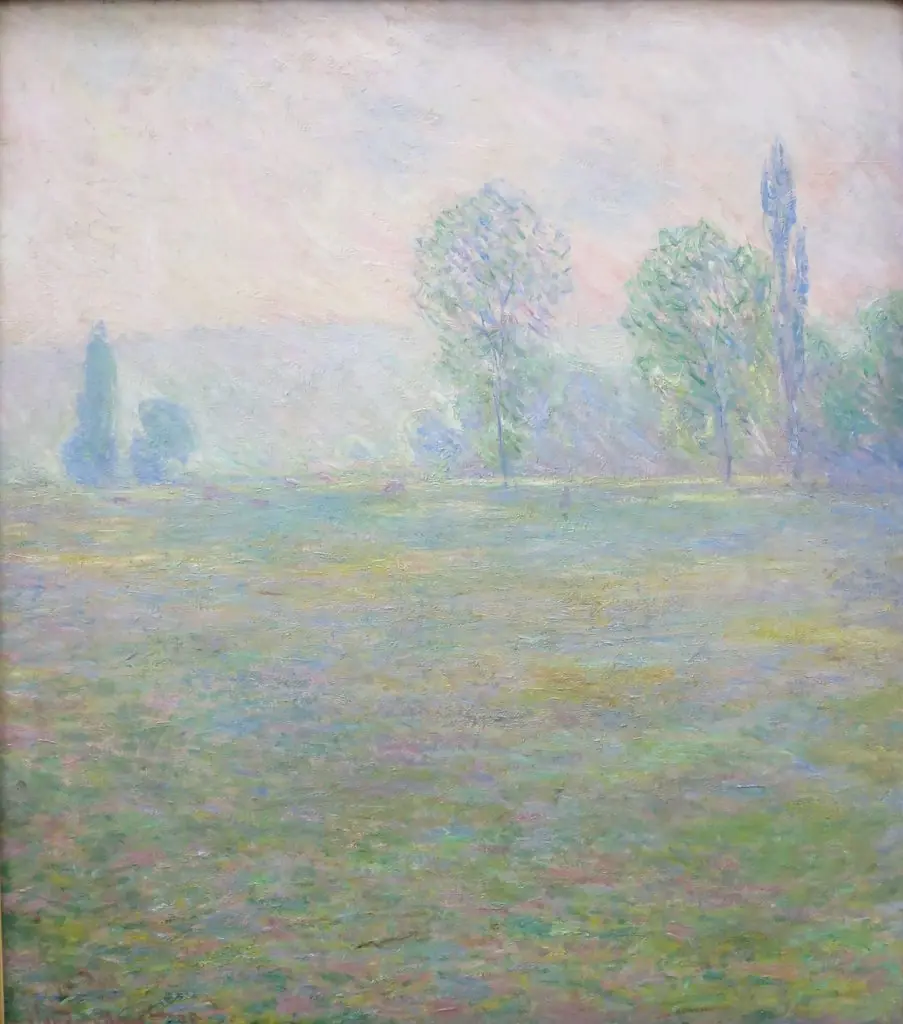 Meadows at Giverny
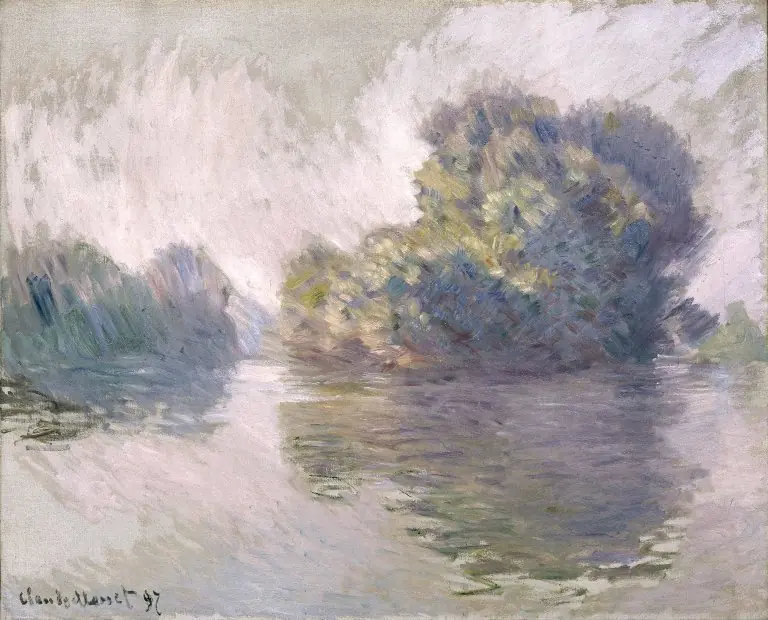 The Islets at Port-Villez
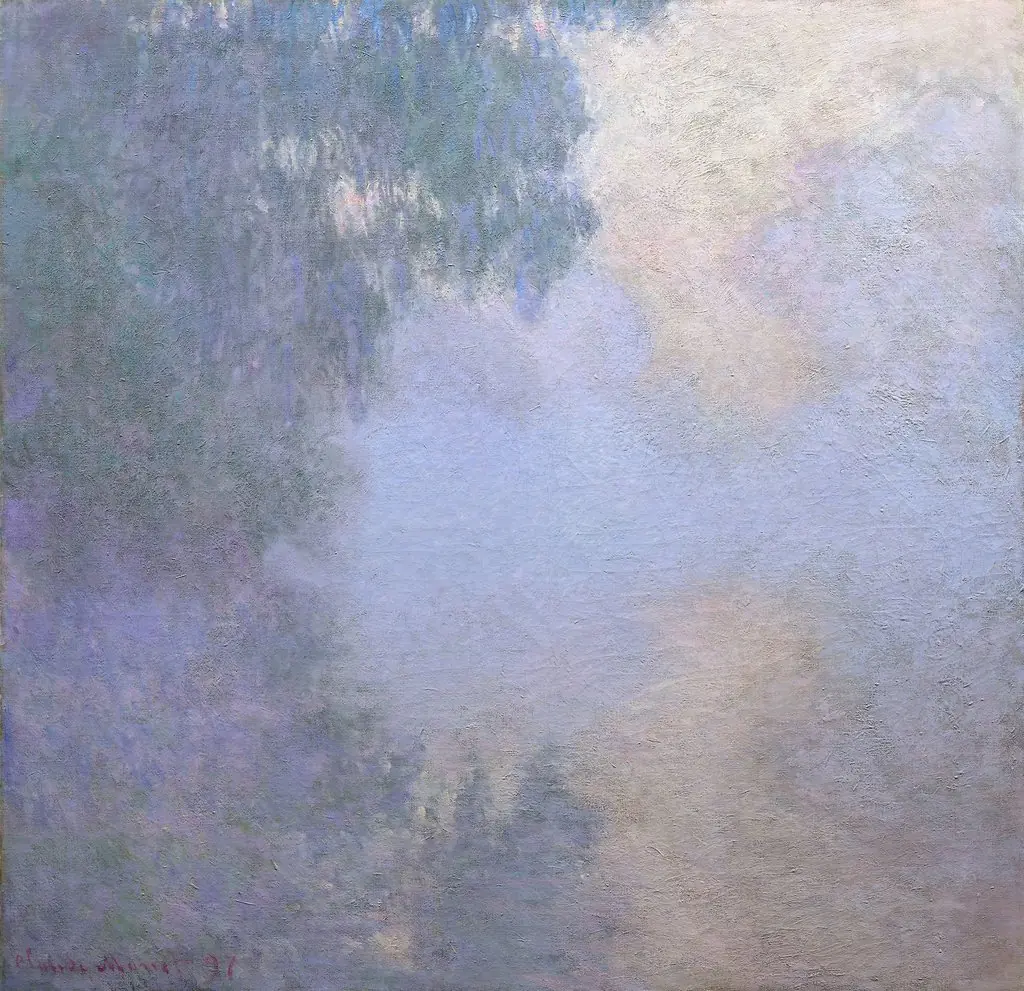 Branch of the Seine near Giverny (Mist), from the series "Mornings on the Seine"
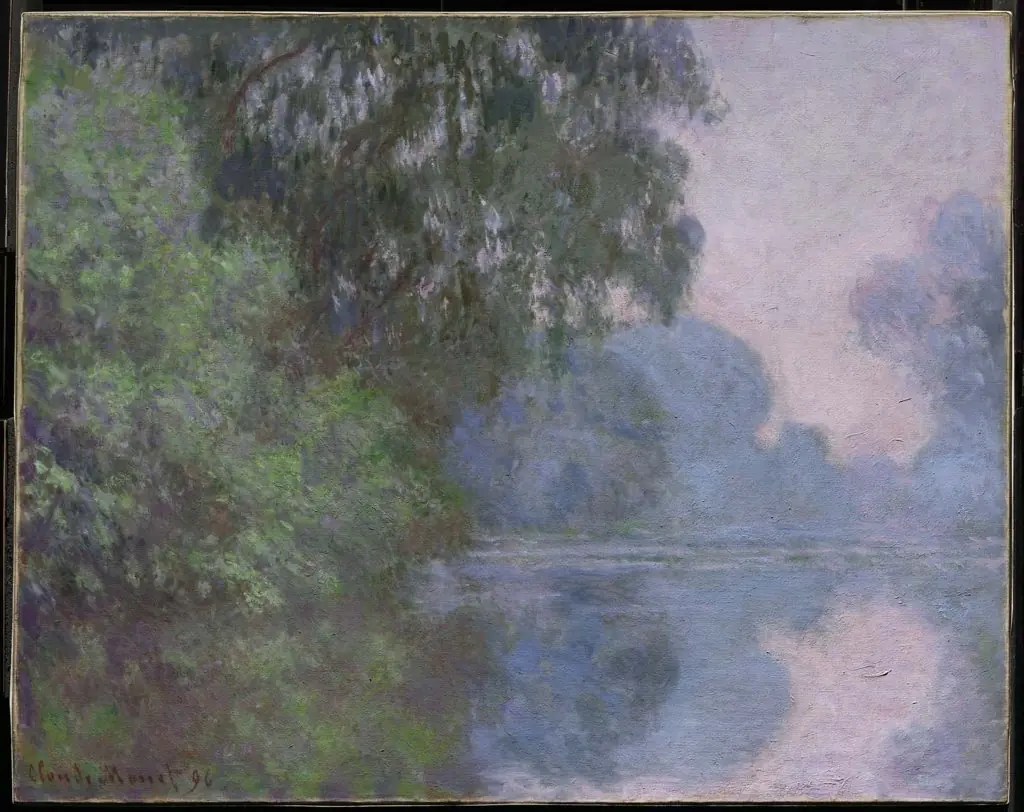 Morning on the Seine, near Giverny
 Waterloo Bridge, Sunlight Effect