Artwork
Waterloo Bridge, Morning Fog
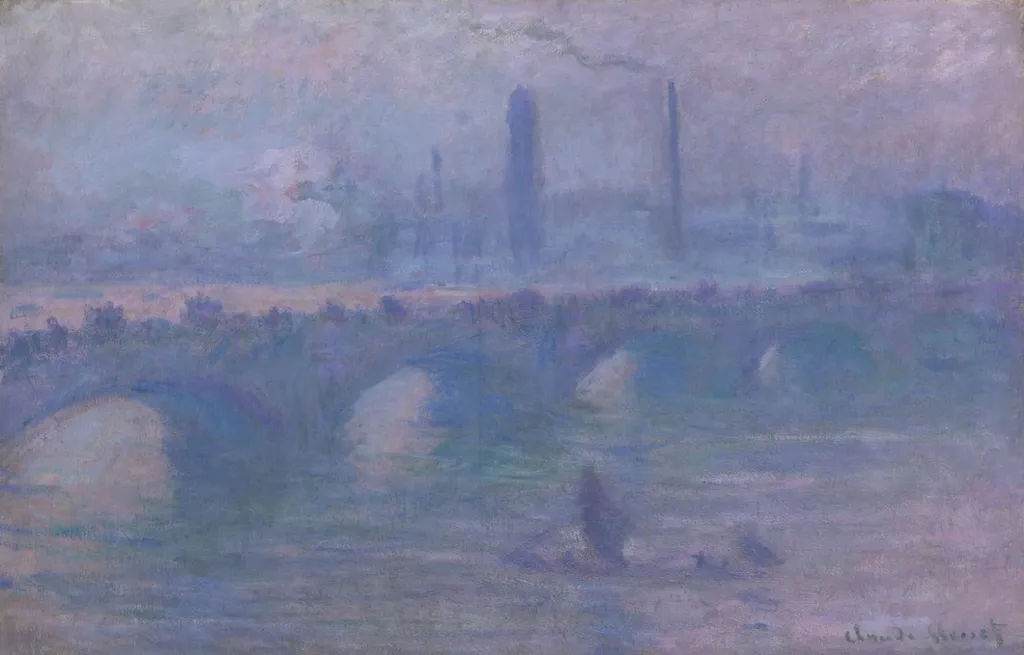
Waterloo Bridge, Morning Fog is an oil painting by the Impressionist artist Claude Monet. It dates from 1901 and is held in the collection of the Philadelphia Museum of Art.
About this work
Overview
Claude Monet painted Waterloo Bridge, Morning Fog in 1901, employing oil on canvas to capture a mist‑filled London scene. The work is part of the Philadelphia Museum of Art’s collection, where it is displayed among the museum’s Impressionist holdings.
Subject & Meaning
The canvas depicts the arched span of Waterloo Bridge crossing the Thames under a veil of fog. Small vessels drift beneath the structure, while distant towers emerge faintly through the haze. The muted atmosphere suggests the transitory quality of light and weather, themes central to Monet’s exploration of urban environments.
Technique & Style
Monet renders the scene with a palette dominated by cool blues and grays, applying paint in loose, gestural strokes that convey the movement of air and water. Layered glazes soften forms and deepen the sense of depth, while the brushwork retains the immediacy of an impressionist observation rather than a detailed rendering.
History & Provenance
Created during Monet’s series of London bridge studies, the painting reflects his fascination with the city’s industrial architecture under varying atmospheric conditions. After changing hands through private collectors, the work entered the Philadelphia Museum of Art’s holdings in the mid‑20th century, where it remains a representative example of his late‑period oeuvre.
Artist & collection
Artist
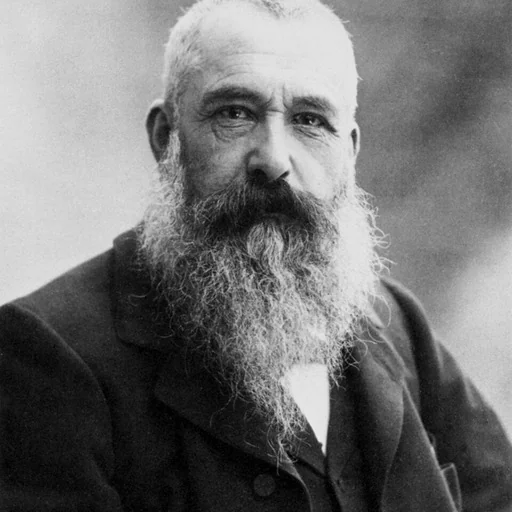
Oscar-Claude Monet was born in Paris on November 14, 1840, and raised from the age of five in Le Havre, where he began selling charcoal caricatures as a teenager.


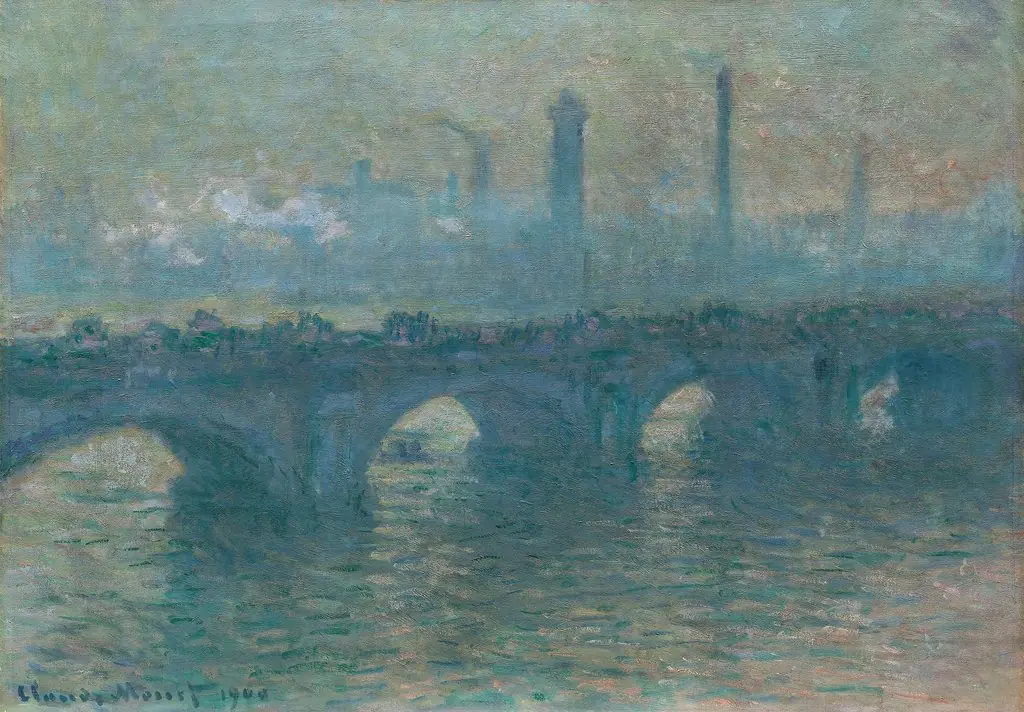 Waterloo Bridge, Gray Weather
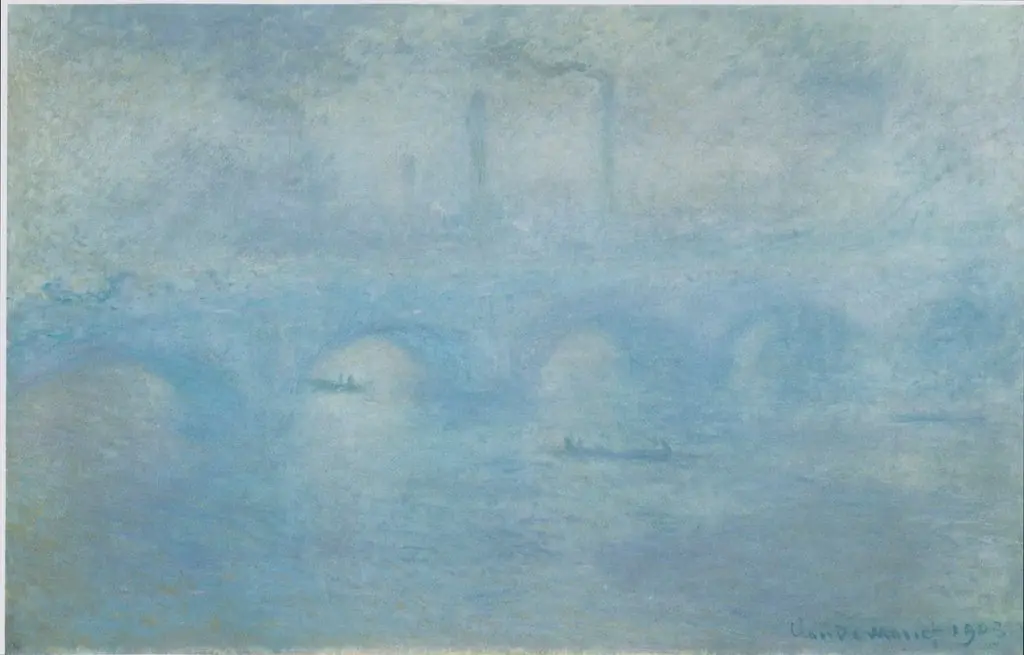 Waterloo Bridge. Effect of Fog
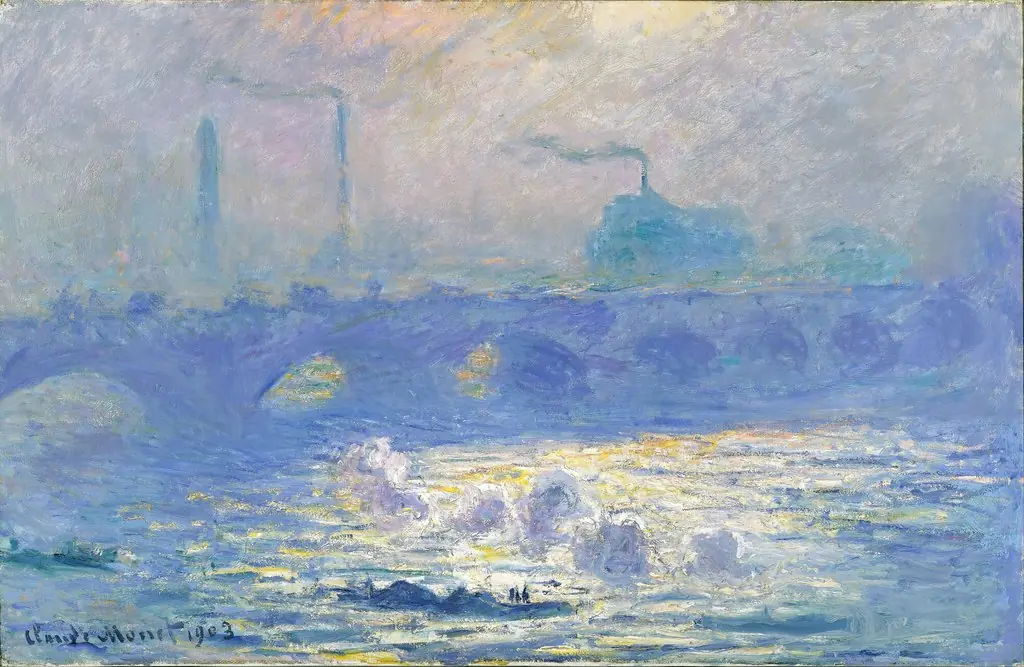 Waterloo Bridge, Sunlight Effect
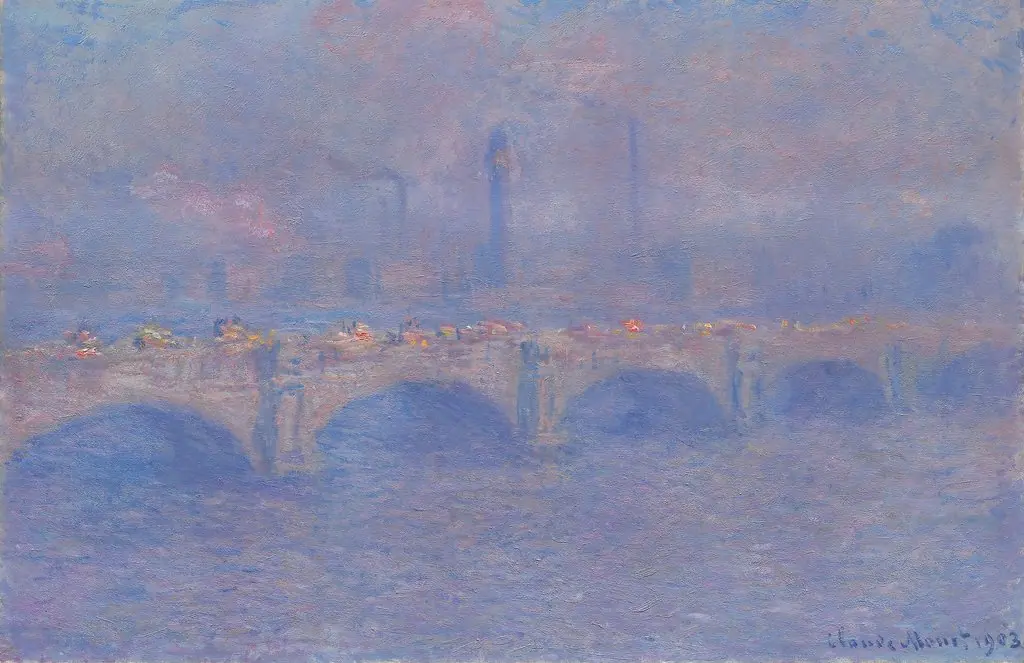 Waterloo Bridge, Sunlight Effect
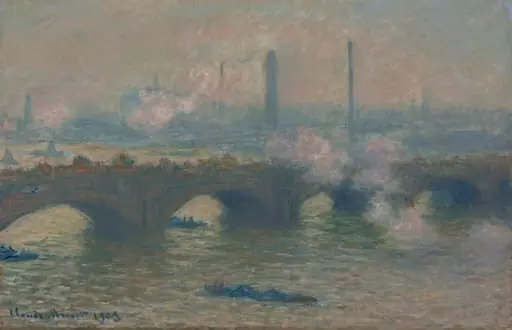 Waterloo Bridge, Gray Day
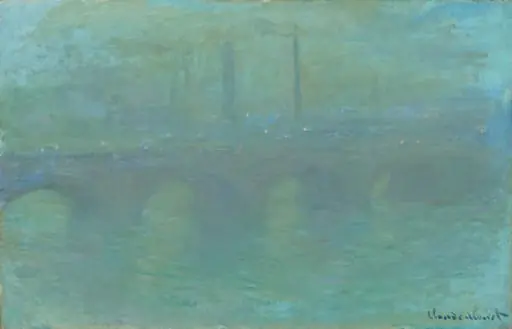 Waterloo Bridge, London, at Dusk
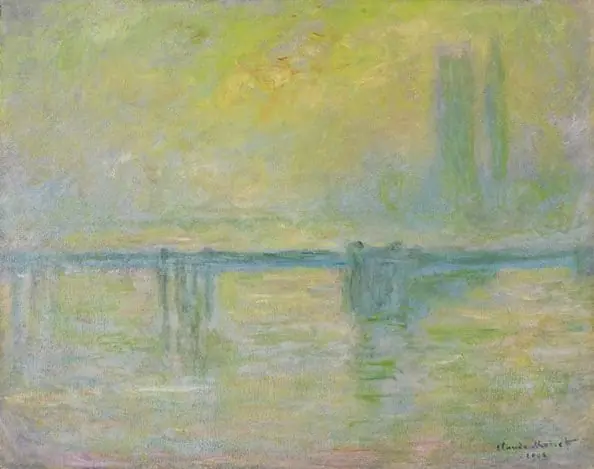 Charing Cross Bridge, Fog
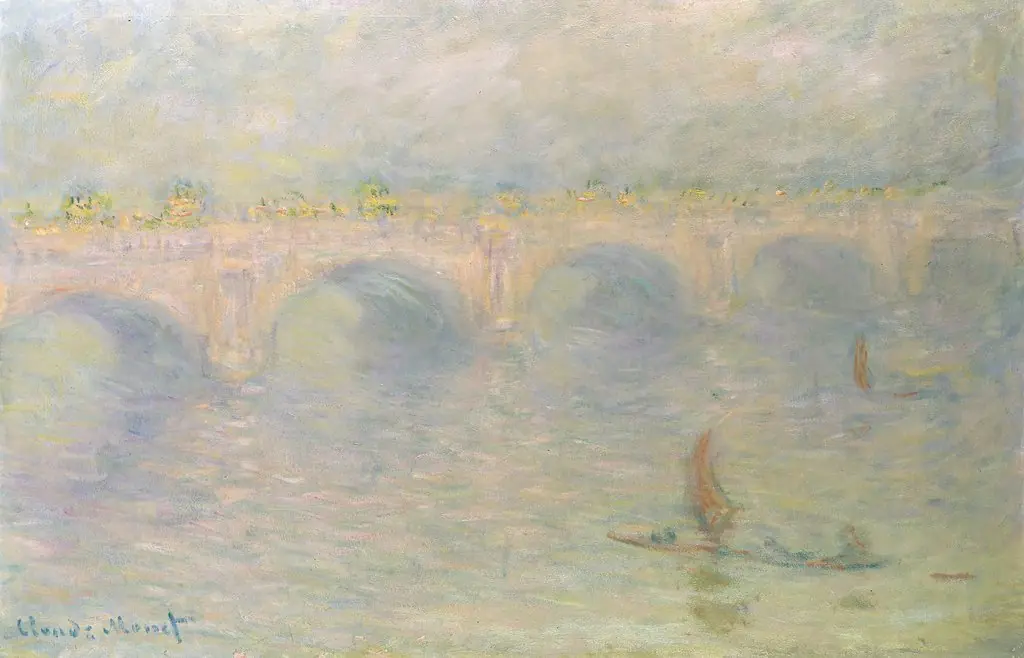 Waterloo Bridge, London, Sun Effect
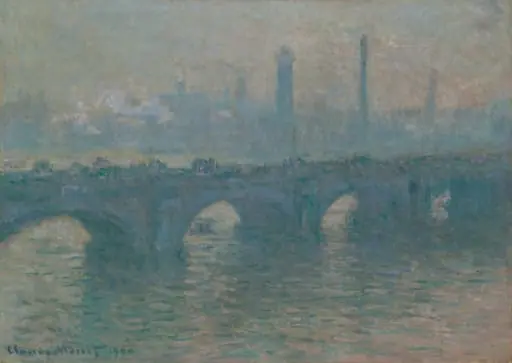 Waterloo Bridge, Gray Weather
 Waterloo Bridge, London, at Sunset
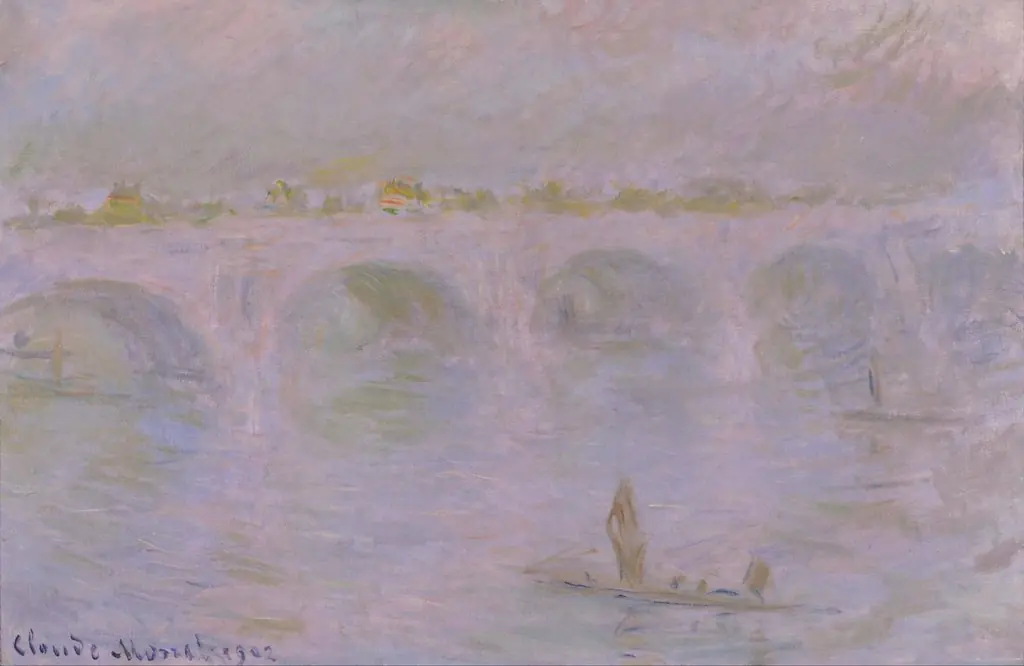 Waterloo Bridge in London