Artwork
Waterloo Bridge, Sunlight Effect
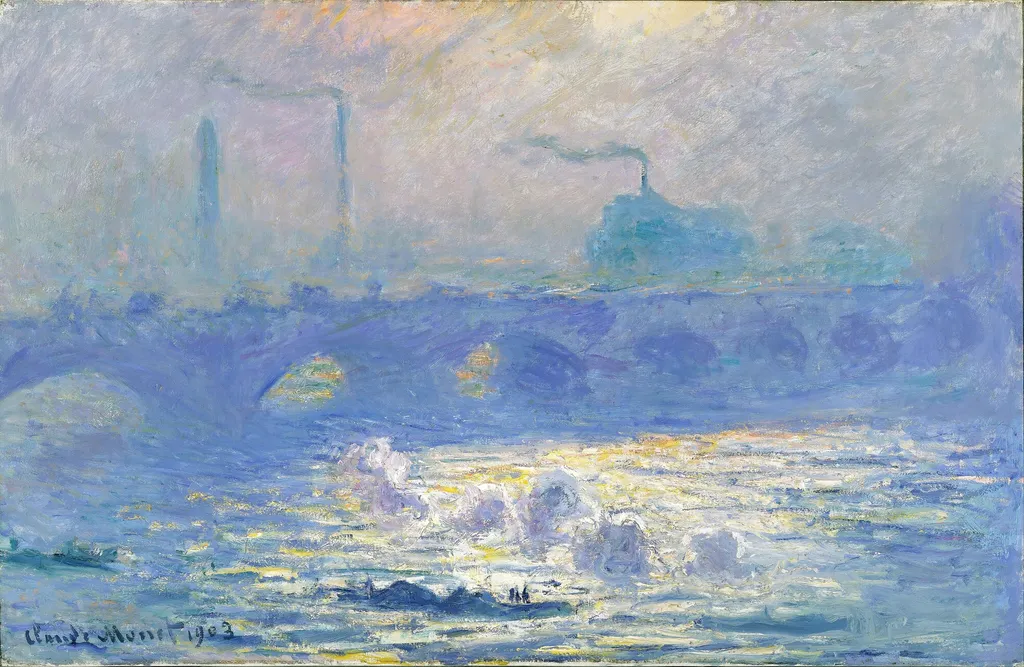
Waterloo Bridge, Sunlight Effect is an oil painting by the Impressionist artist Claude Monet. It dates from 1903 and is held in the collection of the Denver Art Museum.
About this work
Overview
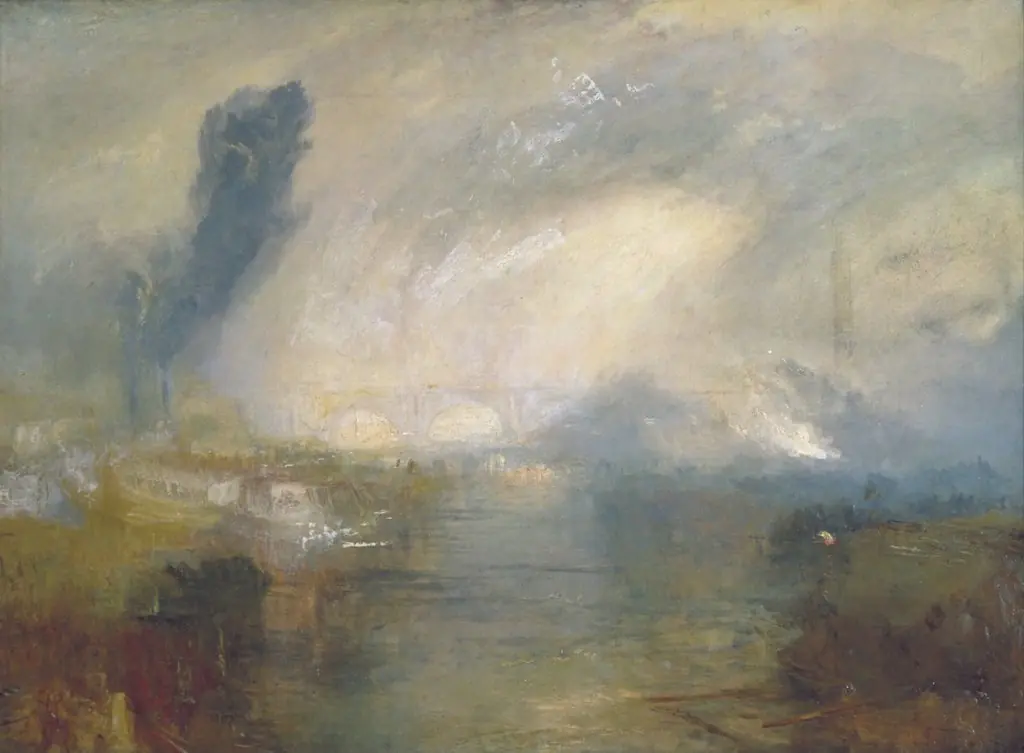
Claude Monet’s 1903 oil on canvas, titled Waterloo Bridge, Sunlight Effect, presents a tranquil view of the London bridge spanning a calm river. The composition is bathed in warm, golden light, with the structure rendered in softened, muted tones that recede into a luminous sky. The painting resides in the collection of the Denver Art Museum.
Subject & Meaning
The work captures a moment of atmospheric calm, emphasizing the interplay of sunlight and water. By focusing on the bridge’s silhouette against a glowing horizon, Monet conveys the fleeting quality of light and its capacity to transform ordinary architecture into a serene, almost ethereal scene.
Technique & Style
Monet employs his characteristic loose brushwork, layering delicate strokes to suggest rippling water and subtle shifts in hue. The palette shifts from cool blues in the foreground to warm golds in the sky, creating depth through tonal variation. The handling of light and shadow reflects his mature Impressionist approach to capturing transient effects.
History & Provenance
Executed during Monet’s series of London bridge studies, the painting was completed in 1903. It entered the Denver Art Museum’s holdings at an unspecified later date, where it remains part of the museum’s European painting collection, representing the artist’s exploration of urban landscapes under varying atmospheric conditions.
Own this work as a print
Artist & collection
Artist
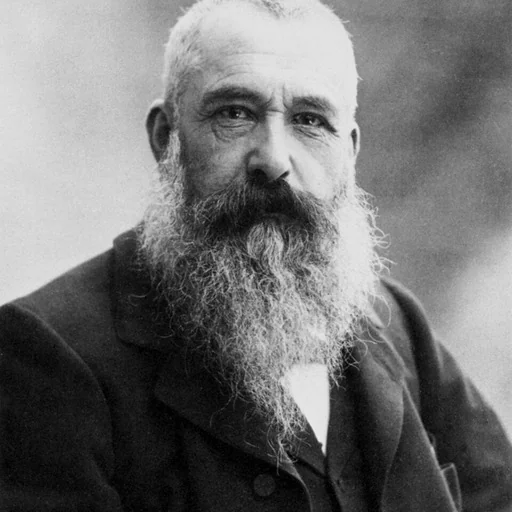
Oscar-Claude Monet was born in Paris on November 14, 1840, and raised from the age of five in Le Havre, where he began selling charcoal caricatures as a teenager.



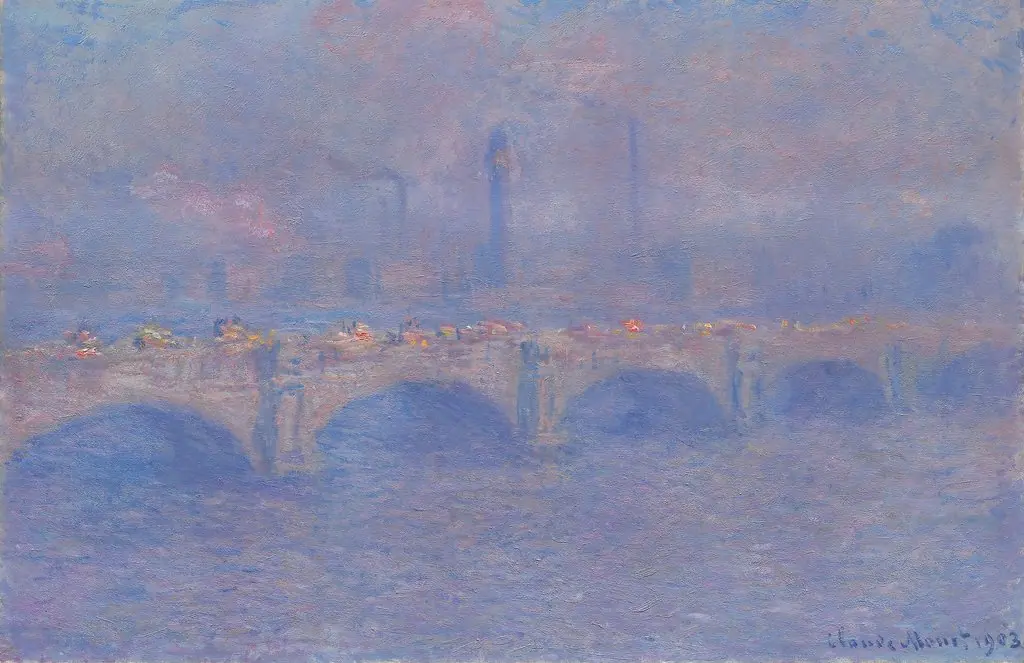 Waterloo Bridge, Sunlight Effect
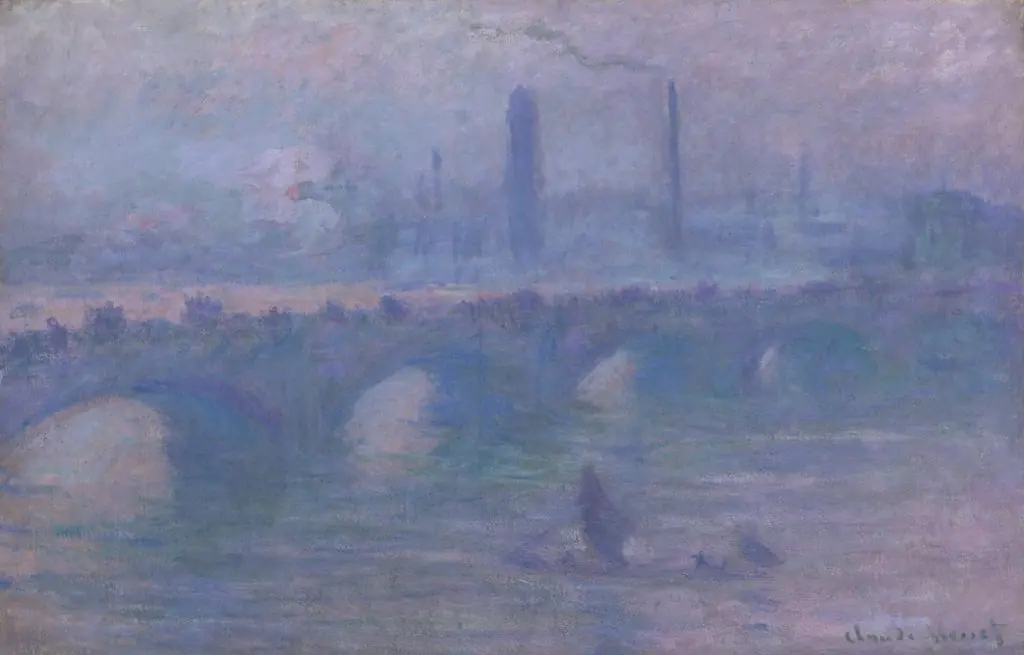 Waterloo Bridge, Morning Fog
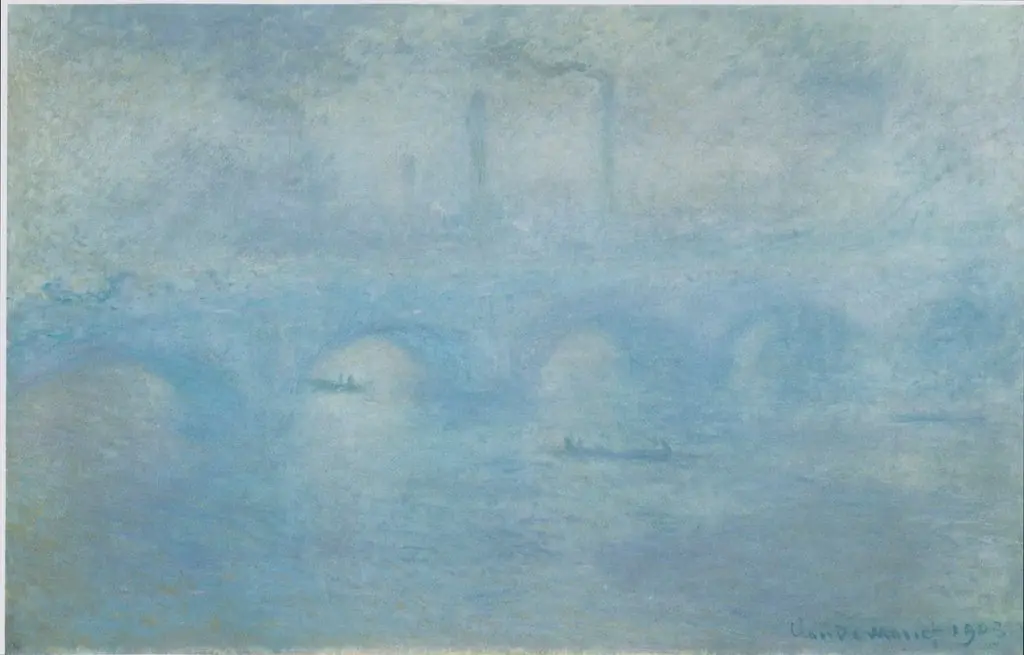 Waterloo Bridge. Effect of Fog
 Waterloo Bridge, London, at Dusk
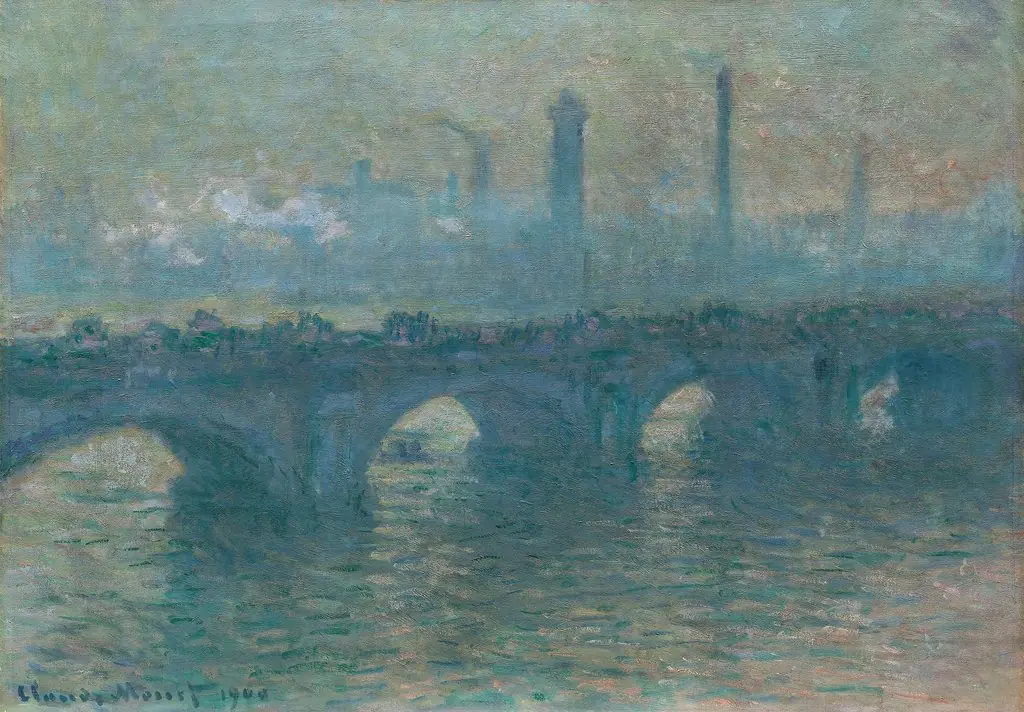 Waterloo Bridge, Gray Weather
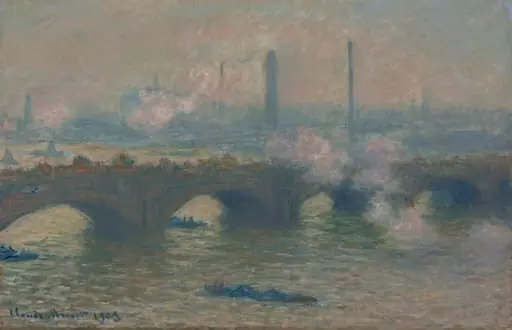 Waterloo Bridge, Gray Day
 Waterloo Bridge, London, at Sunset
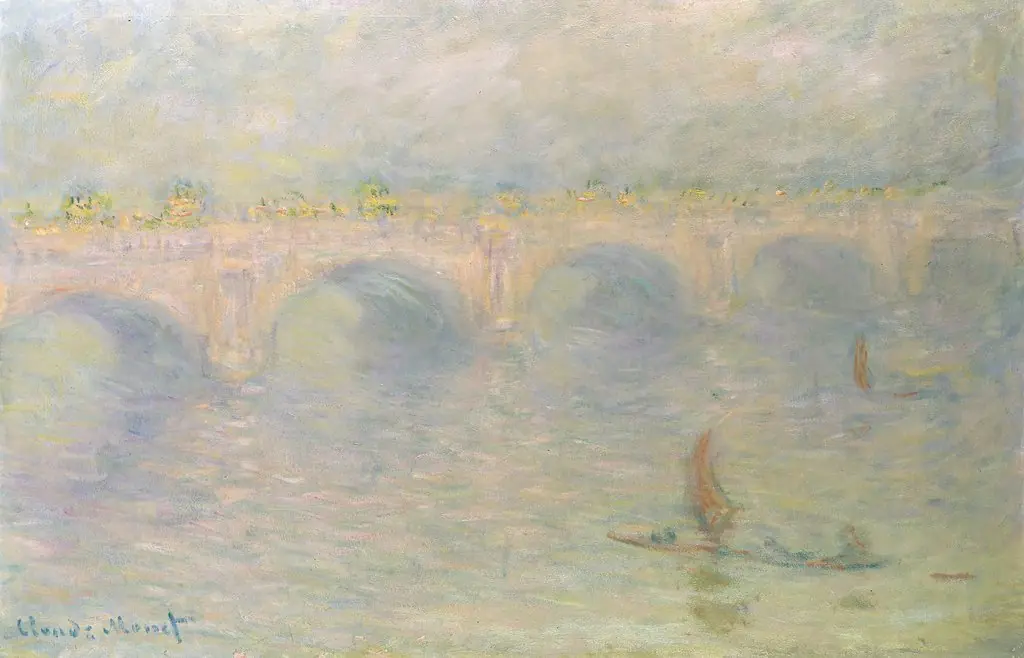 Waterloo Bridge, London, Sun Effect
 Waterloo Bridge, Sunlight Effect
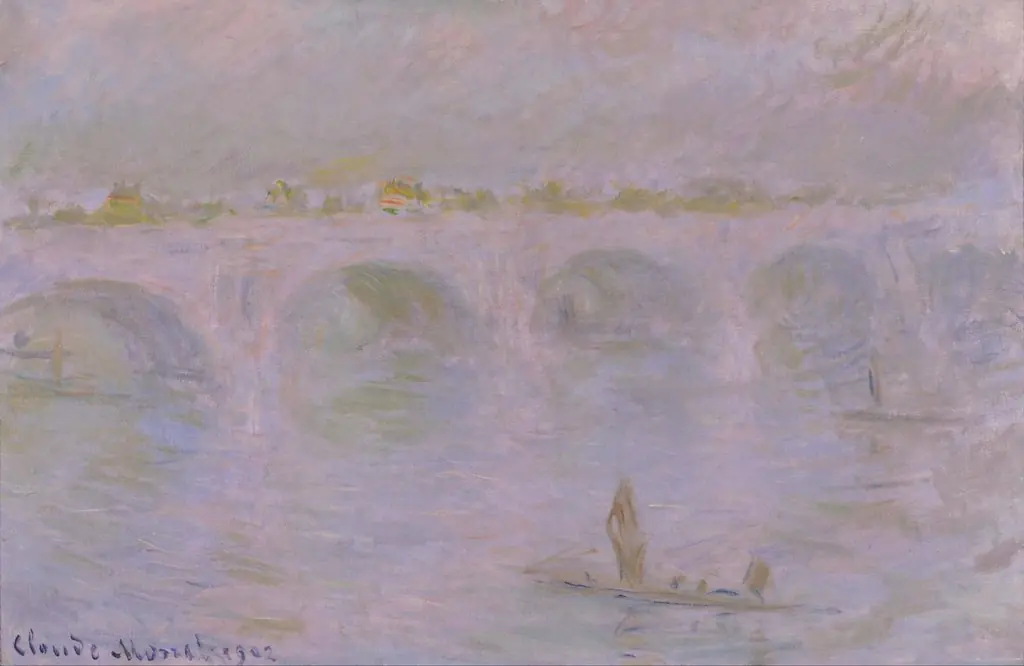 Waterloo Bridge in London
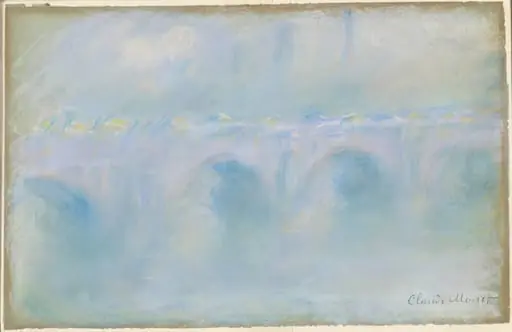 Waterloo Bridge
 The Thames above Waterloo Bridge