Artwork
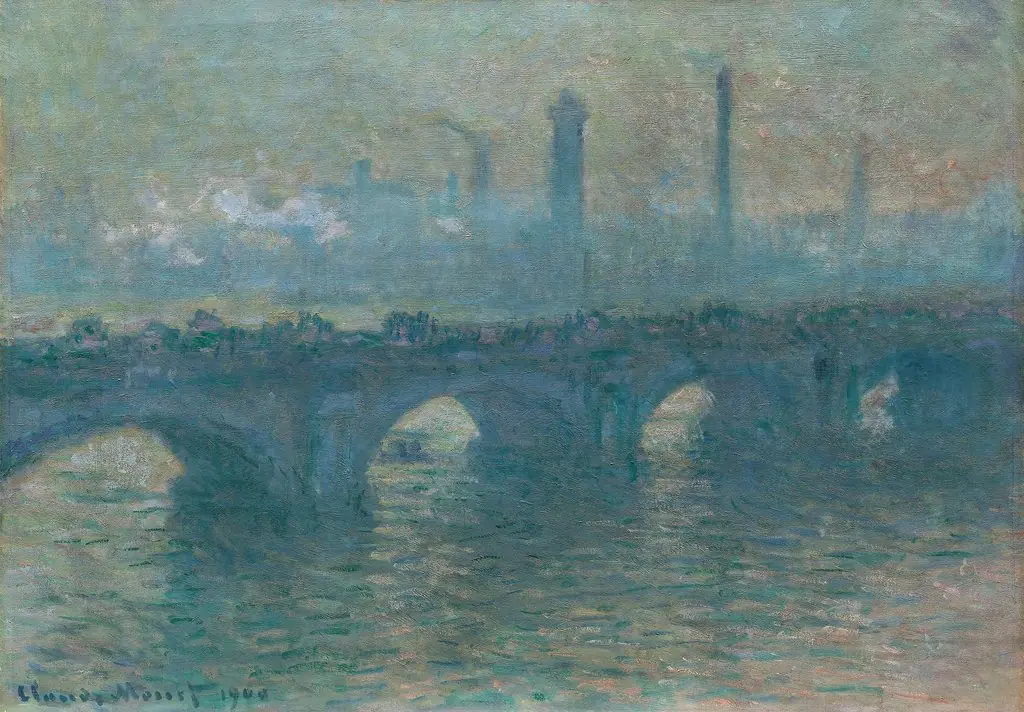
Waterloo Bridge, London, Sun Effect
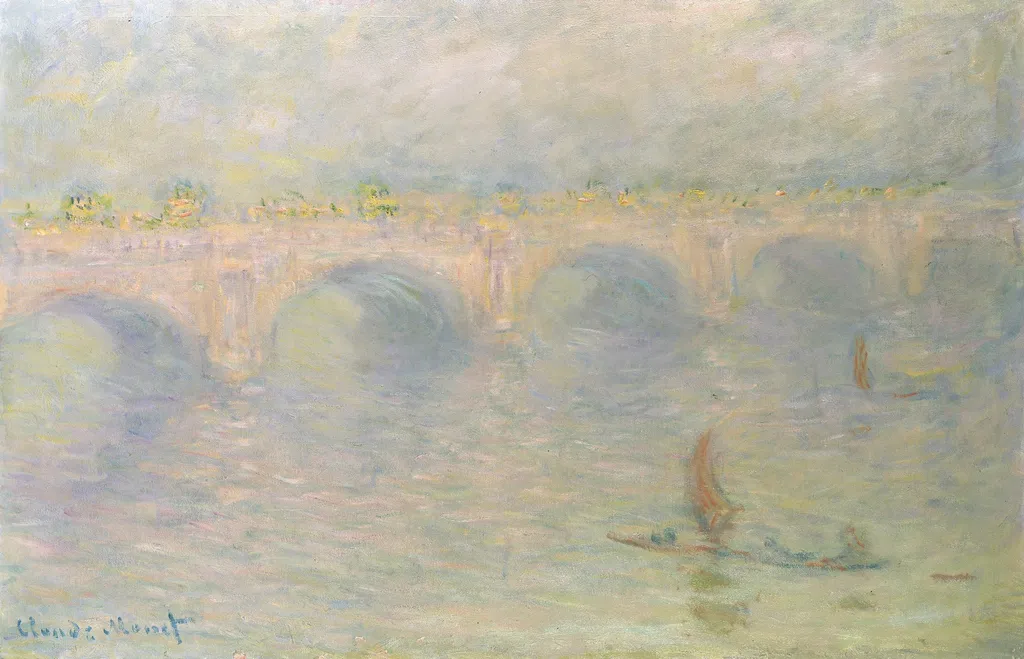
Waterloo Bridge, London, Sun Effect is an oil painting by the Impressionist artist Claude Monet. It dates from 1900 and is held in the collection of the Foundation E.G. Bührle Collection.
About this work
Overview
Claude Monet’s 1900 oil on canvas, titled Waterloo Bridge, London, Sun Effect, is part of the collection at the Kunsthaus Zürich. The work presents a tranquil scene of the eponymous bridge bathed in gentle sunlight, rendered with the characteristic softness of Monet’s late Impressionist period.
Subject & Meaning
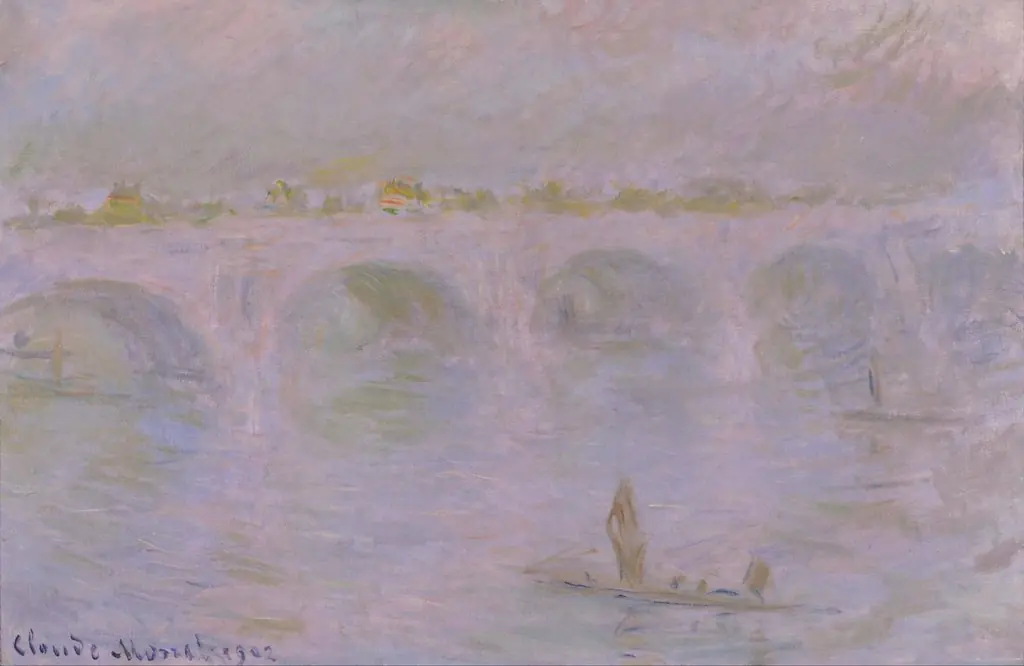
The composition captures the iconic Waterloo Bridge spanning the Thames, its arches softened by a hazy atmosphere. A pale blue sky, punctuated by delicate, wispy clouds, hovers above, while the river’s surface is depicted with light, feathery strokes that suggest calm water and distant vessels.
Technique & Style
Monet employs a muted palette of blues, grays, and warm tones to convey the effect of diffused sunlight. Broad, almost translucent brushwork renders both sky and water, emphasizing the fleeting quality of light rather than precise architectural detail, a hallmark of his Impressionist approach.
History & Provenance
Executed in the year 1900, the painting entered the Kunsthaus Zürich’s holdings, where it remains on display. Its acquisition reflects the museum’s commitment to representing key works of late 19th‑ and early 20th‑century French Impressionism.
Own this work as a print
Artist & collection

Artist
Oscar-Claude Monet was born in Paris on November 14, 1840, and raised from the age of five in Le Havre, where he began selling charcoal caricatures as a teenager.




 Waterloo Bridge in London
 Waterloo Bridge, London, at Sunset
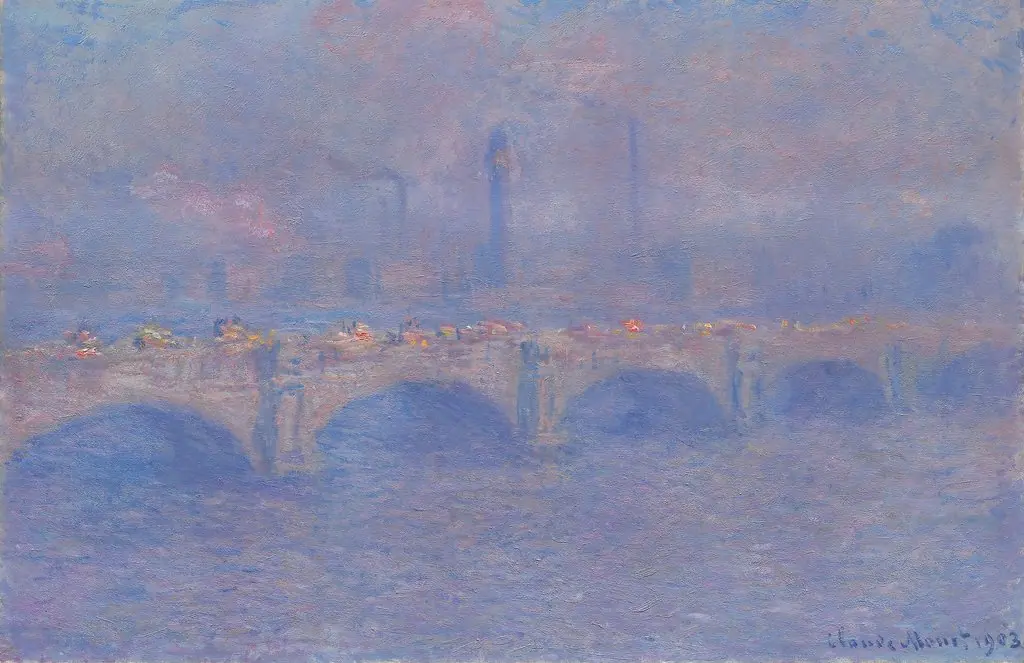 Waterloo Bridge, Sunlight Effect
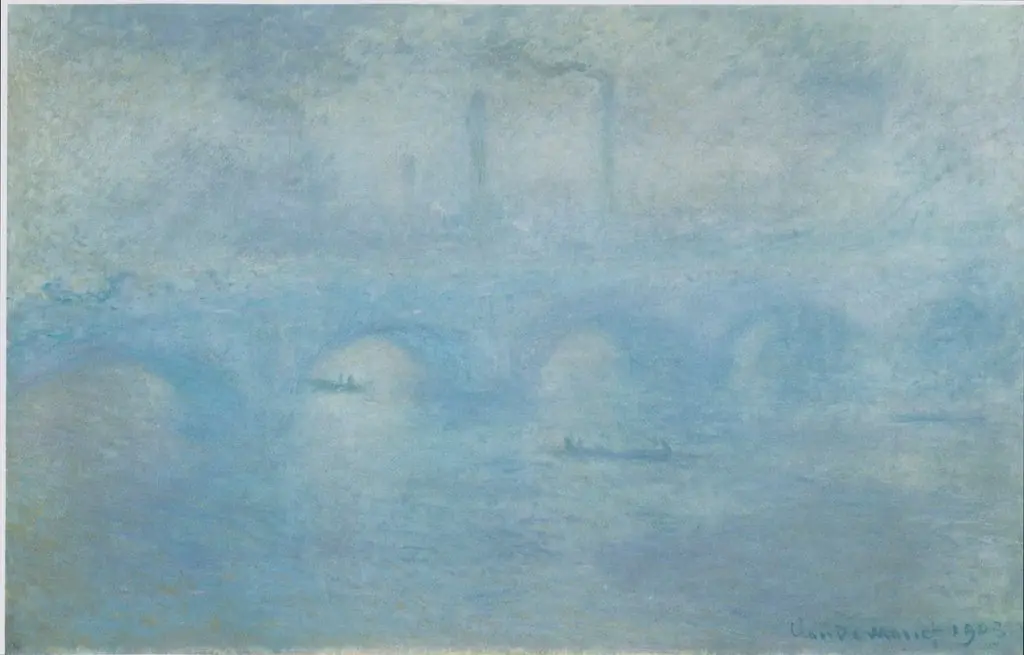 Waterloo Bridge. Effect of Fog
 Waterloo Bridge, London, at Dusk
 Charing-Cross Bridge in London
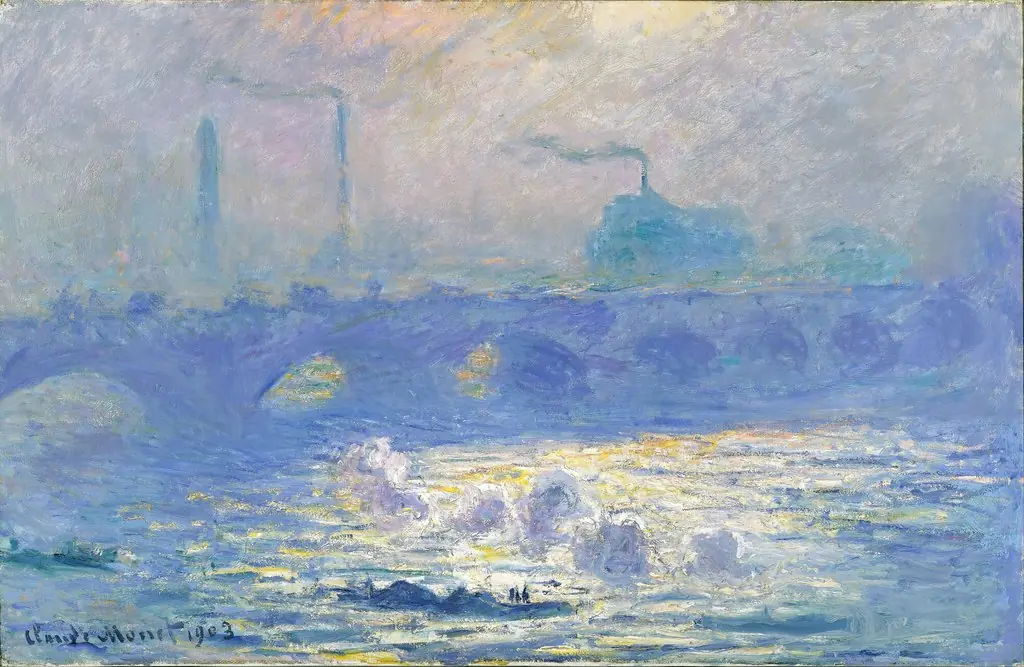 Waterloo Bridge, Sunlight Effect
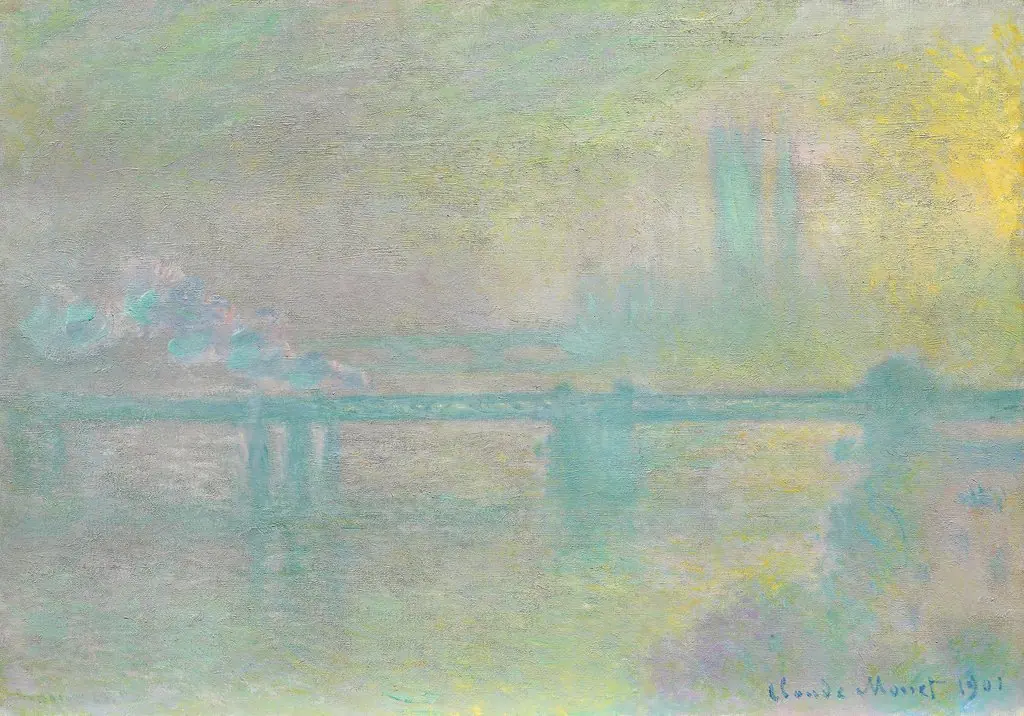 Charing Cross Bridge, London
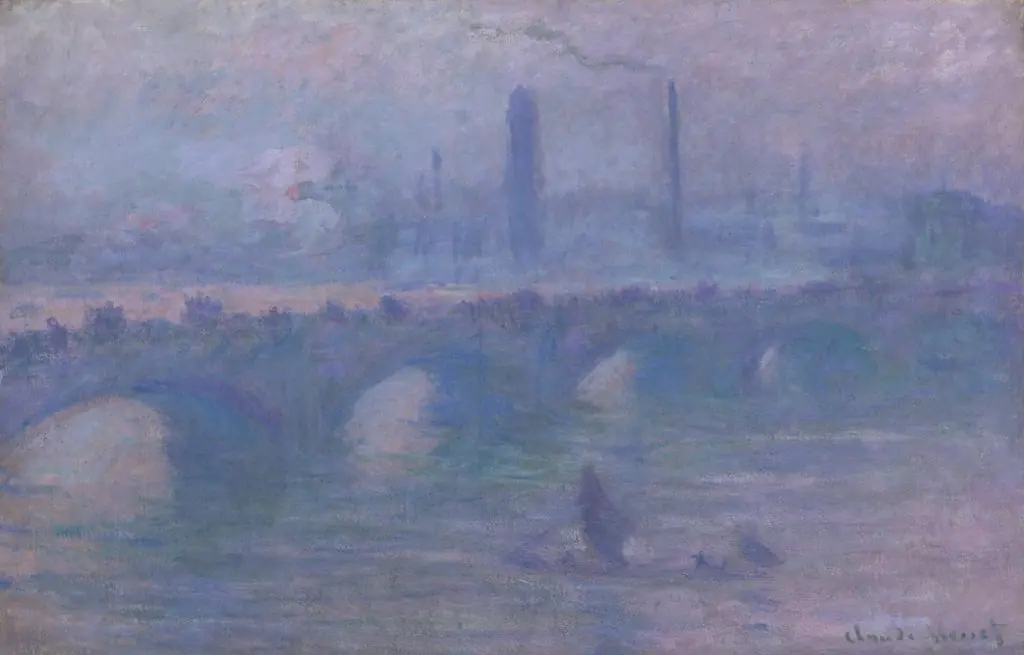 Waterloo Bridge, Morning Fog
 Waterloo Bridge, Gray Day
 Waterloo Bridge, Gray Weather
 Waterloo Bridge