Artwork
Waterloo Bridge, Sunlight Effect
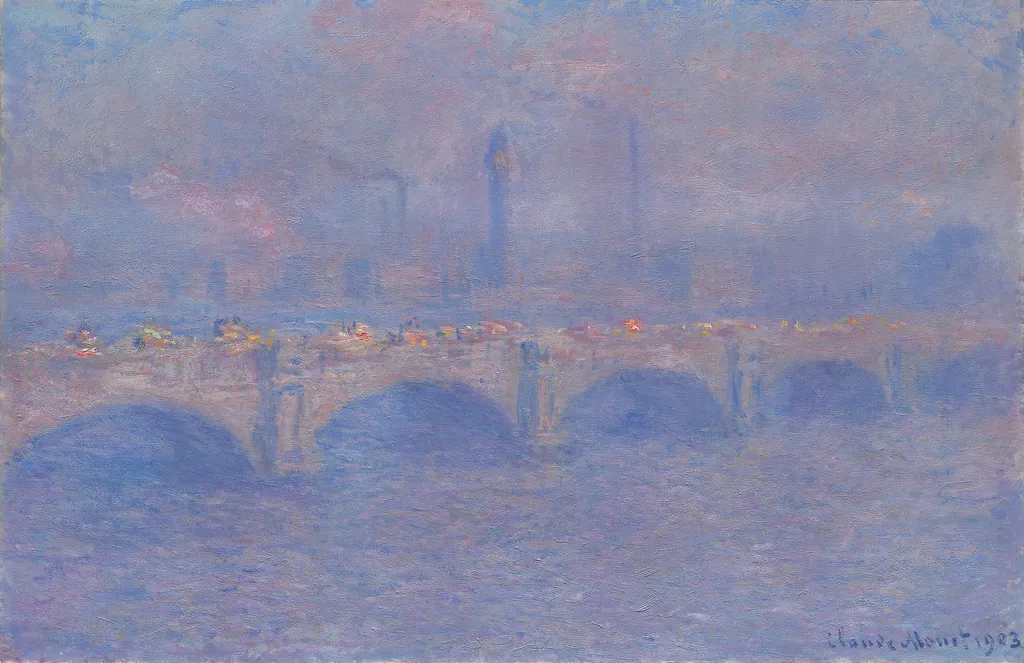
Waterloo Bridge, Sunlight Effect is an oil painting by the Impressionist artist Claude Monet. It dates from 1903 and is held in the collection of the Art Institute of Chicago.
About this work
Overview
Claude Monet’s 1903 oil painting titled Waterloo Bridge, Sunlight Effect portrays a tranquil urban scene centered on a broad bridge. The work is part of the collection of the Art Institute of Chicago, where it is displayed among the museum’s Impressionist holdings.
Subject & Meaning
The canvas captures a view of London’s Waterloo Bridge, its span rendered in subdued hues that suggest distance and atmospheric depth. Beyond the bridge, a hazy skyline of buildings and spires emerges from a gentle mist, conveying a calm, reflective mood.
Technique & Style
Monet employs his characteristic handling of light, using layered washes of muted color to convey the effect of sunlight diffused through fog. Broad, expressive brushstrokes define the structure of the bridge, while finer, nuanced touches suggest the fleeting quality of the surrounding air.
History & Provenance
Created during Monet’s series of London bridge studies, the painting reflects his interest in the interplay of natural light and industrial architecture. After changing hands through private collections, it entered the Art Institute of Chicago’s permanent collection, where it remains accessible to the public.
Own this work as a print
Artist & collection
Artist
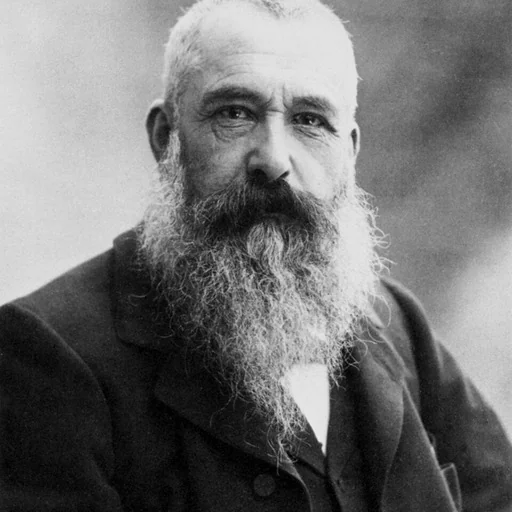
Oscar-Claude Monet was born in Paris on November 14, 1840, and raised from the age of five in Le Havre, where he began selling charcoal caricatures as a teenager.



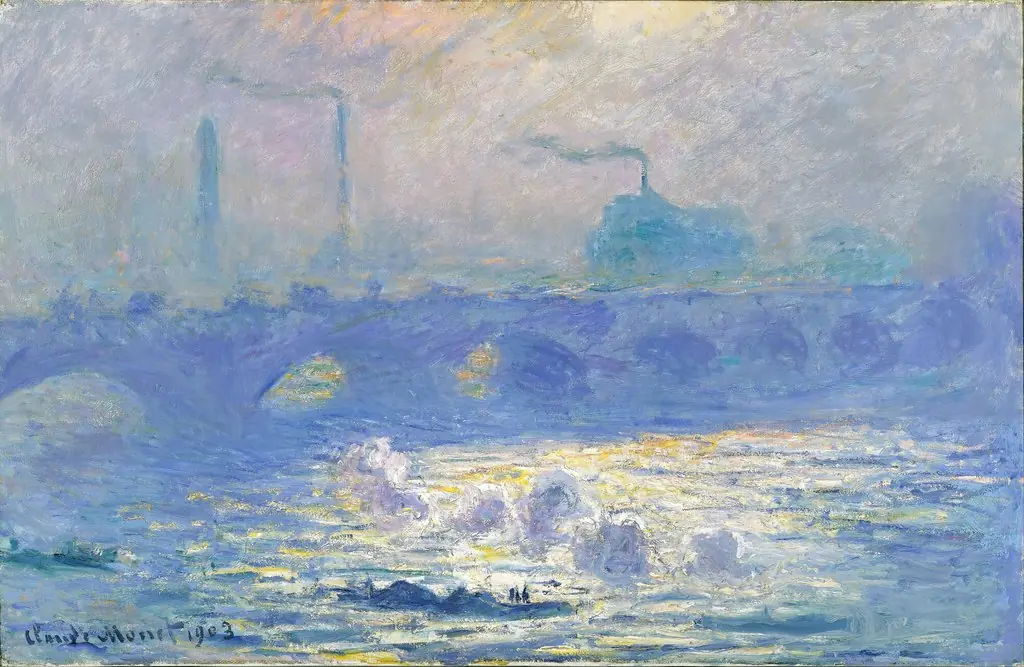 Waterloo Bridge, Sunlight Effect
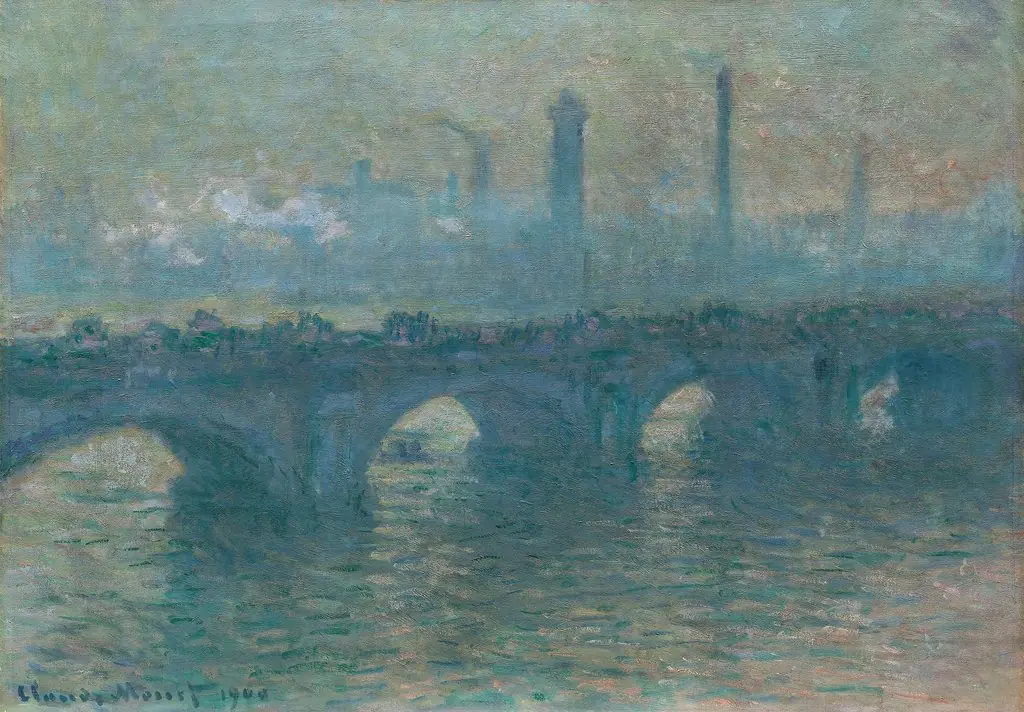 Waterloo Bridge, Gray Weather
 Waterloo Bridge, Sunlight Effect
 Waterloo Bridge, London, at Dusk
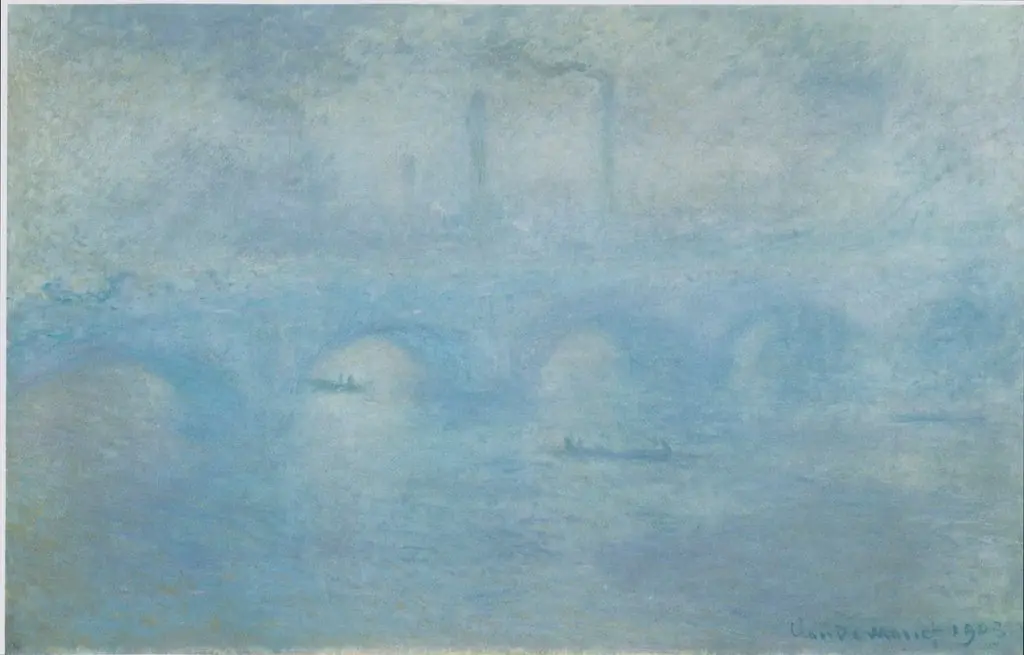 Waterloo Bridge. Effect of Fog
 Waterloo Bridge, Gray Day
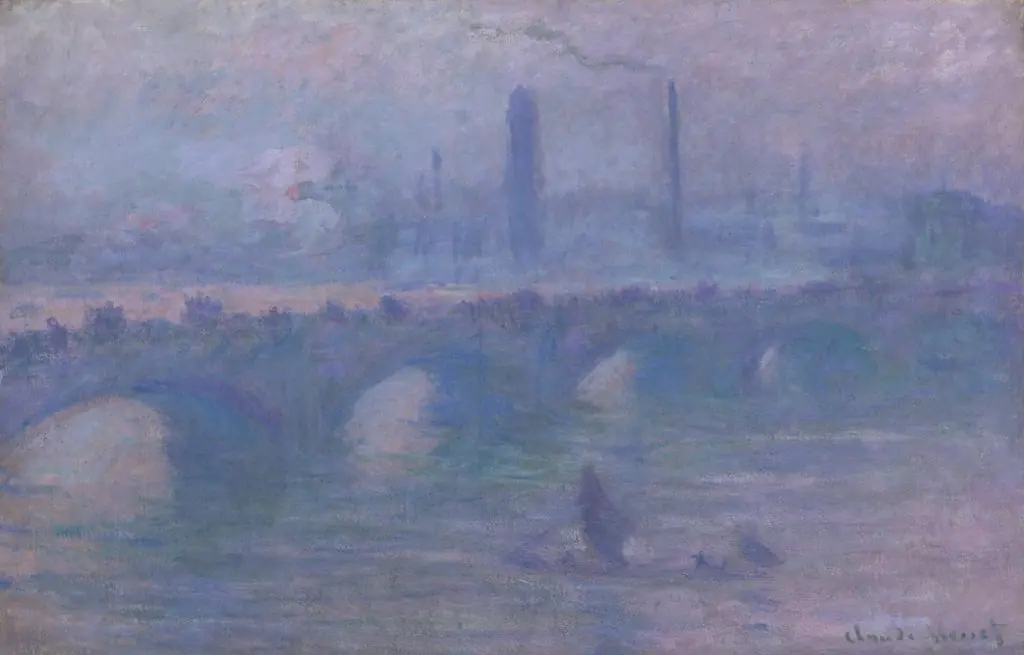 Waterloo Bridge, Morning Fog
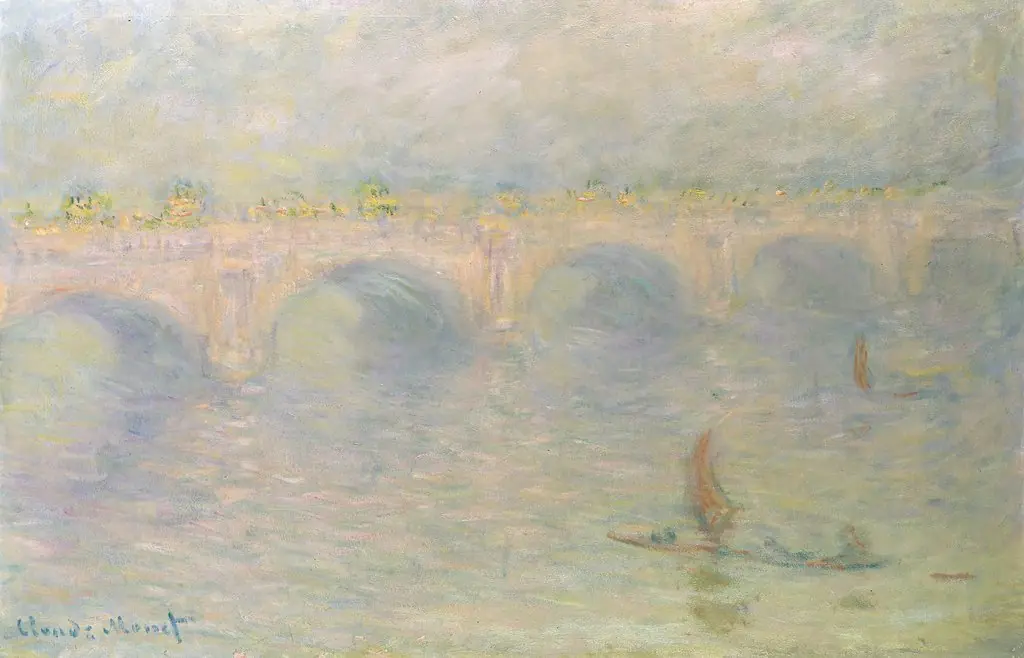 Waterloo Bridge, London, Sun Effect
 Waterloo Bridge, London, at Sunset
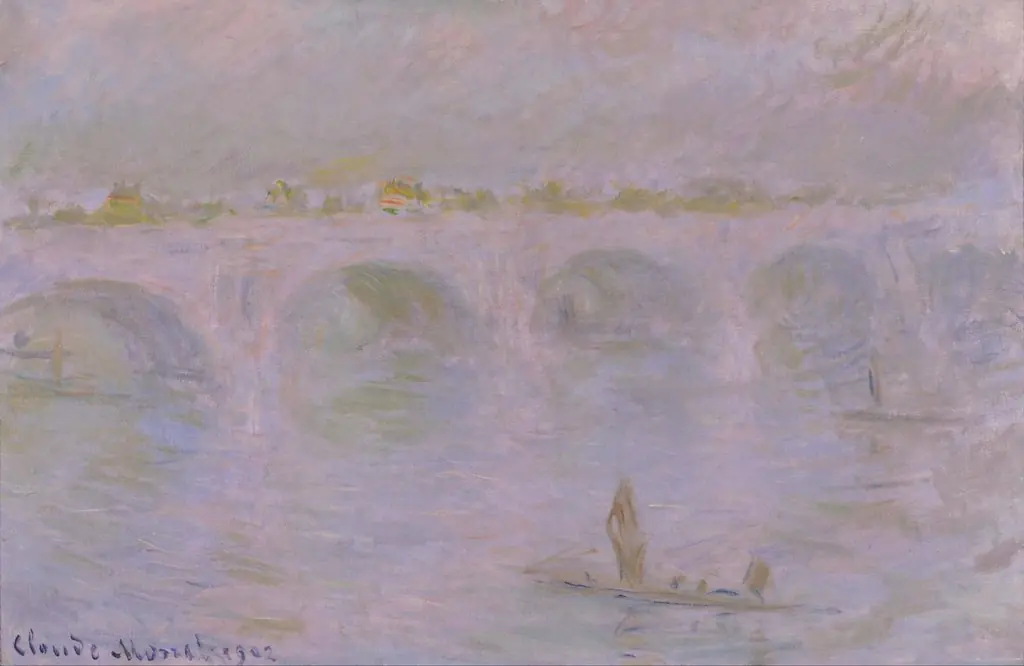 Waterloo Bridge in London
 Waterloo Bridge
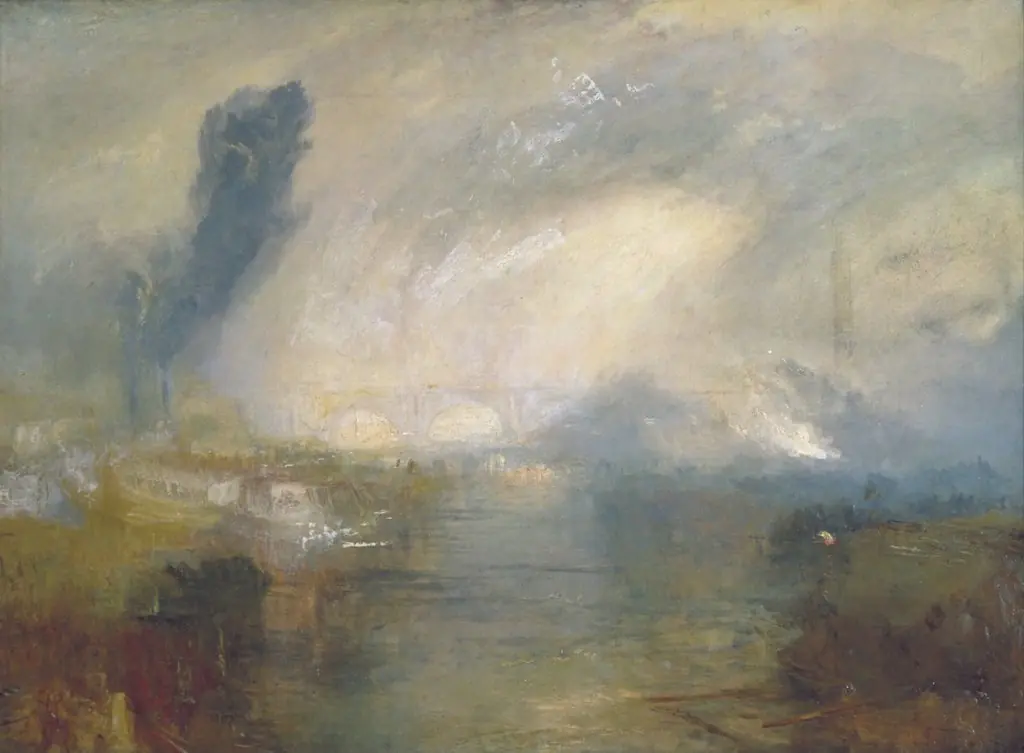 The Thames above Waterloo Bridge