Artwork
La infanta Isabel de Borbón y Sajonia princesa de Nápoles
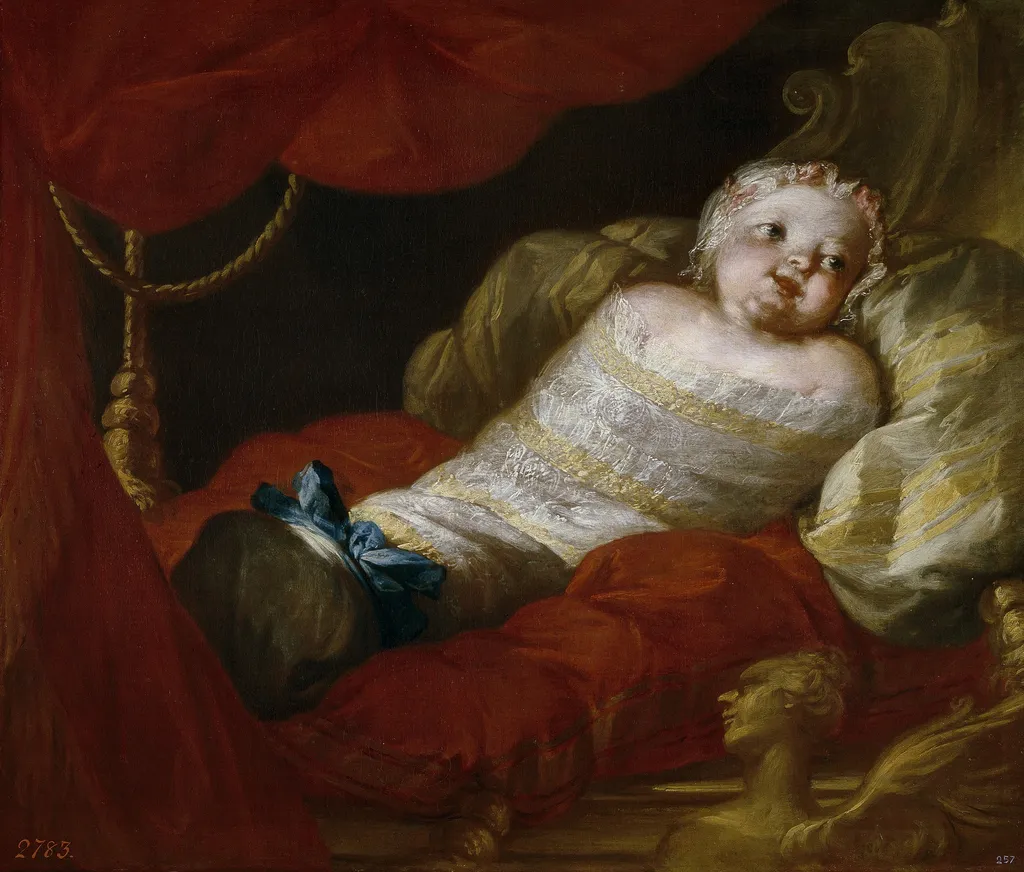
La infanta Isabel de Borbón y Sajonia princesa de Nápoles is an oil painting by the Rococo painting artist Clemente Ruta. It dates from 1741 and is held in the collection of the Museo del Prado.
About this work
Overview
La infanta Isabel de Borbón y Sajonia princesa de Nápoles is an oil painting by Clemente Ruta, dated to 1741, currently part of the collection at the Museo del Prado.
Subject & Meaning
The painting portrays a baby, possibly allegorically depicted as a putto, in a state of quiet contemplation, gazing upwards. The subject's identity as Infanta Isabel is suggested, though the blurred facial features do not confirm this through likeness. Adornments such as a white cloth with gold trim, a white cap, and a blue leg ribbon signify noble birth.
Technique & Style
Ruta employs chiaroscuro to create depth and volume, focusing attention on the baby. The contrast between the dark background, accented with subtle gold elements, and the illuminated figure on a luxurious red and gold couch, underscores the subject's prominence and the overall theme of opulence.
History & Provenance
Created in 1741, the painting's early history is not detailed here, but it is known to be in the permanent collection of the Museo del Prado, indicating its recognition as a work of artistic and historical significance.
Context
The work reflects the Baroque and Rococo influences prevalent in 18th-century European art, particularly in the depiction of luxury and the use of chiaroscuro. The possible depiction of a royal infant connects it to the tradition of portraiture of nobility and royalty.
Own this work as a print
Artist & collection

 The Sleeping Christ Child
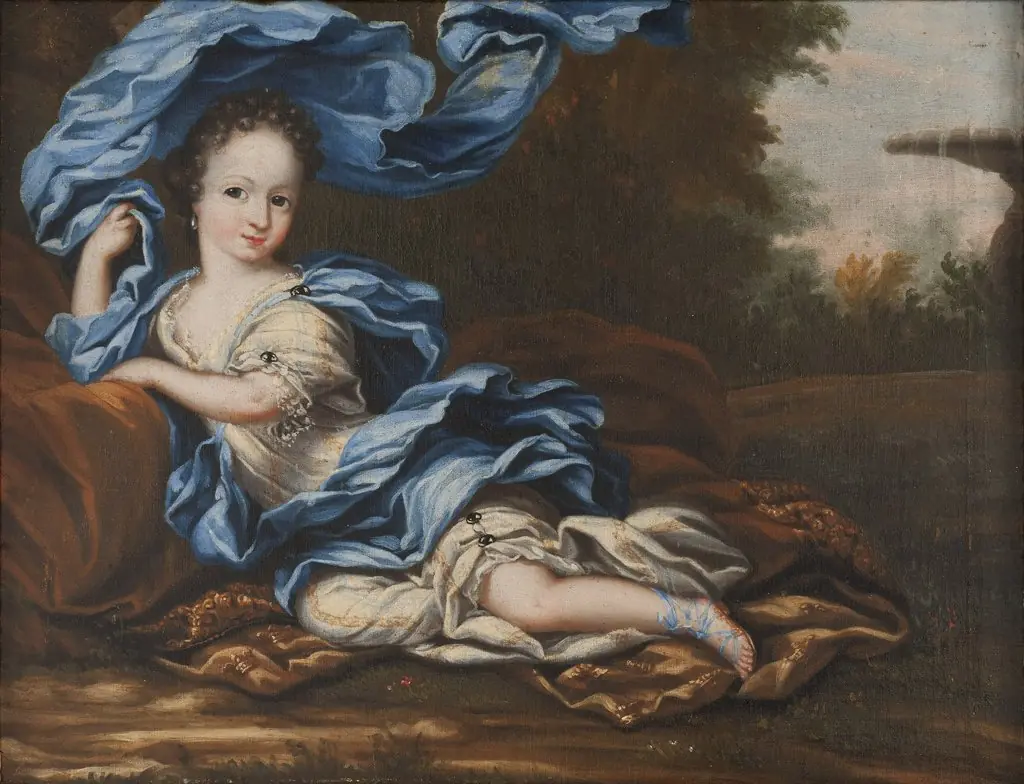 Hedvig Sophia of Sweden (1681–1708), Swedish princess and a Duchess Consort of Holstein-Gottorp, Spouse Frederick IV, Duke of Holstein-Gottorp
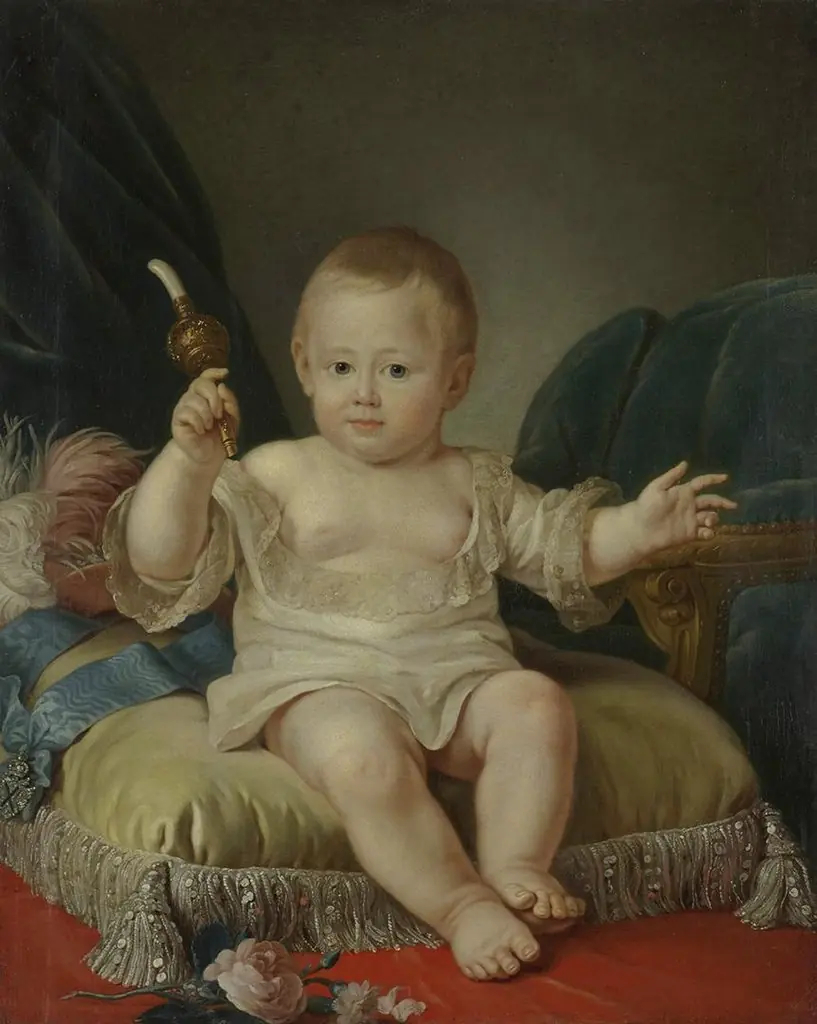 Portrait of Grand Duke Alexander Pavlovich as a Child
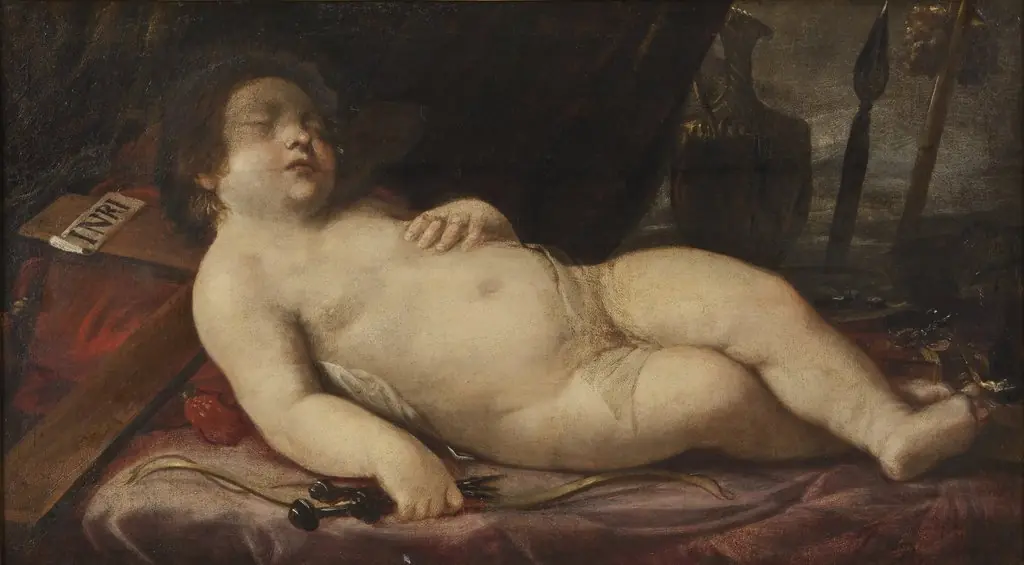 The Christ Child Sleeping on the Cross
 A Noble Spanish Child in its Cradle
 A Child of the Honigh Family on its Deathbed
 Sleeping Infant
 Sleeping Putto
 El Niño Jesús dormido sobre la Cruz
 Pamela fainting
 María Amalia de Habsburgo archiduquesa de Austria