Artwork
Tree Near the Shore
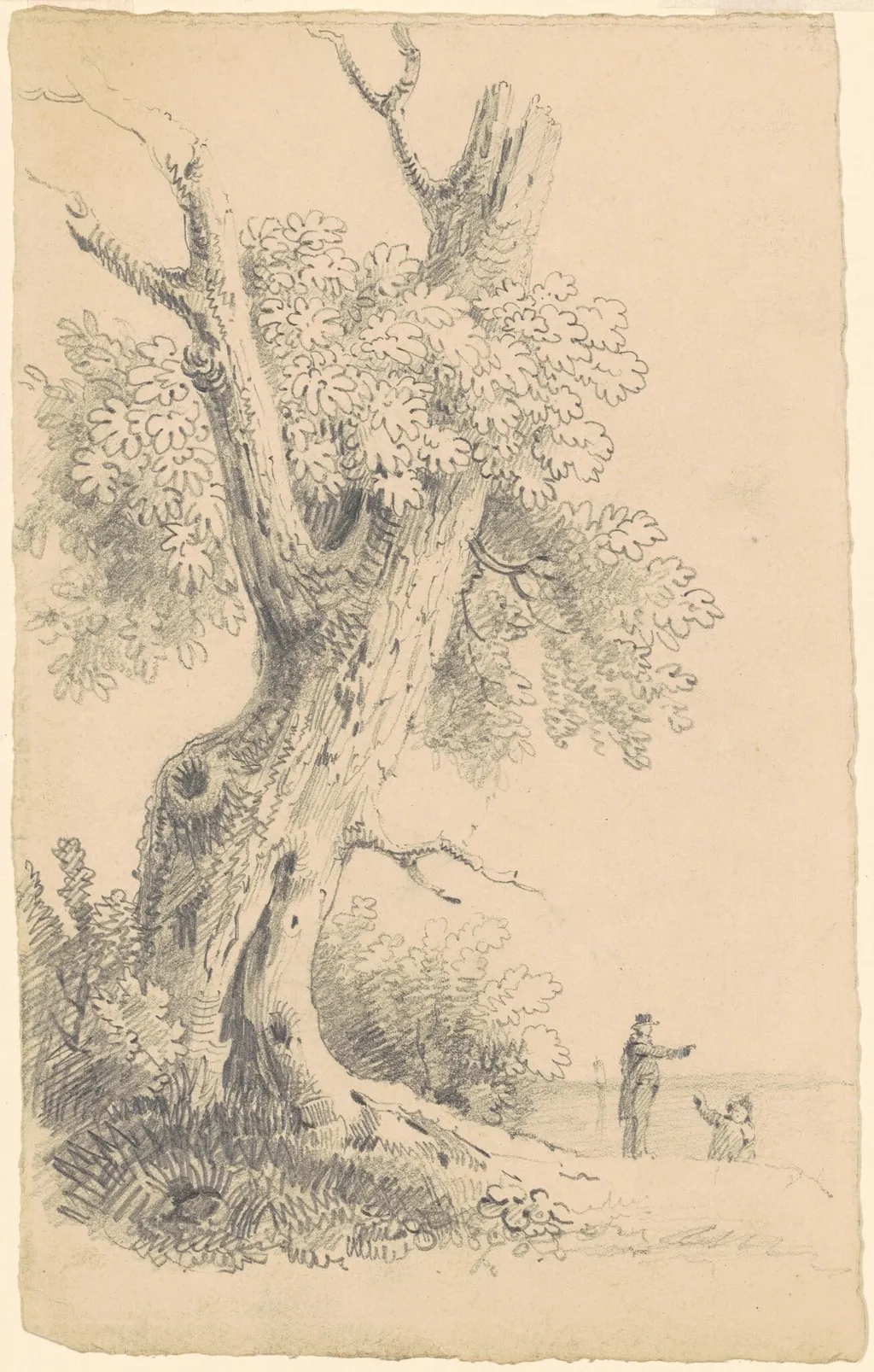
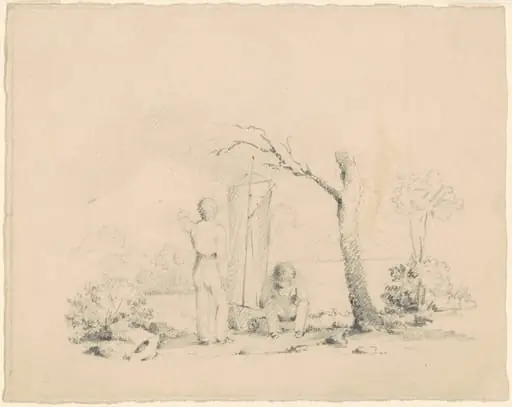
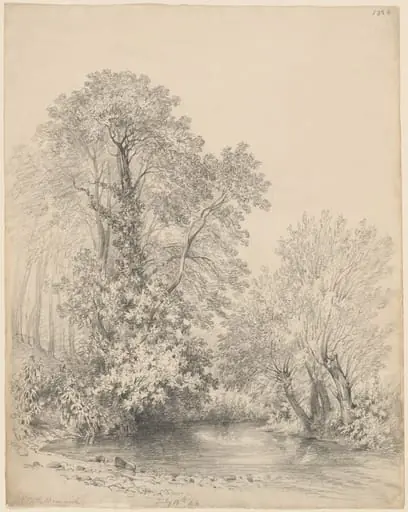
Tree Near the Shore is a graphite drawing by the Romanticist artist James Goodwyn Clonney. It dates from 1832 and is held in the collection of the National Gallery of Art.
About this work
Overview
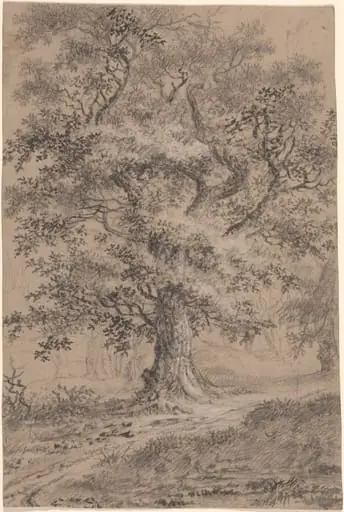
James Goodwyn Clonney’s *Tree Near the Shore* is a graphite drawing on wove paper dated around 1832. The composition centers on a solitary, robust tree whose trunk and sprawling branches dominate the picture plane, while a faint horizon suggests distant foliage and water. The work exemplifies Clonney’s preference for modestly sized, intimate studies of natural scenery.
Subject & Meaning
The drawing presents a single tree rendered with careful attention to its mass and form, set against a muted landscape that hints at a shoreline. Though the scene appears tranquil, the exaggerated curves of the branches convey a subtle dynamism, inviting contemplation of the relationship between the natural world and the quiet moments it frames.
Technique & Style
Clonney employs a range of graphite marks, from dense, dark lines outlining the trunk to delicate hatching that models volume and texture. Cross‑hatching builds shadow in the foliage, while lighter strokes suggest distant elements. The stylization of the tree’s sweeping lines reflects a Romantic sensibility, emphasizing movement and emotional resonance over strict realism.
History & Provenance
Born in England in 1812, Clonney emigrated to the United States where he produced numerous small‑scale works, including miniatures and genre scenes. *Tree Near the Shore* dates to the early 1830s, a period when he was establishing his reputation for depicting everyday rural subjects. The drawing’s provenance traces through private collections before entering its current institutional holding.
Artist & collection
Artist
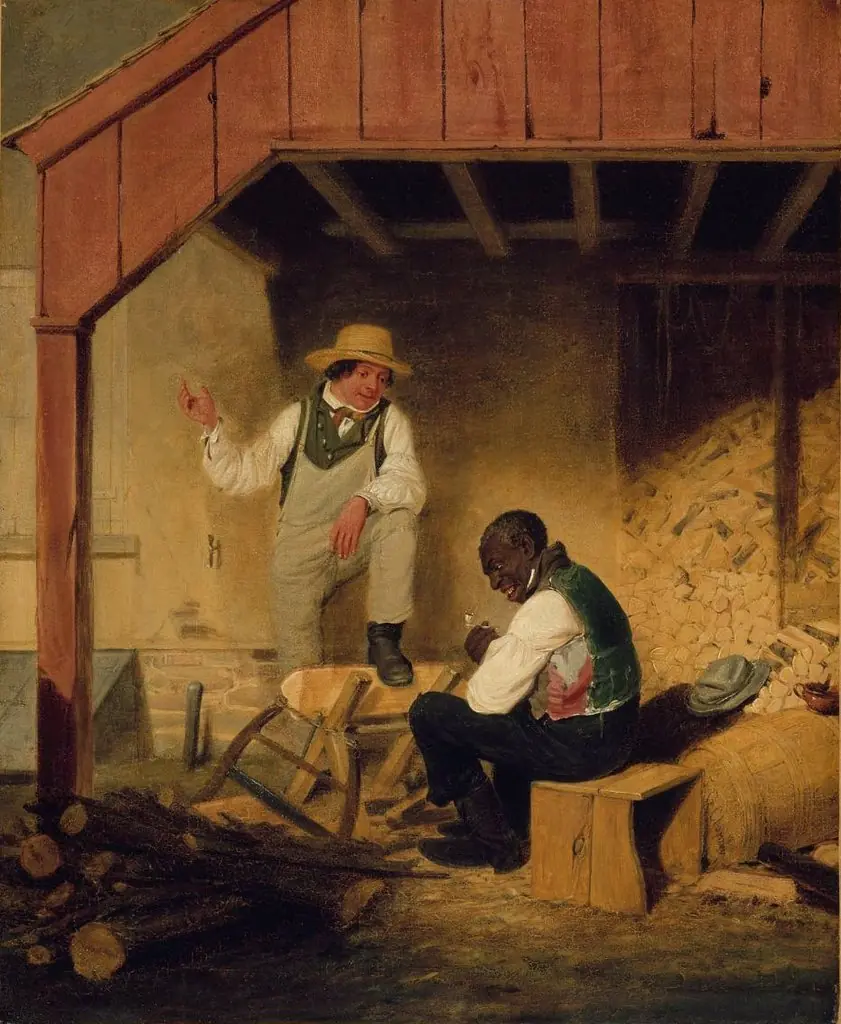
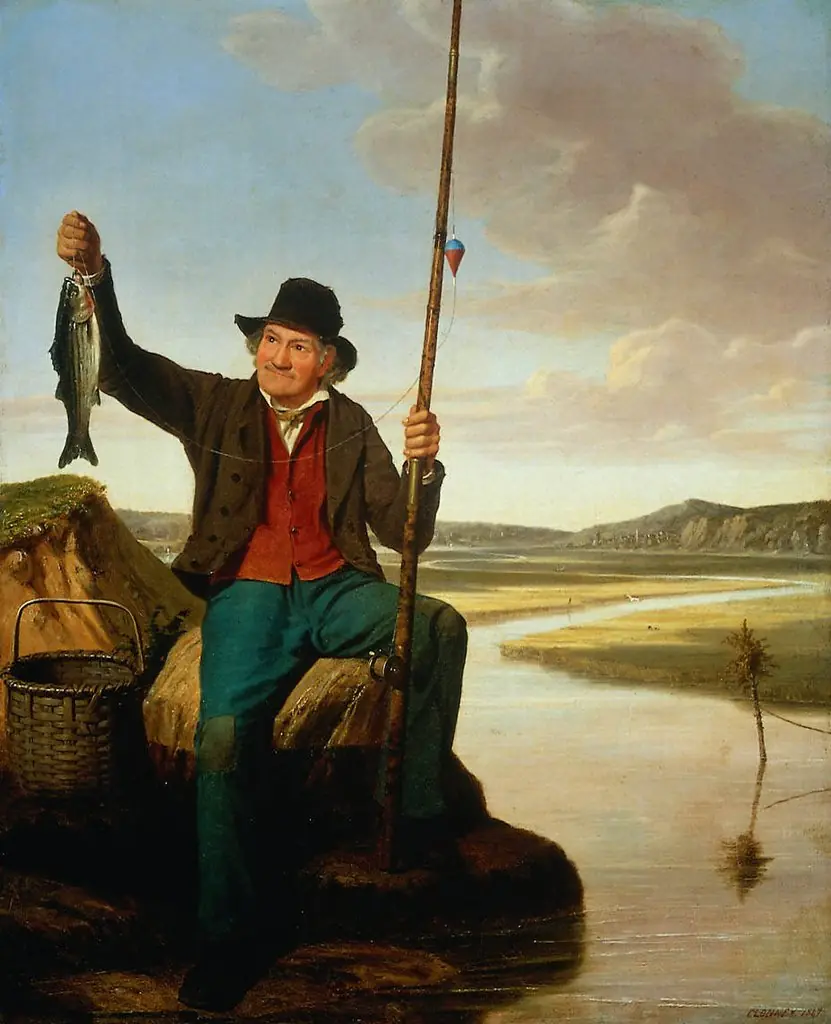
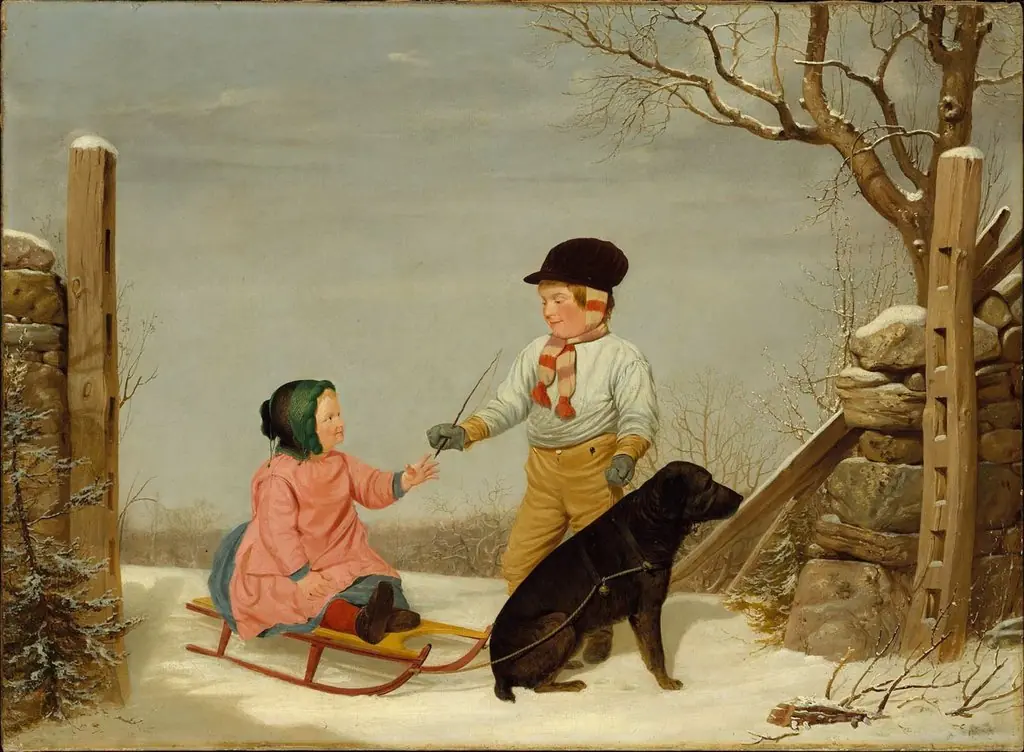
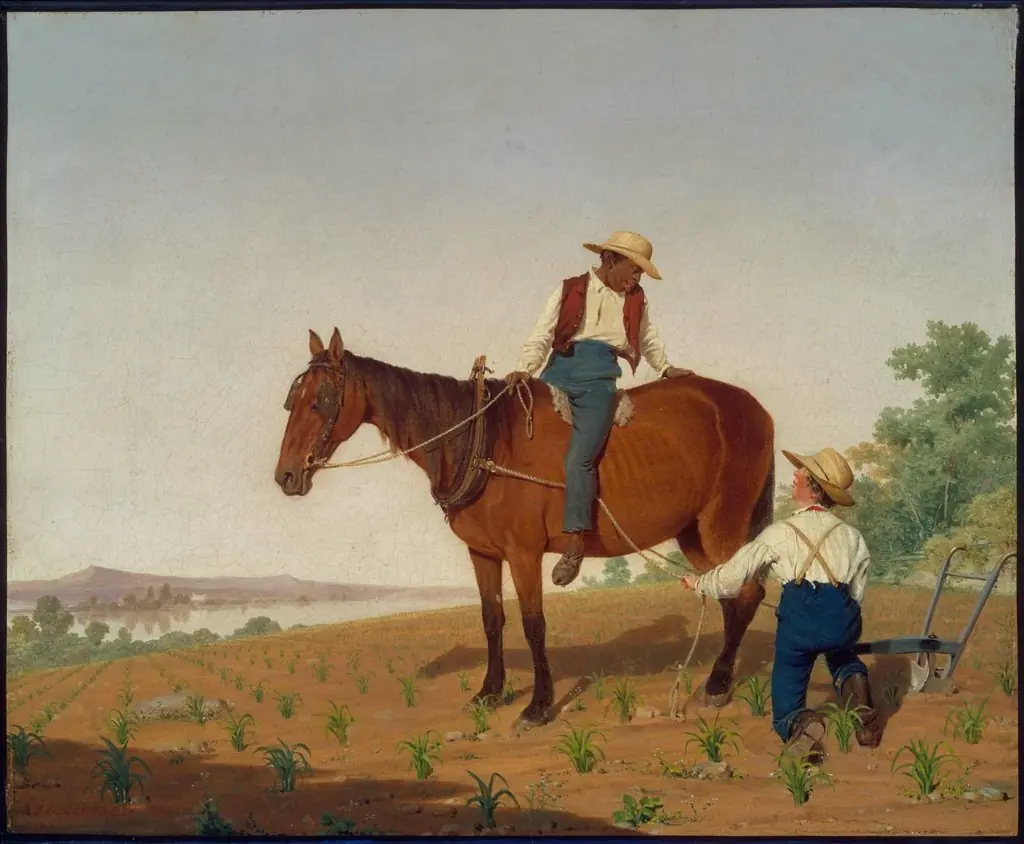
James Goodwyn Clonney (28 December 1812, Liverpool (?) – 7 October 1867, Binghamton, NY) was an English-born American genre painter and lithographer.