Artwork
The Marriage of Alexander and Roxana
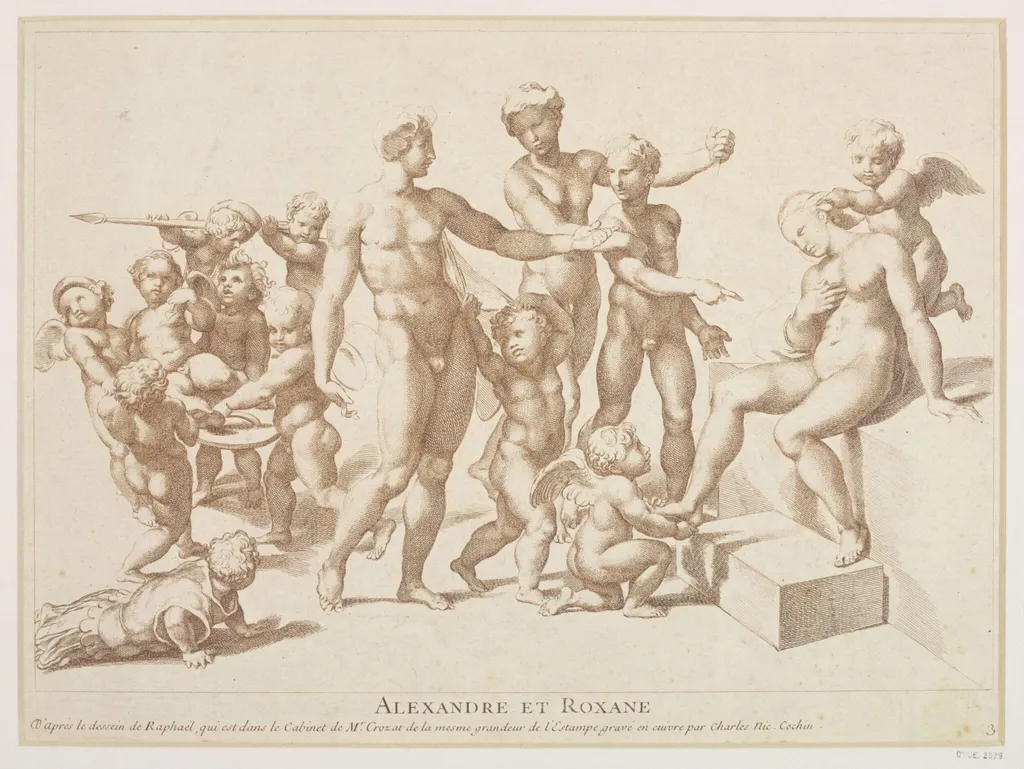
The Marriage of Alexander and Roxana is a print by Charles-Nicolas Cochin. It dates from 1750 and is held in the collection of the Victoria and Albert Museum.
About this work
Overview
Charles‑Nicolas Cochin the Younger’s print titled *The Marriage of Alexander and Roxana* translates a composition originally drawn by Raphael. Executed in red ink on paper, the image presents a crowded ceremonial scene that was once part of the Crozat Collection. The work functions as a printed reinterpretation of a Renaissance study, preserving the narrative of the Macedonian king’s wedding.
Subject & Meaning
The central focus is the nuptial moment between Alexander the Great and his bride Roxana. Two prominent nude figures dominate the composition—one standing, the other kneeling—while a multitude of cherubic figures populate the surrounding space, suggesting a celebratory atmosphere and the divine endorsement of the union.
Technique & Style
Cochin employed a red‑ink drawing technique on paper, a common medium for 18th‑century reproductive prints. The line work delineates the muscular forms of the principal figures and the lively gestures of the cherubs, whose varied activities—playing instruments, bearing tools, or holding spears—add dynamism to an otherwise flat background.
History & Provenance
The image derives from Raphael’s earlier study, which entered the prestigious Crozat Collection before being rendered by Cochin. The practice of copying celebrated designs was typical for the period, allowing broader dissemination of Raphael’s compositions through the print medium.
Context
In the 18th century, reproductions of Renaissance masters served both educational and decorative purposes. Cochin’s adaptation reflects the era’s interest in classical antiquity and the heroic narratives associated with figures like Alexander, aligning with contemporary tastes for grand historical subjects.
Artist & collection
Artist
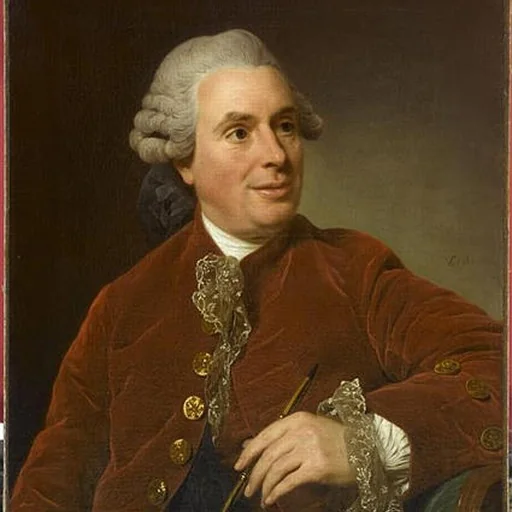
Charles-Nicolas Cochin was a French engraver, designer, writer, and art critic. To distinguish him from his father of the same name, he is variously called Charles-Nicolas Cochin le Jeune, Charles-Nicolas Cochin le…

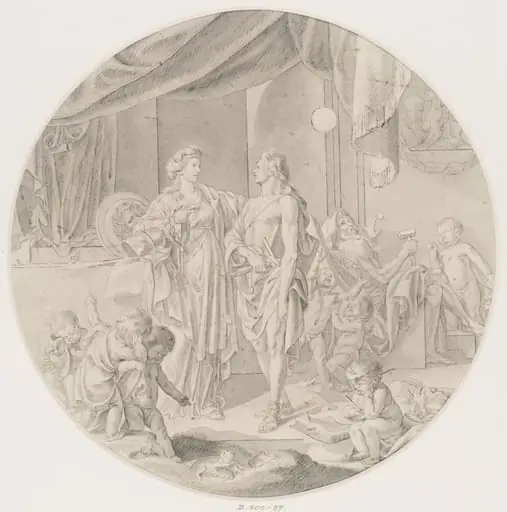
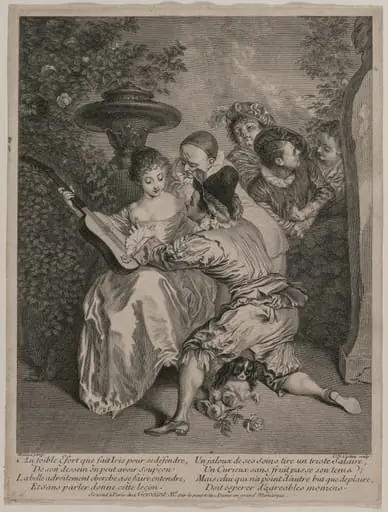
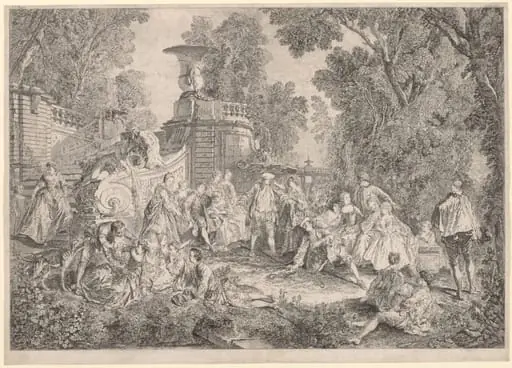
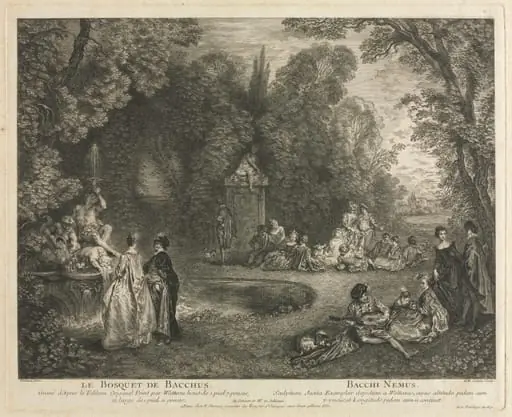
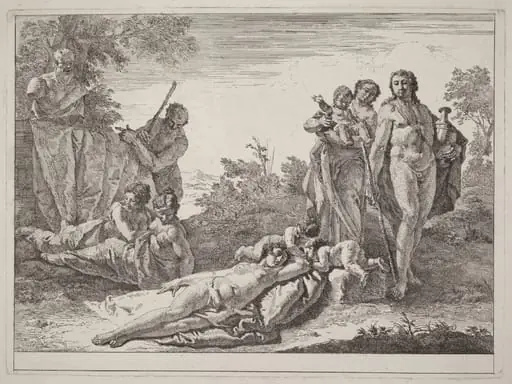 Apollo and Nymphs in a Landscape with a Bust of Pan
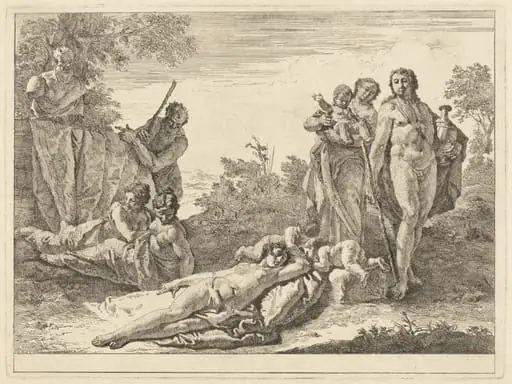 Nine Figures around a Herm of Pan
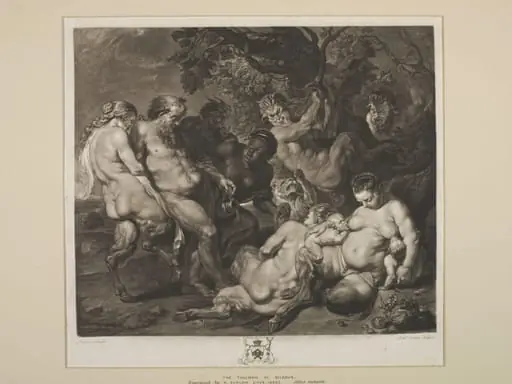 Triumph of Silenus
 The Judgment of Paris
 The Massacre of the Innocents
 Mars and Venus Caught by the Gods
 Amor Disarmato (Cupid Disarmed)
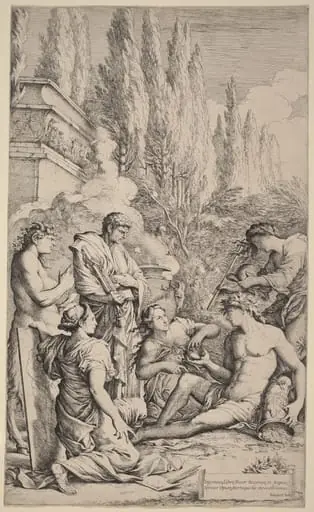 The Genius of Salvator Rosa
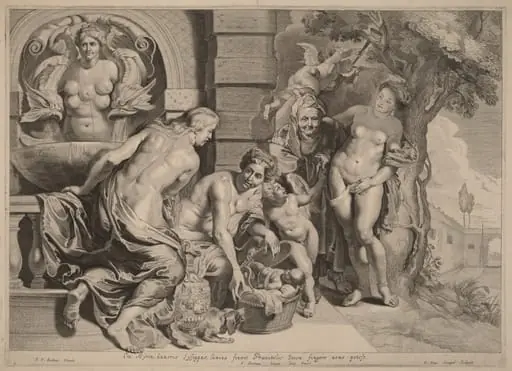 Erichthonius in His Basket
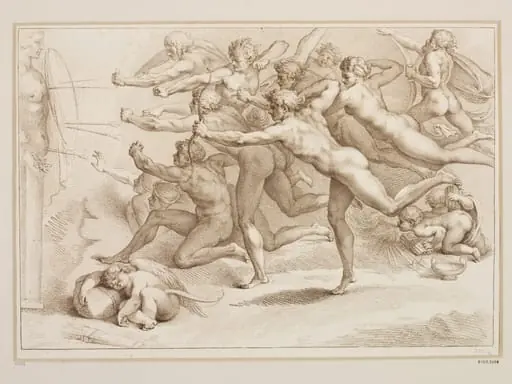 The Archers
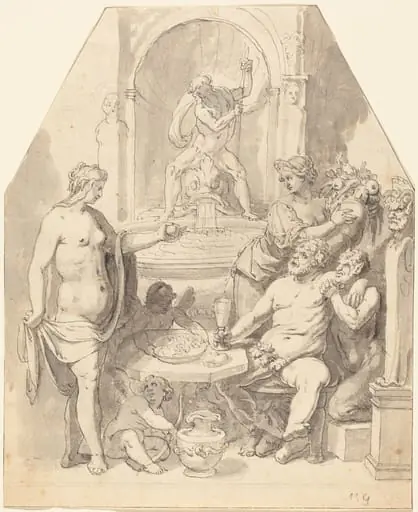 Without Ceres and Bacchus, Venus Freezes
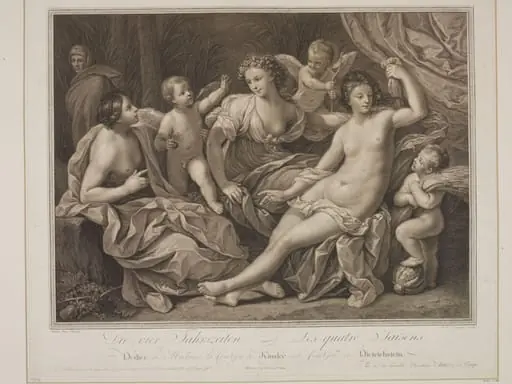 The Four Seasons