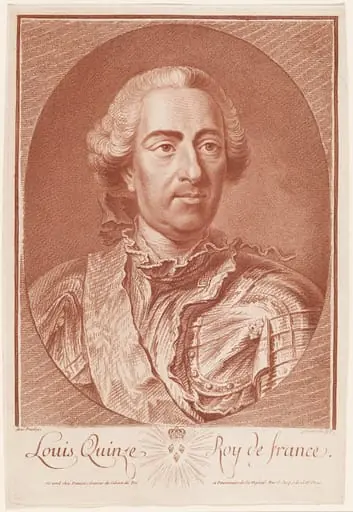
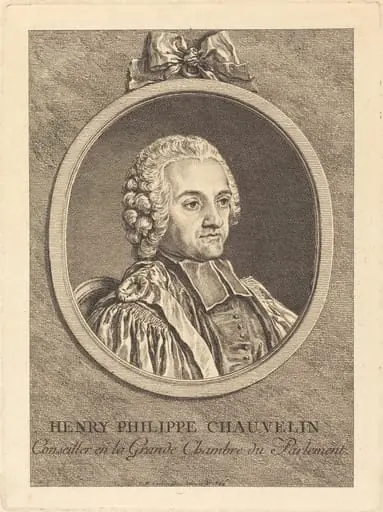
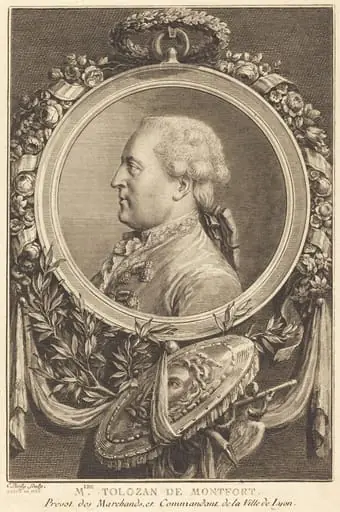
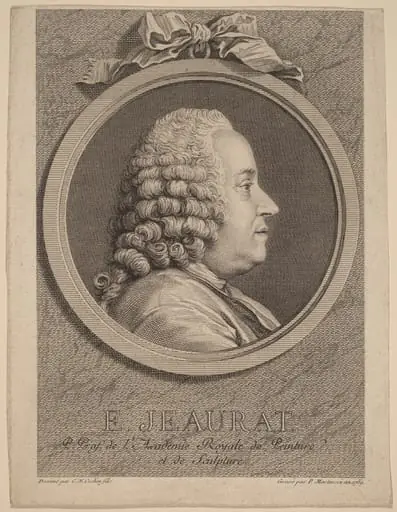
Artwork
Brunet de Neuilly
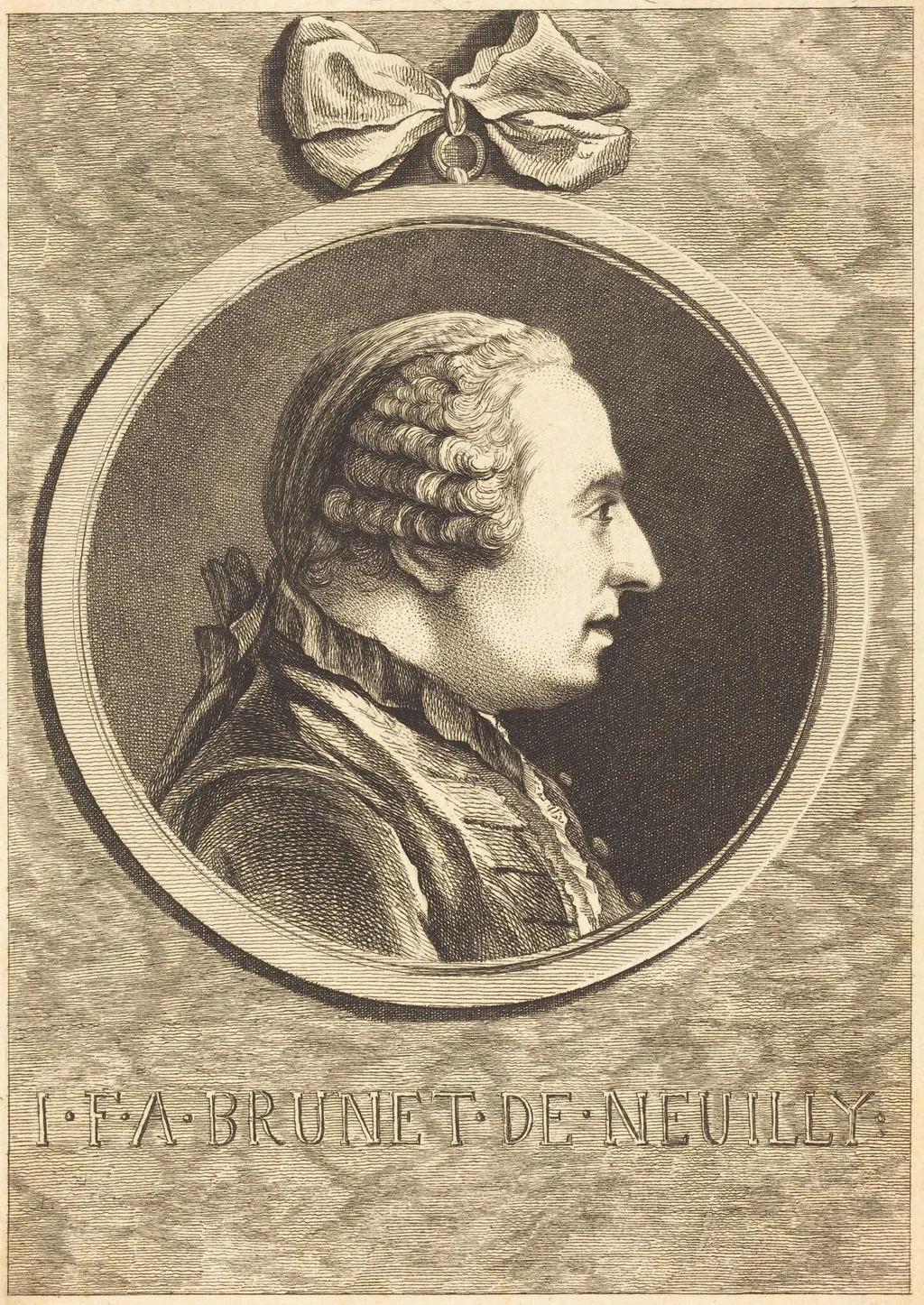
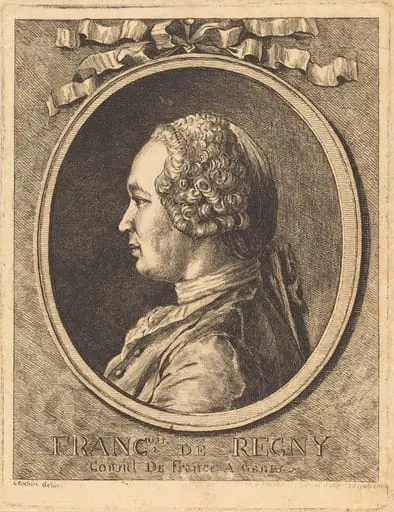
Brunet de Neuilly is an ink print by the Baroque artist Charles-Nicolas Cochin II. It dates from 1752 and is held in the collection of the National Gallery of Art.
About this work
Overview
A decorative element of leaves or ribbon arches above his head, while the artist’s name and the subject’s title appear in printed lettering at the bottom.
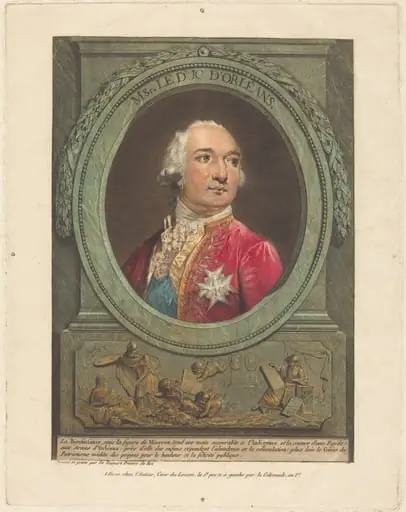
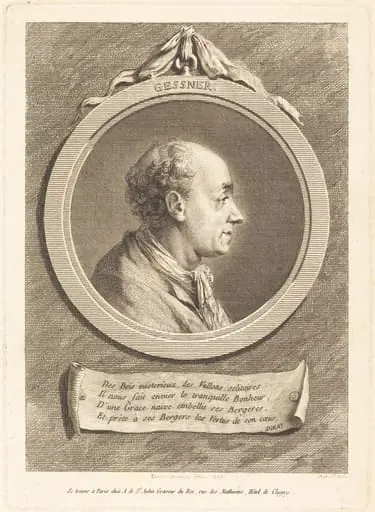
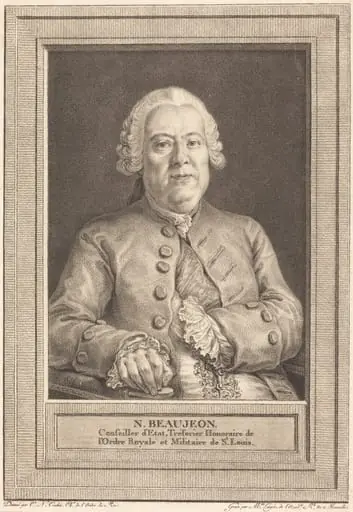
Created in 1752, this black‑and‑white etching on laid paper presents a formal portrait of a gentleman identified as Brunet de Neuilly. The sitter is rendered with a high, ruffled collar, a bow tied at his throat, and curly hair that frames a slightly turned face. A decorative element of leaves or ribbon arches above his head, while the artist’s name and the subject’s title appear in printed lettering at the bottom.
Subject & Meaning
The work depicts a single male figure, likely a member of the French bourgeoisie or minor nobility, as suggested by the elaborate attire and the inclusion of his name. The composed pose, with the head turned just enough to catch light, conveys a sense of poised dignity typical of eighteenth‑century portraiture, emphasizing status and personal refinement.
Technique & Style
Charles‑Nicolas Cochin II employed the etching process, incising fine lines into a copper plate before transferring the image onto laid paper. The delicate hatching renders the texture of hair and fabric, while the crisp linear quality highlights the ornamental bow and the decorative foliage motif. The monochrome palette underscores the artist’s skill in rendering depth through line alone.
History & Provenance
The print originates from the mid‑ eighteenth century, a period when Cochin was active as a leading French engraver and designer. Though specific ownership records are limited, the inclusion of the sitter’s name indicates it may have been commissioned for personal or familial use, a common practice for commemorative portrait prints of the era.
Artist & collection


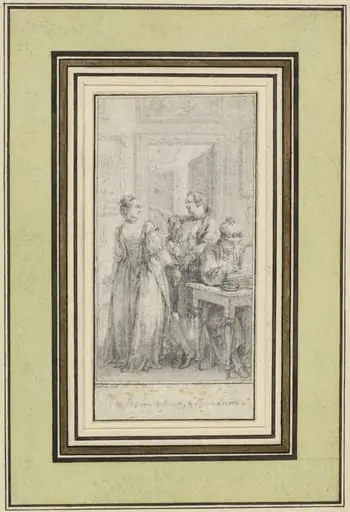 Eighth Day, First Story, Madonna Ambruogia Gives Her Husband the Two Hundred Florins She Was Given by Gulfardo in Payment for Her Favors
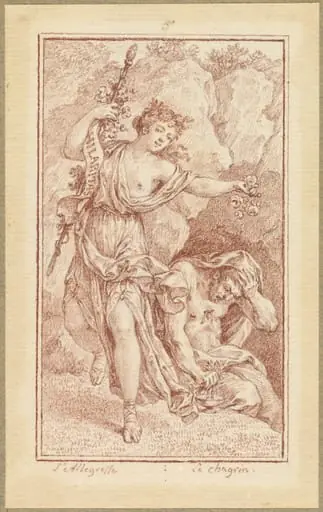 Gaiety and Grief
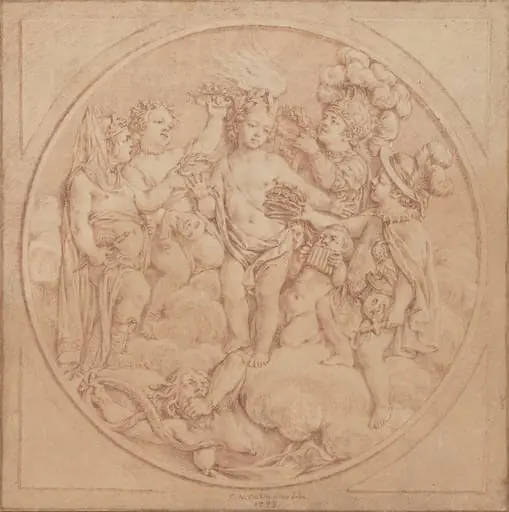 Allegory of Fame
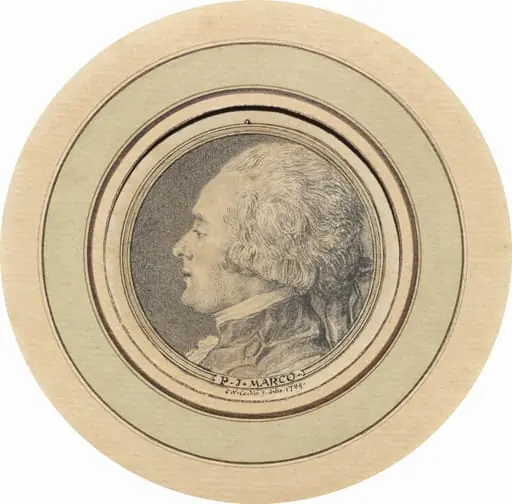 P.J. Marco
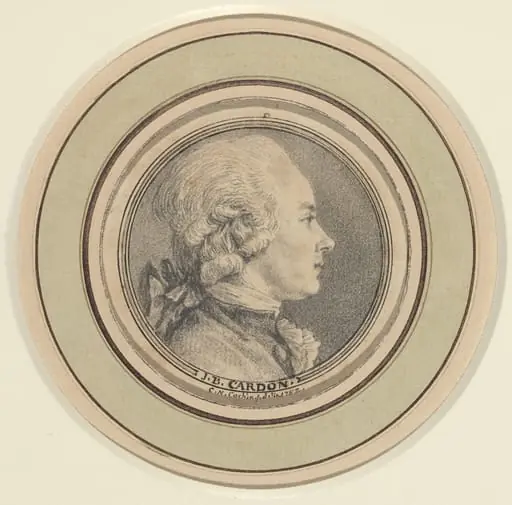 J.B. Cardon
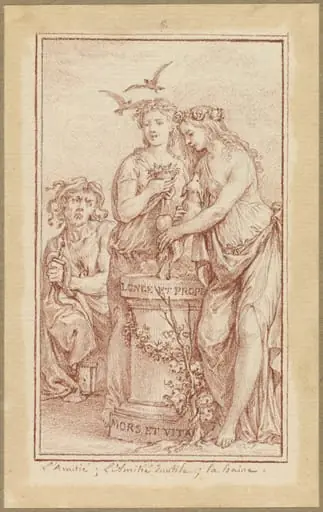 Friendship, Useless Friendship, and Hate
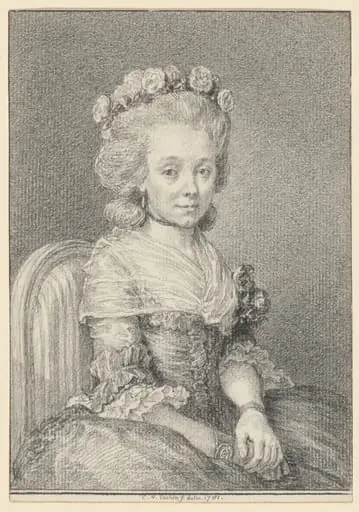 Mademoiselle Grogniard, Dame de Saint-Just
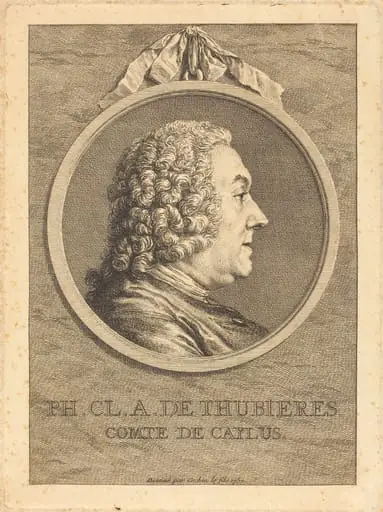 Ph.Cl.A. de Thubieres, Comte de Caylus