Artwork
Henry Philippe Chauvelin
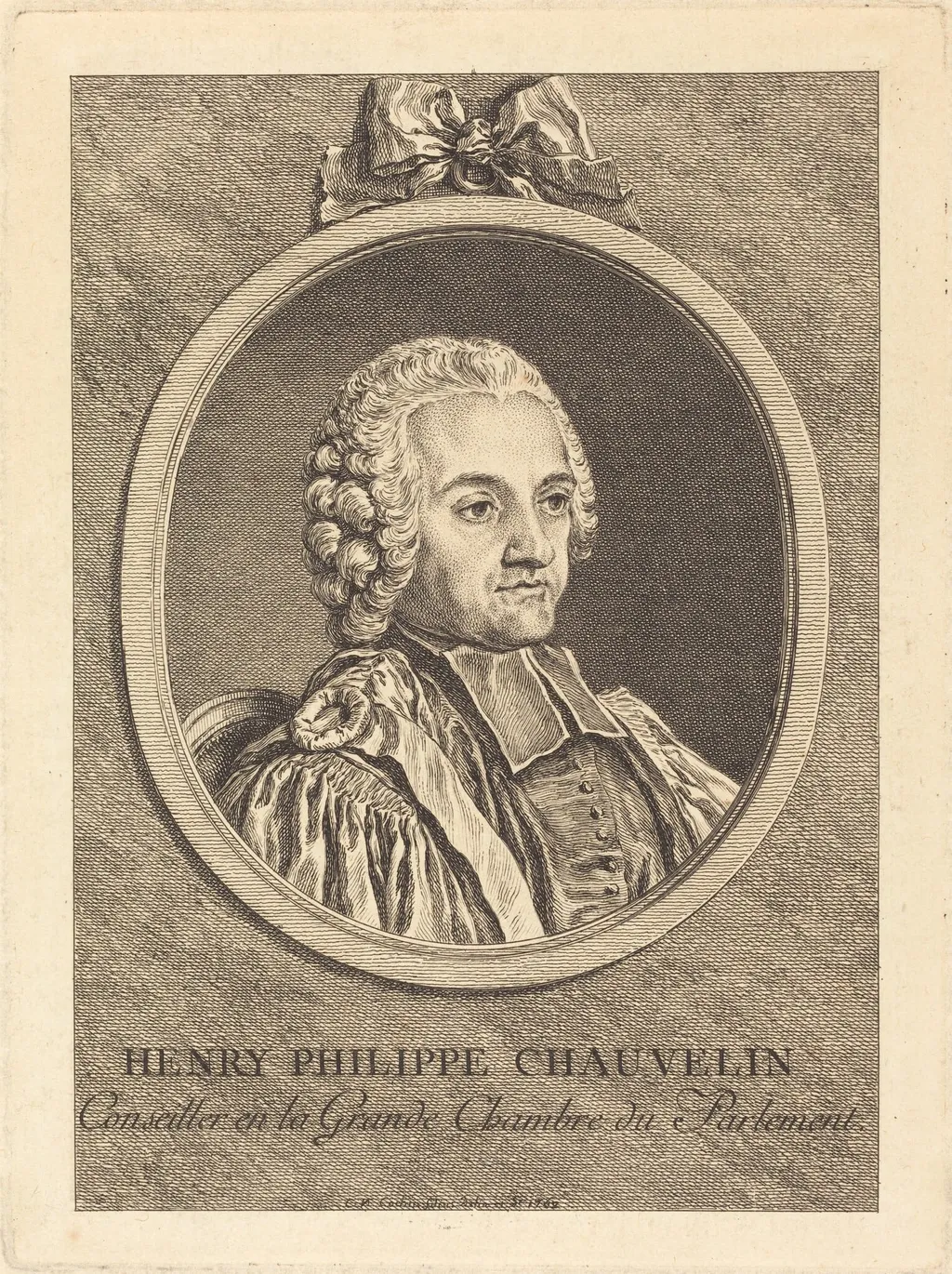
Henry Philippe Chauvelin is an ink print by the Romanticist artist Charles-Nicolas Cochin II. It dates from 1752 and is held in the collection of the National Gallery of Art.
About this work
Overview
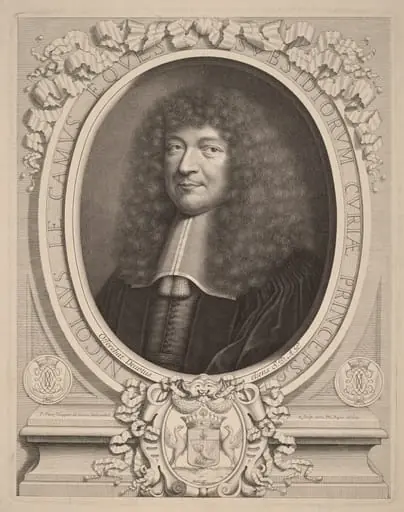
This etching on laid paper, created by Charles-Nicolas Cochin II in 1752, portrays Henry Philippe Chauvelin in a circular, ornately bordered frame. The subject is depicted in a formal, powdered wig and elaborate attire, set against a plain background.
Subject & Meaning
The print is a portrait of Henry Philippe Chauvelin, identified by the inscription below the image. The formal, fashionable depiction suggests Chauvelin's elevated social status, though the etching's context or specific commemorative purpose is not immediately clear from the work itself.
Technique & Style
Executed using the etching technique, the artist drew directly onto a metal plate to achieve detailed, expressive lines. The circular composition, ornate border, and meticulous rendering of textures (e.g., curly hair, ruffled cuffs) reflect Cochin II's mastery of etching for portraiture.
History & Provenance
Created in 1752 by Charles-Nicolas Cochin II, specific details about the print's commission, original audience, or ownership history are not provided in the available information.
Context
Emerging from the 18th-century European tradition of portrait etching, this work aligns with the period's emphasis on capturing the likenesses and status symbols of the elite. The use of etching facilitated wider dissemination of such portraits.
Legacy
While the broader impact or current location of 'Henry Philippe Chauvelin' is not specified, it remains an example of Cochin II's contribution to the art of portraiture in etching during the mid-18th century.
Artist & collection


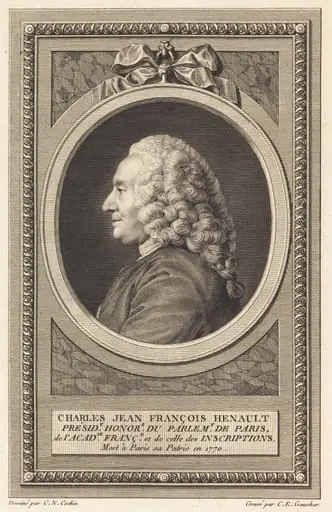 Charles Jean Francois Henault
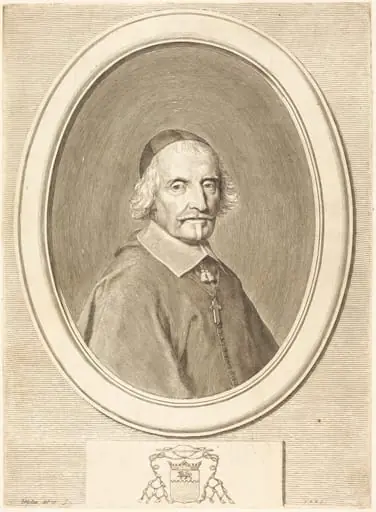 Francois de Villemontee
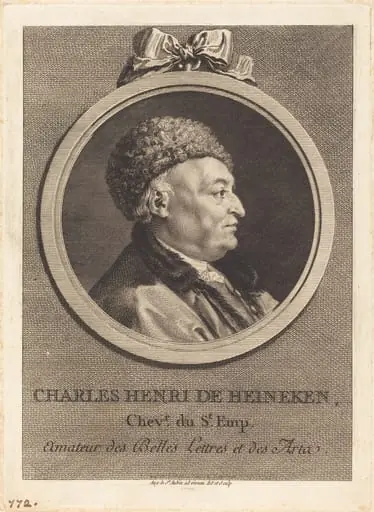 Charles Henri de Heineken
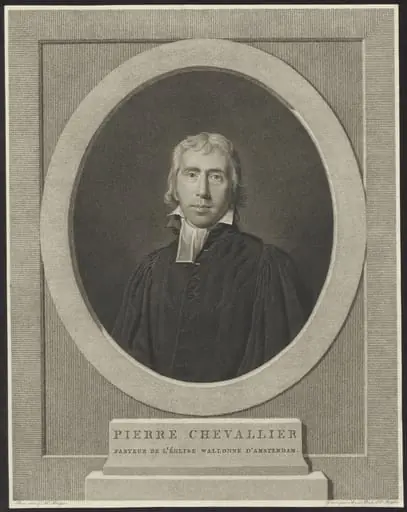 Portrait of Pierre Chevallier, Walloon minister in Amsterdam
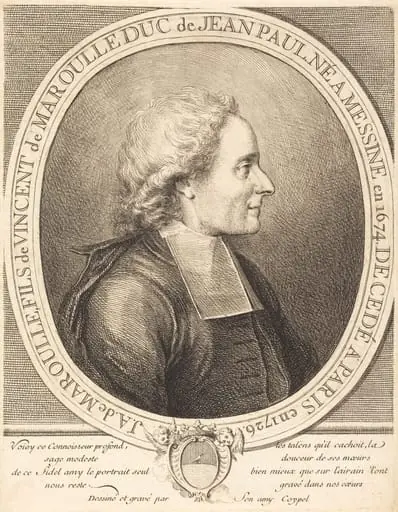 L'Abbe Jean-Antoine de Maroulle
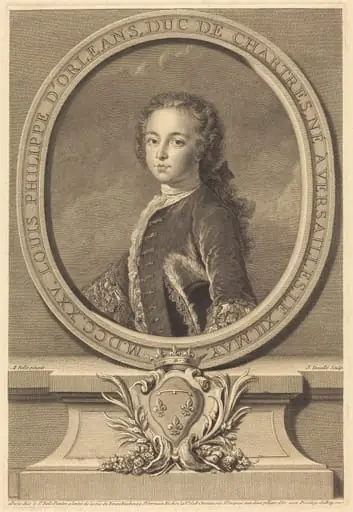 Louis Philippe d'Orléans
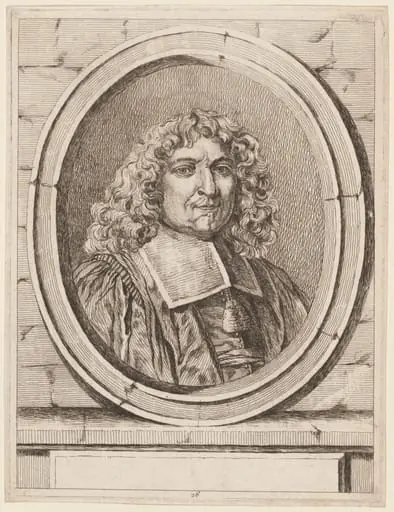 Louis Boucherat, Chancelier, Garde des Sceaux de France
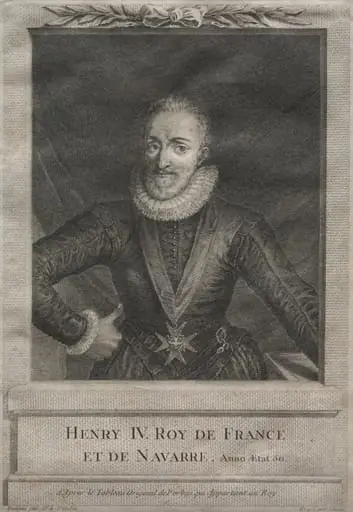 Henry IV, King of France
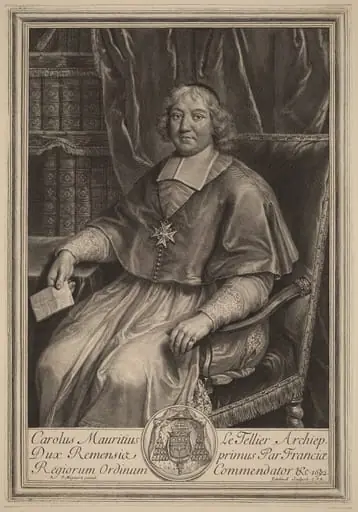 Charles-Maurice Le Tellier
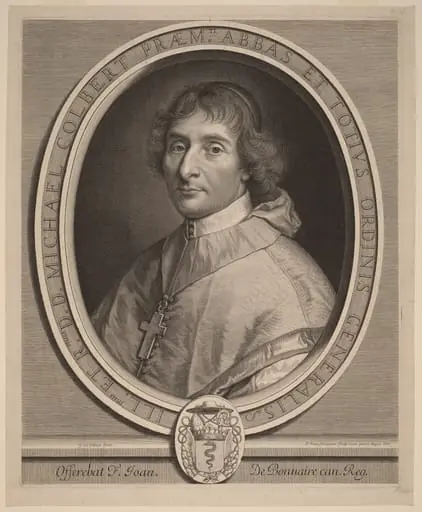 Michel Colbert
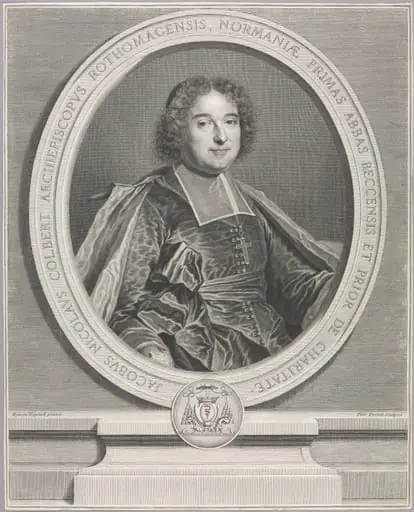 Jacques-Nicolas Colbert
 Nicolas Le Camus