Artwork
Allegory of Fame
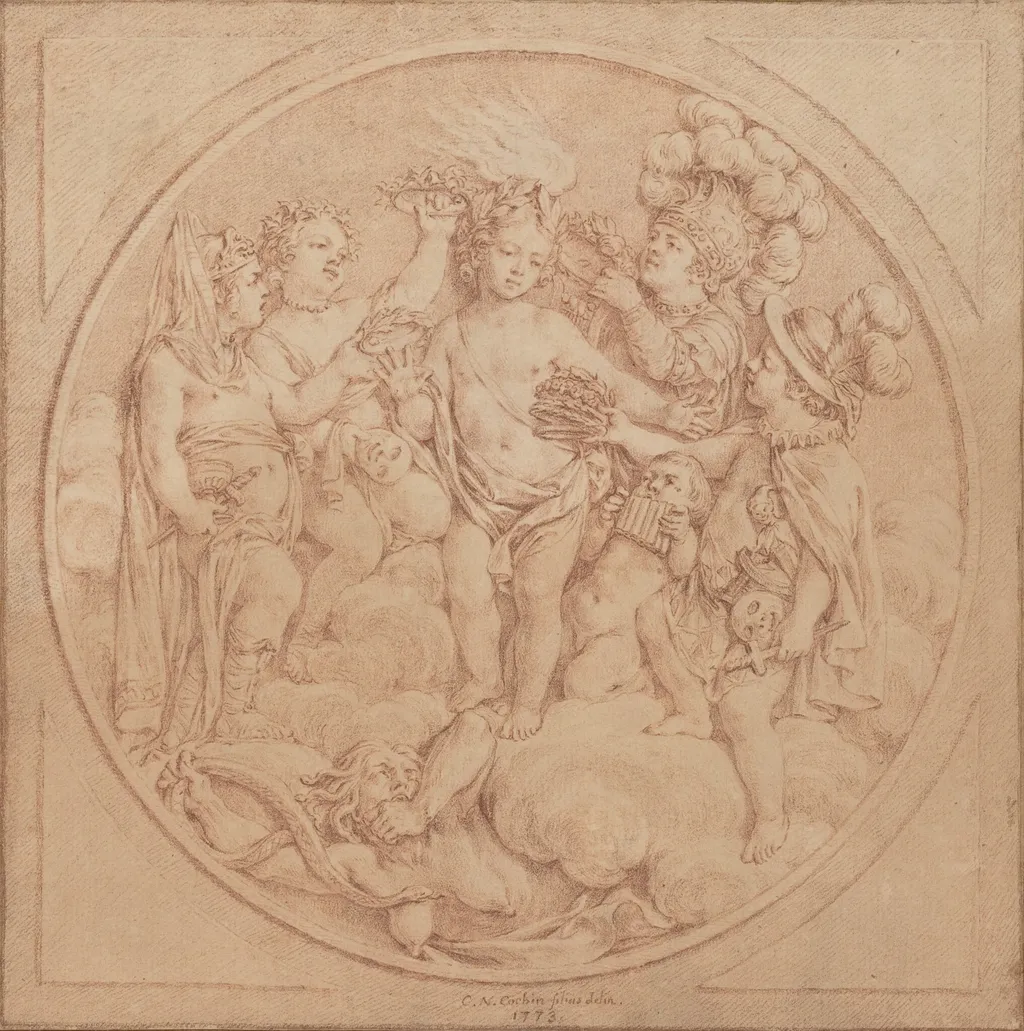
Allegory of Fame is a graphite drawing by the Romanticist artist Charles-Nicolas Cochin II. It dates from 1773 and is held in the collection of the National Gallery of Art.
About this work
Overview
Allegory of Fame is a drawing created by Charles-Nicolas Cochin II in 1773, rendered primarily in red chalk with subtle graphite undertones on wove paper.
Subject & Meaning
The drawing centers on a female figure, identifiable as Fame, distinguished by a laurel wreath and a trumpet, surrounded by symbolic objects that enrich the allegorical theme.
Technique & Style
Cochin II employed red chalk to achieve expressive lines and shading, with the suggestion of sfumato contributing to the drawing's depth and atmospheric quality.
History & Provenance
Created in 1773, specific details about the drawing's ownership history and exhibitions are not provided in the available information.
Context
This allegorical work reflects 18th-century artistic inclinations towards symbolic and figurative subjects, with Cochin II's use of red chalk characteristic of the period's drawing practices.
Legacy
The drawing's impact or influence on subsequent artistic movements or works is not detailed in the provided context, though it remains a representative example of Cochin II's oeuvre.
Artist & collection


 Eighth Day, First Story, Madonna Ambruogia Gives Her Husband the Two Hundred Florins She Was Given by Gulfardo in Payment for Her Favors
 Gaiety and Grief
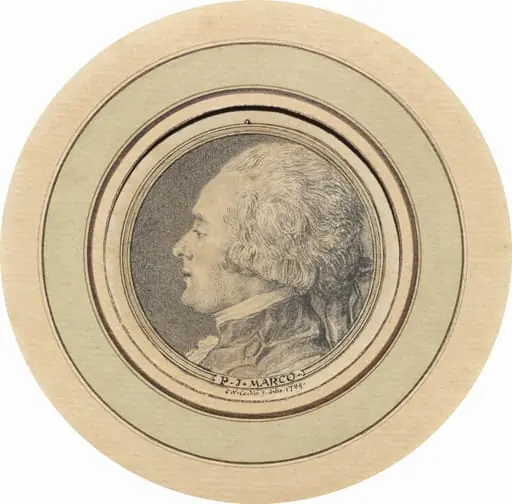 P.J. Marco
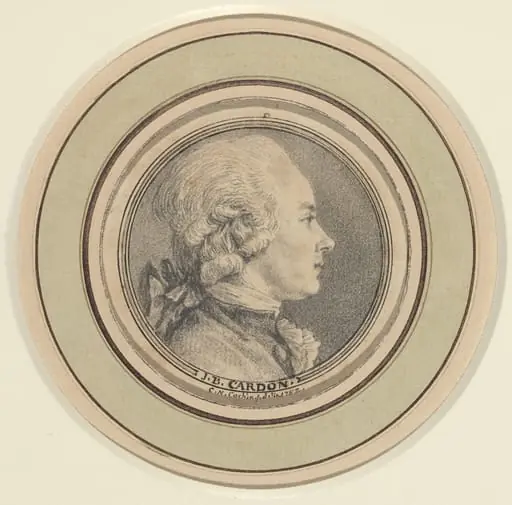 J.B. Cardon
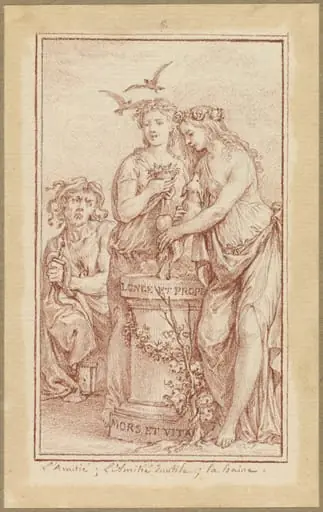 Friendship, Useless Friendship, and Hate
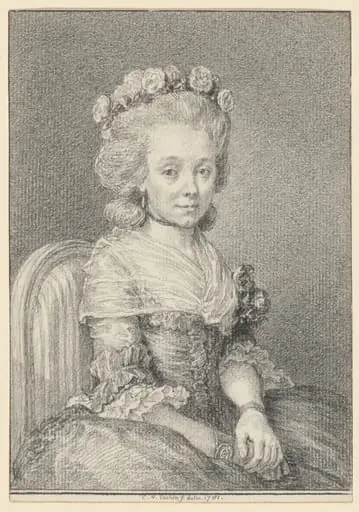 Mademoiselle Grogniard, Dame de Saint-Just
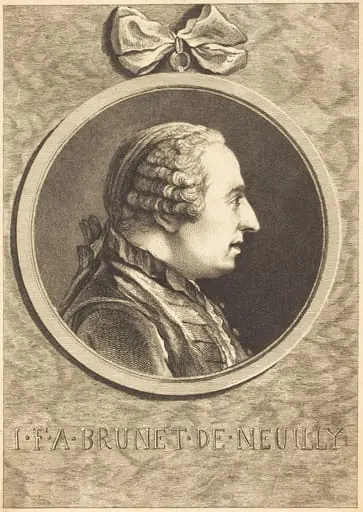 Brunet de Neuilly
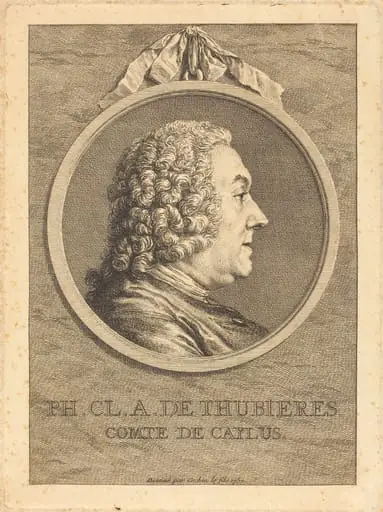 Ph.Cl.A. de Thubieres, Comte de Caylus