Artwork
Mademoiselle Grogniard, Dame de Saint-Just
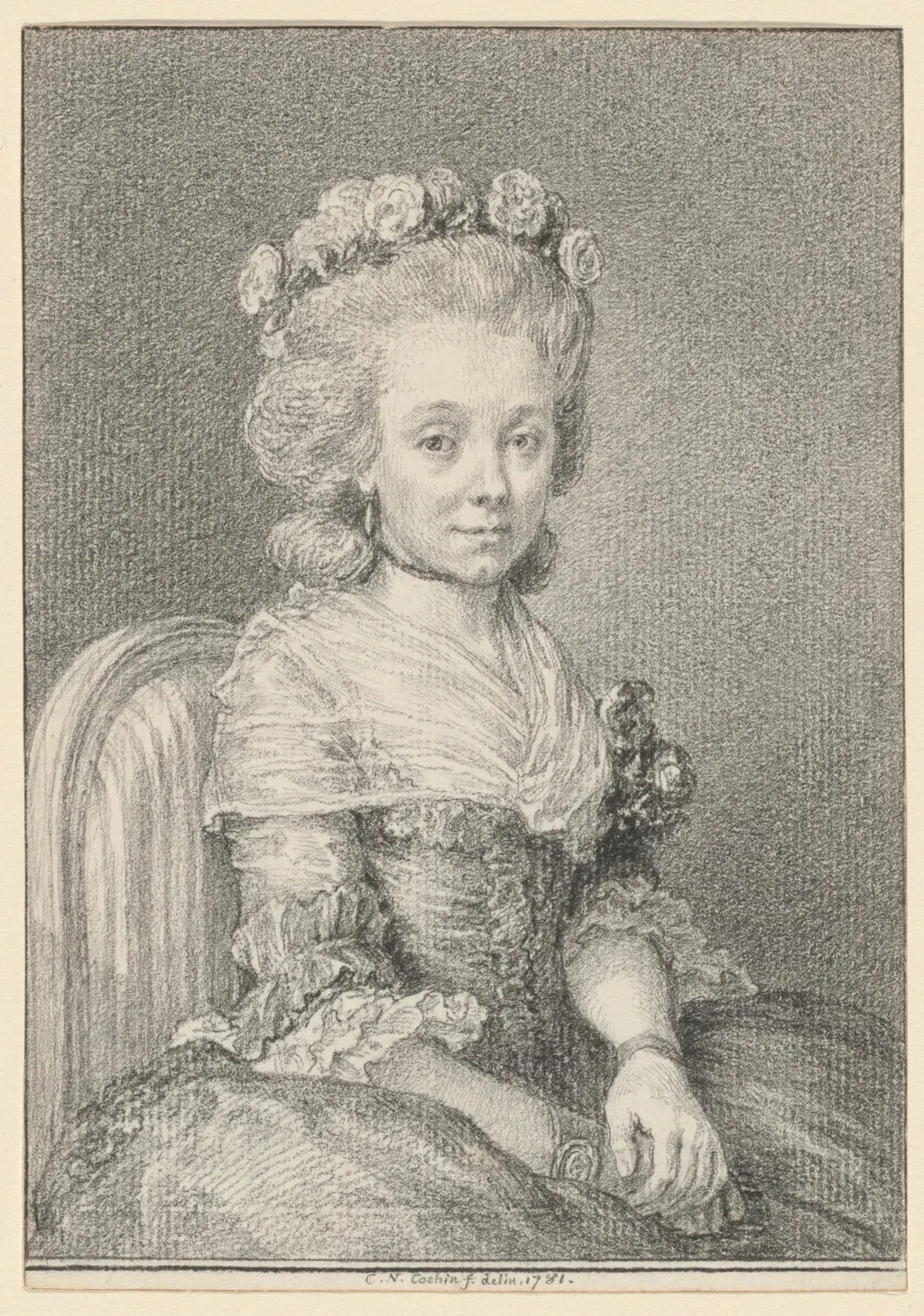
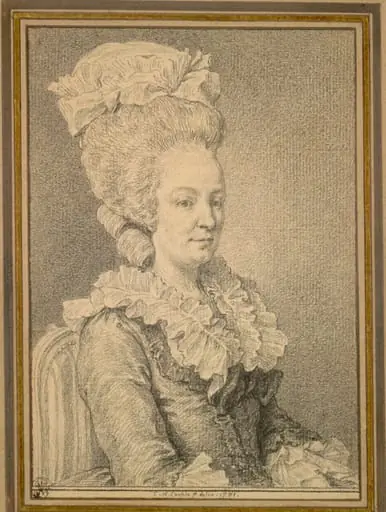
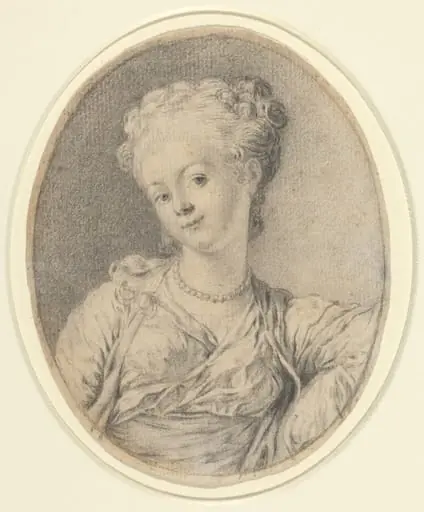
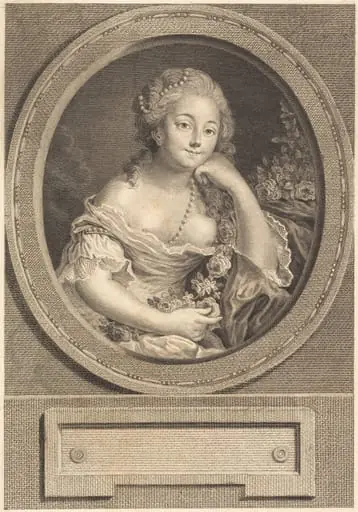
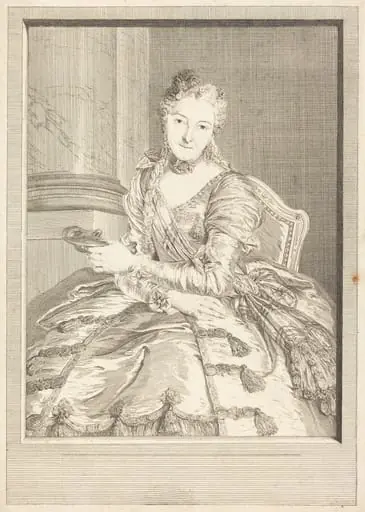
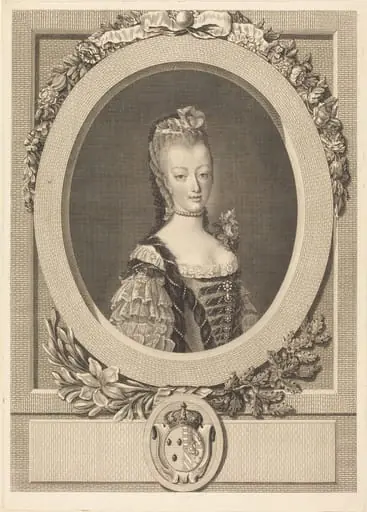
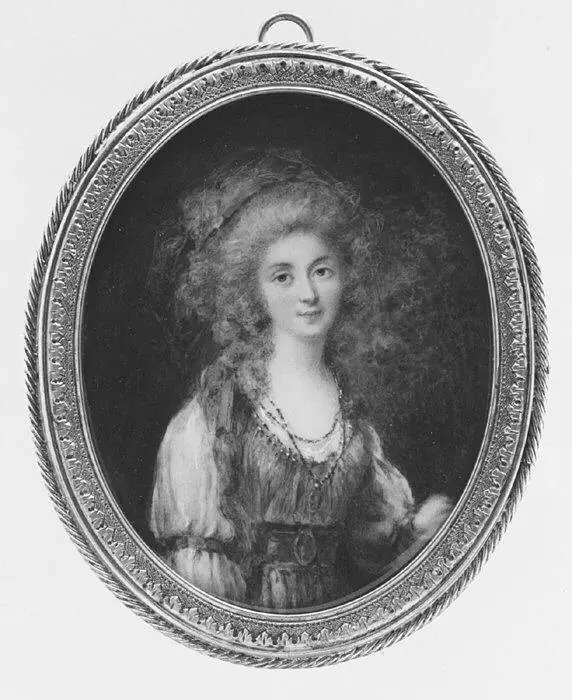
Mademoiselle Grogniard, Dame de Saint-Just is a chalk drawing by the Romanticist artist Charles-Nicolas Cochin II. It dates from 1781 and is held in the collection of the National Gallery of Art.
About this work
Overview
The work is a refined portrait study, emphasizing the sitter’s presence through subtle tonal gradations rather than color or elaborate setting.
Created in 1781 by Charles-Nicolas Cochin II, this drawing depicts Mademoiselle Grogniard, Dame de Saint-Just, rendered in black chalk on laid paper and mounted for preservation. The work is a refined portrait study, emphasizing the sitter’s presence through subtle tonal gradations rather than color or elaborate setting. Its modest scale and intimate focus reflect the tradition of aristocratic portraiture in late 18th-century France.
Subject & Meaning
The sitter, identified by her title and name, appears in formal yet relaxed attire, suggesting her status within the French nobility. The inclusion of flowers in her hair and the draped shawl implies a moment of private elegance, not ceremonial rigidity. The drawing captures a sense of quiet dignity, avoiding overt symbolism to convey identity through demeanor and dress rather than narrative.
Technique & Style
Cochin employed black chalk with exceptional control, using varying pressure to model form through light and shadow. Highlights emerge where the paper’s natural tone remains untouched, while deeper strokes define folds in fabric and the contours of the face. The absence of color or outline reinforces the chalk’s capacity to suggest volume, demonstrating a mastery of chiaroscuro within a monochrome medium.
History & Provenance
The drawing was executed during Cochin’s active years as a court artist and engraver, likely as a preparatory study or personal portrait. It was later mounted on a support sheet, a common practice to stabilize delicate paper works. Its survival in good condition suggests careful handling by collectors, though its specific provenance prior to modern institutional ownership remains undocumented.
Context
In the decade before the French Revolution, portraiture among the aristocracy favored intimate, refined depictions over grandeur. Cochin, trained in the Rococo tradition, adapted his style to capture individual presence with restraint. This drawing aligns with a broader trend of private, tactile portraiture—less about public image, more about personal identity and aesthetic sensitivity.
Legacy
Though not widely exhibited, the drawing exemplifies the skill of French draftsmen in capturing likeness with minimal means. It stands as a testament to the enduring value of chalk drawing in aristocratic circles and influenced later artists who valued subtlety over spectacle. Its preservation underscores the importance of graphic works in understanding 18th-century visual culture.
Artist & collection