Artwork
Portrait of Godefroid Hotton, Walloon minister at Amsterdam
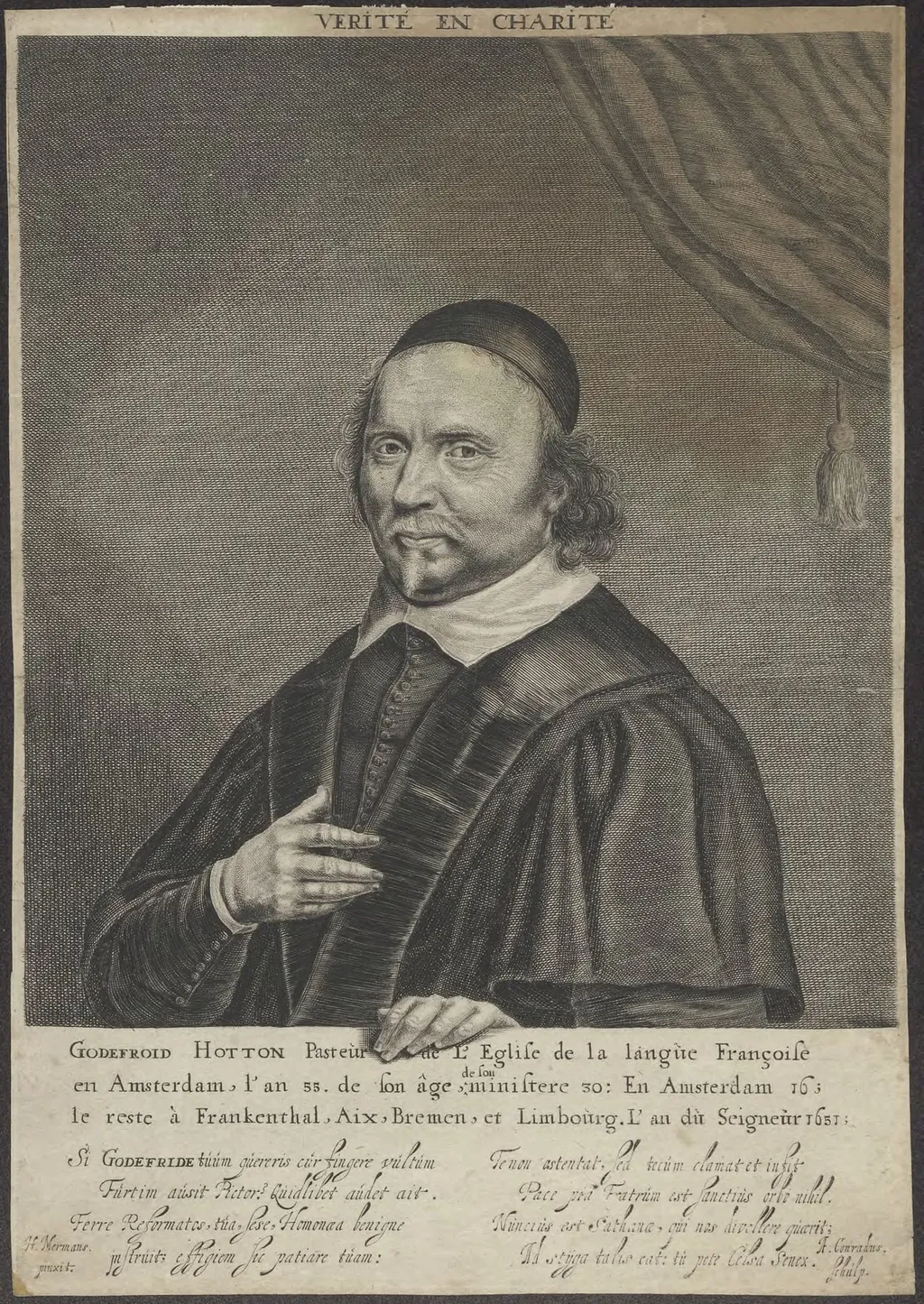
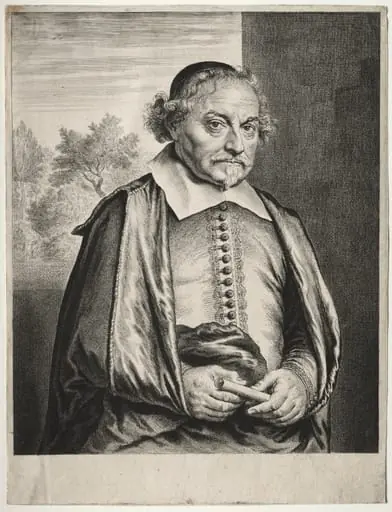
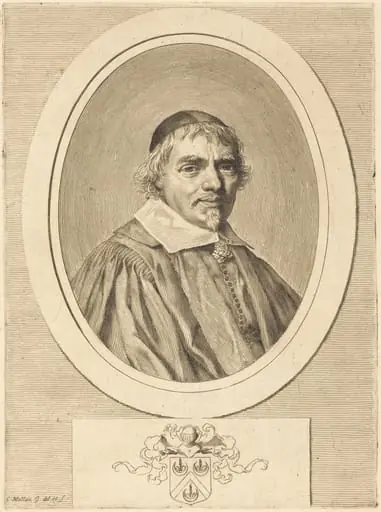
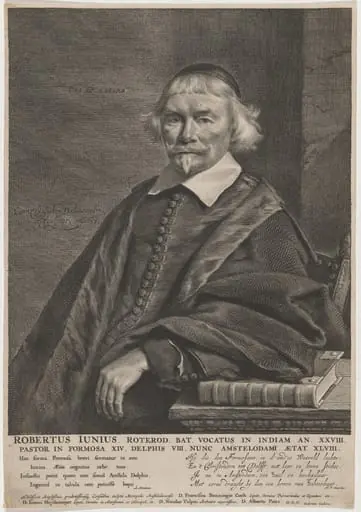
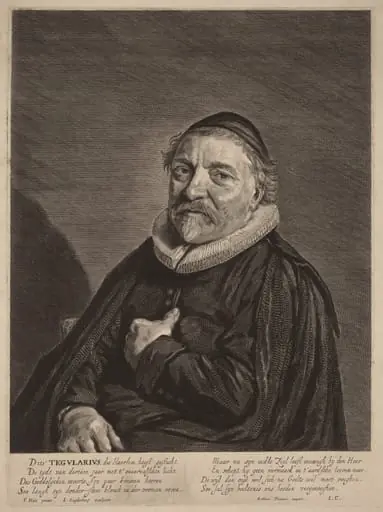
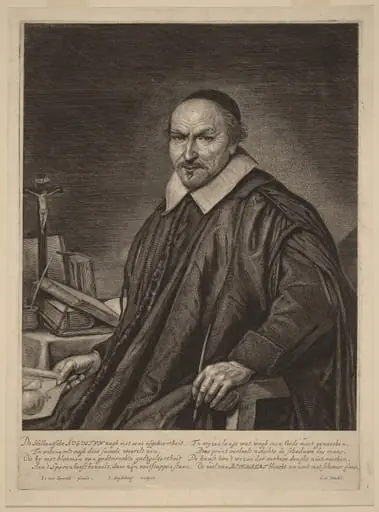
Portrait of Godefroid Hotton, Walloon minister at Amsterdam is an unspecified painting by the Dutch Golden Age artist Abraham, Conradus. It dates from 1650 and is held in the collection of the Leiden University Libraries. The work is a portrait of Godefroid Hotton, a Walloon minister who served in Amsterdam.
About this work
Overview
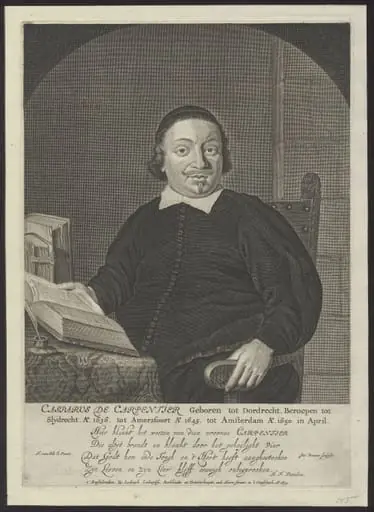
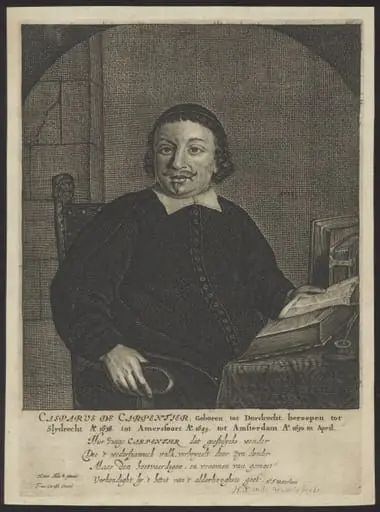
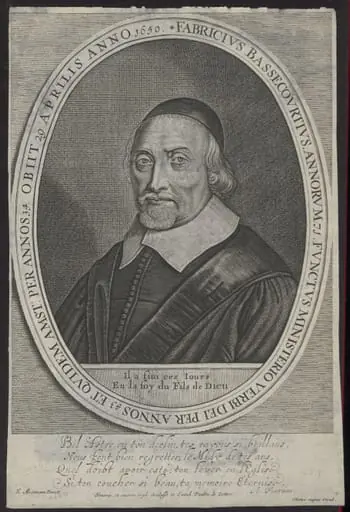
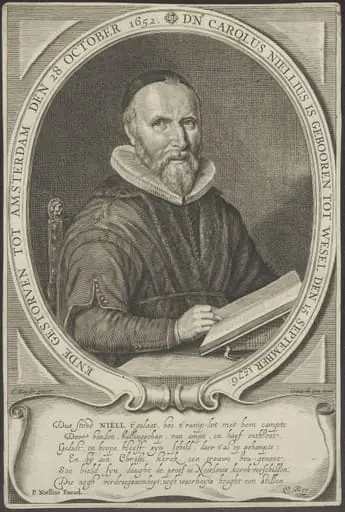
The work is a portrait of Godefroid Hotton, a Walloon minister who served in Amsterdam. Rendered as a seated figure gazing directly at the viewer, the image adopts a formal, antiquated wardrobe that signals its historical context. The composition is framed by a Latin epigraph placed beneath the sitter, linking the visual and literary elements.
Subject & Meaning
Hotton is depicted in attire reminiscent of earlier centuries, suggesting a deliberate evocation of tradition and authority. The direct eye contact invites contemplation of his role as a religious leader, while the accompanying Latin verse may have served to underscore his scholarly or theological stature.
Technique & Style
The painter employs chiaroscuro, using strong contrasts of light and shadow to model the figure’s features and give the fabric a tactile quality. This handling of illumination creates a three‑dimensional presence, emphasizing the sitter’s solemn demeanor.
History & Provenance
The portrait is not an original composition but a copy after a work by the Flemish artist H. Mermans. The replication indicates the continued relevance of Hotton’s image and the esteem in which Mermans’s original was held, though details of the copy’s commission remain undocumented.
Context
The inclusion of a Latin poem reflects the intellectual climate of the period, when classical languages were commonly used to convey erudition. The choice of old‑fashioned dress aligns with a broader 17th‑century tendency to portray contemporary figures in historicized garb, linking them to a perceived lineage of authority.