Artwork
Die Katze des Propheten (The Cat of the Prophet)
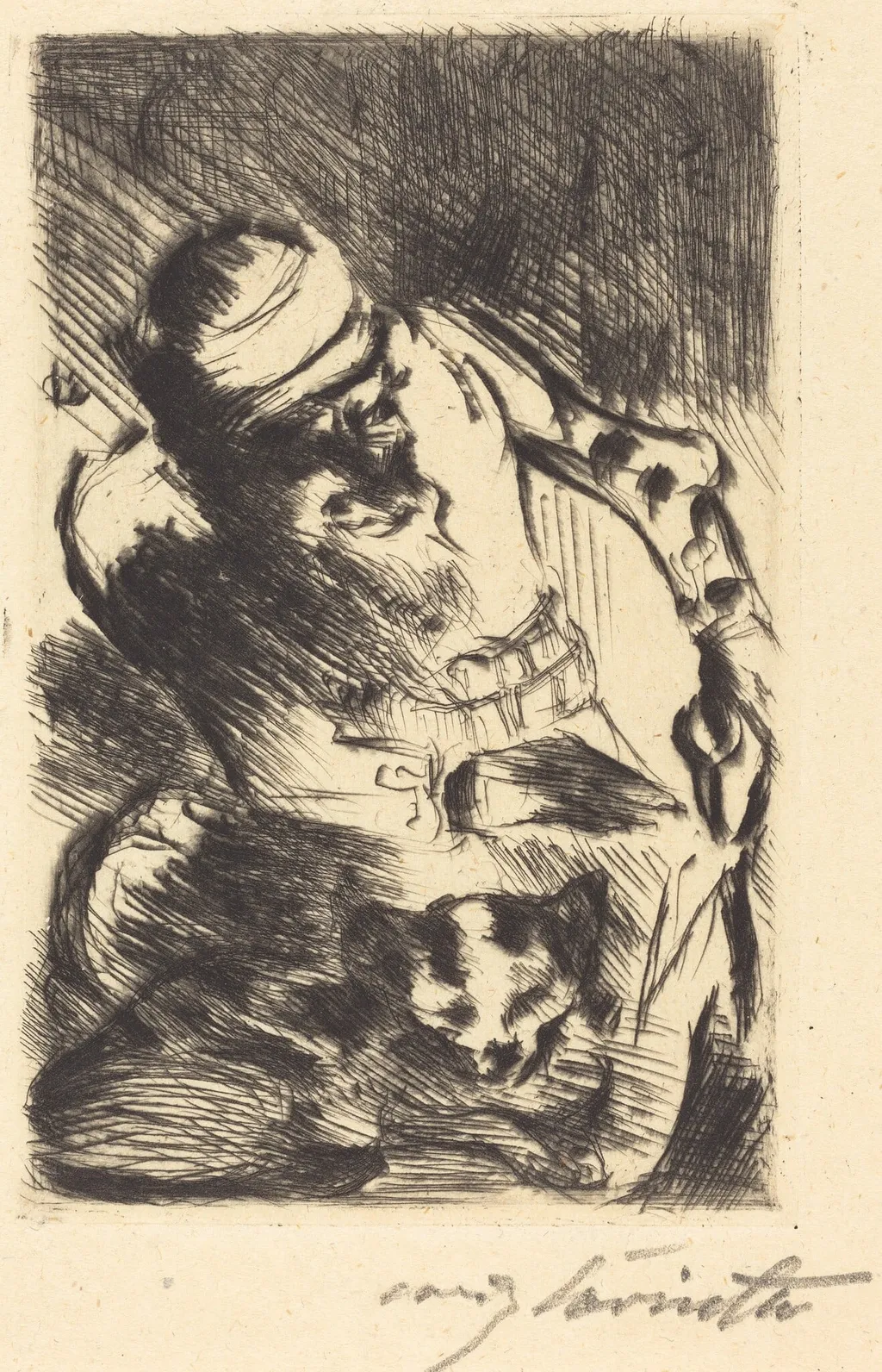
Die Katze des Propheten (The Cat of the Prophet) is an ink print by Lovis Corinth. It dates from 1919 and is held in the collection of the National Gallery of Art.
About this work
Overview
Die Katze des Propheten (The Cat of the Prophet) is a 1919 drypoint print on wove paper by German artist Lovis Corinth, exemplifying his later style that merged naturalism with expressive qualities.
Subject & Meaning
The print depicts a serene, bearded figure with a head covering, gently holding a cat that looks up at him. The scene conveys calmness and serenity, though the specific prophet referenced remains unspecified.
Technique & Style
Executed in drypoint in black on wove paper, the work leverages the medium's capacity for expressive lines and textures. The contrast between dark lines and a light background enhances the contemplative mood.
History & Provenance
Created in 1919, after Corinth's 1911 stroke, the work reflects his post-stroke stylistic evolution towards looser, more emotionally charged expressions, characteristic of his mature period.
Context
Corinth's artistic development was influenced by his training in Paris and Munich, and his leadership in the Berlin Secession. This piece situates itself within the broader early 20th-century European movement bridging Impressionism and Expressionism.
Own this work as a print
Artist & collection

Artist
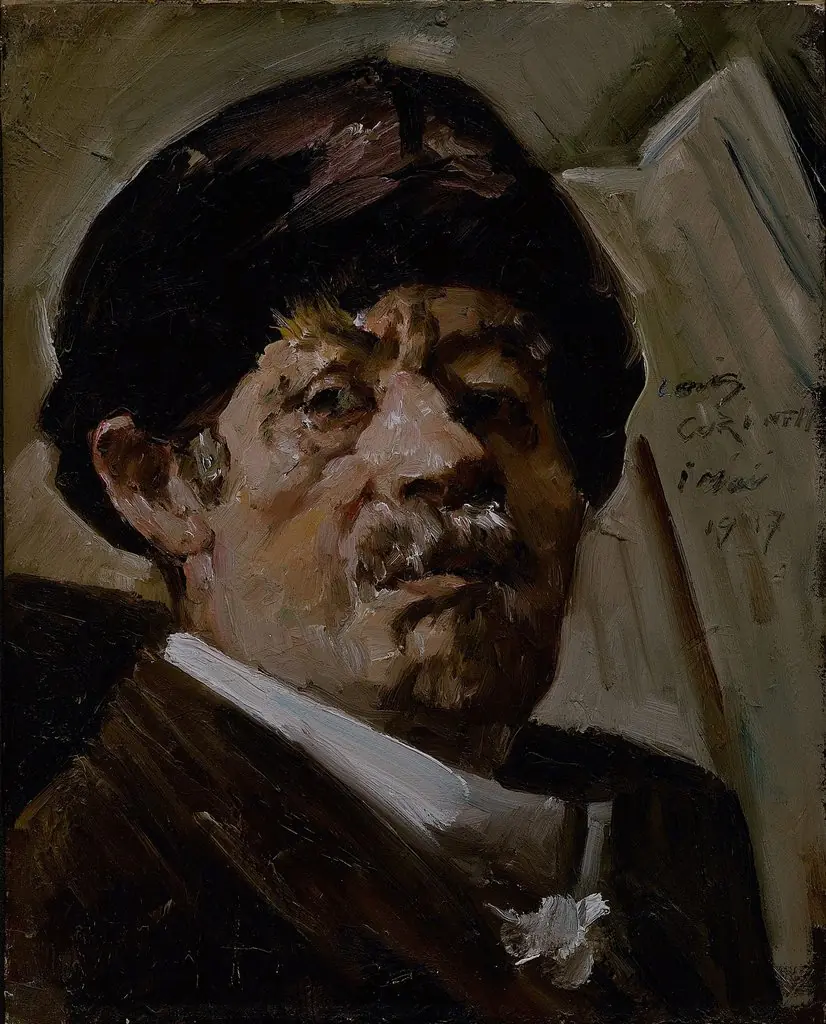
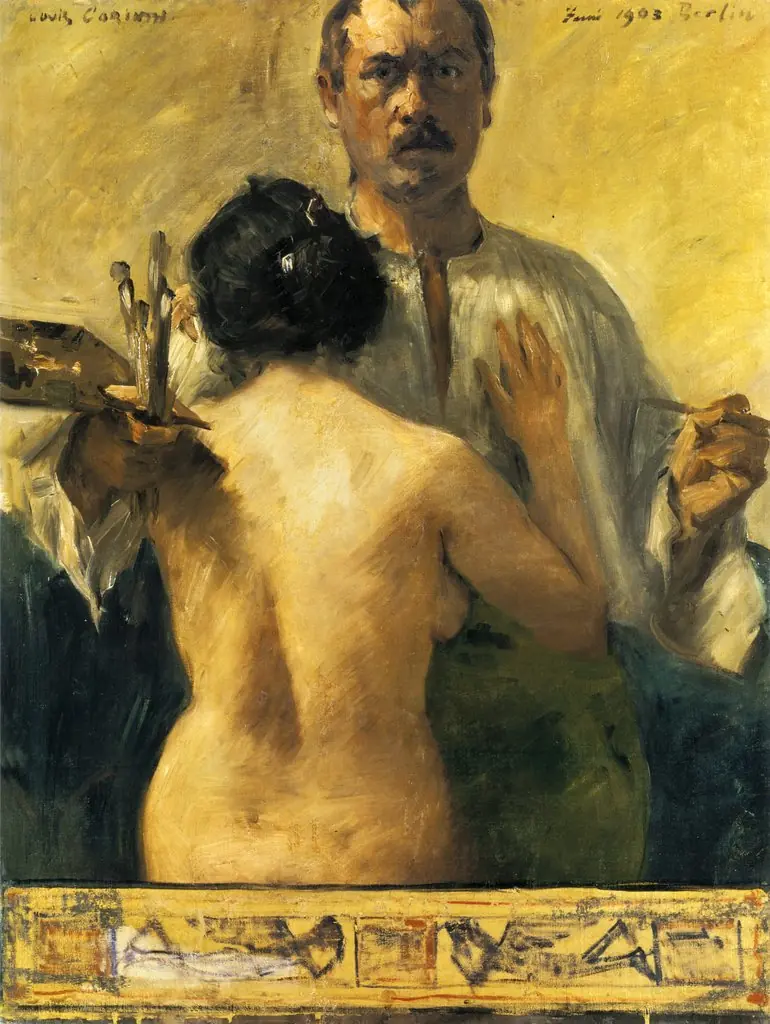
Lovis Corinth was a German artist and writer whose mature work as a painter and printmaker realized a synthesis of impressionism and expressionism.

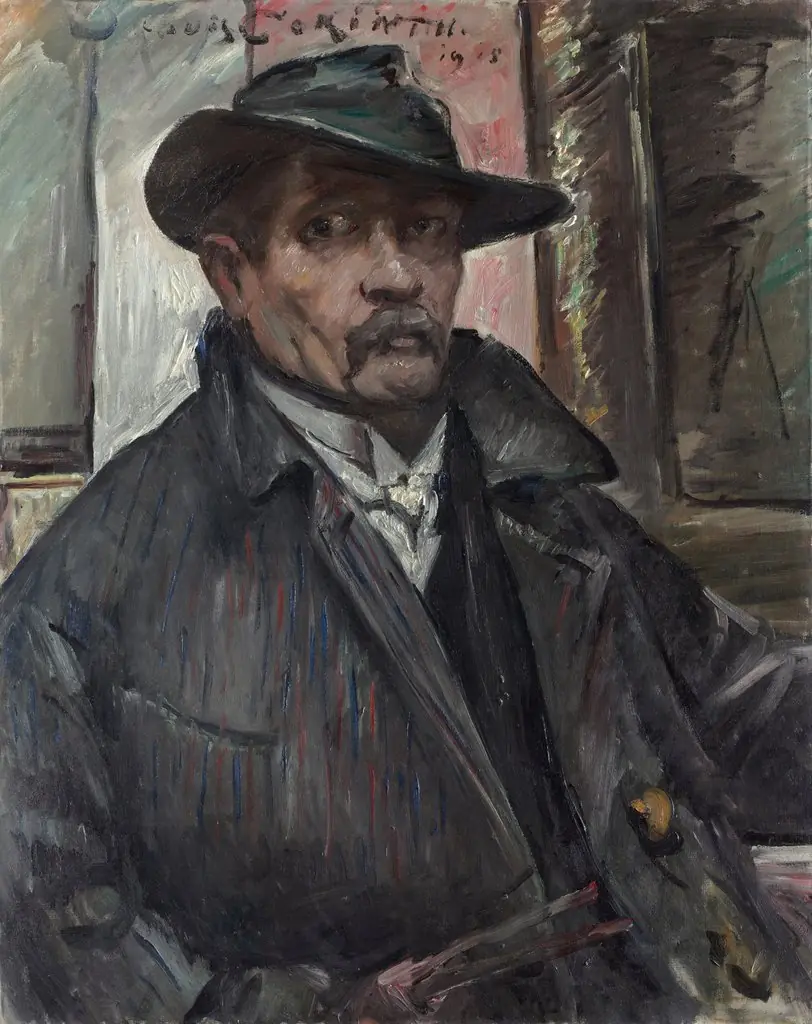
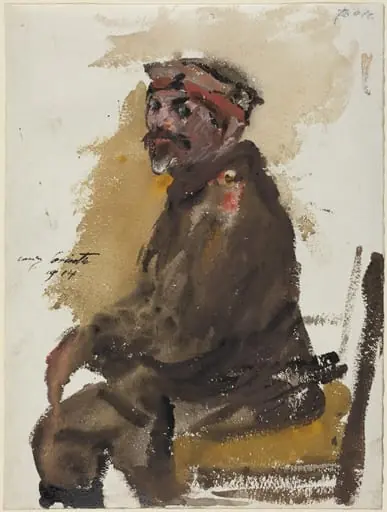
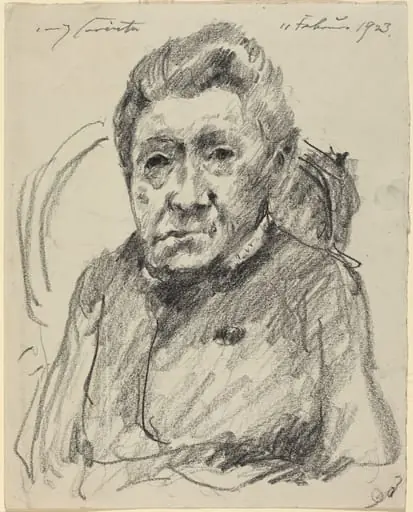
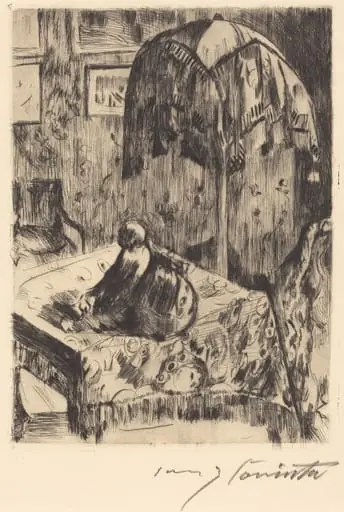 Interieur mit Stehlampe (Interior with Floor Lamp)
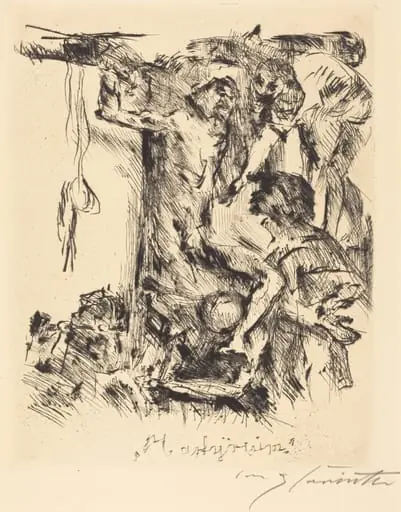 Martyrium (Martyrdom)
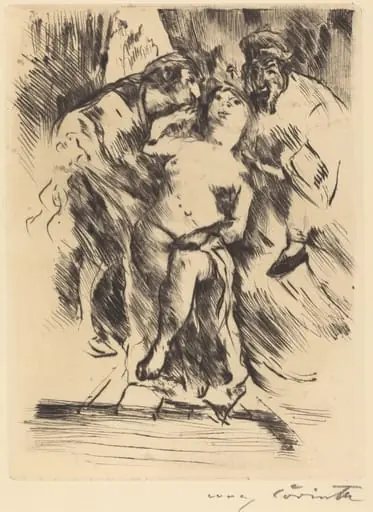 Susanna im Bade (Susanna in the Bath)
 The Dog on the Kennel
 Einsame
 Bannerträger (Standard Bearer)
 The Boy with a Dog
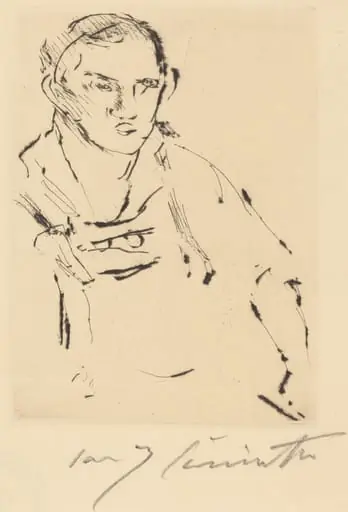 Thomas
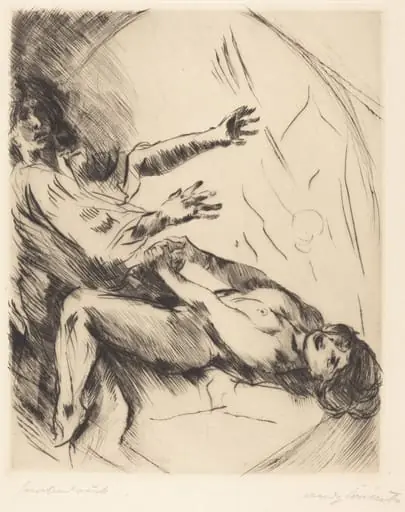 Joseph und Potiphars Weib I (Joseph and Potiphar's Wife I)
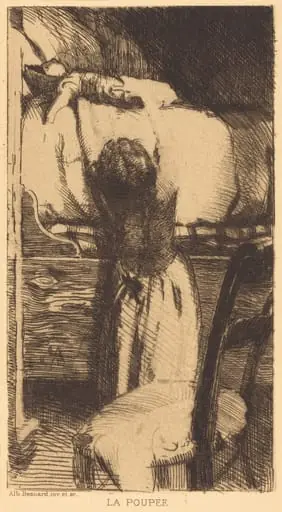 The Doll (La Poupée)
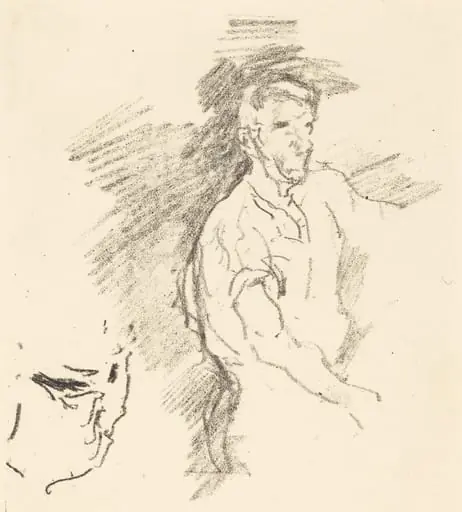 Sketch of a Blacksmith
 Adhba die Kamelin (Adhba the Camel)