Artwork
The Nativity
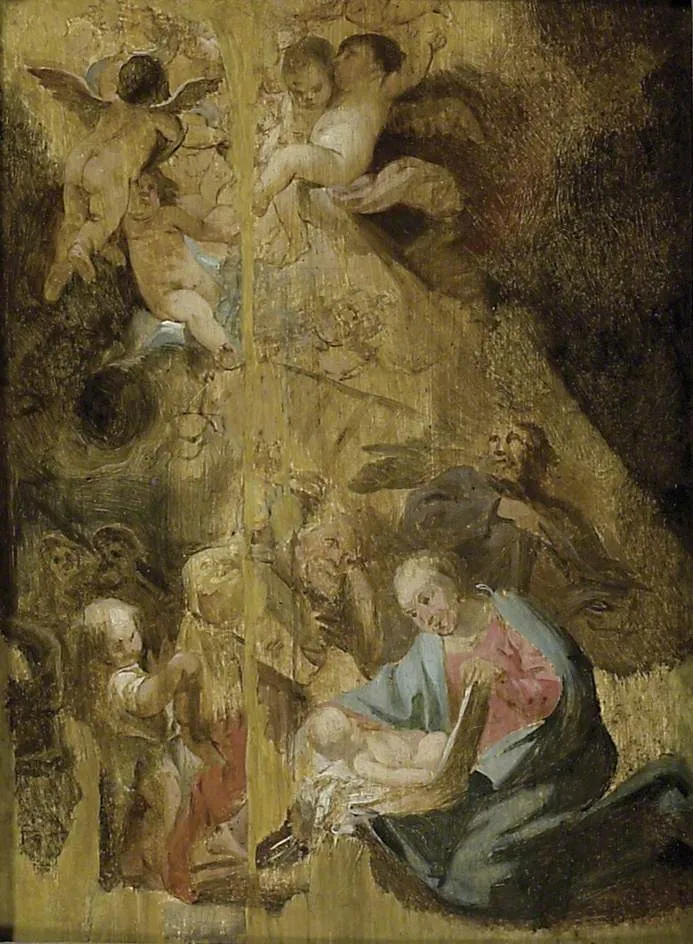
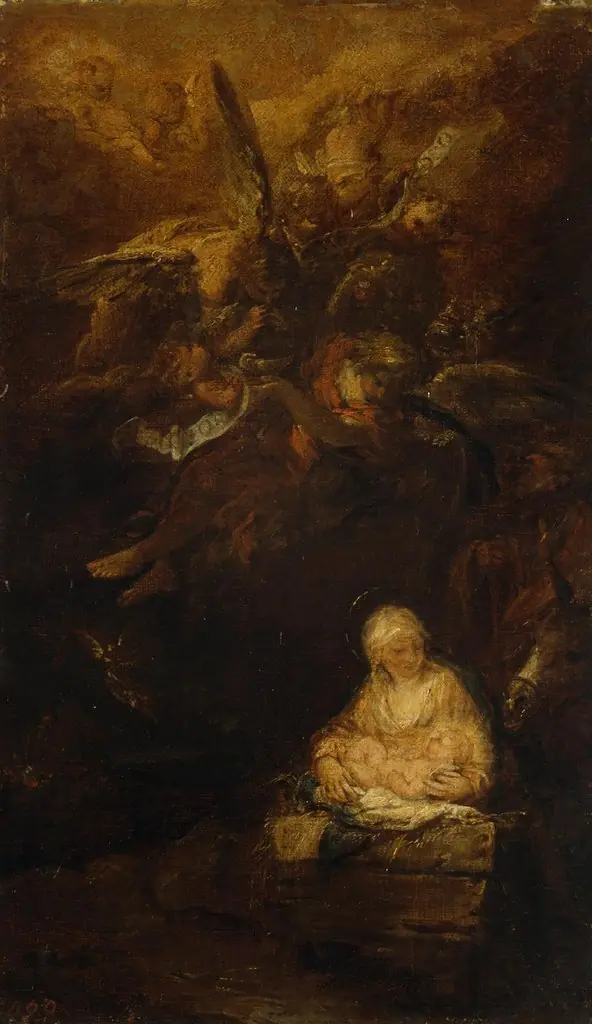
The Nativity is an oil painting by Cornelis Schut. It dates from 1636 and is held in the collection of the Ashmolean Museum.
About this work
Overview
Painted around 1636 by the Flemish artist Cornelis Schut, *The Nativity* is an oil-on-canvas work that captures the birth of Christ in a quiet, intimate moment.
Painted around 1636 by the Flemish artist Cornelis Schut, *The Nativity* is an oil-on-canvas work that captures the birth of Christ in a quiet, intimate moment. Schut, trained in Rubens’s studio and influenced by his Italian travels, brought a refined Baroque sensibility to religious subjects. The painting is now part of the Ashmolean Museum’s collection, reflecting its significance in early 17th-century Northern European devotional art.
Subject & Meaning
The scene centers on the Virgin Mary seated on the earth, cradling the newborn Jesus swaddled in simple cloth. Around them, angels and shepherds observe in reverent stillness, their gazes directed upward toward celestial figures. The composition emphasizes humility and divine presence, rejecting grandeur in favor of quiet reverence. The inclusion of hovering cherubs in the upper left suggests heavenly joy, contrasting with the grounded humanity of the central figures.
Technique & Style
Schut employs muted earth tones and soft lighting to create a sense of calm intimacy. Chiaroscuro is used subtly, defining forms without dramatic contrast. The cherubs in the upper corner are rendered with fluid brushwork, suggesting motion amid the otherwise static composition. This contrast between dynamic celestial elements and grounded earthly figures reflects a Baroque interest in spiritual movement within a composed, devotional space.
History & Provenance
Created during Schut’s mature period in Antwerp, the painting emerged from a workshop culture deeply engaged with Counter-Reformation religious imagery. It remained in private collections before entering the Ashmolean Museum’s holdings, likely through 19th-century acquisitions focused on Northern European Old Masters. Its documented history is modest, but its stylistic ties to Rubens and Italianate influences confirm its place in the broader Flemish Baroque tradition.
Context
In the 1630s, Antwerp was a hub for religious painting, responding to Catholic demands for emotionally resonant imagery after the Reformation. Schut’s work aligned with this trend, blending Flemish realism with Italianate compositional grace. While large altarpieces dominated public spaces, smaller devotional works like this one catered to private contemplation, reflecting a growing market for intimate spiritual scenes among the educated elite.
Legacy
Though Schut is less widely known today than his mentor Rubens, *The Nativity* exemplifies the quiet elegance of Flemish Baroque devotional art. Its restrained palette and thoughtful composition influenced later generations of religious painters who favored emotional subtlety over theatricality. The painting remains a quiet testament to the period’s synthesis of Northern detail and Southern compositional harmony.
Artist & collection
Artist
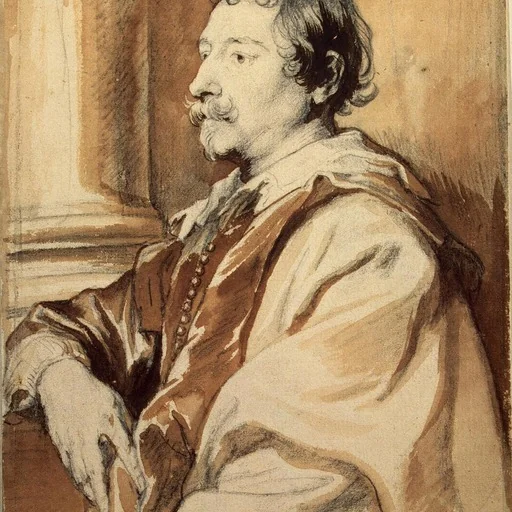
Cornelis Schut (13 May 1597 – 29 April 1655) was a Flemish painter, draughtsman, engraver and tapestry designer who specialized in religious and mythological scenes.

 The Nativity
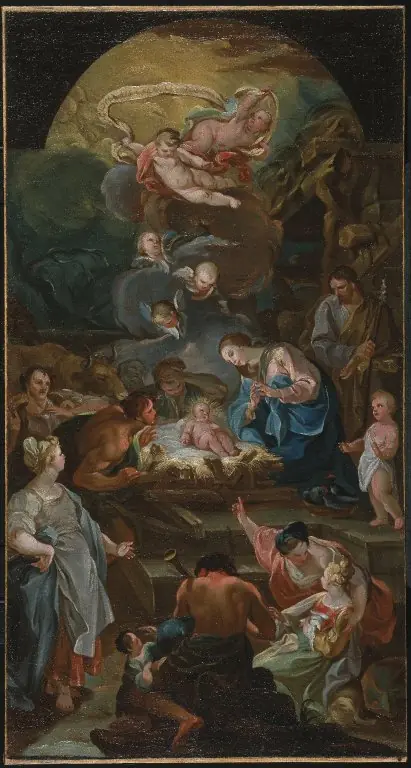 The Adoration of the Shepherds
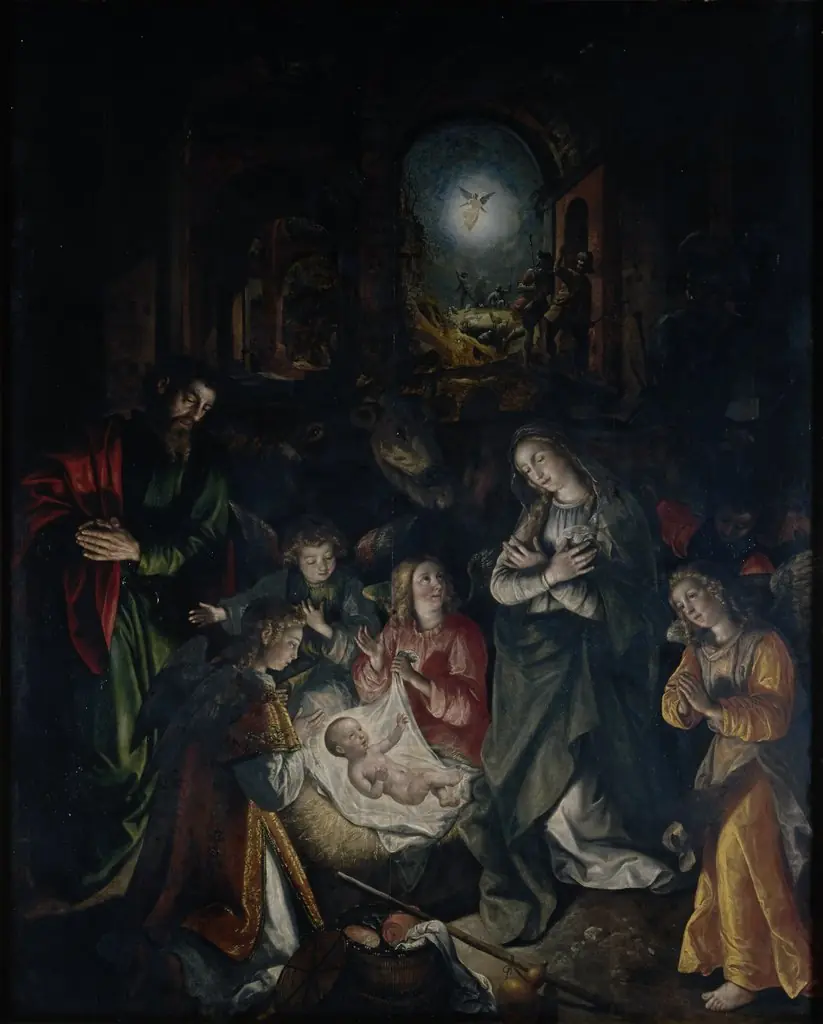 The Nativity
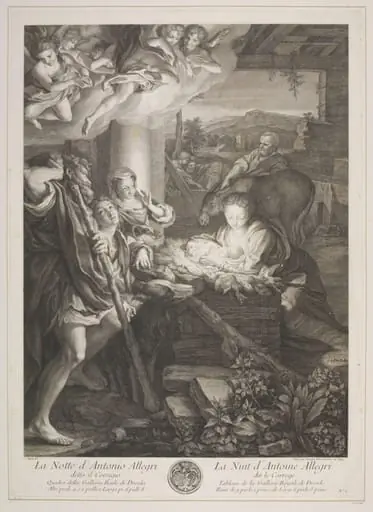 The Nativity
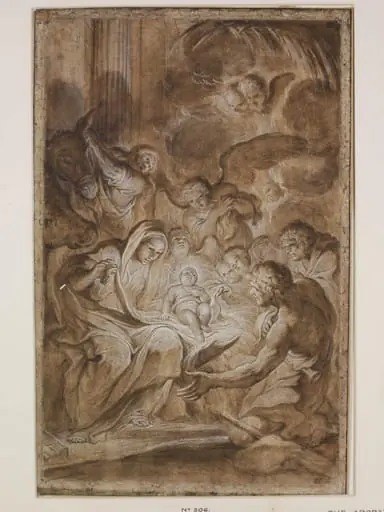 Adoration of the Shepherds
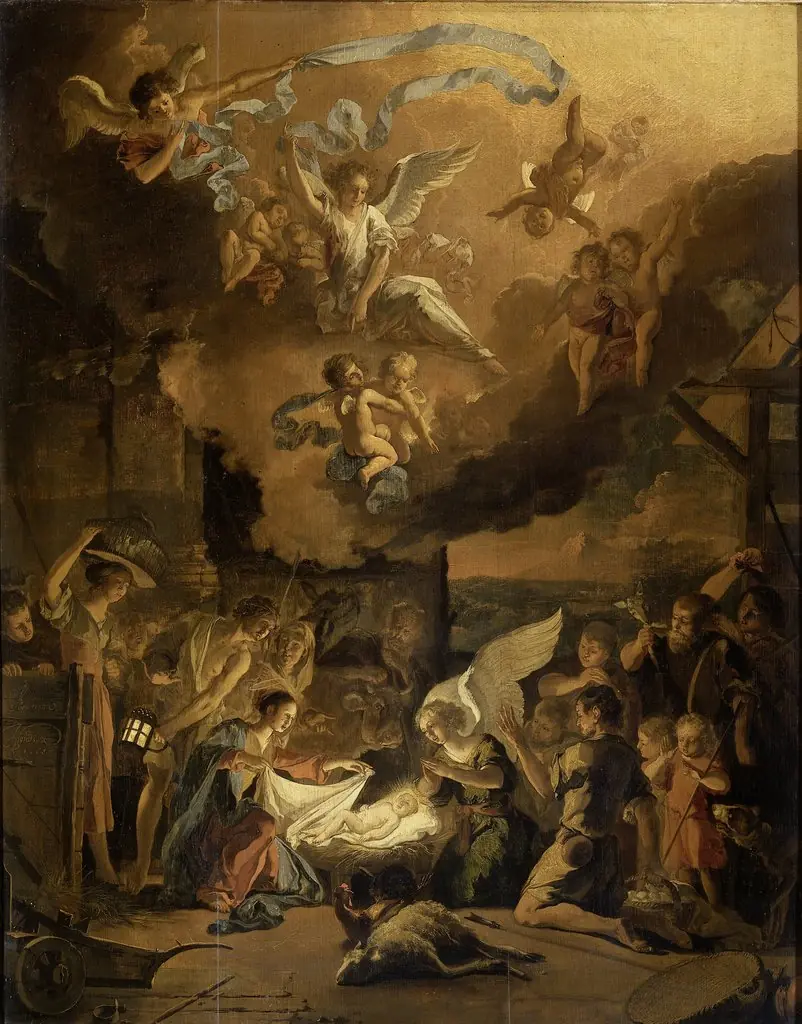 The adoration of the shepherds
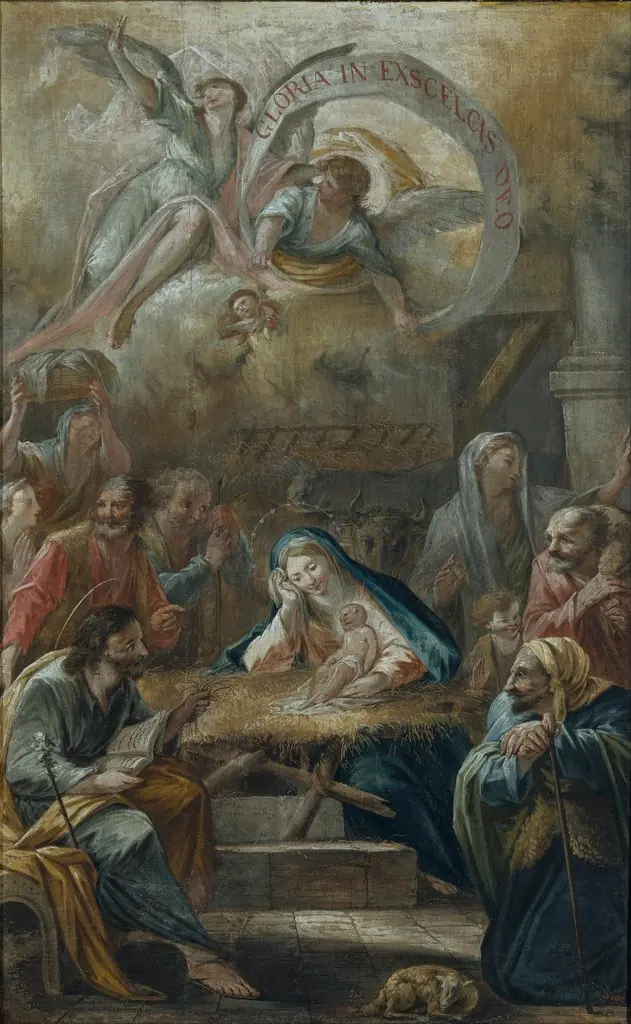 Birth of Jesus and the Adoration of the Shepherds
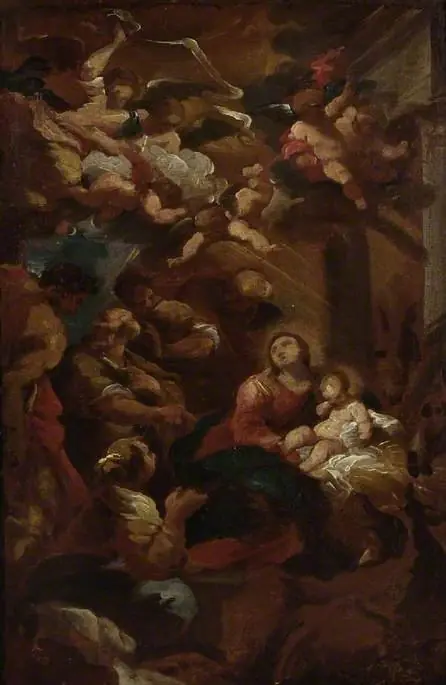 The Adoration of the Shepherds
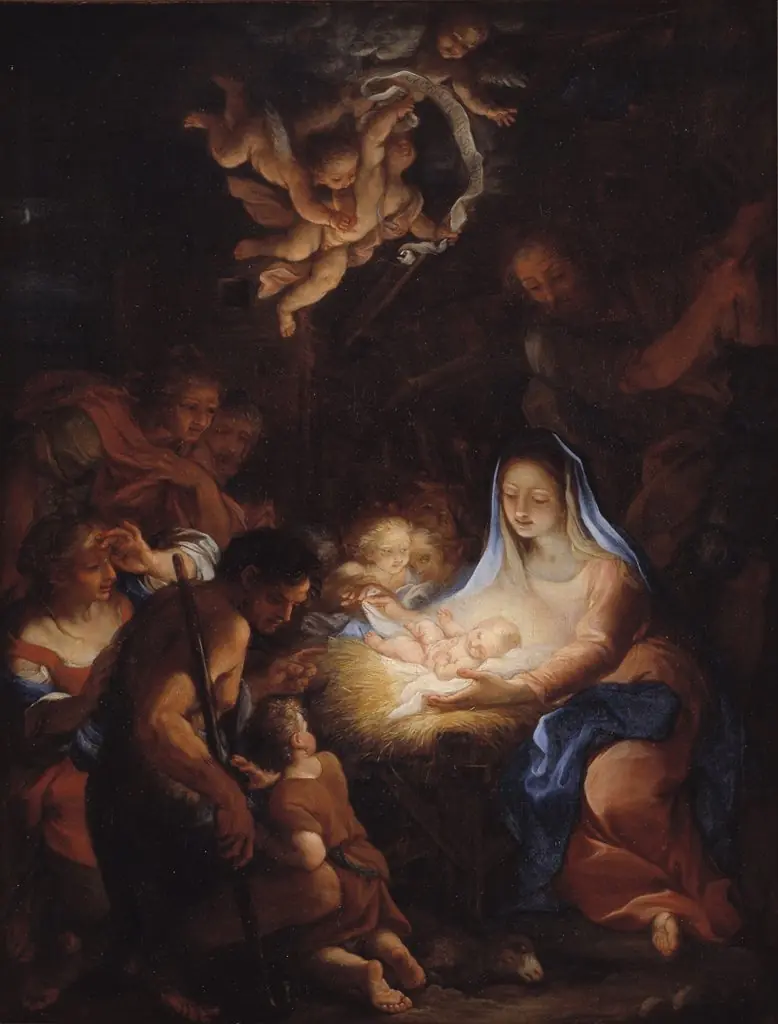 The Adoration of the Shepherds
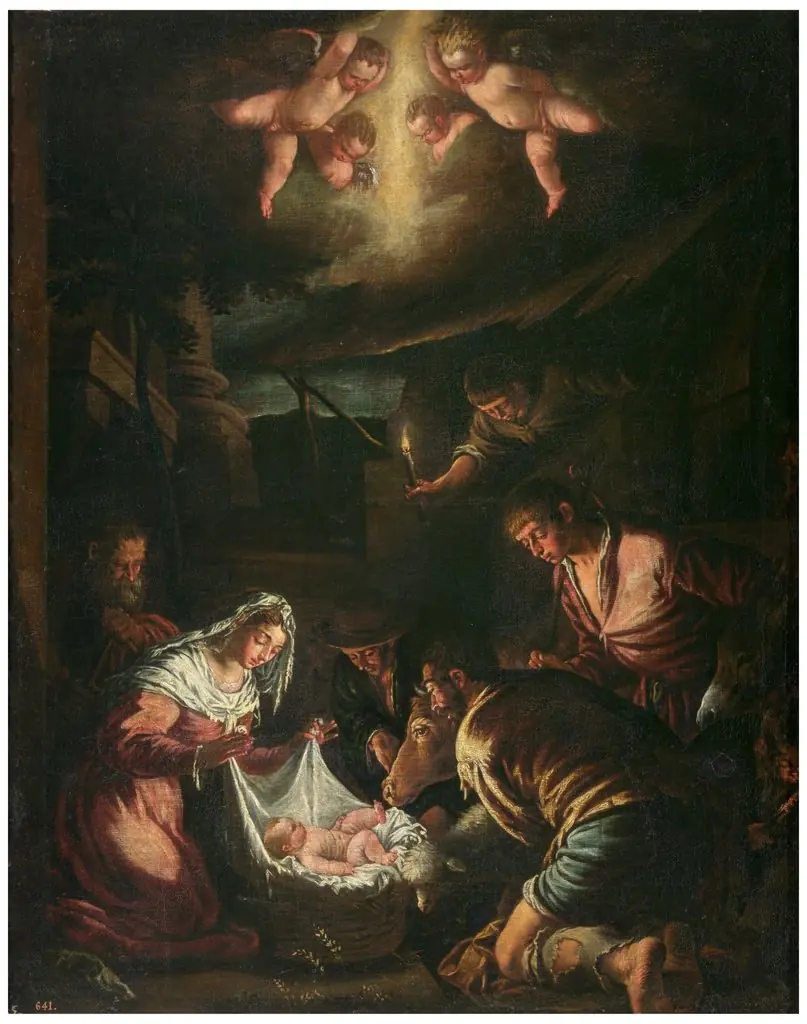 Adoration of the Shepherds
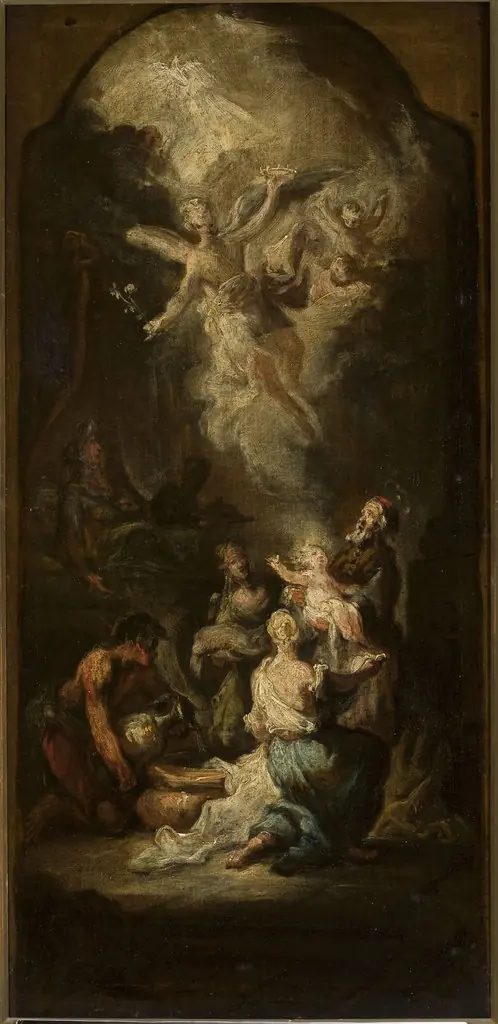 Nativity of St. John
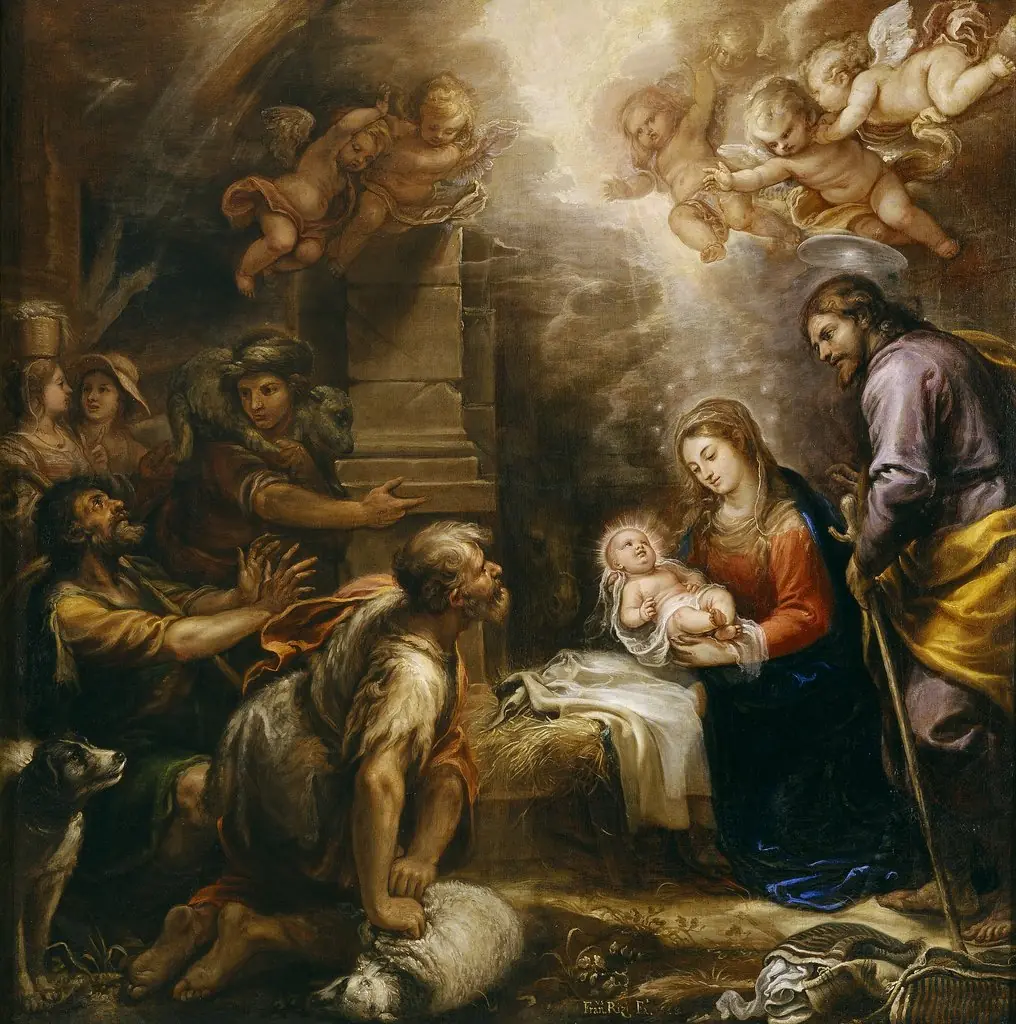 The Adoration of the Shepherds