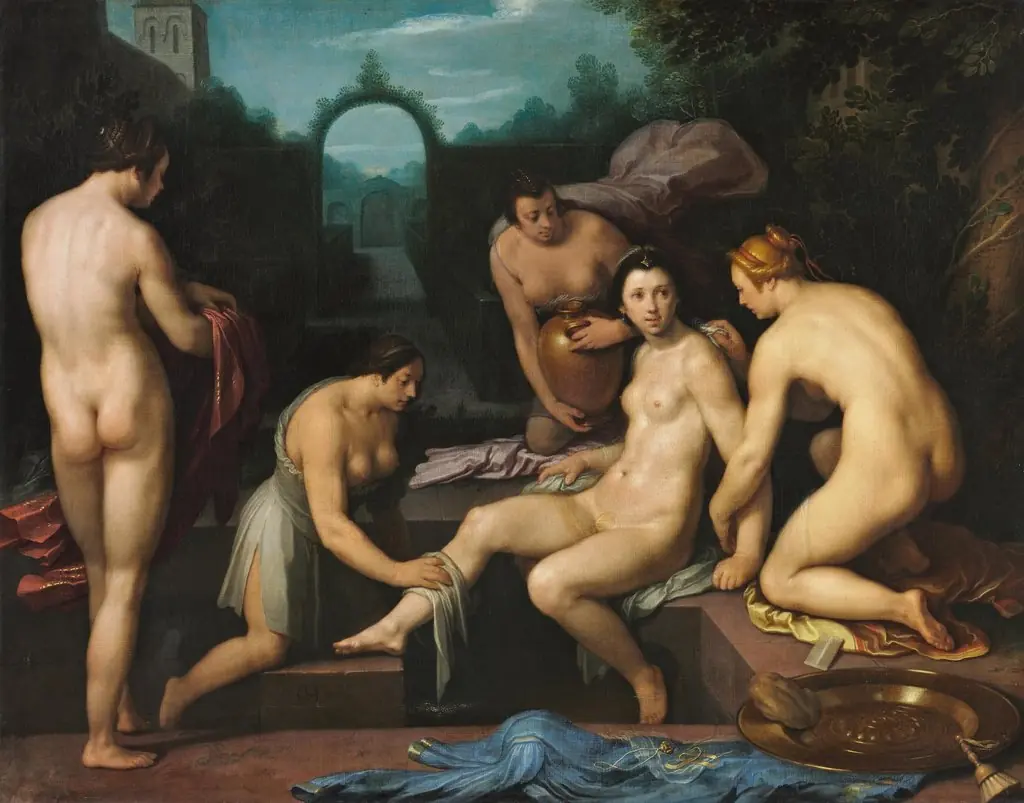
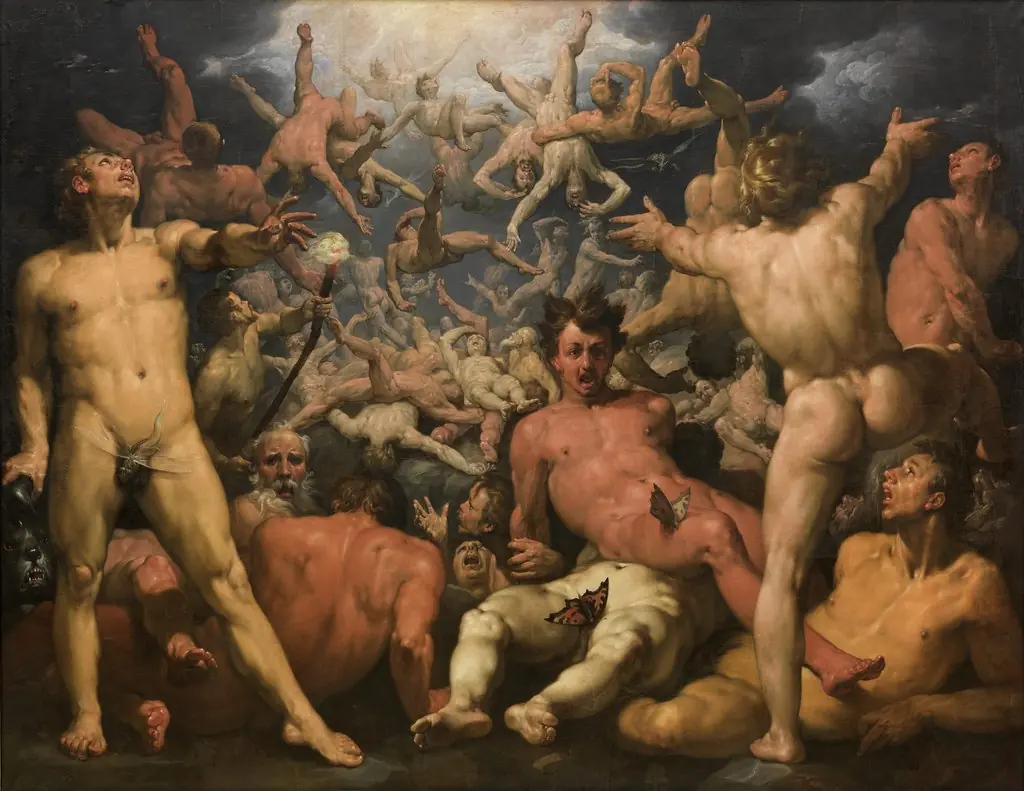
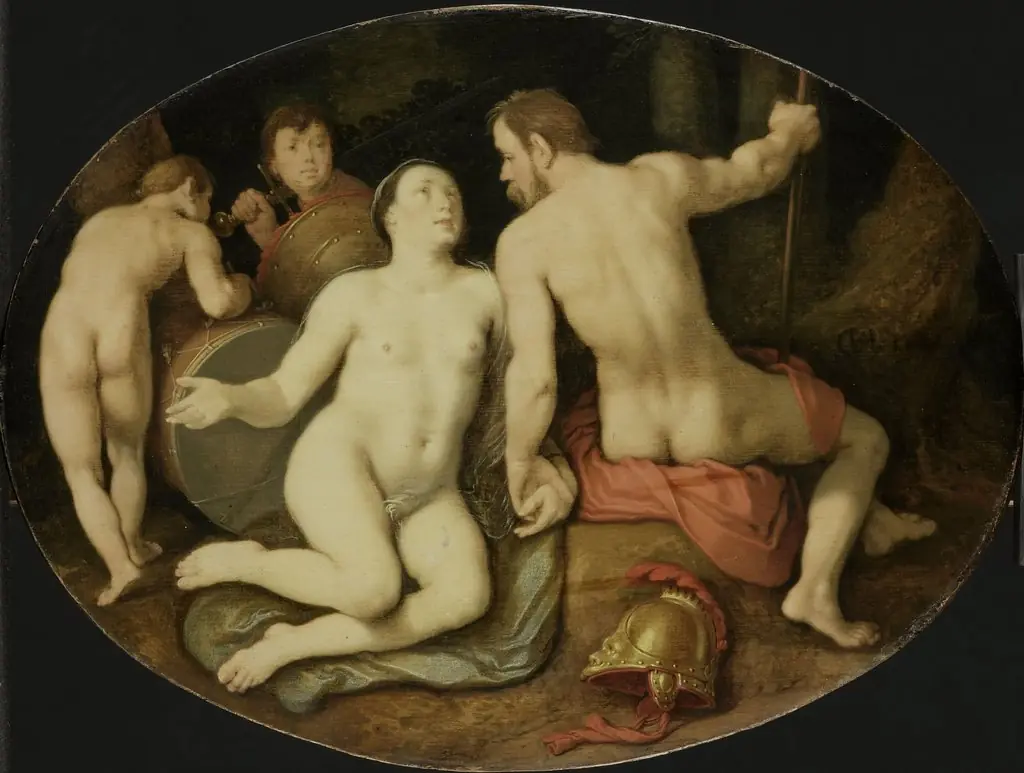
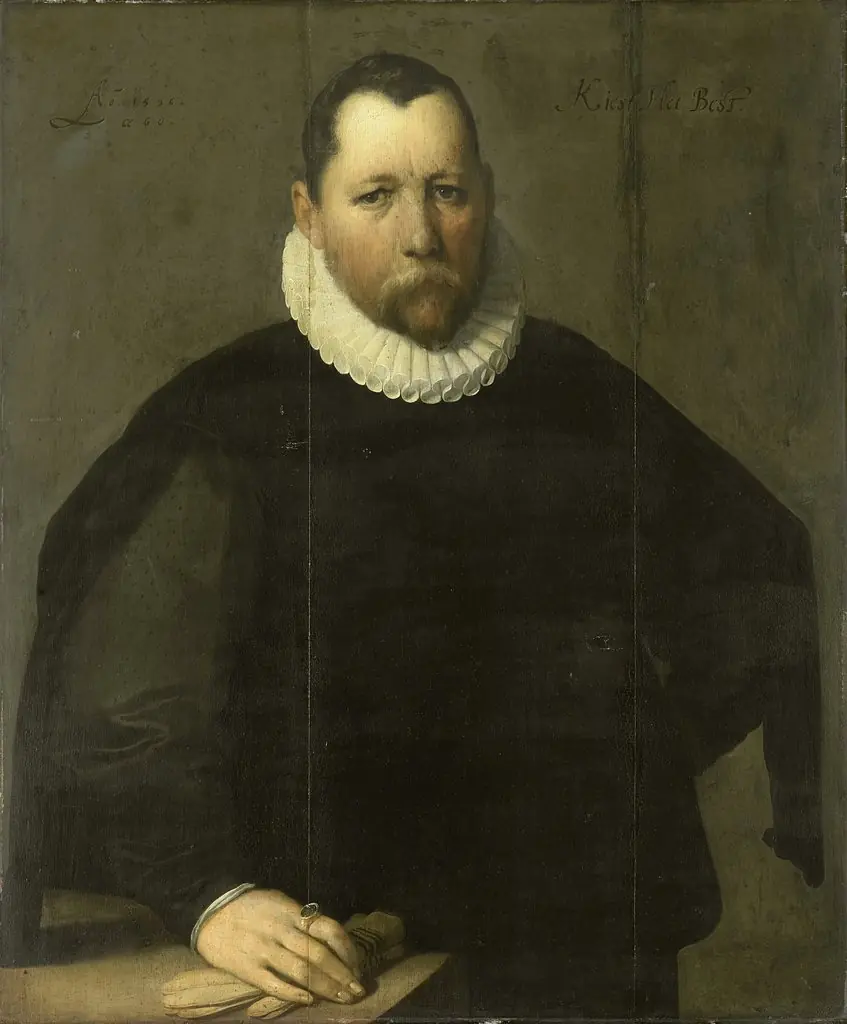
Artwork
Hercules and Achelous (Ovid, Met. 9:1-100)
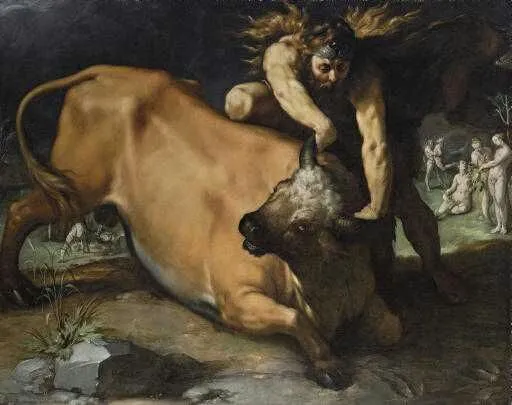
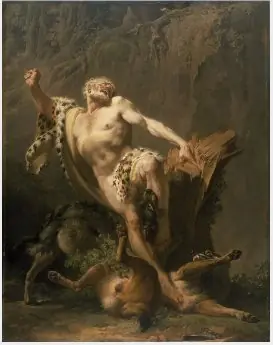
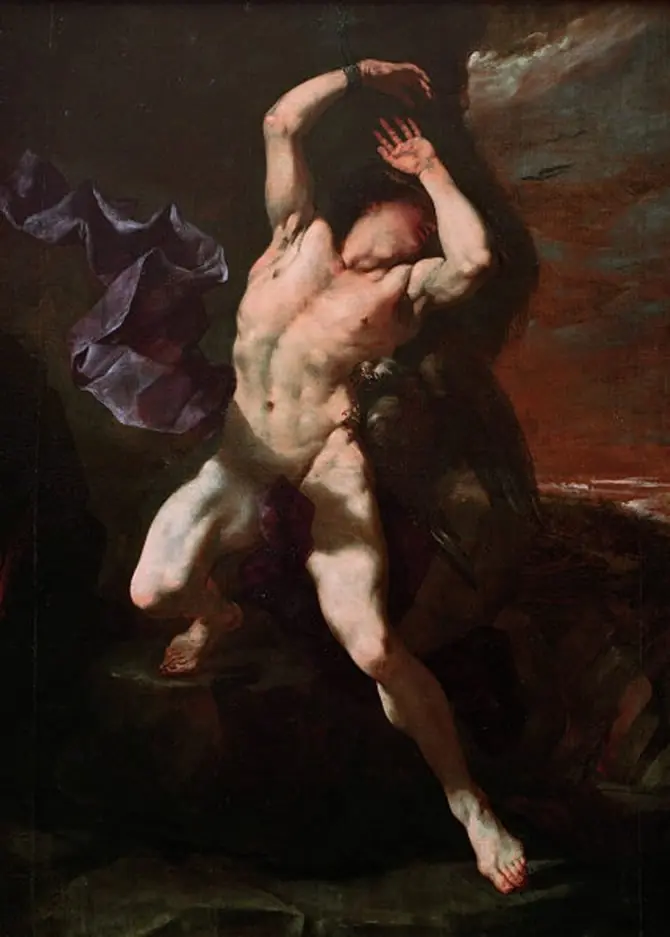
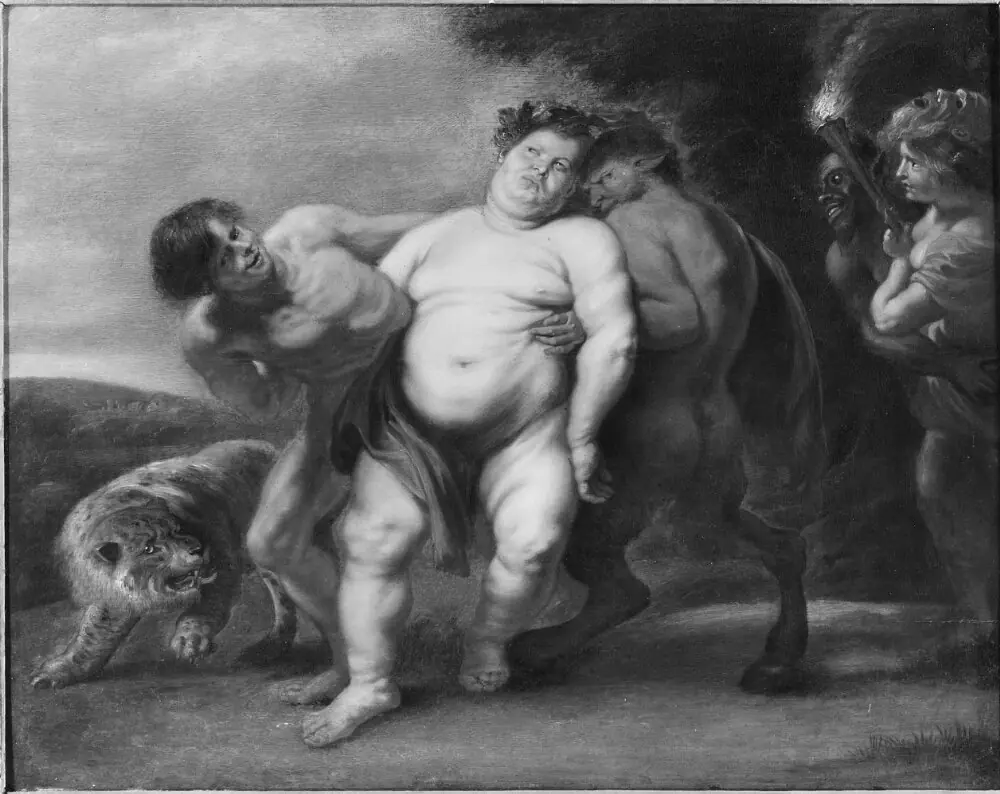
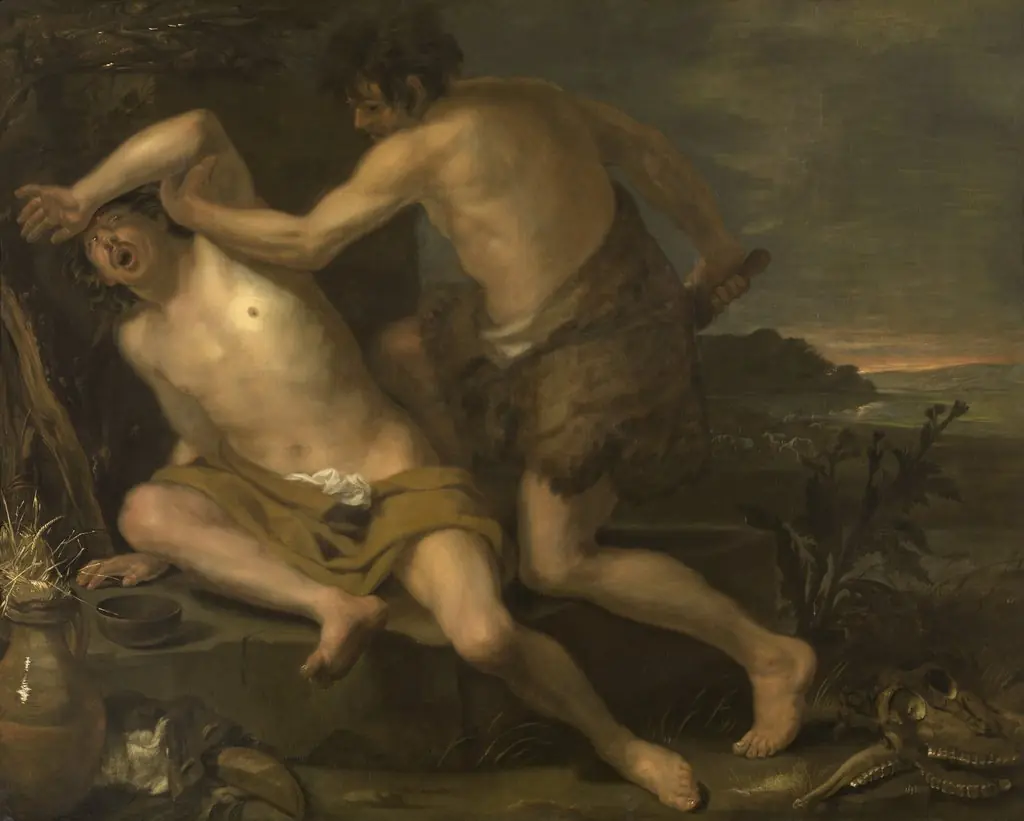
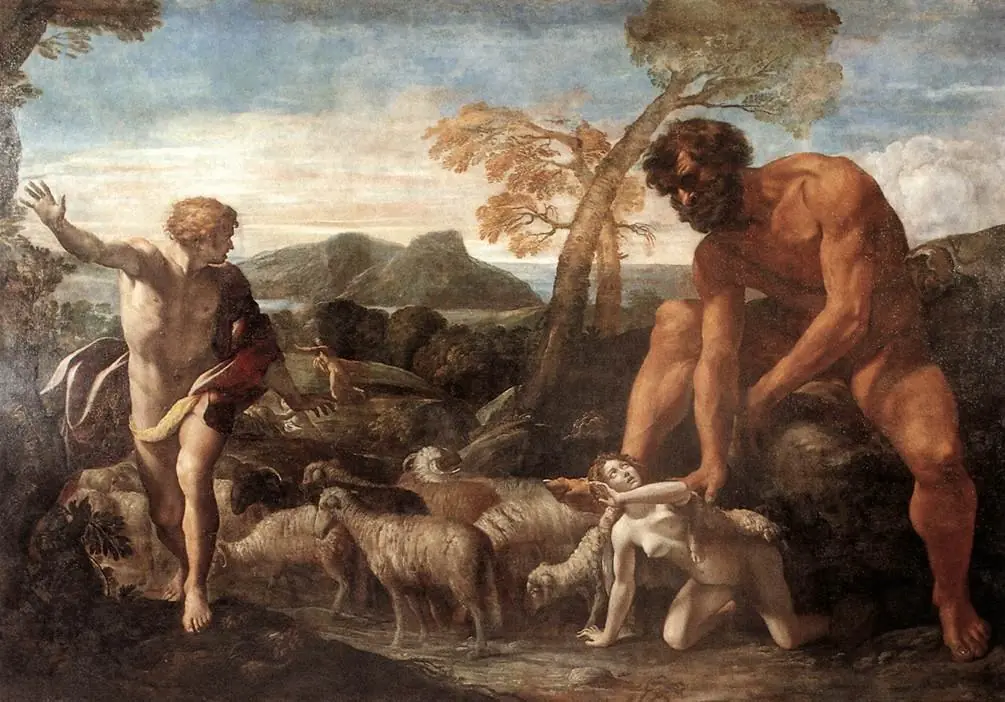
Hercules and Achelous (Ovid, Met. 9:1-100) is an oil painting by the Early Baroque Italian artist Cornelis van Haarlem. It dates from 1596 and is held in the collection of the Gemäldegalerie Berlin.
About this work
Overview
The scene captures the climax of their struggle, rendered with heightened physicality and emotional intensity.
Painted in 1596 by Cornelis van Haarlem, this oil-on-canvas work illustrates a moment from Ovid’s *Metamorphoses* in which Hercules contends with the shape-shifting river god Achelous. The scene captures the climax of their struggle, rendered with heightened physicality and emotional intensity. Van Haarlem, a prominent figure in Northern Mannerism, infused the composition with theatrical movement and muscular tension, aligning his style with broader European trends in mythological narrative painting.
Subject & Meaning
The painting portrays Hercules in combat with Achelous, who has taken the form of a bull to resist the hero’s claim to Deianira’s hand. The myth symbolizes the triumph of mortal strength over elemental forces, with the river god’s eventual transformation into a serpent underscoring themes of change and defeat. Van Haarlem emphasizes the raw physicality of the struggle, focusing on the clash of bodies rather than divine intervention, reflecting a human-centered interpretation of classical myth.
Technique & Style
Van Haarlem employs chiaroscuro to model the figures with dramatic lighting, accentuating the tension in Hercules’ limbs and the bull’s straining musculature. The bodies are rendered with exaggerated proportions and sculptural solidity, characteristic of Northern Mannerism’s fascination with anatomical complexity. Background figures, partially obscured and nude, serve as witnesses, their stillness contrasting with the central turmoil. The brushwork is precise yet energetic, balancing detail with compositional dynamism.
History & Provenance
Completed in 1596, the painting entered the collection of the Gemäldegalerie in Berlin, where it remains today. It reflects Van Haarlem’s mature period, following his exposure to Italian art during travels and his leadership in Haarlem’s artistic community. The work was likely commissioned by a private patron interested in classical themes, consistent with the tastes of Dutch humanist circles in the late 16th century.
Context
In the decades after the Dutch Revolt, Northern artists increasingly turned to classical mythology as a vehicle for intellectual and aesthetic expression. Van Haarlem’s engagement with Ovid’s text aligns with broader humanist currents in the Netherlands, where mythological subjects offered a means to explore virtue, power, and transformation without overt religious symbolism. His style bridges Mannerist elegance and the emerging Baroque emphasis on movement and drama.
Legacy
Though less widely known than his Italian contemporaries, Van Haarlem’s *Hercules and Achelous* exemplifies how Northern painters adapted classical narratives with distinctive physicality and emotional force. The painting influenced later Dutch mythological scenes by demonstrating how dramatic composition and anatomical precision could convey mythic weight. It remains a key example of late 16th-century Dutch engagement with Italian artistic ideals.
Artist & collection
Artist
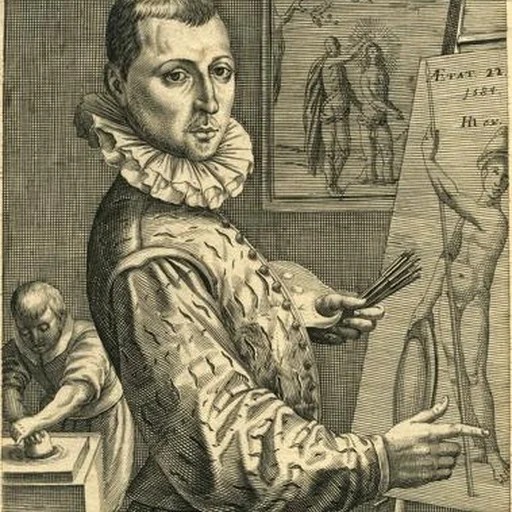
Cornelis Corneliszoon van Haarlem (Dutch: ; 1562 – 11 November 1638) was a Dutch Golden Age painter and draughtsman, one of the leading Northern Mannerist artists in the Netherlands, and an important forerunner of Frans Hals as a…