Artwork
Norandino and Lucina Discovered by the Ogre
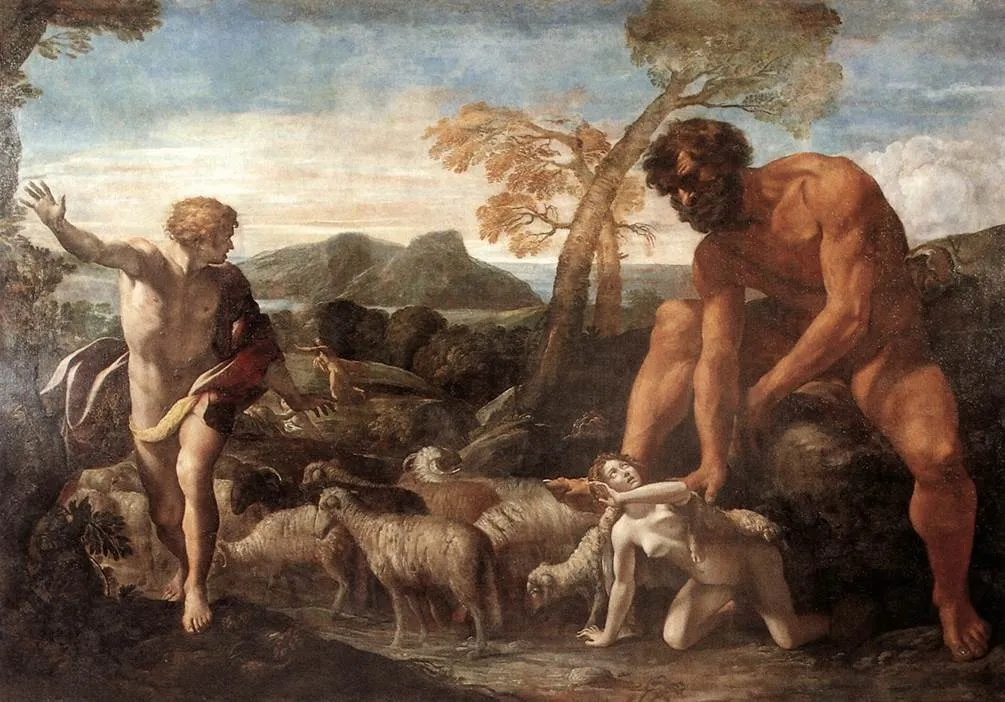
Norandino and Lucina Discovered by the Ogre is an oil painting by the Early Baroque Italian artist Giovanni Lanfranco. It dates from 1624 and is held in the collection of the Galleria Borghese.
About this work
Overview
Giovanni Lanfranco, a prominent Bolognese painter of the early Baroque, completed the oil painting *Norandino and Lucina Discovered by the Ogre* in 1624. The work is part of the Galleria Borghese collection and exemplifies the period’s blend of dynamic composition and dramatic lighting.
Subject & Meaning
The canvas presents a mythic encounter: the hero Norandio, shown nude with a cloth over his shoulder, reaches toward a kneeling woman clutching a sheep, while a smaller, fair‑haired figure in a red tunic holds a yellow cloth. An ogre and a herd of animals loom in the background, suggesting a narrative of discovery and confrontation.
Technique & Style
Lanfranco employs strong chiaroscuro to model the figures, creating depth through contrasts of light and shadow. The composition is lively, with the hero’s bent right leg and extended left leg generating a sense of movement, while the natural landscape of trees, hills and water recedes behind the central drama.
History & Provenance
Painted in 1624, the work reflects Lanfranco’s training under Annibale Carracci and his adoption of classicist ideals within a Baroque framework. It entered the Galleria Borghese collection, where it remains on display as part of the museum’s holdings of early 17th‑century Italian painting.
Artist & collection
Artist
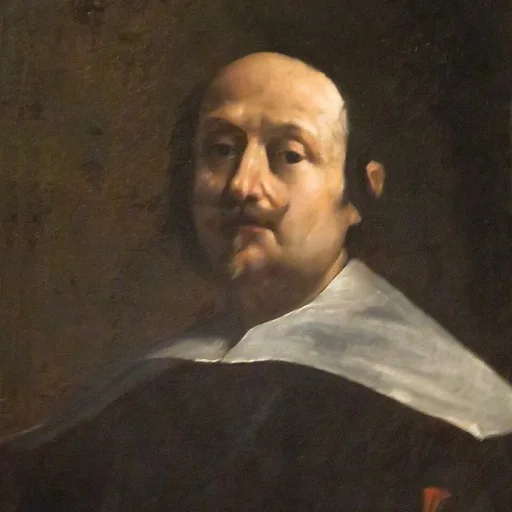
Giovanni Lanfranco (26 January 1582 – 30 November 1647) was an Italian Baroque painter. He was a distinguished artist of the Bolognese school, deeply influenced by Annibale Carracci's’ classicism.

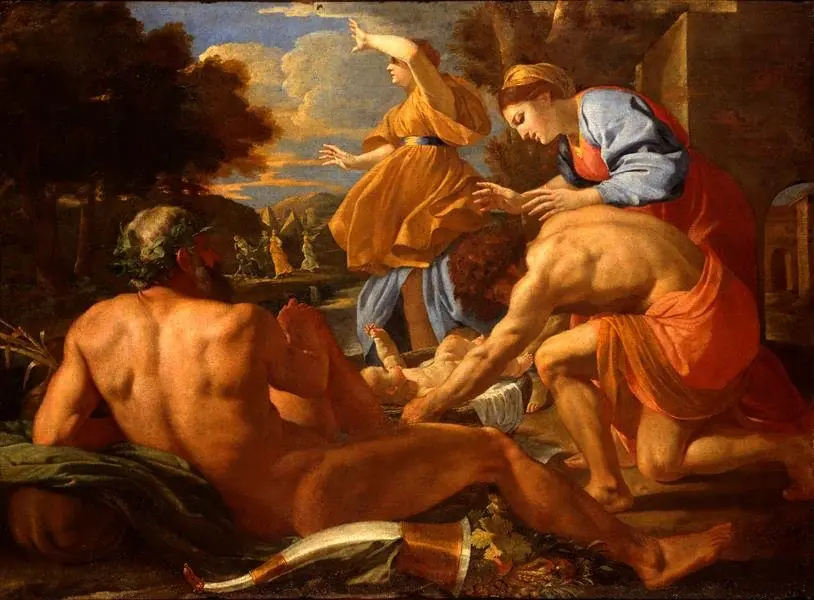 The Exposition of Moses
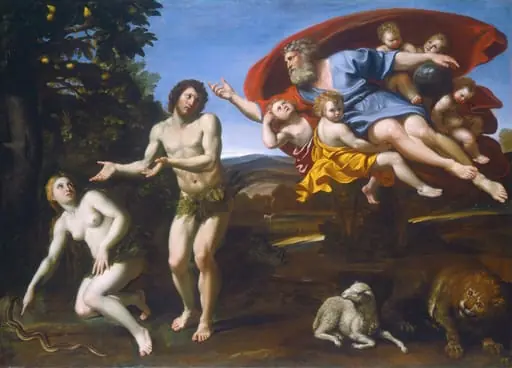 The Rebuke of Adam and Eve
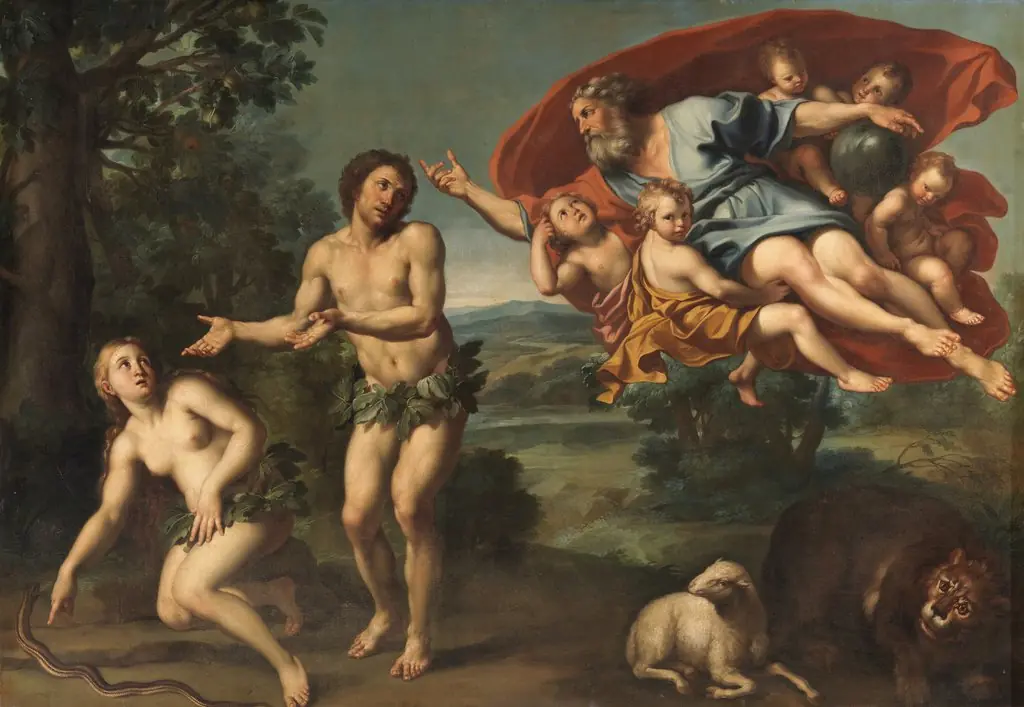 The Expulsion of Adam and Eve
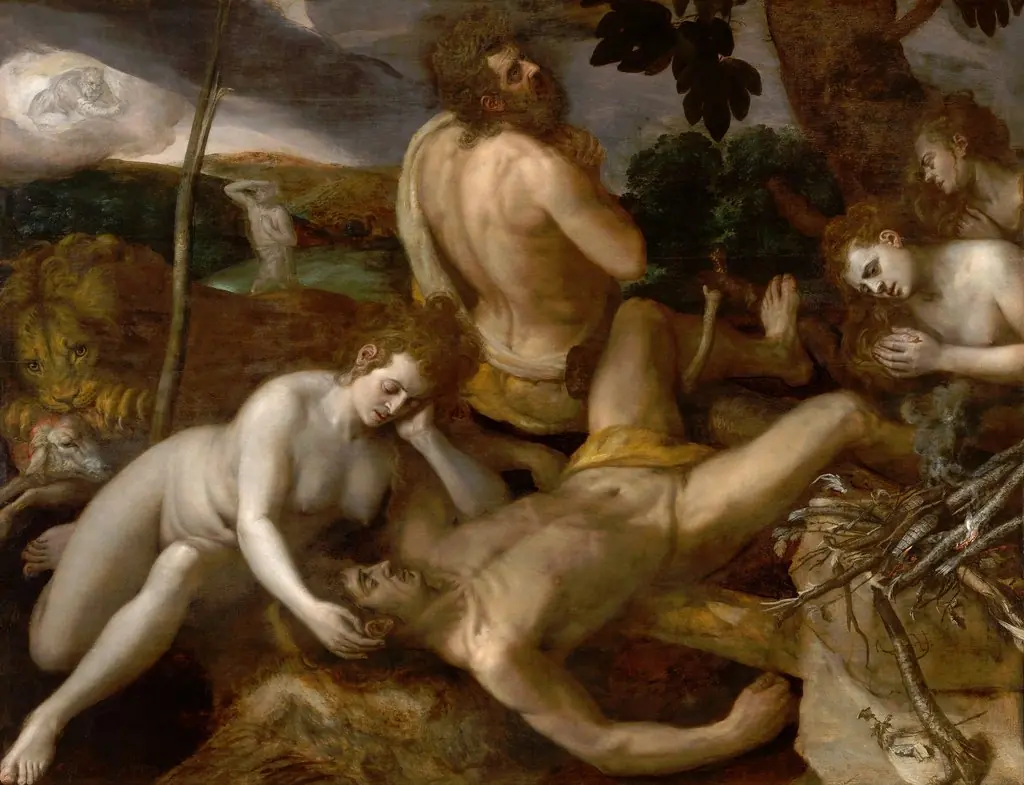 Adam and Eve grieve over the Dead Body of Abel
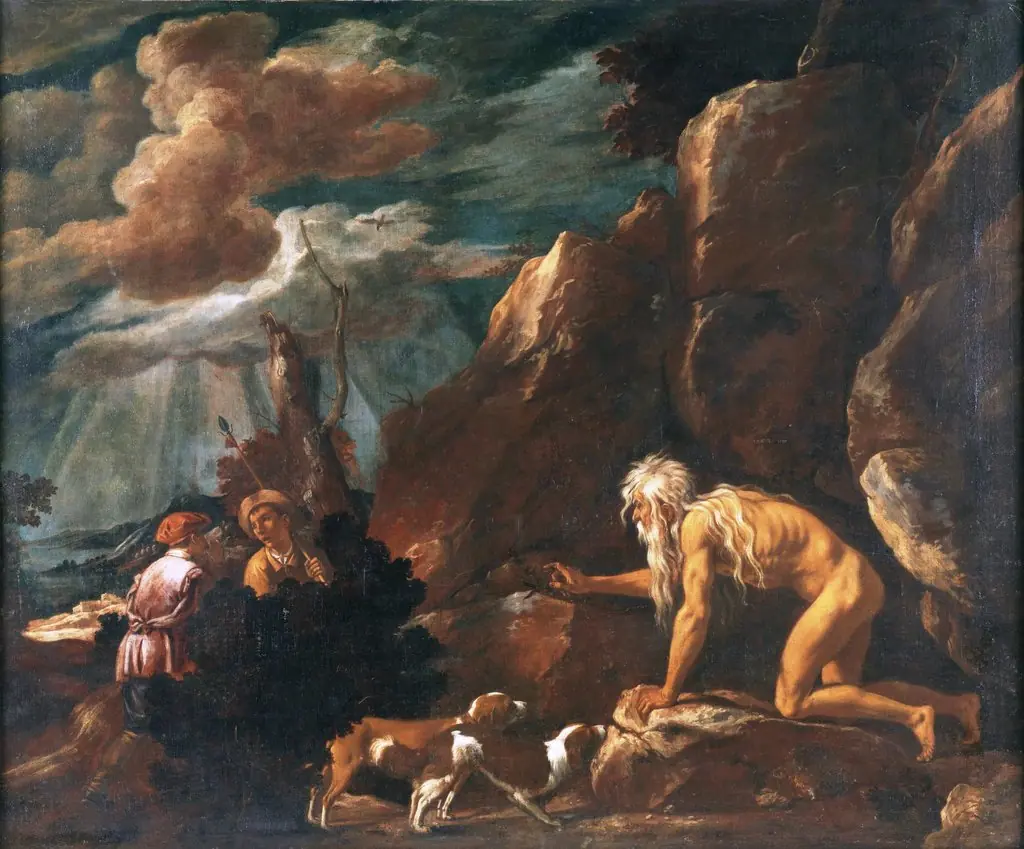 Saint John Chrysostom
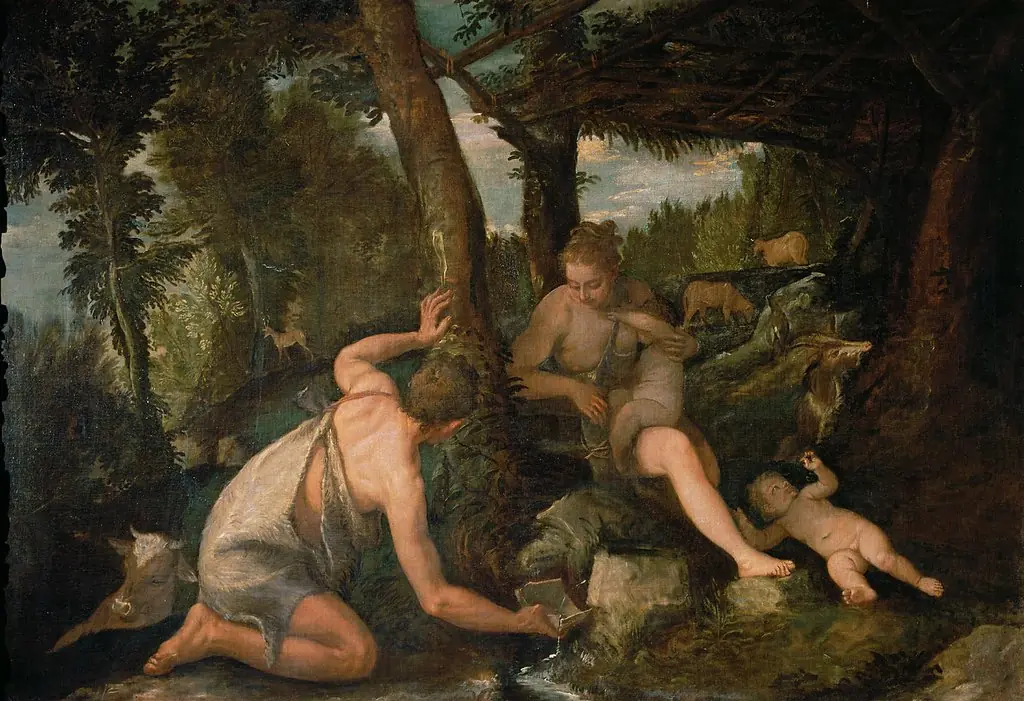 Adam and Eve after the Expulsion from Paradise
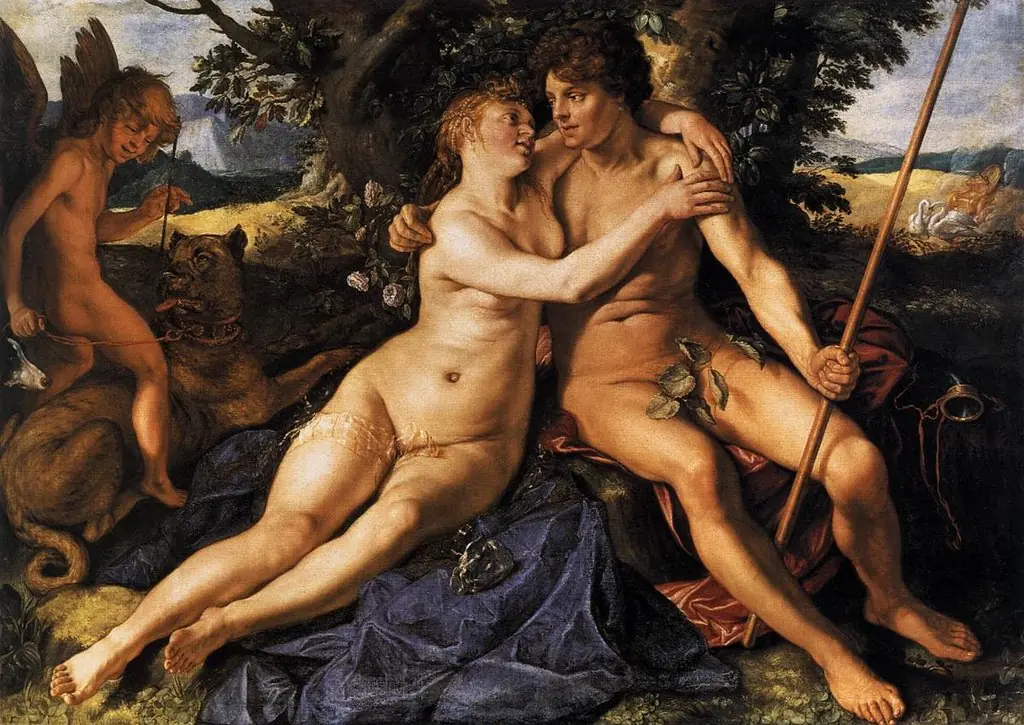 Venus and Adonis
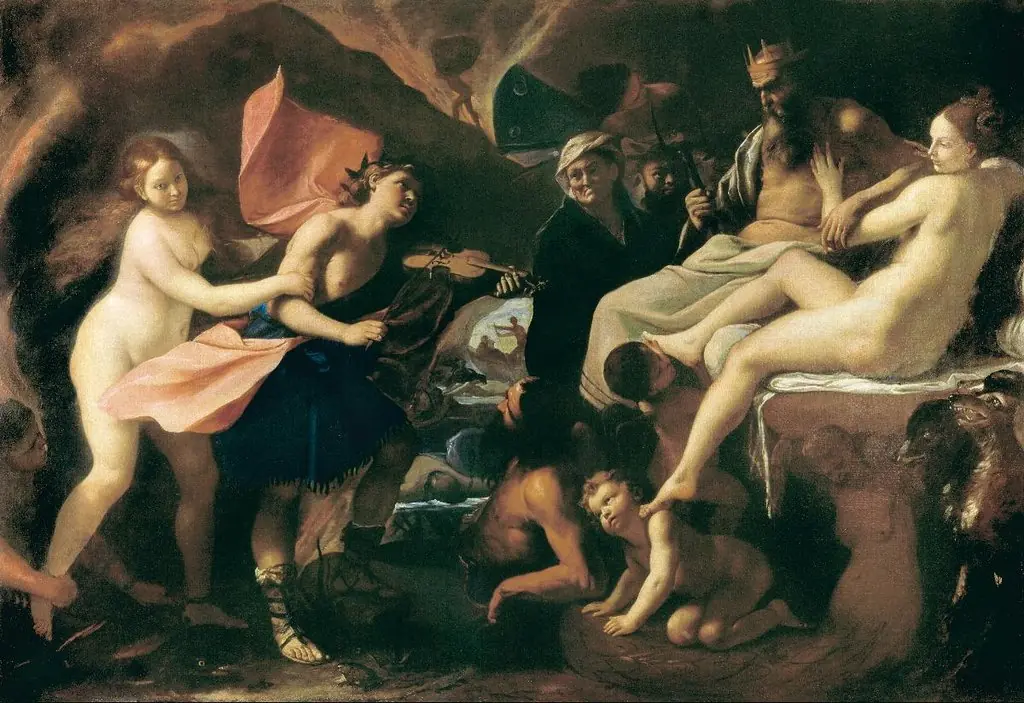 Orfeo nell’ade
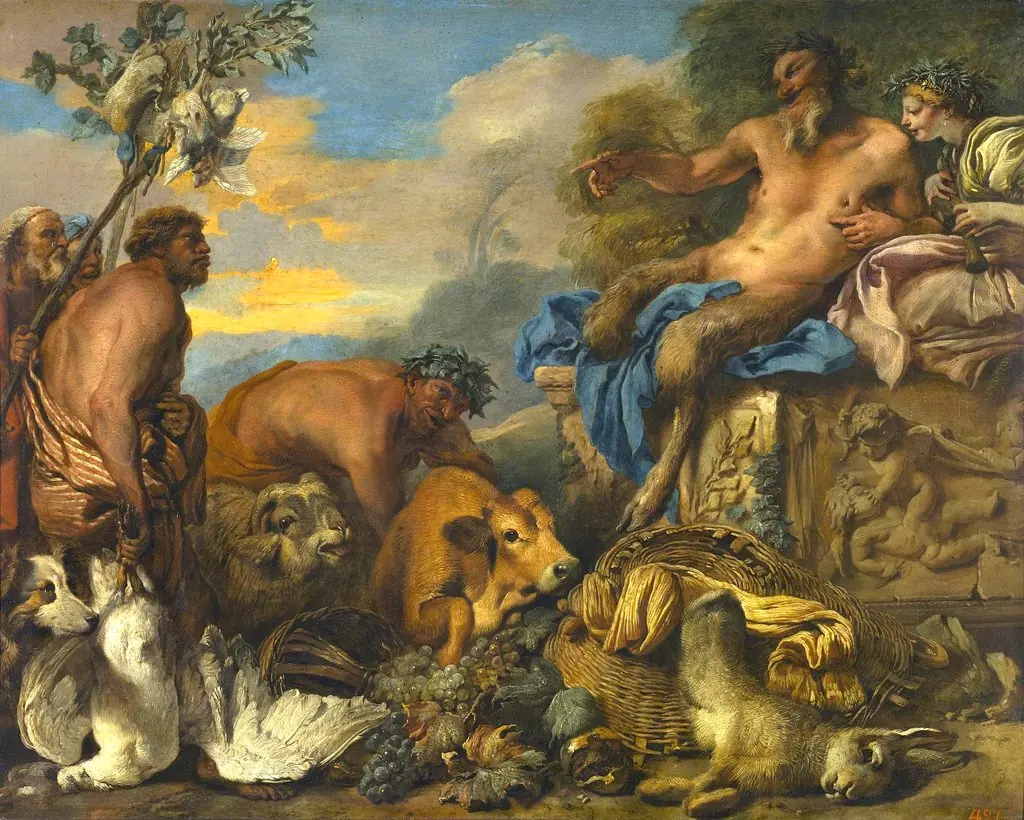 Satyrs Bringing their Gifts
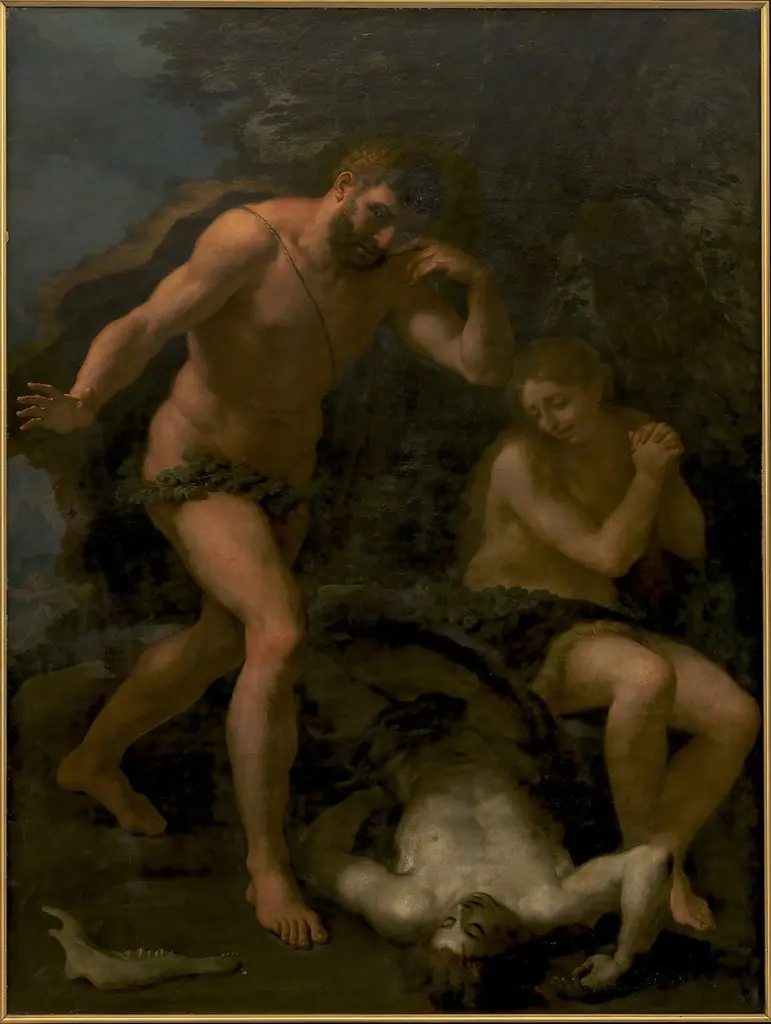 Adam and Eve Lamenting over the Body of Abel
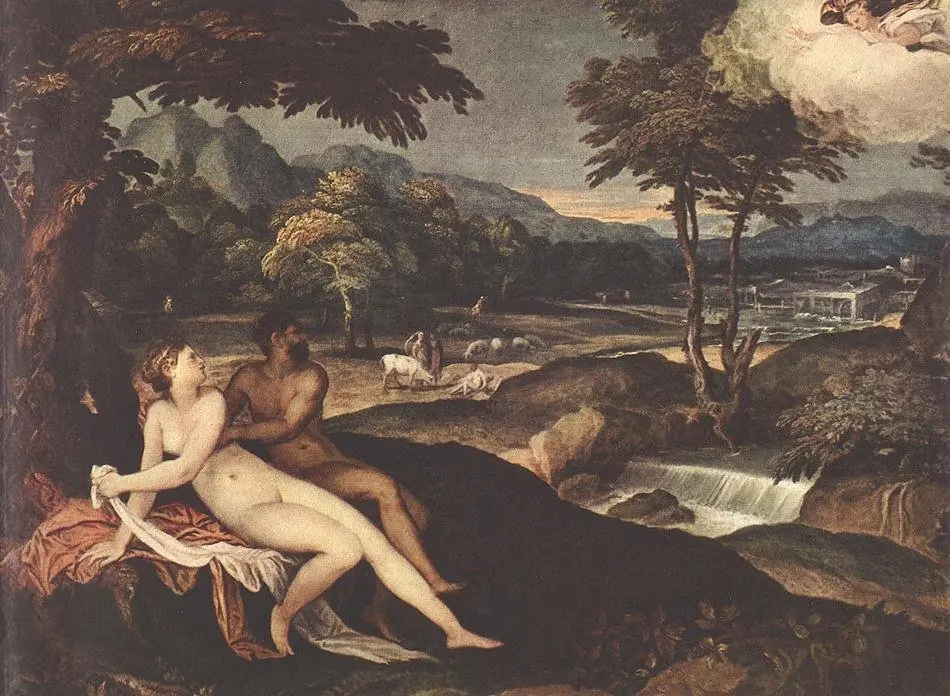 Landscape with Jupiter and Io
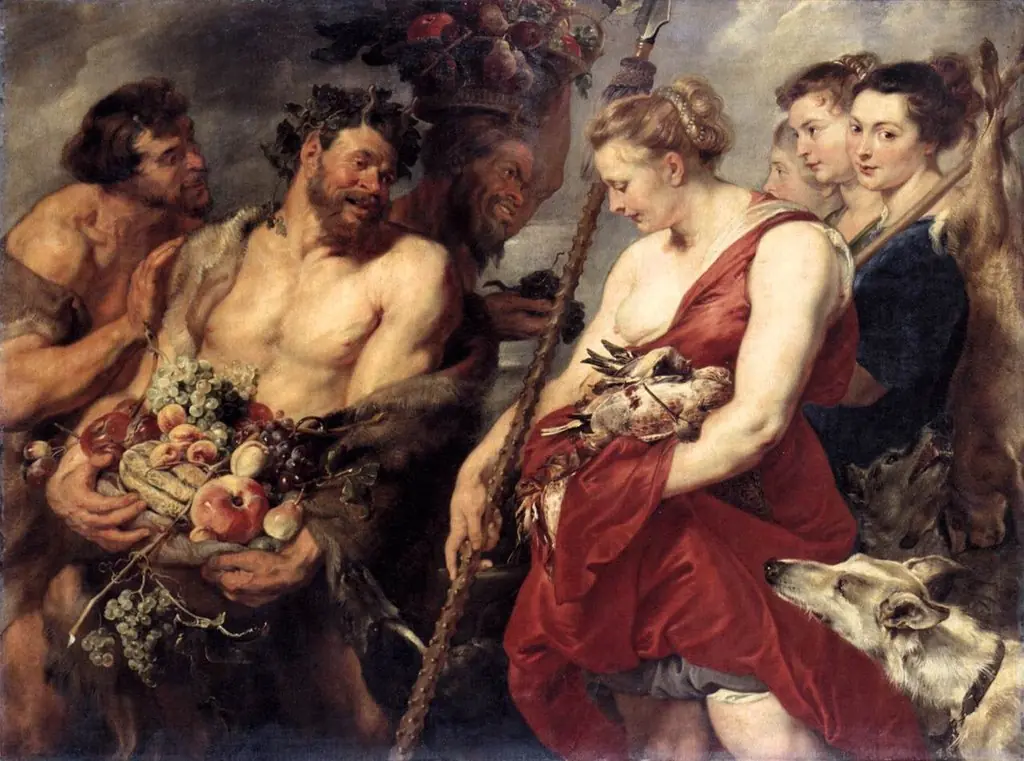 Diana returning from the Hunt