Artwork
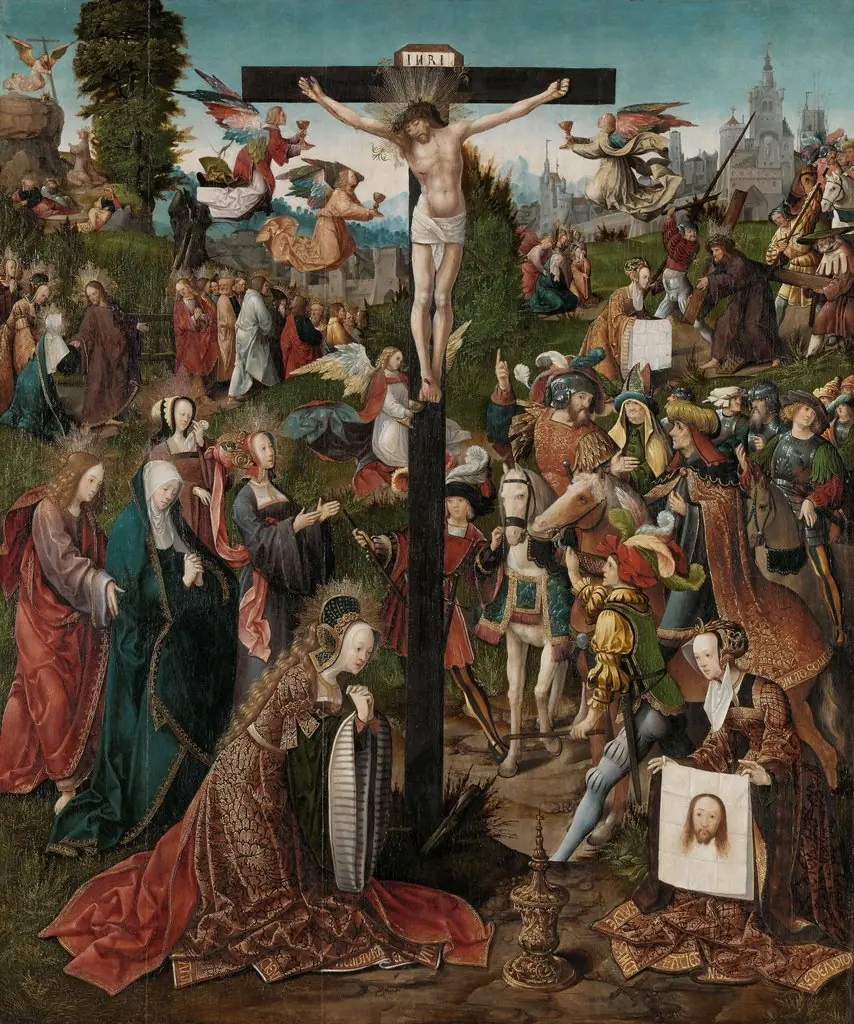
The Crucifixion
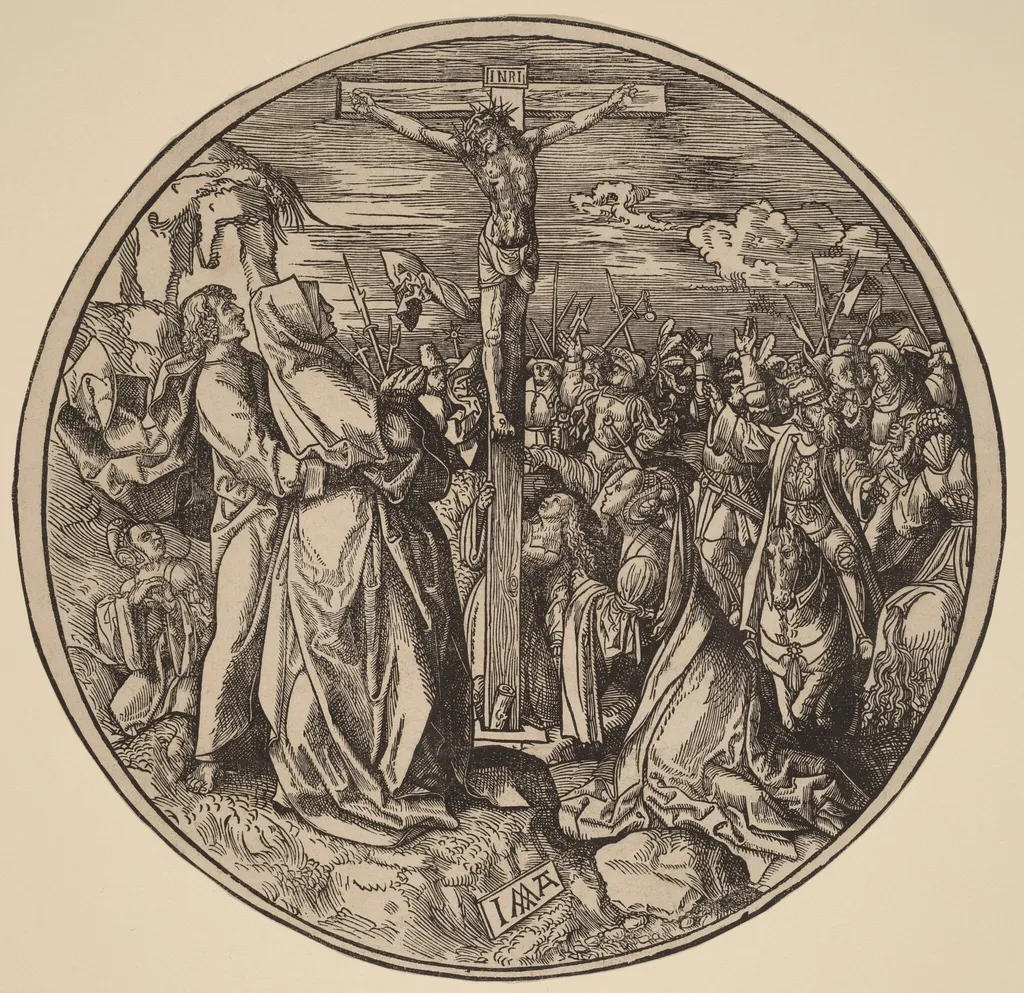
The Crucifixion is an ink print by the Renaissance artist Jacob Cornelisz van Oostsanen. It dates from 1514 and is held in the collection of the National Gallery of Art.
About this work
Overview
Created in 1514, *The Crucifixion* is a woodcut on laid paper by Jacob Cornelisz van Oostsanen, one of the earliest notable artists active in Amsterdam.
Created in 1514, *The Crucifixion* is a woodcut on laid paper by Jacob Cornelisz van Oostsanen, one of the earliest notable artists active in Amsterdam. At a time when the city was emerging as a commercial hub, van Oostsanen helped establish a local tradition of printmaking. This work exemplifies his dual expertise in painting and graphic arts, using the woodcut medium to convey complex religious narratives with precision and emotional weight.
Subject & Meaning
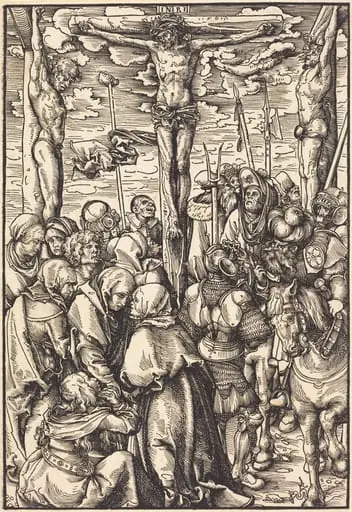
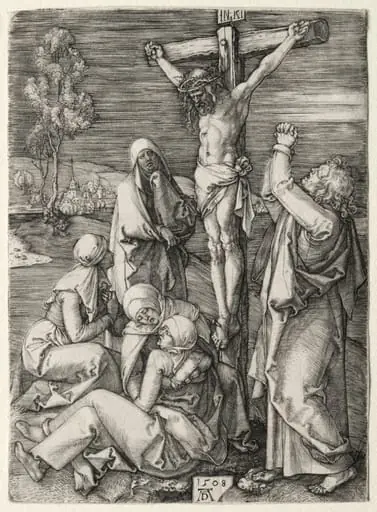
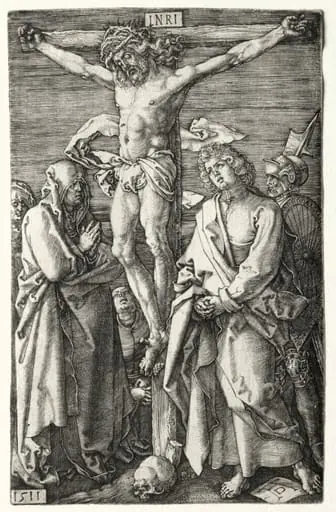
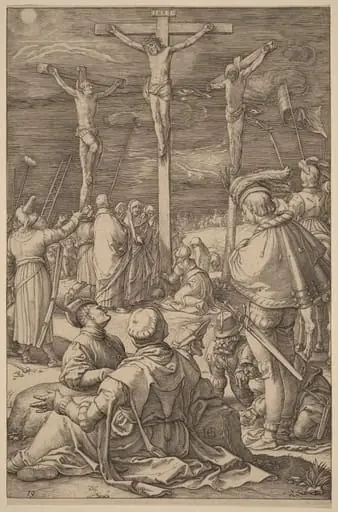
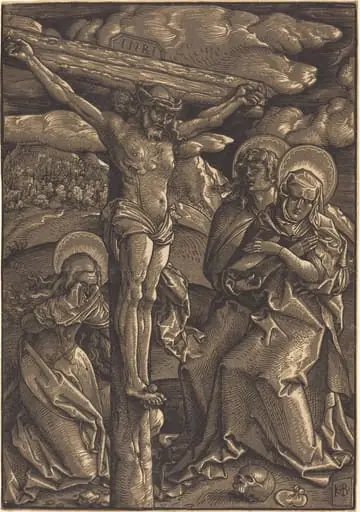
The scene centers on Christ’s crucifixion, surrounded by a dense assembly of mourners, soldiers, and onlookers. Figures are arranged in varying postures—kneeling, gazing upward, or standing in silent witness—emphasizing the communal response to the event. The storm-lit sky and tightly packed composition heighten the sense of solemnity and divine drama, reflecting devotional themes common in early 16th-century Northern European religious art.
Technique & Style
Van Oostsanen employed fine, sharp lines to carve intricate details into the woodblock, allowing for dense figural groupings and textured surfaces. The contrast between the dark, turbulent sky and the sharply defined human forms creates visual tension. The use of laid paper, with its subtle chain lines, enhances the print’s tactile quality, while the compositional density reveals the artist’s skill in managing spatial complexity within the constraints of the woodcut medium.
History & Provenance
The print was produced during a period of growing demand for religious imagery in the Low Countries, before the Reformation reshaped artistic patronage. Van Oostsanen’s workshop in Amsterdam likely produced multiple impressions for private devotion and ecclesiastical use. While specific early ownership records are sparse, surviving examples in institutional collections suggest the work circulated widely among northern European collectors and religious communities.
Context
In early 1500s Amsterdam, artistic production was transitioning from regional guild traditions toward more individualized practice. Van Oostsanen’s work reflects influences from both Dutch and German printmakers, particularly in his use of linear detail and emotional intensity. His woodcuts helped bridge the gap between manuscript illumination and the emerging mass-produced image, contributing to the city’s growing reputation as a center for print.
Legacy
Van Oostsanen’s *The Crucifixion* stands as an early example of Amsterdam’s engagement with printmaking as a serious artistic medium. His ability to convey narrative depth and emotional gravity through woodcut influenced subsequent generations of Dutch graphic artists. Though later overshadowed by figures like Rembrandt, his work laid foundational techniques and compositional approaches that would become central to Northern European print traditions.
Artist & collection
Artist
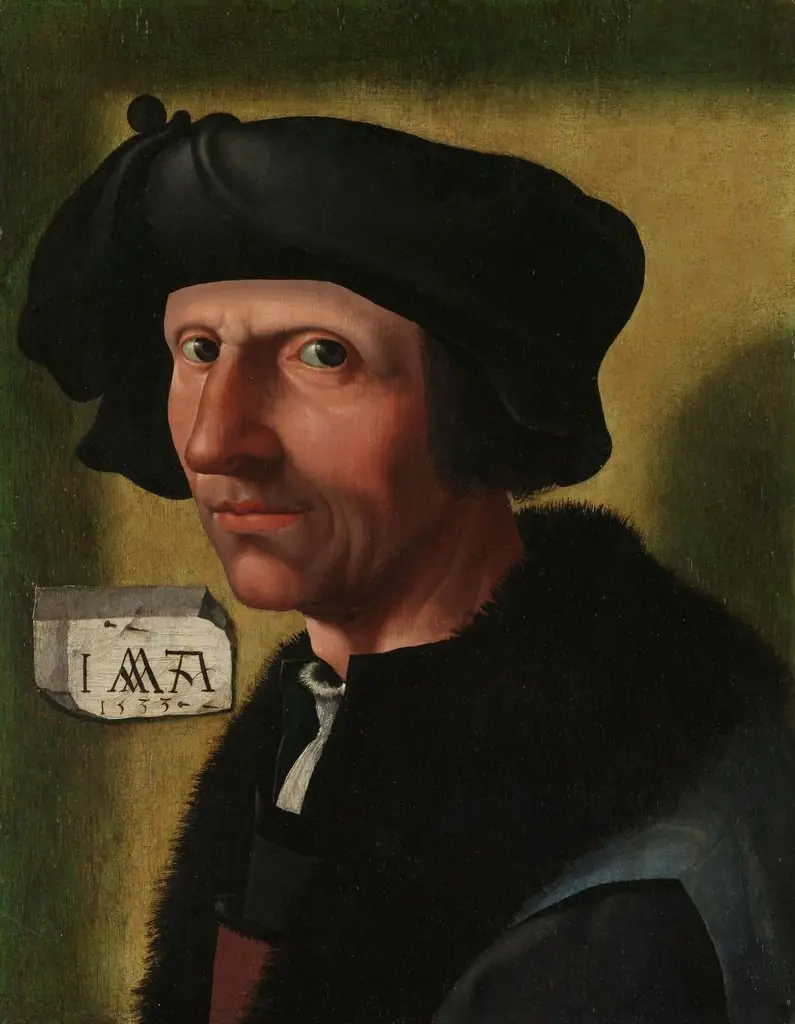
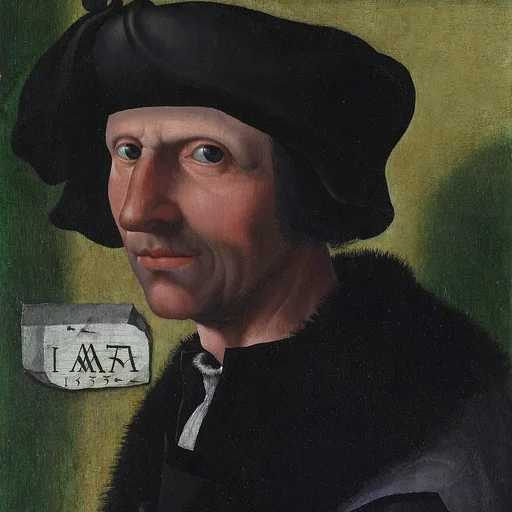
Jacob Cornelisz van Oostsanen (before 1470 – 1533) was a Northern Netherlandish designer of woodcuts and painter.