Artwork
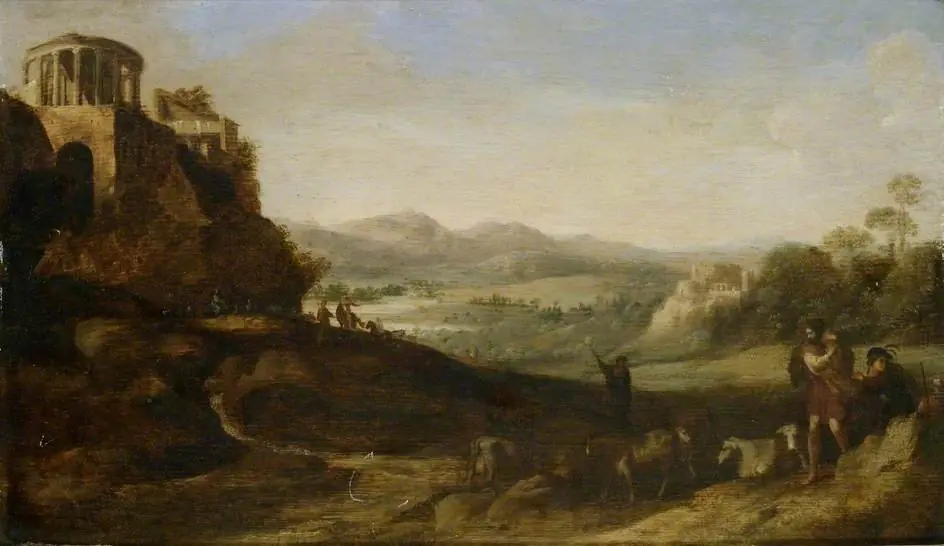
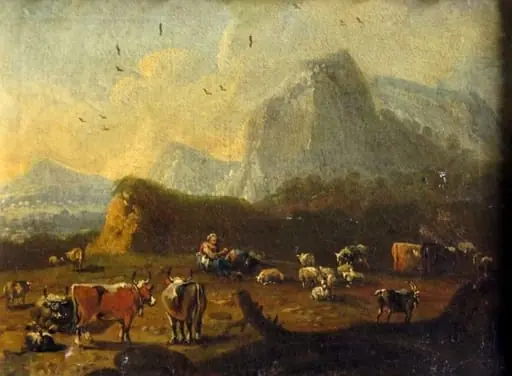
Landscape with herdsman and flocks
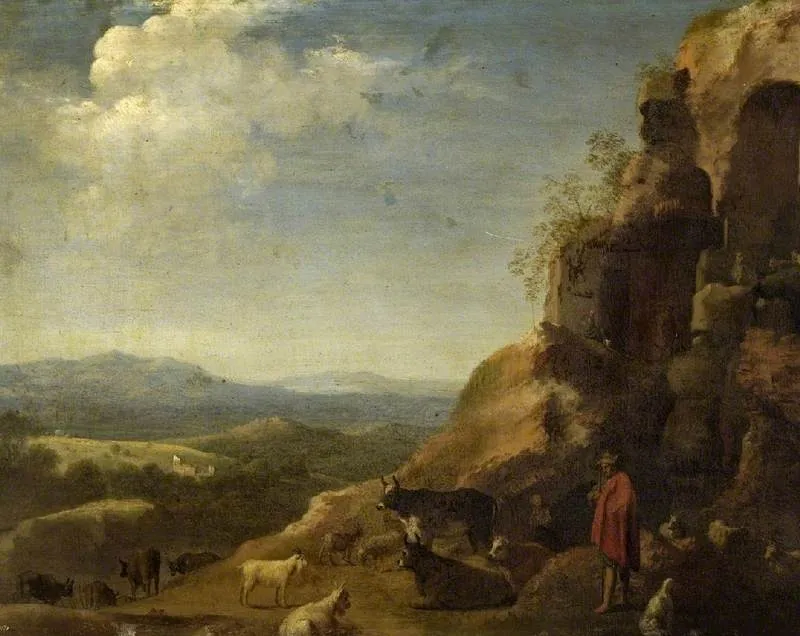
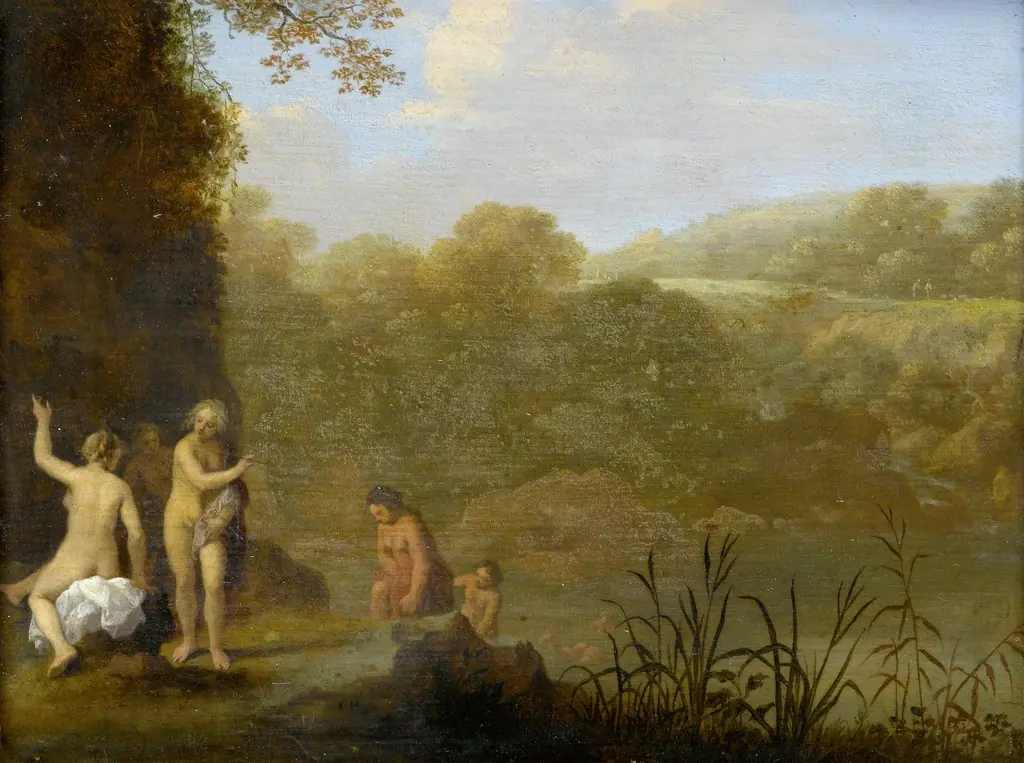
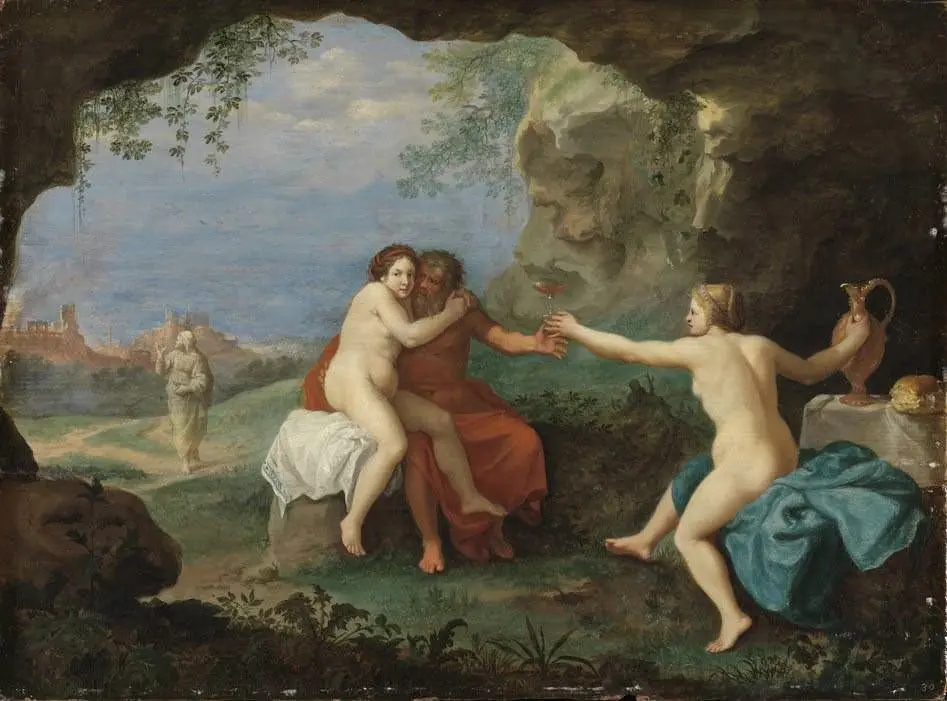
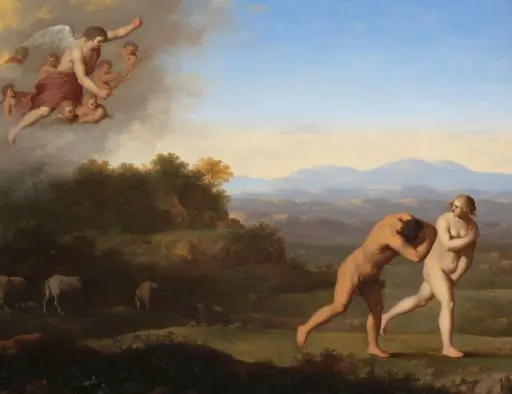
Landscape with herdsman and flocks is an oil painting by Cornelius van Poelenburgh. It is held in the collection of the Fitzwilliam Museum.
About this work
Overview
The work’s intimate scale and polished surface reflect the technical preferences of artists working in this genre during the early Baroque period.
This small copper painting, dated around 1700, is attributed to Cornelius van Poelenburgh, a Dutch artist who spent much of his career in Rome. It exemplifies the Dutch Italianate tradition, in which Northern European painters rendered idealized views of the Italian countryside. The work’s intimate scale and polished surface reflect the technical preferences of artists working in this genre during the early Baroque period.
Subject & Meaning
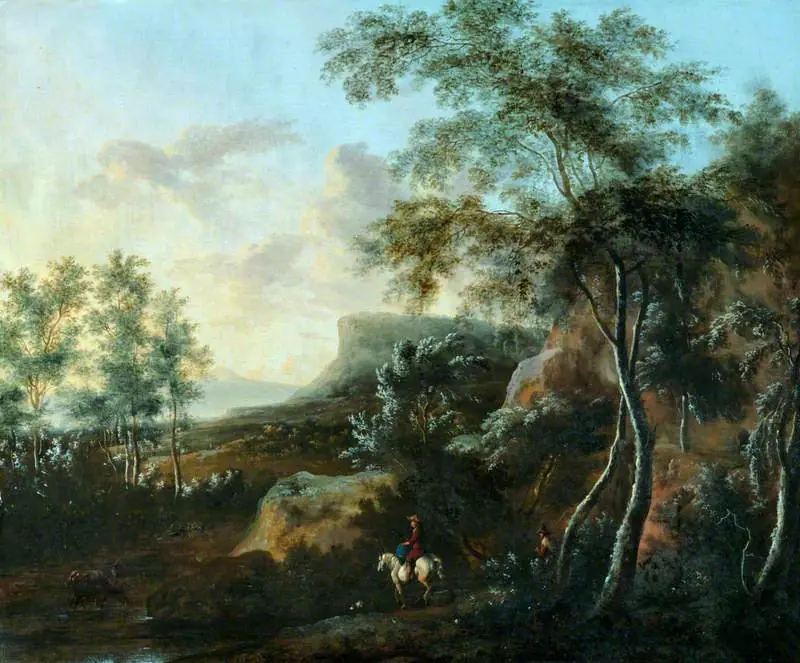
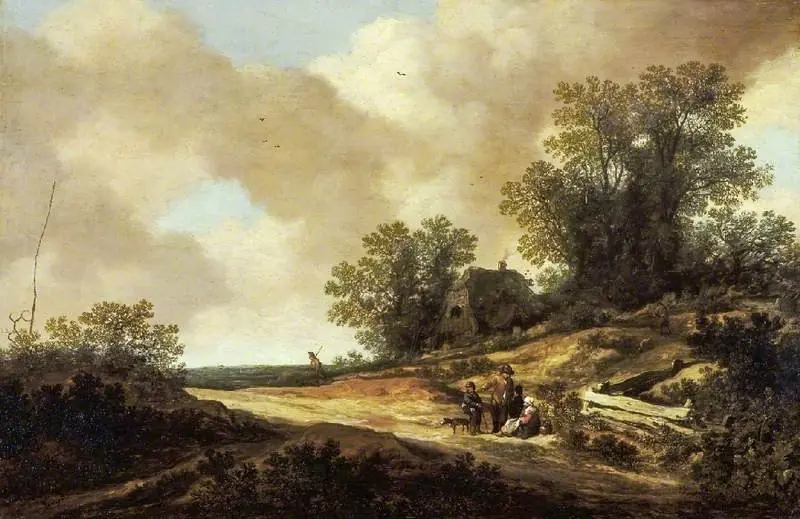
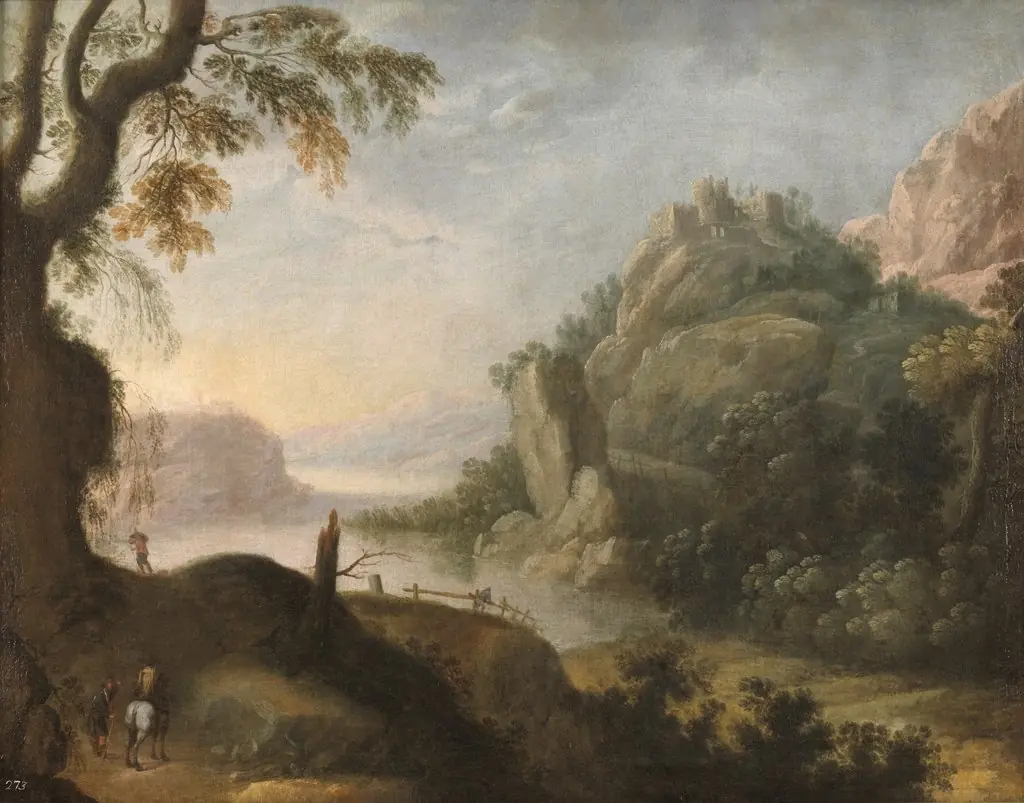
The scene portrays a solitary herdsman in a red coat tending his flocks amid gentle hills and distant mountains. Figures are rendered with quiet dignity, neither heroic nor pastoral in an exaggerated sense. The composition suggests a harmonious coexistence between human labor and the natural world, without overt narrative or allegory. The stillness of the moment invites contemplation rather than storytelling.
Technique & Style
Van Poelenburgh employed fine brushwork on a copper support to achieve a smooth, luminous finish. His use of muted earth tones and subtle gradations of light creates atmospheric depth. The placement of the herdsman on the right edge guides the viewer’s gaze into the landscape, while the soft modeling of forms reflects an interest in chiaroscuro, though applied with restraint compared to his Italian contemporaries.
History & Provenance
The painting entered the collection of the Fitzwilliam Museum in Cambridge, where it remains today. While its early ownership is undocumented, its attribution to van Poelenburgh aligns with stylistic patterns seen in his authenticated works. The copper support and compact format are consistent with paintings produced for private collectors in the Netherlands who favored portable, refined landscapes.
Context
During the early 17th century, Dutch artists traveling to Italy brought back impressions of its ruins, light, and topography, reimagining them through a Northern lens. Van Poelenburgh was among those who synthesized classical ruins and Roman countryside with contemporary figures, creating landscapes that appealed to patrons seeking both exoticism and familiarity. This work reflects that cultural exchange without overt romanticism.
Legacy
Van Poelenburgh’s influence extended to later Dutch and Flemish landscape painters who adopted his compact compositions and refined technique. Though less celebrated than some contemporaries, his work contributed to the development of the Italianate landscape as a distinct genre. His careful balance of naturalism and idealization helped shape how Northern Europeans visualized the Italian countryside for generations.
Artist & collection
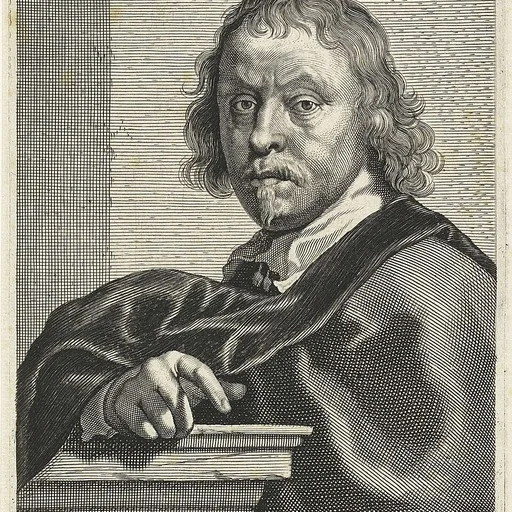
Artist
Cornelis van Poelenburgh or Cornelis van Poelenburch (1594 – 12 August 1667), was a Dutch landscape painter and draughtsman.