Artwork
Thatching at Cavendish
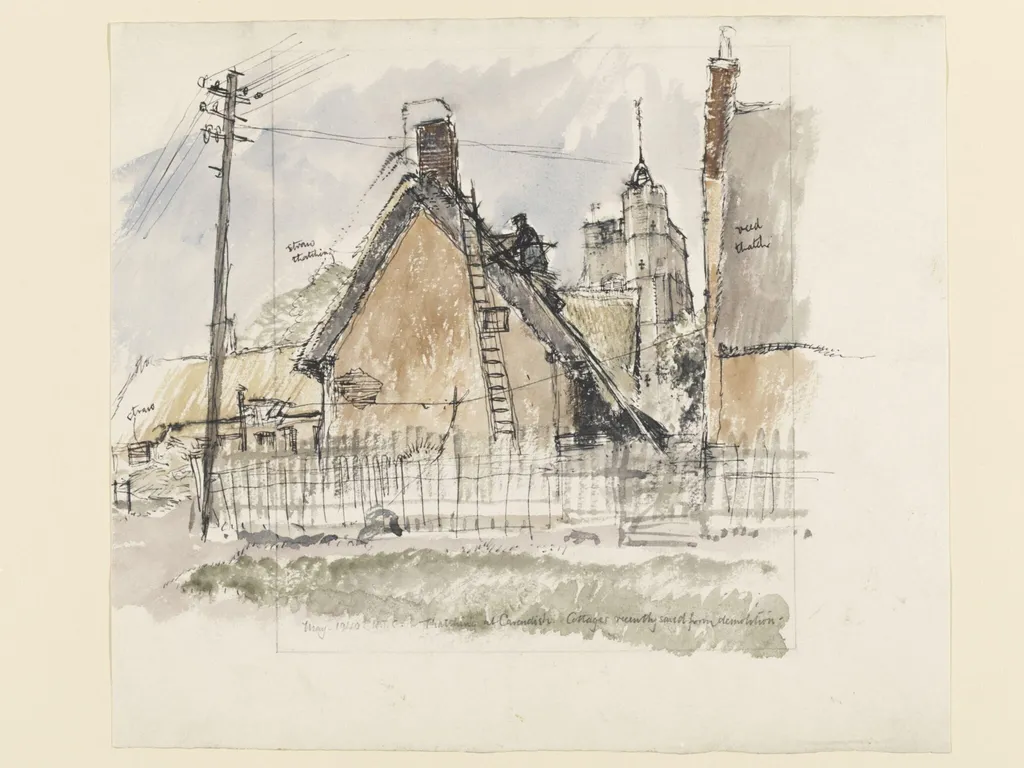
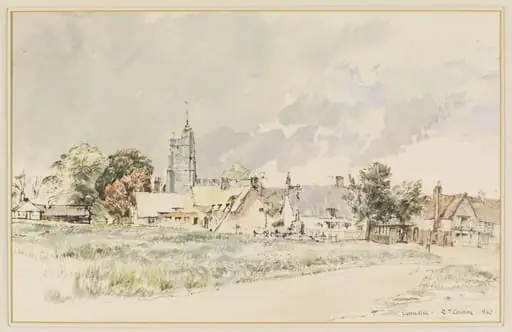
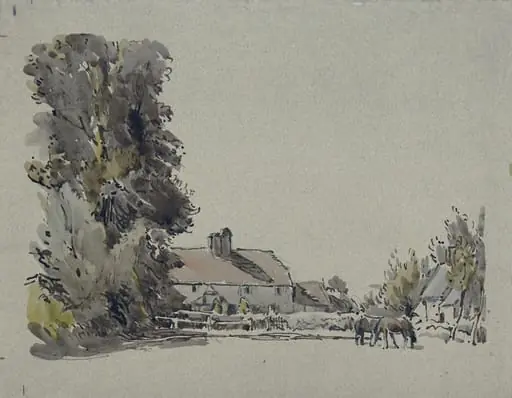
Thatching at Cavendish is a watercolor work on paper by the Social Realist artist Raymond Teague Cowern. It dates from 1940 and is held in the collection of the Victoria and Albert Museum.
About this work
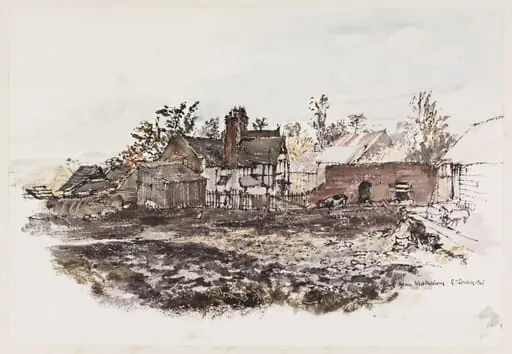
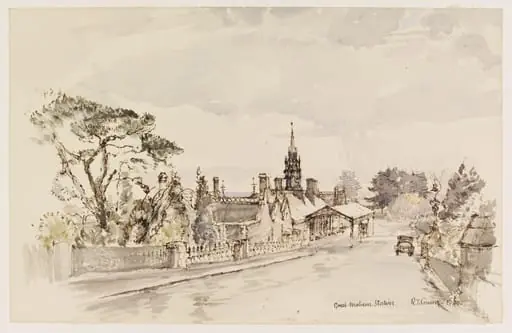
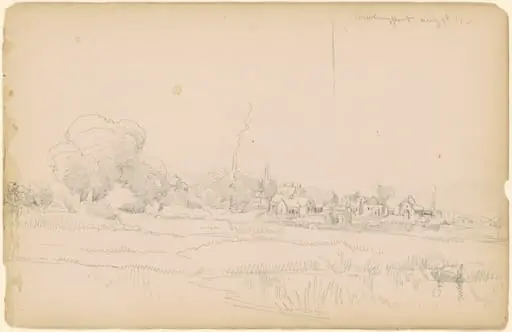
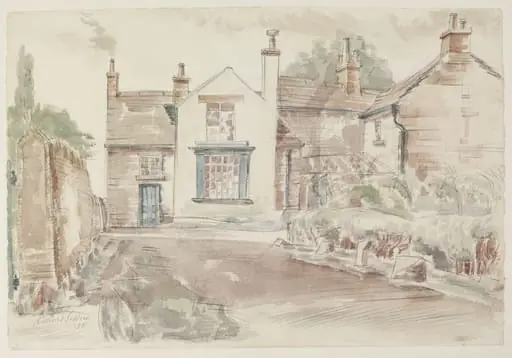
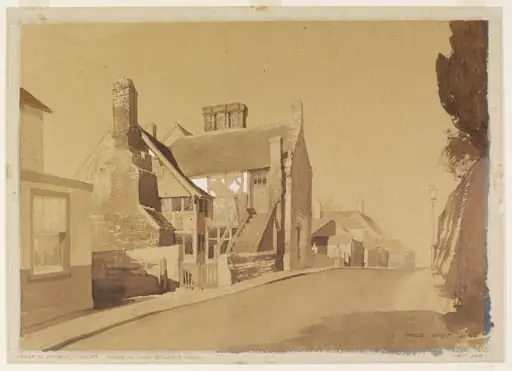
This watercolor shows a thatcher repairing old cottages near a 14th-century church. Raymond Teague Cowern painted it in May 1940. You can see the church spire rising behind the rooftops.
Cowern left out a nearby telegraph pole on purpose. He wanted the scene to feel timeless, not mixed up with modern life.
If you like this style, look up Raymond Teague Cowern next.
Overview
Raymond Teague Cowern’s watercolour, dated May 1940, portrays a cluster of aging cottages set against the backdrop of a 14th‑century church. The composition centers on a thatcher at work, his tools and materials evident as he restores the thatched roofs. The church spire rises above the scene, anchoring the village in a historic landscape.
Subject & Meaning
The cottages appear weathered, with sloping chimneys, missing plaster, and faded thatch, suggesting recent rescue from demolition. By focusing on the thatcher’s labor with locally sourced reeds and straw, the work emphasizes the continuity of traditional craft within a setting that is both fragile and resilient, hinting at the tension between preservation and decay.
Technique & Style
Executed in watercolour, Cowern employs a muted palette for the structures while allowing the dark reeds and golden straw to stand out, creating a subtle contrast. The brushwork captures the texture of the thatch and the roughness of the walls, while the delicate rendering of the church spire adds a sense of vertical lift to the otherwise horizontal village scene.
History & Provenance
Created in the early months of World War II, the painting reflects Cowern’s interest in English rural life. The work entered the museum’s collection through a mid‑20th‑century donation, remaining a documented example of his wartime output and his focus on regional architecture.
Context
Cowern deliberately omitted a nearby telegraph pole, removing a modern element that would have disrupted the idyllic atmosphere. This choice anticipates later efforts by heritage bodies to curate village vistas for tourism, illustrating how aesthetic considerations began to outweigh practical rural concerns in the mid‑20th century.
Artist & collection
Artist
Raymond Teague Cowern painted quiet watercolors of mid-century Worcestershire life during the Second World War.