Artwork
Gilles
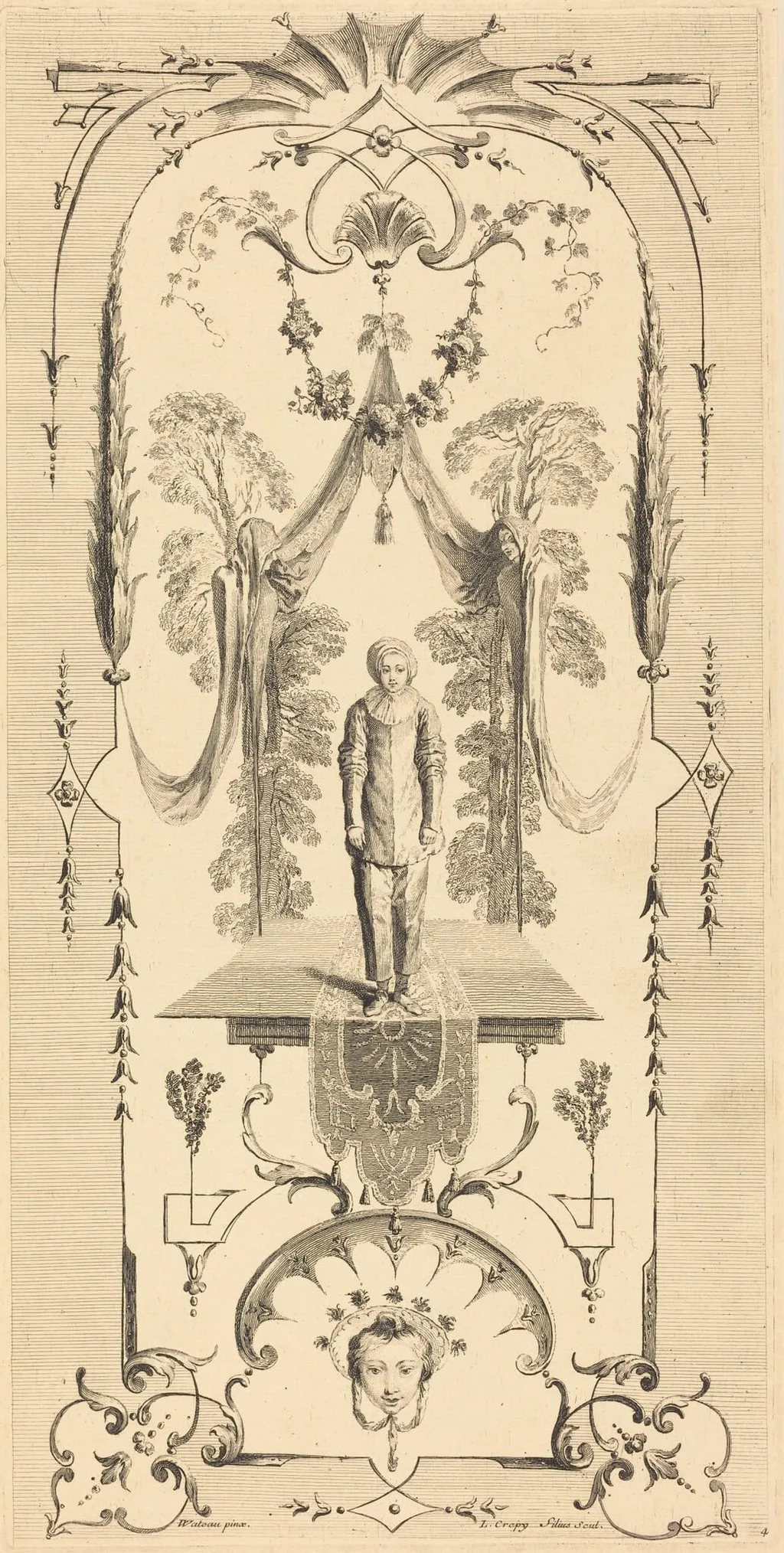
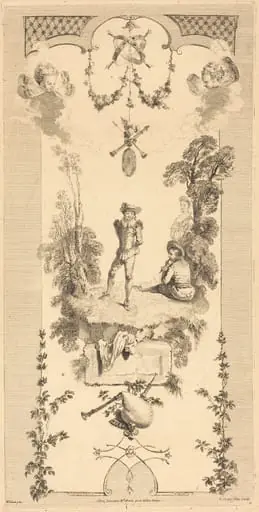
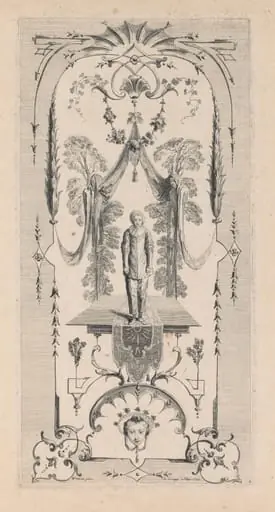
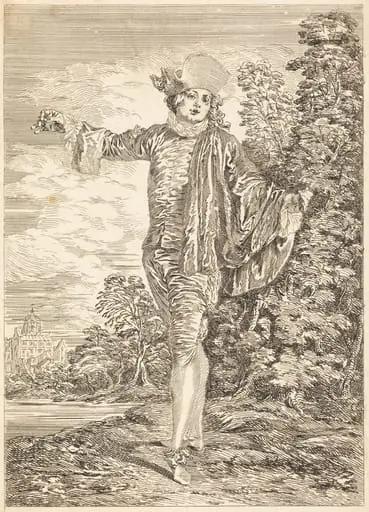
Gilles is an ink print by the Baroque artist Louis Crépy. It dates from 1720 and is held in the collection of the National Gallery of Art.
About this work
Overview
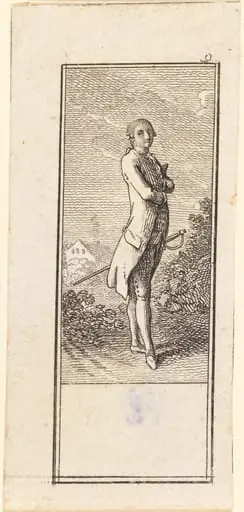
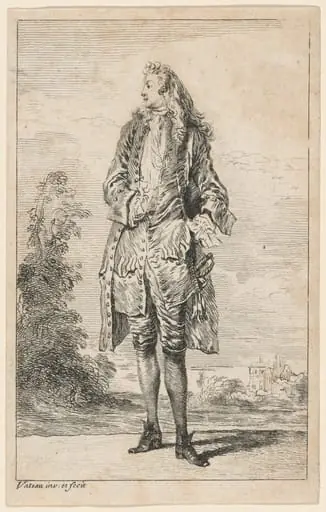
Louis Crépy’s 1720 etching titled *Gilles* presents a solitary figure standing upon a modest platform amid a wooded setting. Rendered entirely in monochrome, the composition balances the figure against surrounding foliage, employing a range of gray tones that lend the scene a subdued, contemplative atmosphere.
Subject & Meaning
The central character appears to be a youthful jester or fool, identifiable by his loose, flowing shirt and trousers. His calm, introspective expression suggests a moment of quiet reflection rather than performance, inviting viewers to consider the inner life of a traditionally comic archetype.
Technique & Style
Created with the intaglio process of etching, the work demonstrates the fine line work characteristic of early 18th‑century printmaking. Crépy’s handling of tonal variation—achieved through careful manipulation of acid bites and ink—produces a nuanced gradation of grays that model both the figure’s drapery and the surrounding trees.
History & Provenance
*Gilles* was produced in 1720, during the later phase of the Baroque period, a time when French printmakers were exploring more intimate, genre‑type subjects. The etching is attributed to Louis Crépy, a noted French engraver whose oeuvre includes both religious and secular prints, though specific ownership records for this piece remain limited.
Artist & collection