Artwork
Pastoral, Arabesque
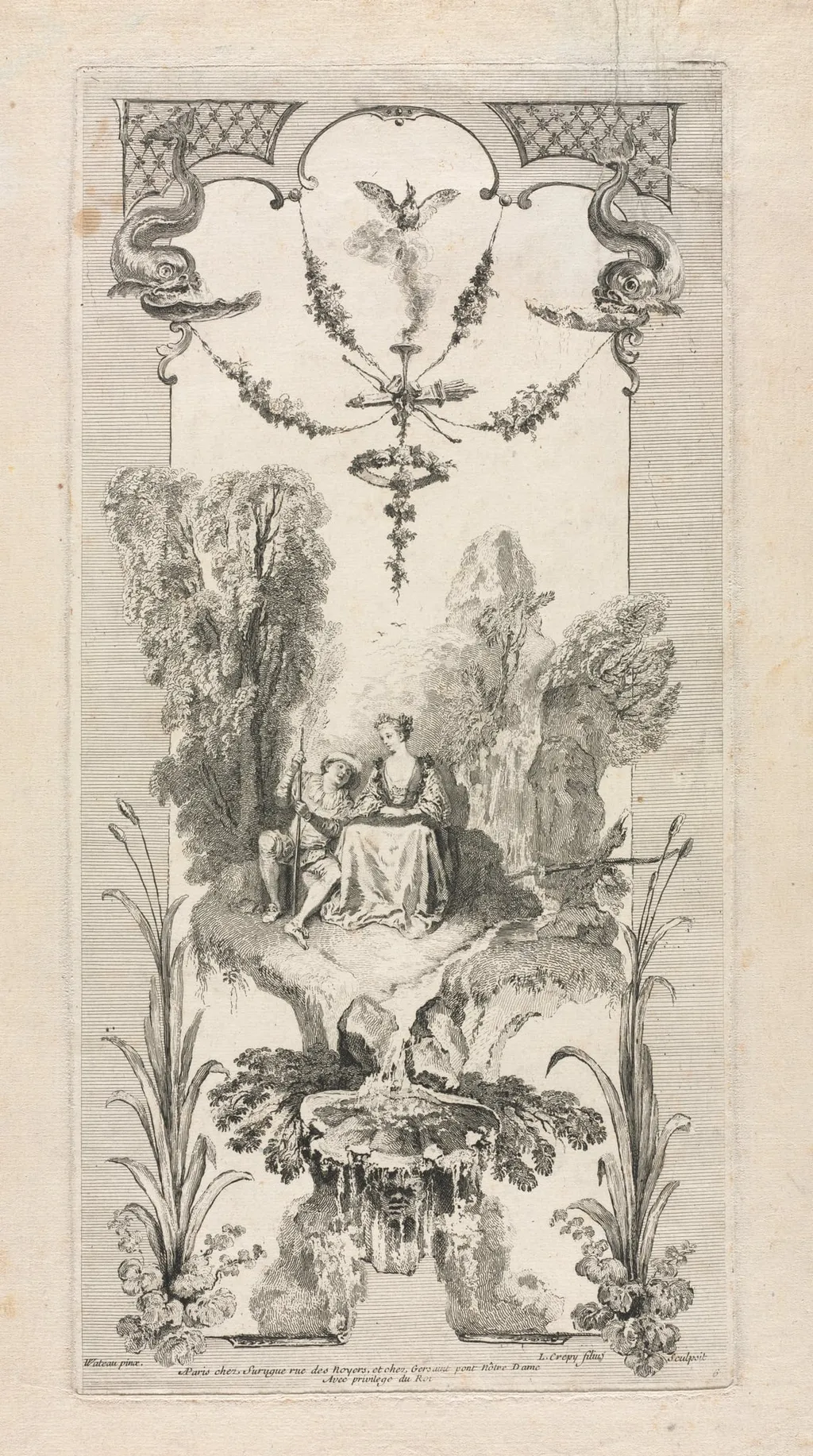
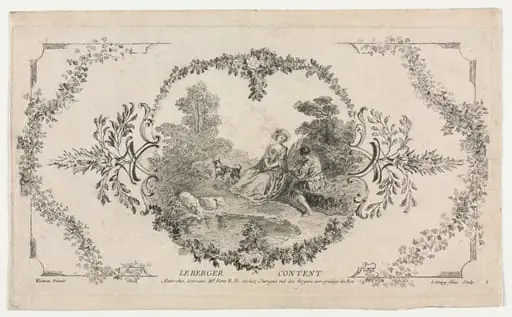
Pastoral, Arabesque is a print by the Baroque artist Louis Crépy. It dates from 1704 and is held in the collection of the Cleveland Museum of Art.
About this work
Overview
Pastoral, Arabesque is a print produced around 1704 by Louis Crépy, now in The Cleveland Museum of Art. Though often mistaken for a painting, it is a printed image, likely an etching or engraving, that captures a quiet rural encounter. The composition balances figures within a natural landscape, emphasizing harmony between human presence and the surrounding environment.
Subject & Meaning
A seated woman and standing man, dressed in light and earth-toned garments, share a tranquil moment amid dense foliage.
A seated woman and standing man, dressed in light and earth-toned garments, share a tranquil moment amid dense foliage. The man holds a bow and arrow, suggesting a hunting context, yet the scene evokes stillness rather than action. Their postures and the calm setting imply an idealized rural romance, consistent with early 18th-century pastoral themes that romanticized nature as a refuge from urban life.
Technique & Style
Crépy employed fine linear detail and subtle tonal gradations to model forms and suggest depth. Light filters through the trees in soft highlights, contrasting with shadowed undergrowth to create volume. The use of delicate hatching and cross-hatching mimics the effects of chiaroscuro, enhancing the atmospheric quality without relying on broad washes of color.
History & Provenance
The work entered The Cleveland Museum of Art’s collection as part of its broader acquisition of European prints from the Baroque and Rococo periods. Its attribution to Crépy, a lesser-known French artist active in the early 1700s, reflects scholarly research into regional printmakers whose works circulated among private collectors rather than public institutions.
Context
Created during the reign of Louis XIV, the print aligns with a cultural fascination for pastoral idylls in French art and literature. Such scenes offered an escape from courtly formality, appealing to aristocratic tastes for nature-infused elegance. Crépy’s work fits within a tradition of prints that translated painterly compositions into accessible, reproducible formats for domestic display.
Legacy
Though not widely exhibited today, Pastoral, Arabesque remains a representative example of early 18th-century French printmaking. It illustrates how artists like Crépy contributed to the dissemination of aesthetic ideals through print, bridging fine art and decorative culture without seeking monumental status.
Artist & collection


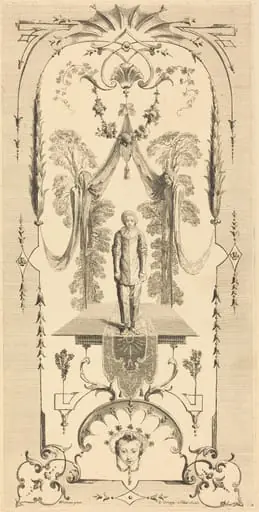
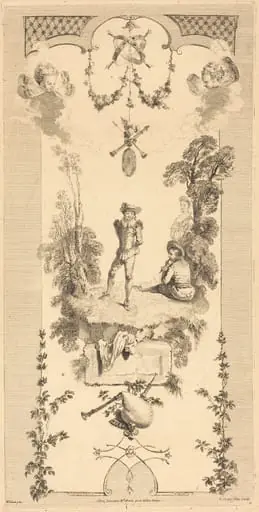
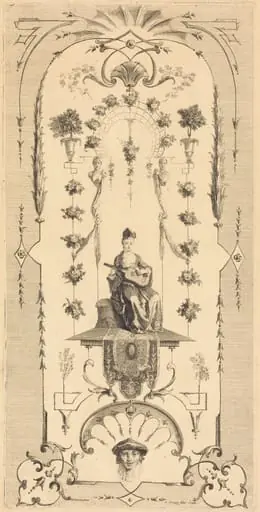
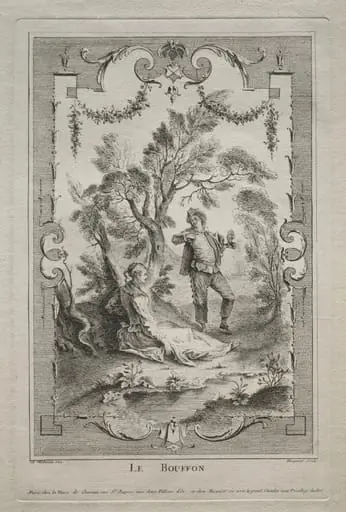 The Buffoon, Arabesque
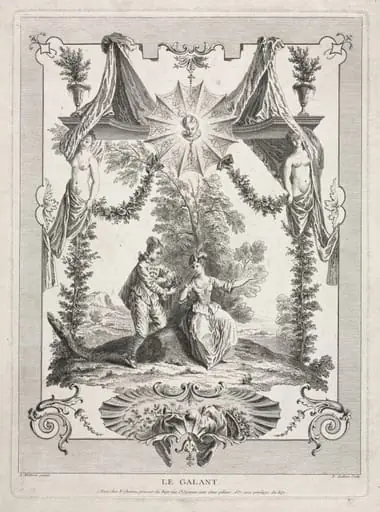 The Gallant
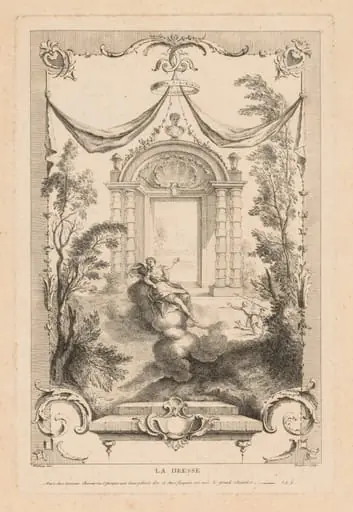 The Goddess, Diana on the Clouds
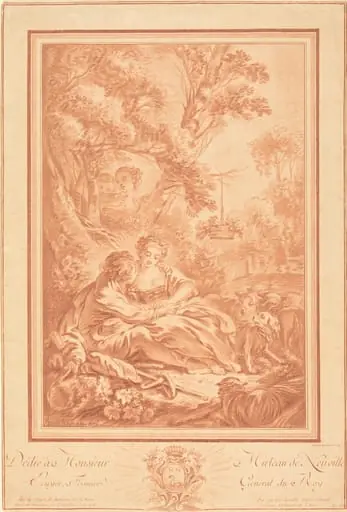 Two Lovers Seated at the Foot of a Large Tree, Surprised by Two Girls
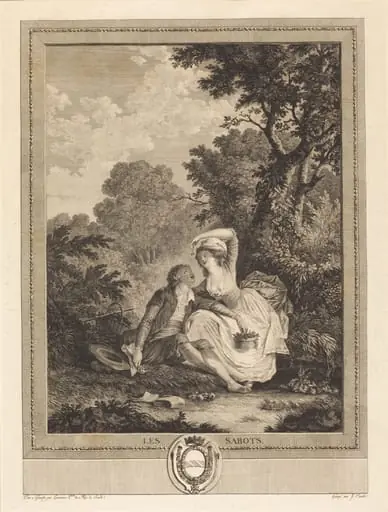 Les sabots
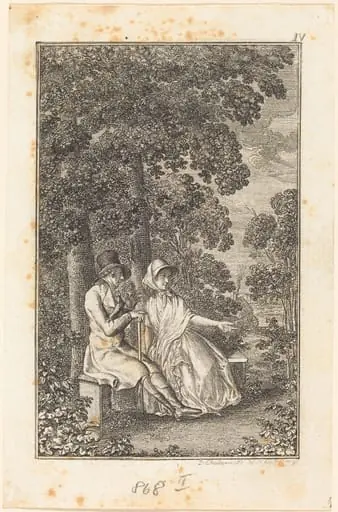 The Voyage to Paris
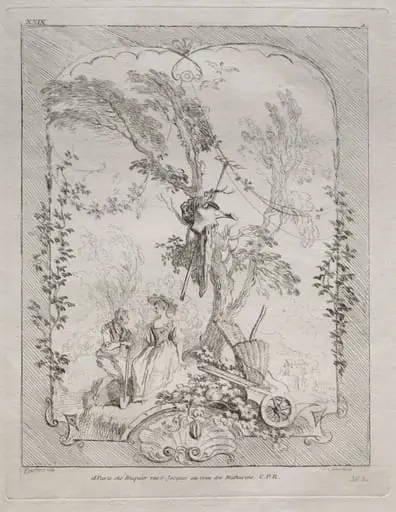 The Proposal
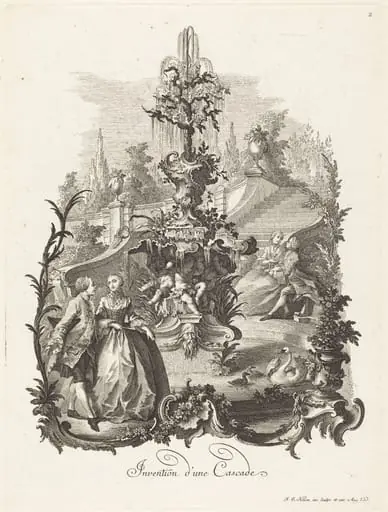 Invention d'une Cascade (Design for a Cascade)
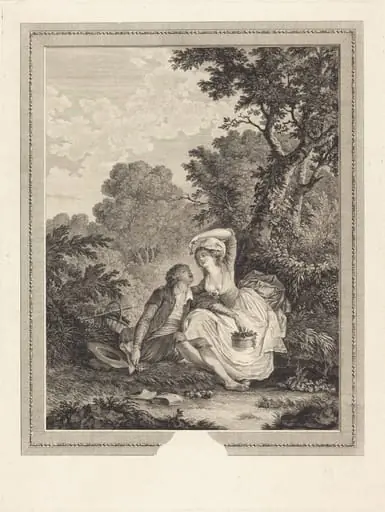 Les sabots
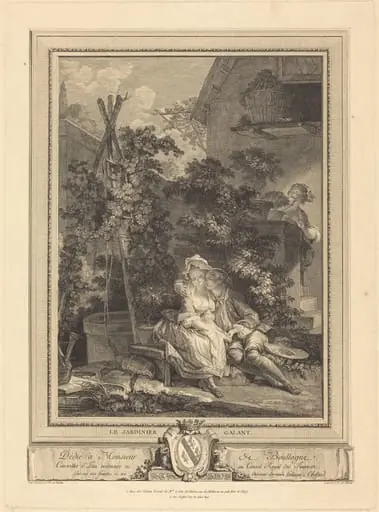 Le jardinier galant
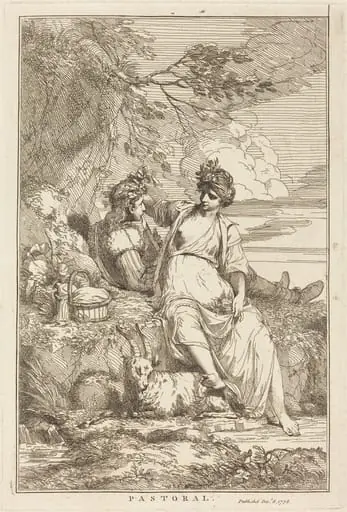 Pastoral
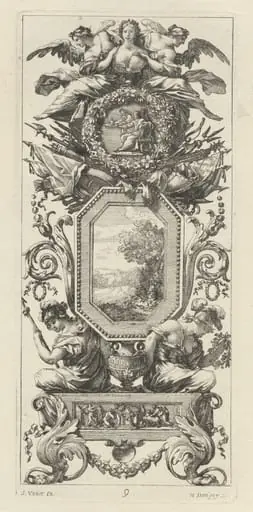 Ornamental Panel Surmounted with Two Figures Leaning on the Bust of a Woman