Artwork
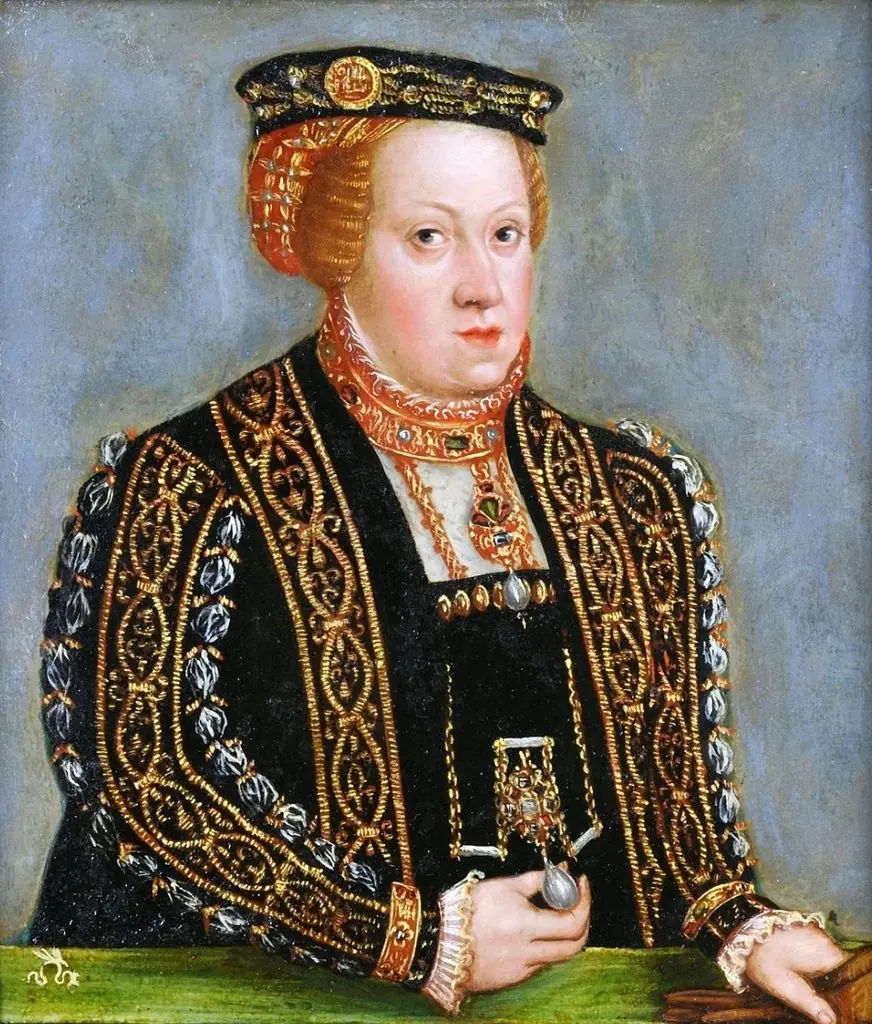
Portrait of Queen Catherine of Austria
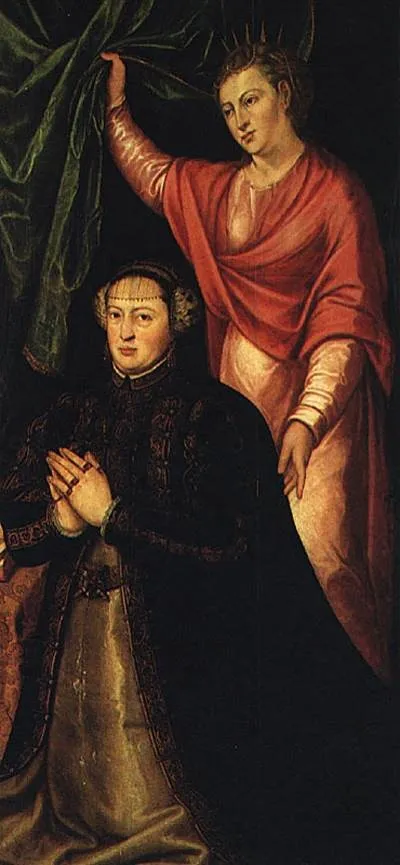
Portrait of Queen Catherine of Austria is an oil painting by the Mannerist artist Cristóvão Lopes. It dates from 1550 and is held in the collection of the National Museum of Ancient Art.
About this work
If you're interested in learning more about the artist's techniques, explore the use of chiaroscuro in his works.
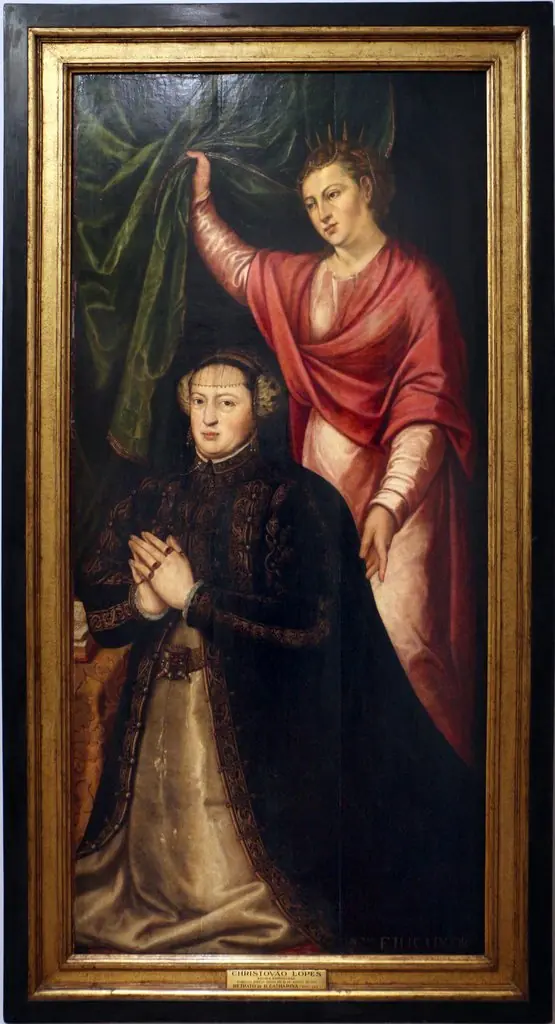
The painting depicts a woman dressed in black, with her hands clasped together in front of her. She is seated, and her head is turned slightly to the right. Behind her, a figure draped in red fabric stands with their right arm raised, holding a green cloth.
The woman's attire is ornate, featuring intricate patterns and designs. Her hair is styled in an updo, and she wears a headpiece that adds to her regal appearance.
The painting is a portrait of Queen Catherine of Austria, created by Cristóvão Lopes in 1550. If you're interested in learning more about the artist's techniques, explore the use of chiaroscuro in his works.
Overview
Cristóvão Lopes’ oil portrait of Queen Catherine of Austria dates to roughly 1550 and is held by Portugal’s National Museum of Ancient Art. The composition shows the queen seated in black attire, hands together, her head turned slightly to the right. A secondary figure, cloaked in red, stands behind her with a raised arm holding a green cloth, adding depth to the scene.
Subject & Meaning
The work presents Catherine of Austria, consort of King John III, in a dignified pose that emphasizes her royal status through sumptuous costume, an elaborate headdress, and the presence of a attendant figure. The clasped hands and modest expression convey piety and restraint, qualities traditionally associated with 16th‑century queenship.
Technique & Style
Executed in oil on canvas, the portrait reflects Mannerist tendencies in its elongated proportions and elegant pose. Lopes employs subtle chiaroscuro to model the queen’s face and the richly patterned fabrics, while the background figure’s vivid red and green provide contrasting colour accents. The handling suggests an awareness of the Dutch portraitist Antonis Mor, who was active in Portugal at the time.
History & Provenance
Cristóvão Lopes, who succeeded his father Gregório as royal painter in 1551, likely painted the portrait while still working in his father’s workshop or shortly thereafter. The painting entered the National Museum of Ancient Art’s collection in the 20th century, where it remains a key example of Portuguese court portraiture from the mid‑16th century.
Context
The portrait was created during a period when Portugal’s court embraced foreign artistic influences, particularly from the Low Countries. Catherine’s representation aligns with contemporary European conventions for royal portraiture, balancing personal likeness with symbolic regalia that affirmed the Habsburg alliance and the monarch’s authority.
Artist & collection
Artist
Cristóvão Lopes (c. 1516–1594) was a Portuguese painter. Cristóvão Lopes was the son and disciple of royal painter Gregório Lopes, who died in 1550. Cristóvão succeeded his father as the royal painter of King John III…

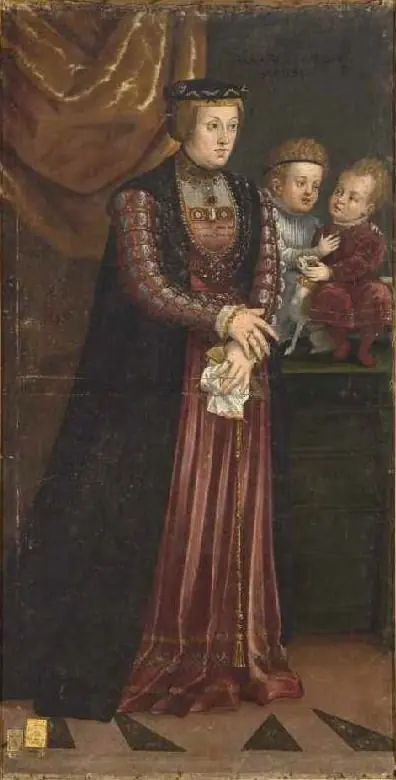 Anna, Tochter des Ladislaus III. von Schweden und Polen und zwei Prinzen
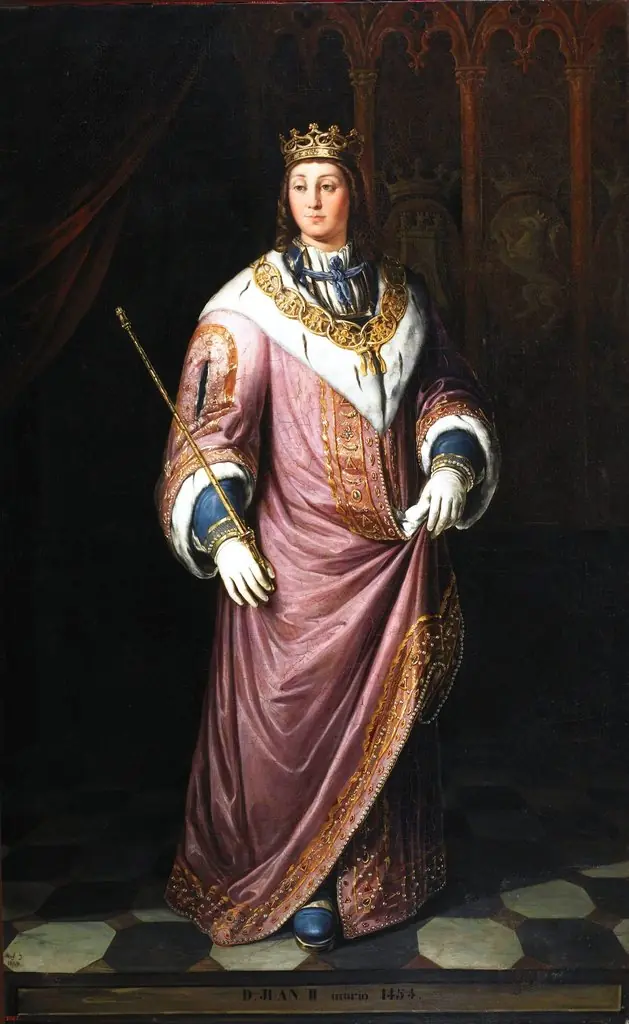 Juan II de Castilla
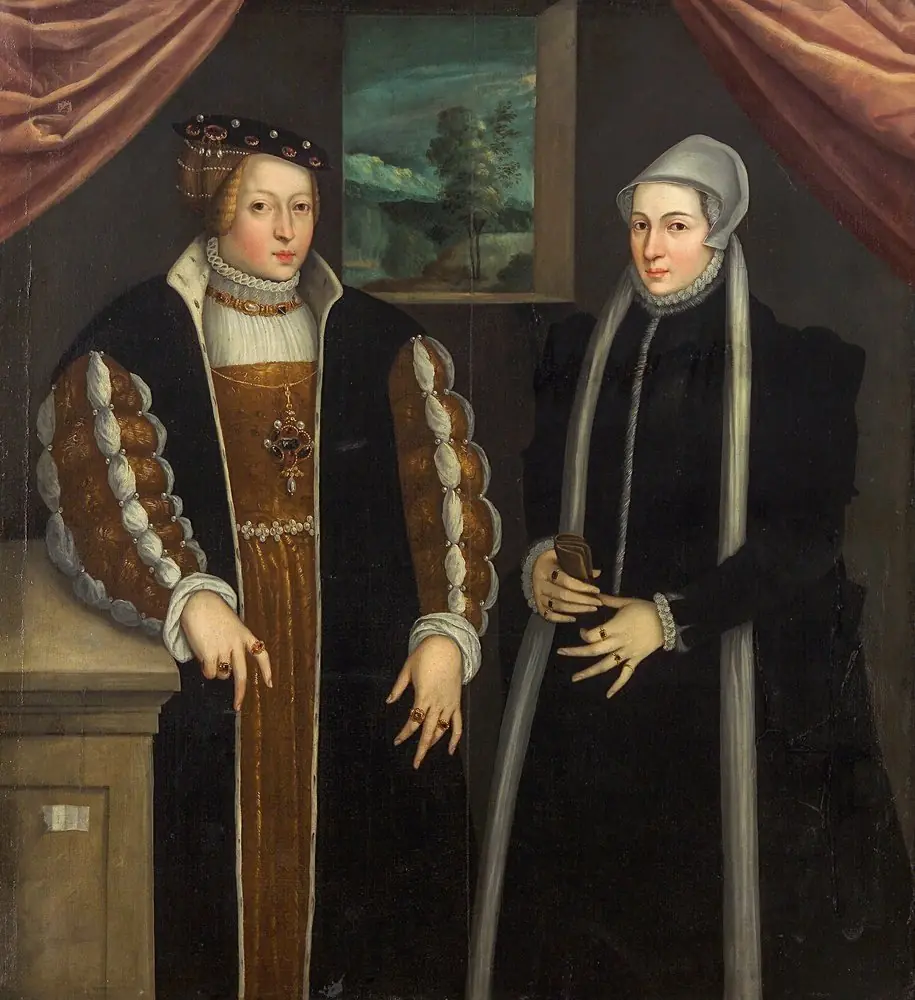 Double portrait of two ladies; Maria of Brandenburg and Christina of Denmark (?)
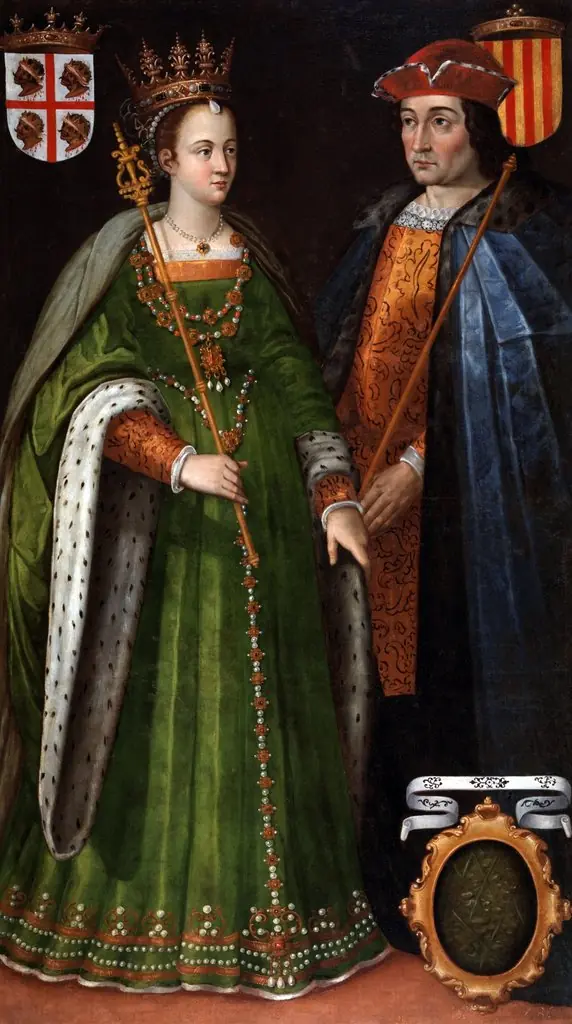 Portraits of Queen Petronila of Aragon and Count Ramón Berenguer IV of Barcelona
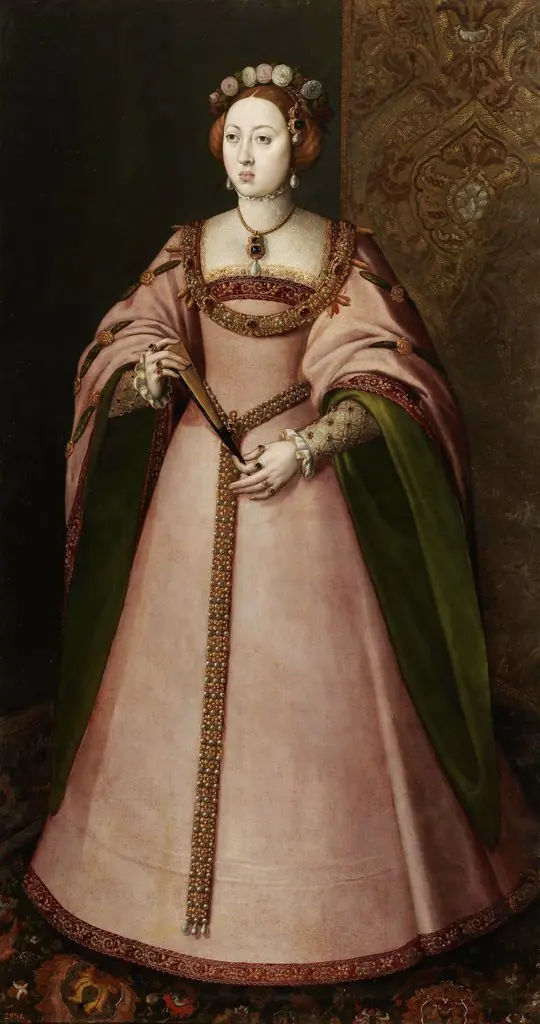 Mary of Portugal (1527–1545)
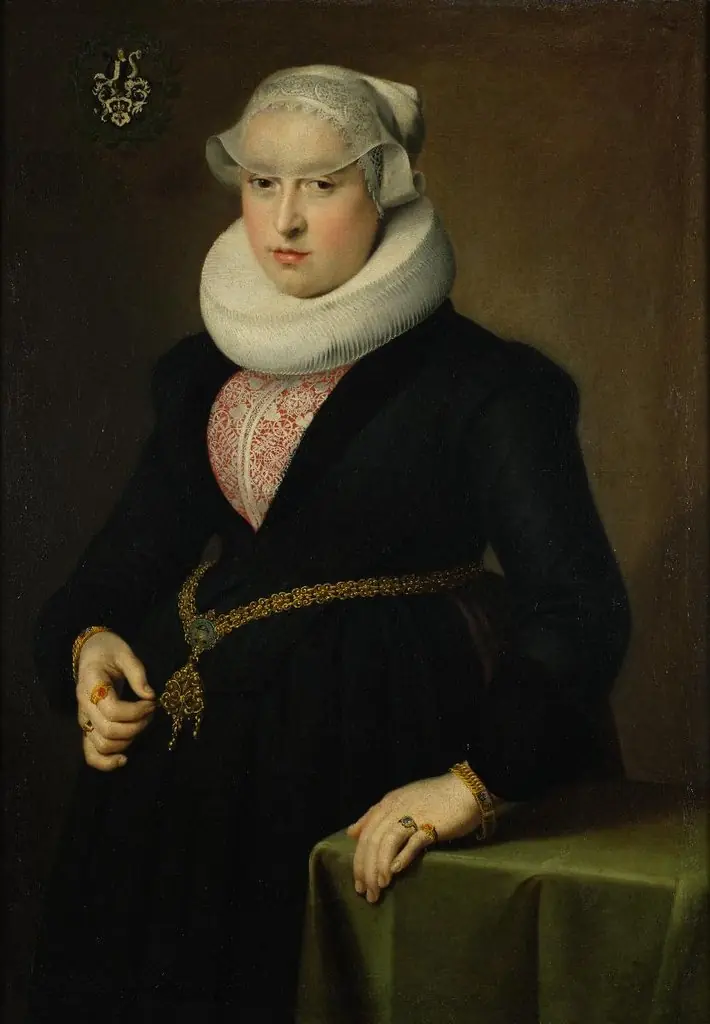 Bildnis Margaretha Müller-Hess
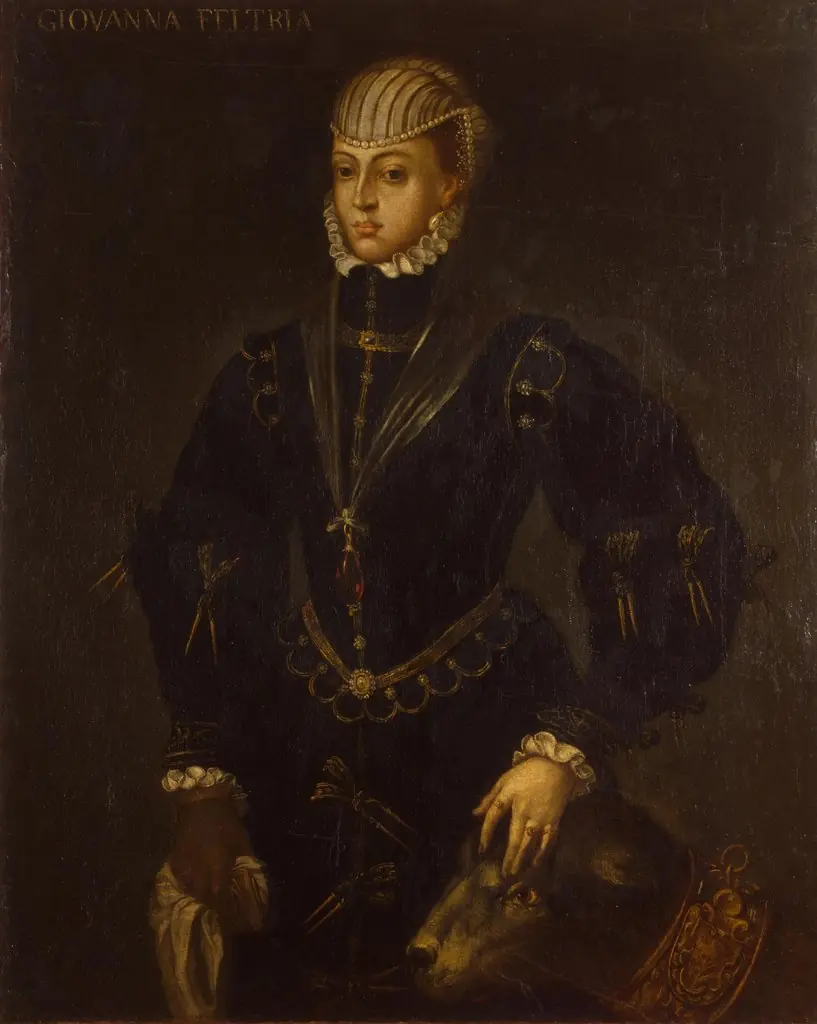 Portrait of Giovanna Feltria
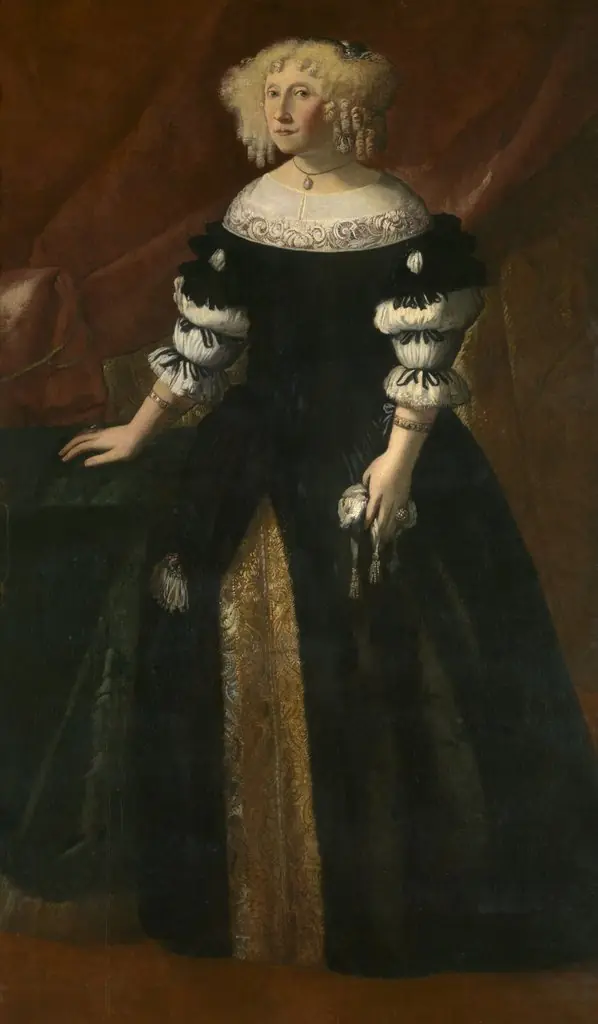 Portrait of a Woman
 Catarina de' Medici (1593-1629)
 Catherine of Austria