Artwork
Portrait of Pope Boniface VIII
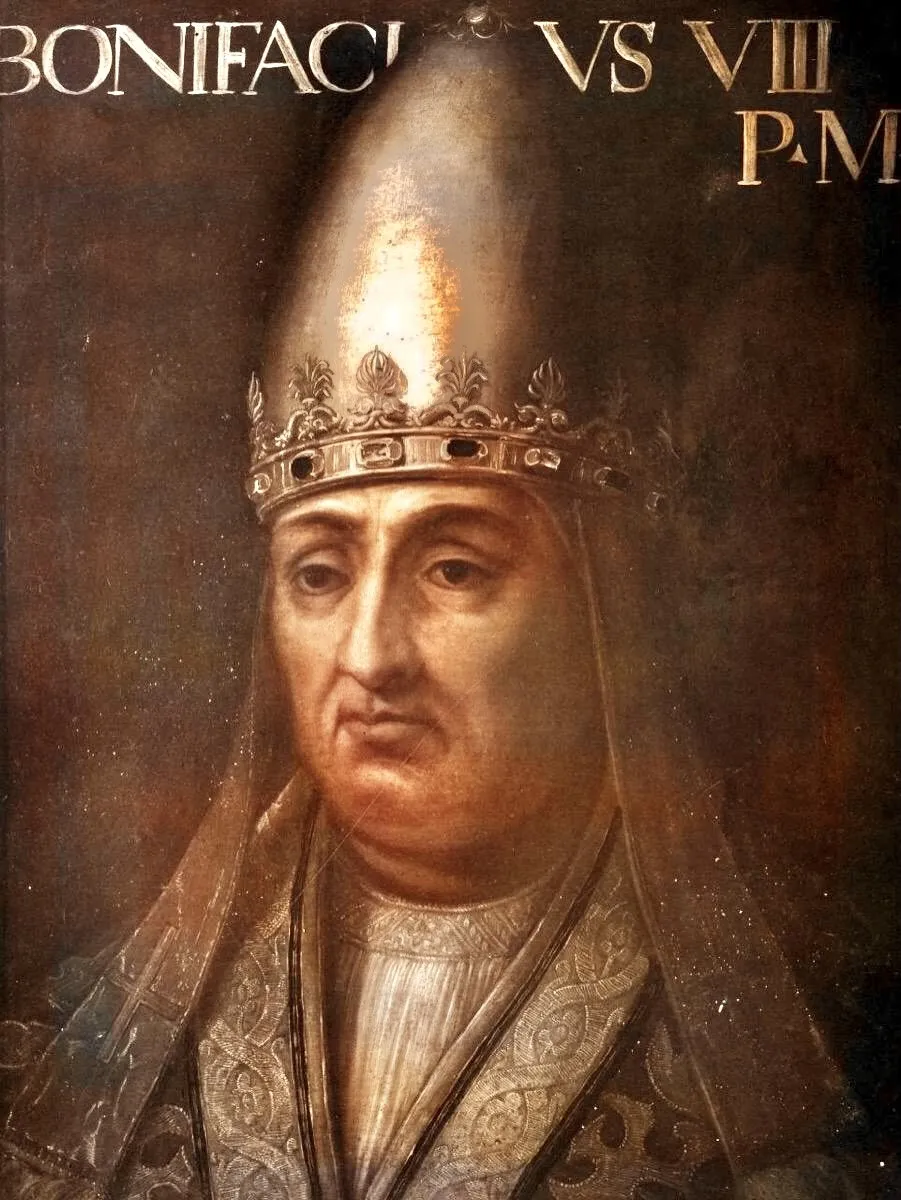
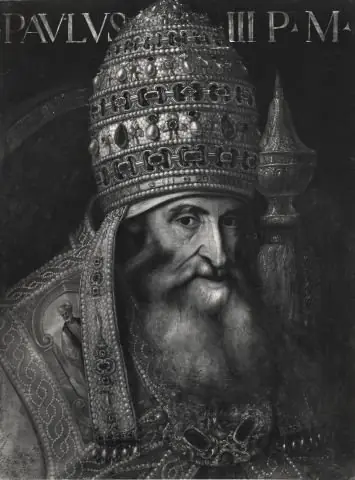
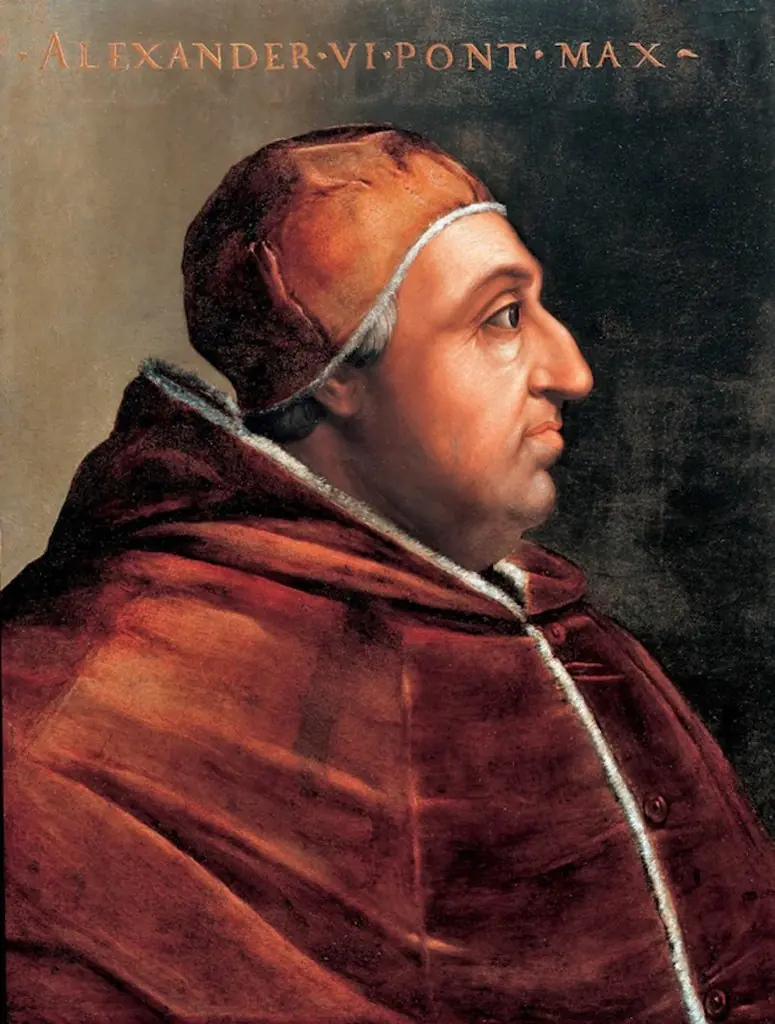
Portrait of Pope Boniface VIII is an oil painting by the Mannerist artist Cristofano dell'Altissimo. It dates from 1560 and is held in the collection of the Uffizi Gallery.
About this work
Overview
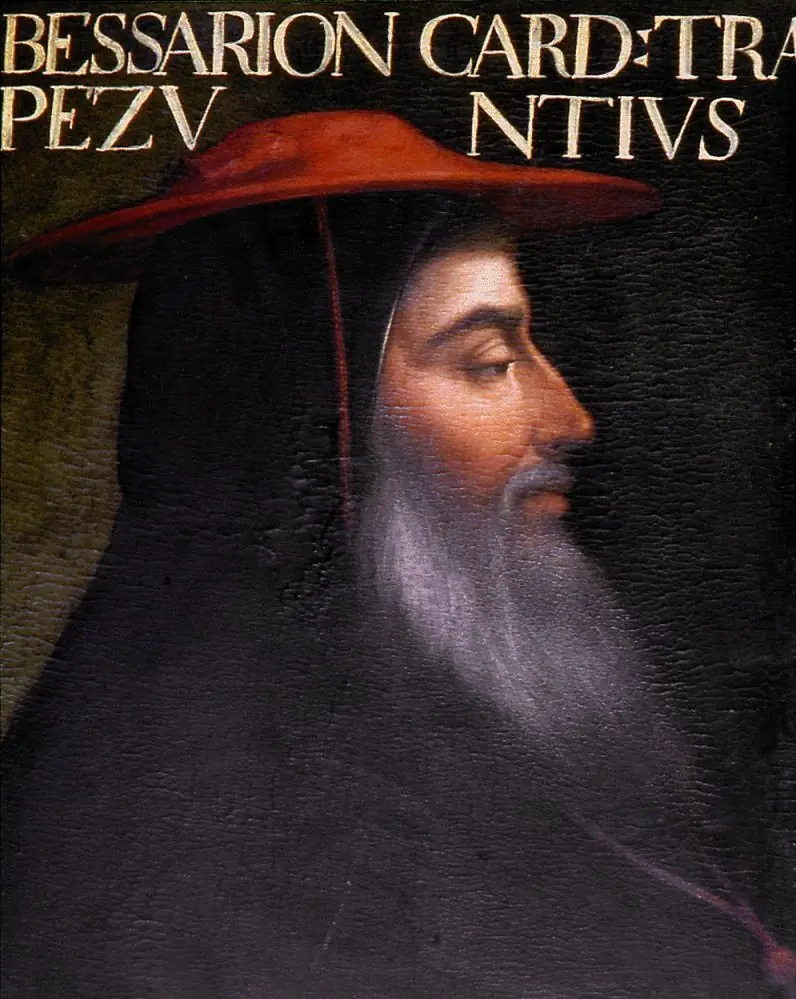
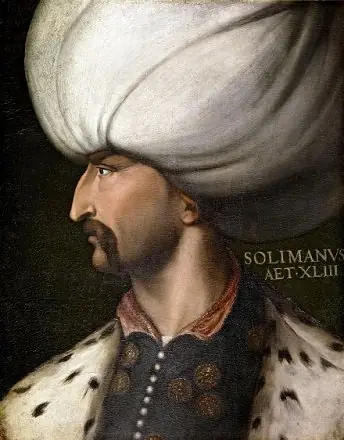
Portrait of Pope Boniface VIII is a 1560 oil painting by Cristofano dell'Altissimo, created for the Giovio Series. It depicts the medieval pope in detailed, ornate attire against a dark background, characteristic of Mannerist style.
Subject & Meaning
The subject is Pope Boniface VIII, a figure from medieval history. The portrait conveys solemnity through the pope's serious expression, while the intricate details of his robes and headpiece (a tall, pointed hat crowned) signify his ecclesiastical authority.
Technique & Style
Executed in oil paint, the work showcases Mannerist attention to detail and realism. The dark background contrasts with the vivid, meticulously rendered robes and hat, drawing focus to the subject's face and attire, exemplifying the style's emphasis on expressive intensity.
History & Provenance
Commissioned by Duke Cosimo I de' Medici for the Giovio Series, the painting was part of dell'Altissimo's project to copy historical portraits. It is currently housed in the Uffizi Gallery in Florence.
Context
Created in 16th-century Florence, the painting reflects the Mannerist movement's prevalence during this period. Its commission for the Giovio Series highlights the demand for historical and portrait art among the nobility, such as the Medici family.
Artist & collection
Artist
Cristofano dell'Altissimo (c. 1525 – 1605) was an Italian painter in Florence. For duke Cosimo I de' Medici he copied in Como at least 280 of the portraits from the Collection of Paolo Giovio known as the Giovio Series…