Artwork
Portrait of Suleiman the Magnificent
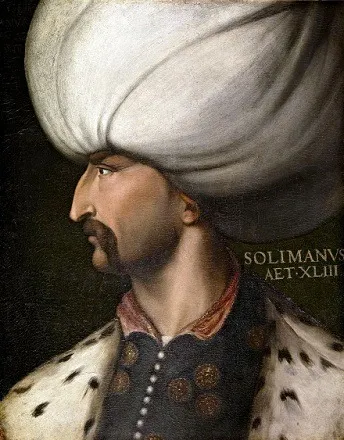
Portrait of Suleiman the Magnificent is an oil painting by the Mannerist artist Cristofano dell'Altissimo. It dates from 1560 and is held in the collection of the Uffizi Gallery.
About this work
Overview
Commissioned by Duke Cosimo I de' Medici, the painting is one of more than 280 portraits copied from Paolo Giovio’s collection of notable figures.
Cristofano dell'Altissimo, an Italian artist working in Florence during the mid-16th century, produced this oil portrait of Suleiman the Magnificent around 1560. Commissioned by Duke Cosimo I de' Medici, the painting is one of more than 280 portraits copied from Paolo Giovio’s collection of notable figures. It resides today in the Uffizi Gallery, part of a systematic effort to compile a visual archive of contemporary rulers and dignitaries.
Subject & Meaning
The portrait depicts Suleiman I, the Ottoman sultan renowned for his military and administrative power. Rendered with solemn composure, his gaze to the left conveys authority and detachment. The elaborate turban and richly detailed garments signify his imperial status, while the absence of overt symbolism or setting emphasizes his presence as a figure of state rather than a religious or mythological icon.
Technique & Style
Dell'Altissimo employed fine brushwork to render the textures of fabric, fur, and turban folds with precision. The Mannerist style is evident in the elongated proportions and heightened detail, particularly in the gold buttons and intricate patterns of the robe. The dark, unadorned background isolates the figure, directing focus to the subtle gradations of light on skin and textile, characteristic of Florentine portraiture of the period.
History & Provenance
The painting originated as part of a commissioned series by Cosimo I de' Medici, who sought to assemble a gallery of contemporary leaders through copies of Paolo Giovio’s portrait collection. Dell'Altissimo, as court painter, executed these works with meticulous care. The portrait entered the Medici holdings and was later transferred to the Uffizi, where it remains as a documented artifact of Renaissance diplomatic and visual culture.
Context
In the 1560s, European courts closely observed the Ottoman Empire’s political and military influence. Portraits like this one served as both diplomatic records and symbols of cultural curiosity. Though the artist never met Suleiman, the image reflects European perceptions of Ottoman grandeur, filtered through the lens of Florentine artistic conventions and Medici political interests.
Legacy
This portrait endures as a rare visual record of Suleiman the Magnificent created by a European hand. It exemplifies how Renaissance artists engaged with non-European figures, translating foreign royalty into familiar compositional frameworks. Its presence in the Uffizi underscores the Medici’s ambition to position Florence as a center of global knowledge and artistic synthesis.
Artist & collection
Artist
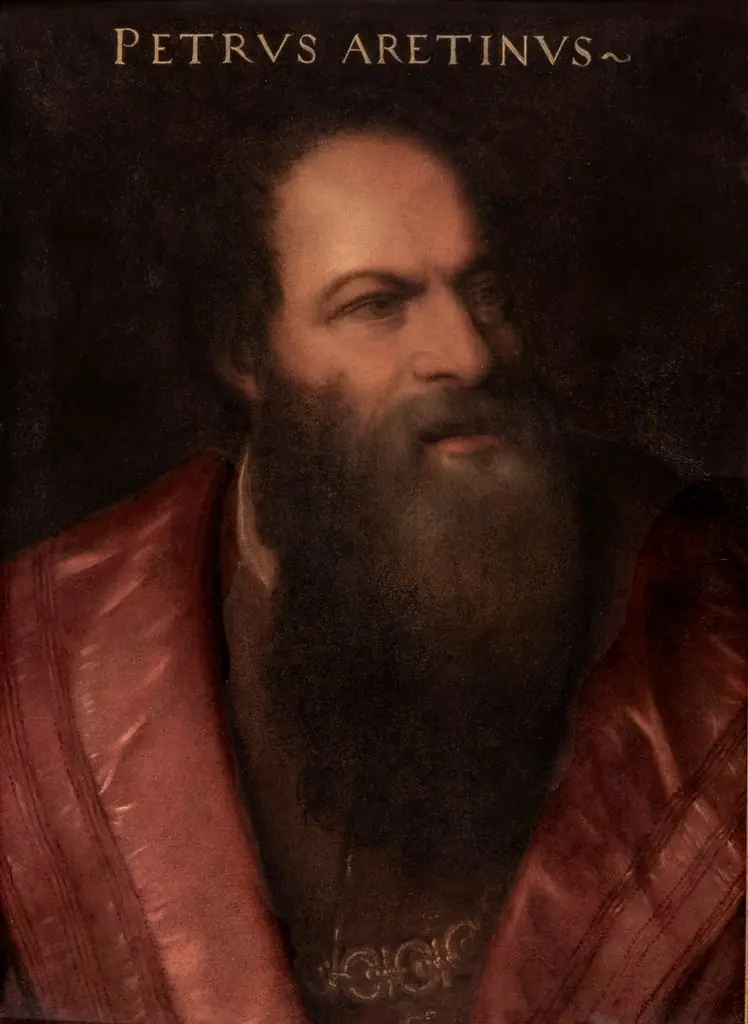
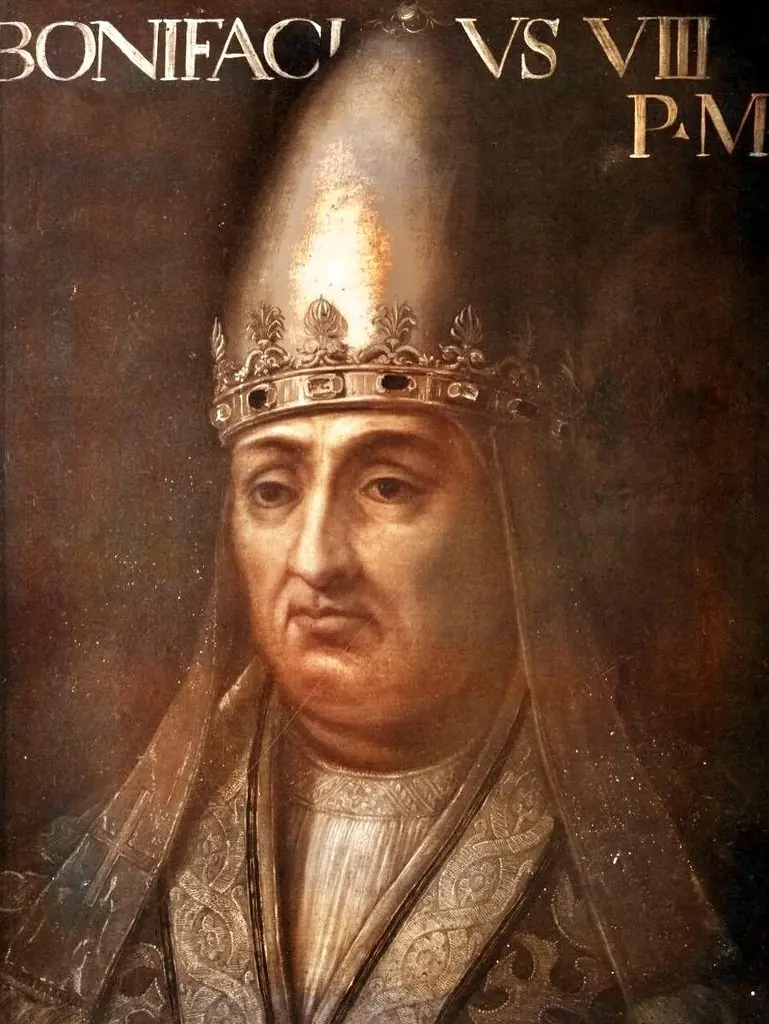
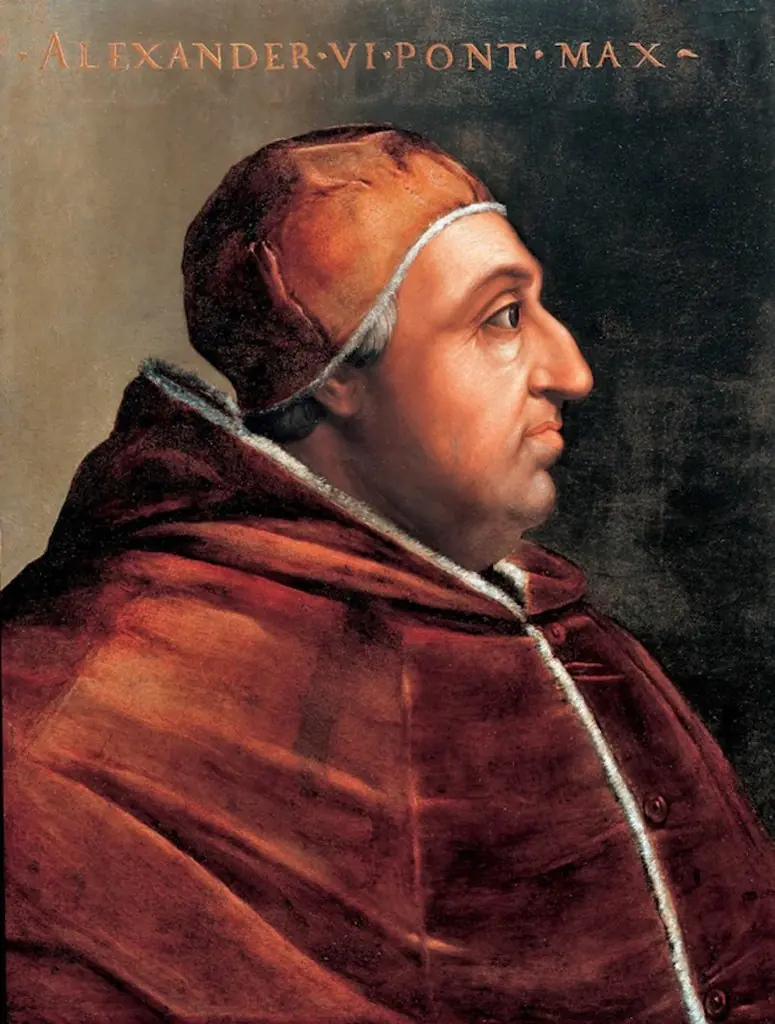
Cristofano dell'Altissimo (c. 1525 – 1605) was an Italian painter in Florence. For duke Cosimo I de' Medici he copied in Como at least 280 of the portraits from the Collection of Paolo Giovio known as the Giovio Series…

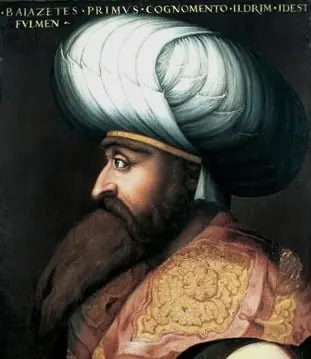 Portrait of Bayezid I
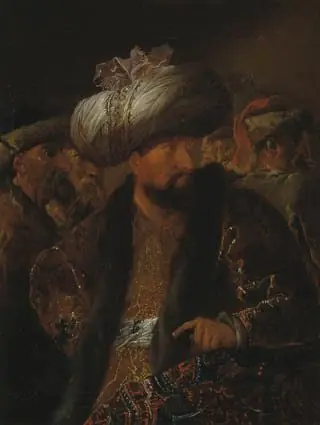 En samling tyrkiske mænd
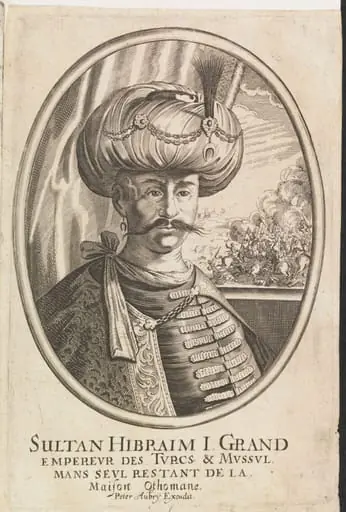 Turkish sultans, sultanas and other historical figures
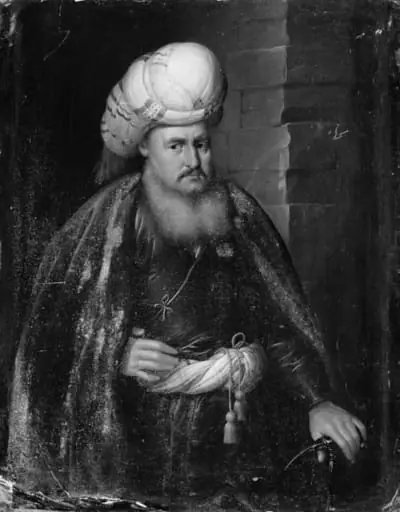 A Turk
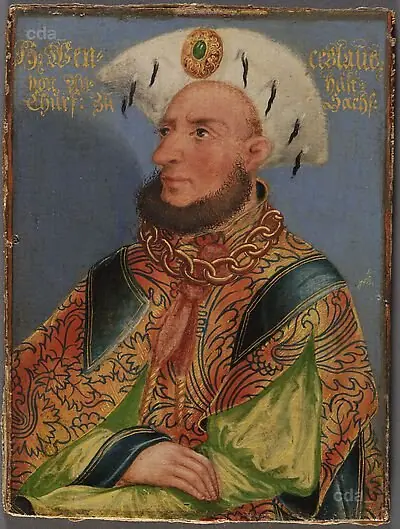 Wenzeslaus, Elector, son of Rudolf I., died 1388
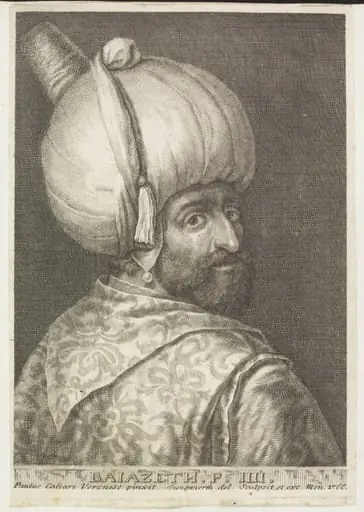 Turkish sultans, sultanas and other historical figures
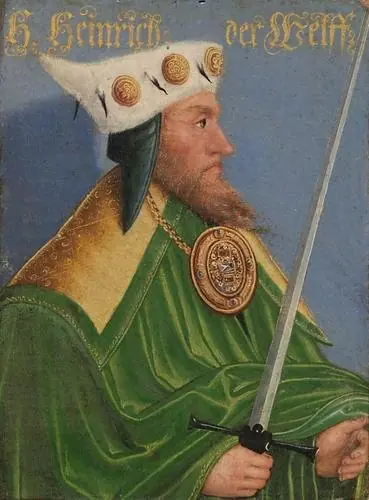 Duke Heinrich the Proud (son of Duke Heinrich the black of Bavaria), died 1139
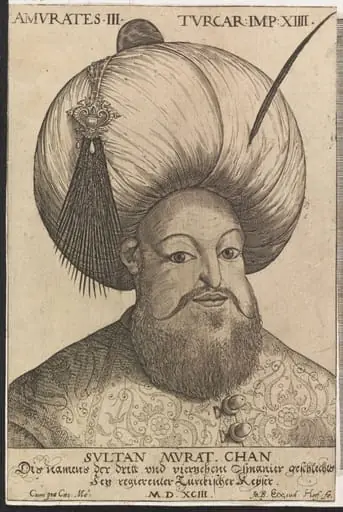 Turkish sultans, sultanas and other historical figures
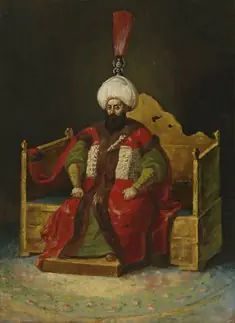 A pasha
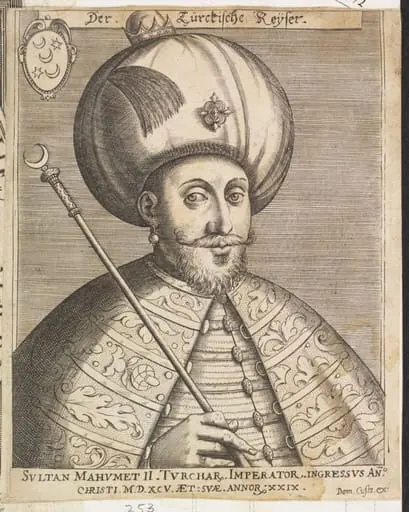 Turkish sultans, sultanas and other historical figures